

Stanley Sabre & Reciprocating Saw Blades
 Loading...
End of content
Error - No more pages to load
Stanley Sabre & Reciprocating Saw Blades at Tooled-Up.com
Stanley has been a trusted name in cutting tools for over a century, and their range of sabre and reciprocating saw blades continues this legacy of innovation and reliability. Designed to deliver exceptional cutting performance across wood, metal, plastics, and composite materials, Stanley blades are engineered to withstand the demanding conditions of professional job sites whilst offering the precision that DIY enthusiasts require for home projects.
The Stanley sabre and reciprocating saw blade range available from Tooled-Up.com encompasses a comprehensive selection of blade types, tooth configurations, and materials to suit virtually any cutting application. Whether you're demolishing structures, trimming pipework, or making precise cuts in timber framing, Stanley provides blades that combine aggressive cutting action with extended blade life. Each blade is manufactured to exacting standards, ensuring compatibility with all major reciprocating saw brands including DeWalt, Makita, Bosch, and Milwaukee.
From bi-metal construction for versatility to carbide-tipped options for the most challenging materials, Stanley's blade technology reflects decades of research and development. Tooled-Up stocks Stanley's complete sabre and reciprocating blade selection, ensuring tradespeople and DIY users can find the right blade for every cutting task, from intricate plunge cuts to heavy-duty demolition work.
Why Choose Stanley Sabre & Reciprocating Saw Blades?
Stanley's reputation for durability and value makes their sabre and reciprocating saw blades a sensible choice for professionals and home users alike. The brand's commitment to quality manufacturing means each blade undergoes rigorous testing to ensure consistent performance, even under the most demanding cutting conditions. Stanley blades feature precision-ground teeth that maintain sharpness longer than many competitors, reducing the frequency of blade changes and improving productivity on site.
The bi-metal construction employed in many Stanley reciprocating blades combines a high-speed steel cutting edge with a flexible spring steel body, creating blades that resist breakage whilst maintaining aggressive cutting performance. This design philosophy delivers excellent value, as blades last longer and require fewer replacements. Additionally, Stanley's universal shank design ensures compatibility with virtually all reciprocating and sabre saw brands, eliminating concerns about fitment issues when switching between different power tools.
Stanley continuously invests in blade technology, incorporating features such as optimised tooth geometries for faster cutting, anti-stick coatings to reduce friction and heat buildup, and aggressive tang designs for secure blade retention. These innovations translate into tangible benefits: cleaner cuts, reduced vibration, and improved control during operation.
Who Uses Stanley Sabre & Reciprocating Saw Blades?
- General Builders and Contractors: For demolition work, cutting through nail-embedded timber, and general site cutting tasks
- Plumbers: Cutting copper, plastic, and cast iron pipework in tight spaces
- Electricians: Creating access holes and cutting through various building materials during installation work
- Carpenters and Joiners: Trimming timber, making flush cuts, and demolition of wooden structures
- HVAC Engineers: Cutting ductwork, metal panels, and accessing confined spaces
- Roofers: Cutting through roofing materials, timber joists, and metal flashings
- Landscapers: Pruning trees, cutting through roots, and general garden maintenance
- DIY Enthusiasts: Home renovations, garden projects, and general maintenance tasks
- Demolition Contractors: Heavy-duty cutting through mixed materials during strip-out work
Key Features of Stanley Sabre & Reciprocating Saw Blades
Bi-Metal Construction: Stanley's bi-metal blades feature a high-speed steel edge welded to a flexible alloy body, providing exceptional durability and resistance to breakage during demanding cuts through tough materials.
Universal Shank Design: Compatible with all major reciprocating saw brands, Stanley blades feature a standard half-inch shank that fits securely into both professional and consumer-grade tools.
Optimised Tooth Geometry: Different tooth configurations are available for specific materials, from aggressive 6 TPI blades for rapid wood cutting to fine 18 TPI blades for smooth metal cuts.
Anti-Friction Coatings: Many Stanley blades incorporate special coatings that reduce heat buildup and prevent material adhesion, resulting in faster cutting and extended blade life.
Hardened Teeth: Precision-ground and hardened cutting edges maintain sharpness throughout the blade's working life, delivering consistent performance cut after cut.
Length Variety: Available in multiple lengths from 150mm for detailed work up to 300mm for deep cuts through thick materials or demolition applications.
Popular Stanley Sabre & Reciprocating Saw Blades
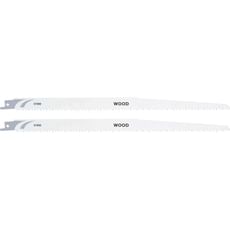
Wood Cutting Blades: Stanley's wood-cutting reciprocating blades feature aggressive tooth patterns with 6-10 TPI configurations, ideal for rapid cutting through timber framing, floorboards, and structural lumber. These blades excel in demolition work where speed is essential.
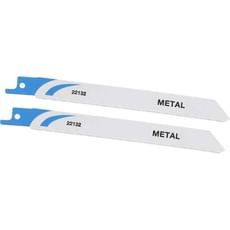
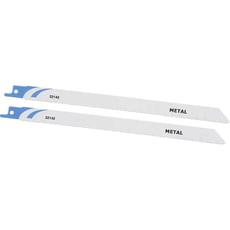
Metal Cutting Blades: Designed for cutting through ferrous and non-ferrous metals, pipes, and conduit, Stanley's metal-cutting blades typically feature 14-24 TPI for smooth, controlled cuts with minimal burring.
Multi-Material Blades: Versatile bi-metal blades suitable for cutting through wood, metal, plastics, and composite materials, making them ideal for renovation work where multiple material types are encountered.
Demolition Blades: Heavy-duty blades engineered to withstand the punishment of cutting through nail-embedded timber, mixed materials, and general site debris during strip-out and demolition projects.
Pruning Blades: Specially designed for cutting green wood, branches, and roots, these blades feature aggressive tooth patterns and robust construction for landscaping and garden maintenance applications.
Safety and Compliance
Stanley sabre and reciprocating saw blades are manufactured to meet relevant UK and European safety standards, including BS EN specifications for cutting tool safety. When using Stanley reciprocating saw blades, always follow HSE guidelines for power tool operation, including wearing appropriate personal protective equipment such as safety glasses, hearing protection, and work gloves.
Ensure blades are properly secured in the tool's blade clamp before operation, and always disconnect the tool from its power source before changing blades. Inspect blades before each use for signs of damage, wear, or cracking, and replace damaged blades immediately. Never force a blade through material—allow the tool and blade to work at their own pace to prevent blade breakage and potential injury.
Store Stanley blades in their original packaging or a dedicated blade case to protect cutting edges and prevent accidental contact. Follow all manufacturer guidelines regarding maximum blade speed ratings, and ensure your reciprocating saw operates within the blade's specified parameters.
Frequently Asked Questions
Are Stanley reciprocating saw blades compatible with other brands of reciprocating saws?
Yes, Stanley sabre and reciprocating saw blades feature a universal half-inch shank design that fits all major reciprocating saw brands including DeWalt, Makita, Bosch, Milwaukee, and others. This universal fitment makes Stanley blades an excellent choice regardless of your power tool brand preference.
What TPI should I choose for cutting different materials with Stanley blades?
For fast wood cutting, choose Stanley blades with 6-10 TPI. For metal cutting, select 14-24 TPI for smoother cuts with less vibration. Multi-material blades typically feature 10-14 TPI, offering versatility for mixed applications. Lower TPI numbers cut faster but rougher, whilst higher TPI provides smoother, more controlled cuts.
How long do Stanley reciprocating saw blades typically last?
Blade life depends on the material being cut, cutting frequency, and operator technique. Stanley's bi-metal construction significantly extends blade life compared to standard carbon steel blades. In typical wood-cutting applications, a quality Stanley blade should handle numerous cuts before requiring replacement. For metal cutting, blade life varies based on material hardness and thickness.
Can Stanley sabre blades cut through nail-embedded timber?
Yes, Stanley's bi-metal demolition blades are specifically designed to withstand contact with nails, screws, and other fasteners embedded in timber. The flexible steel body prevents breakage whilst the hardened cutting edge maintains sharpness even after encountering metal fasteners during demolition work.
What's the difference between Stanley's wood and metal cutting reciprocating blades?
Stanley wood-cutting blades feature aggressive tooth patterns with larger gullets for rapid chip removal and faster cutting speeds through timber. Metal-cutting blades have finer teeth (higher TPI) with smaller gullets, designed for controlled cutting that prevents tooth breakage and produces smoother cuts in metal materials. The blade material composition also differs, with metal-cutting blades featuring harder cutting edges.