

Stanley Sanding Discs
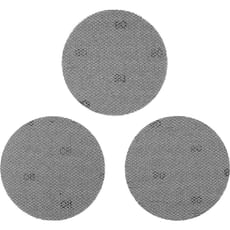
 Loading...
End of content
Error - No more pages to load
Stanley Sanding Discs at Tooled-Up.com
Stanley has been a trusted name in professional tools and accessories for over 175 years, and their range of sanding discs continues this legacy of quality and reliability. Combining precision engineering with practical design, Stanley sanding discs are manufactured to deliver consistent performance across a wide variety of sanding applications. Whether you're working with wood, metal, or composite materials, Stanley's commitment to producing durable, efficient abrasives makes them a go-to choice for professionals and DIY enthusiasts alike.
The Stanley sanding disc collection available from Tooled-Up.com encompasses solutions for both power sanders and hand-held applications. From hook-and-loop backing systems that enable quick disc changes to various grit options for different finishing requirements, Stanley ensures their sanding discs meet the demanding needs of modern tradespeople. Each disc is engineered to maintain its cutting performance throughout its lifespan, reducing the need for frequent replacements and delivering better value over time.
Designed to work seamlessly with popular orbital, random orbital, and detail sanders, Stanley sanding discs feature consistent grain distribution and robust backing materials that resist tearing and premature wear. This attention to detail in manufacturing translates to cleaner finishes, reduced vibration during use, and improved user comfort during extended sanding sessions.
Why Choose Stanley Sanding Discs?
Stanley's reputation for producing reliable, hard-wearing tools extends naturally to their abrasive products. Their sanding discs are manufactured using quality abrasive grains that maintain sharp cutting edges longer than economy alternatives, resulting in faster material removal and more uniform surface finishes. The backing materials used in Stanley discs are specifically selected to provide the right balance between flexibility for contoured surfaces and rigidity for flat work.
One of the key advantages of choosing Stanley sanding discs is their compatibility with a wide range of power tools. The brand's understanding of workshop requirements means their discs are designed with standard fitting systems that work across multiple sander brands, making them a versatile addition to any toolkit. This interchangeability, combined with consistent quality control, means tradespeople can rely on predictable performance regardless of which tool they're using.
Value for money is another compelling reason to select Stanley. While premium in quality, their sanding discs are competitively priced, offering an excellent balance between initial cost and working lifespan. For professionals completing multiple jobs or DIYers tackling substantial projects, this cost-effectiveness can make a significant difference to overall project budgets without compromising on finish quality.
Who Uses Stanley Sanding Discs?
- Carpenters and Joiners: For finishing cabinets, furniture, and architectural woodwork to professional standards
- Cabinet Makers: Achieving smooth, blemish-free surfaces ready for staining or varnishing
- Decorators and Painters: Preparing surfaces between coats and for initial paint preparation
- Floor Fitters: Smoothing wooden floors and removing old finishes
- Automotive Refinishers: Preparing bodywork for painting and removing old coatings
- Maintenance Engineers: General surface preparation and rust removal in industrial settings
- DIY Enthusiasts: Home improvement projects requiring professional-quality finishes
- Furniture Restorers: Delicate stripping and refinishing of antique and vintage pieces
Key Features of Stanley Sanding Discs
Stanley sanding discs incorporate several design features that enhance their performance and usability. The abrasive grain used in their construction is carefully selected and evenly distributed across the disc surface, ensuring consistent cutting action and preventing localised wear patterns that can create uneven finishes. This uniform grain distribution also helps reduce loading when sanding resinous softwoods or working with materials that generate fine dust.
The backing systems employed by Stanley are engineered for durability. Whether using hook-and-loop (Velcro-style) or adhesive-backed variants, the attachment mechanism remains secure throughout the disc's working life, preventing dangerous detachment during high-speed operation. The backing material itself provides appropriate flexibility, allowing the disc to conform to slightly contoured surfaces whilst maintaining flatness on plane work.
Available in comprehensive grit ranges from coarse through to ultra-fine, the Stanley selection at Tooled-Up allows users to progress through successive grading stages for optimal surface preparation. Coarse grits efficiently remove material and old finishes, medium grits refine the surface, and fine grits deliver the smooth finish required for top-quality paint adhesion or clear coating application.
Anti-clog coatings on selected Stanley sanding discs help prevent the build-up of dust and material residue, particularly beneficial when working with softwoods, painted surfaces, or materials containing adhesives. This technology extends disc life and maintains consistent cutting performance throughout extended use.
Popular Stanley Sanding Discs
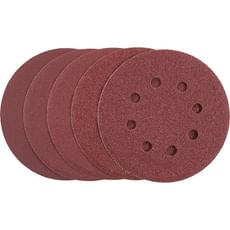
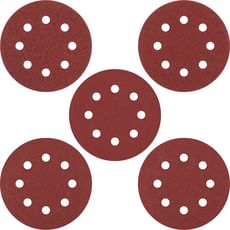
Within the Stanley sanding disc range, several formats prove particularly popular with professionals. Multi-hole designs compatible with dust extraction systems are extensively used, as effective dust removal not only improves visibility and working conditions but also prevents dust from clogging the abrasive surface, thereby extending disc life and maintaining cutting efficiency.
Random orbital sander discs represent a significant portion of Stanley's sanding disc offerings, with 125mm and 150mm diameter options being the most commonly specified sizes. These dimensions correspond to the most popular random orbital sander pad sizes used across the trade, making them universally useful for general sanding applications.
Detail sander discs in triangular and mouse pad configurations cater to those working in confined spaces or requiring access to corners and tight spots. Stanley's attention to producing quality abrasives in these specialised shapes ensures that even intricate work benefits from the same performance standards as their full-size discs.
Assorted grit packs provide excellent value for those requiring multiple grades for complete surface preparation workflows. These multi-pack options from Stanley typically include a selection of coarse, medium, and fine grits, allowing users to progress through the complete sanding process without purchasing individual packets.
Safety and Compliance
When using Stanley sanding discs, adherence to UK Health and Safety Executive (HSE) guidelines is essential. Sanding operations generate dust particles that can present respiratory hazards, particularly when working with certain timber species, MDF, or previously painted surfaces that may contain hazardous materials. Always use appropriate dust extraction equipment and wear suitable respiratory protection conforming to BS EN 149 or BS EN 140 standards.
Eye protection is mandatory when sanding, as airborne particles can cause serious eye injuries. Safety glasses or goggles meeting BS EN 166 standards should be worn at all times during sanding operations. Additionally, hearing protection may be required depending on the power tool being used and the duration of operation, particularly in enclosed workshop environments.
Before use, always inspect sanding discs for damage and ensure they are correctly fitted to the sander pad. Never exceed the maximum RPM rating marked on the disc or specified by the power tool manufacturer. Secure workpieces properly before commencing sanding operations, and maintain firm control of the power tool throughout use. Be particularly cautious when sanding near edges where the tool could snag or become unstable.
Proper storage of sanding discs extends their working life and maintains performance. Store Stanley sanding discs in their original packaging in a cool, dry environment away from direct sunlight and moisture. Exposure to humidity can affect the backing material and adhesive properties, whilst excessive heat may degrade the bond between abrasive grains and backing.
Frequently Asked Questions
What grit sanding disc should I start with for paint removal?
For removing old paint from wood, start with a coarse grit between 60 and 80. This will efficiently strip the paint without excessive effort. Progress through 120 grit for smoothing, then 180-240 grit for final preparation before applying new finishes. Stanley offers comprehensive grit ranges to cover all preparation stages.
Are Stanley sanding discs compatible with other brands of sanders?
Yes, Stanley sanding discs are manufactured to standard dimensions and fitting systems, making them compatible with most popular brands of orbital and random orbital sanders. Hook-and-loop backed discs fit any sander with a corresponding Velcro-style pad, provided the diameter matches. Always check your sander's pad size before purchasing.
How do I know when to replace a Stanley sanding disc?
Replace your sanding disc when you notice reduced cutting performance, requiring increased pressure to achieve results. Visual signs include worn-through areas where the backing is visible, torn edges, or a glazed, shiny appearance indicating the abrasive grains have worn smooth. If dust extraction holes become clogged and cleaning doesn't restore performance, replacement is advisable.
Can Stanley sanding discs be used for wet sanding applications?
Standard Stanley sanding discs are designed for dry sanding applications with power tools. Using them wet can damage the backing material and adhesive. For wet sanding requirements, use specifically designated wet-and-dry abrasive sheets with hand-sanding blocks. Always consult the product specifications before use to ensure suitability for your intended application.
What's the difference between hook-and-loop and adhesive-backed sanding discs?
Hook-and-loop (Velcro-style) sanding discs attach to compatible sander pads and can be quickly removed and replaced, making them ideal for frequent grit changes or when alternating between different tasks. Adhesive-backed discs use pressure-sensitive glue for attachment and are typically single-use. Hook-and-loop varieties offer greater convenience for professional use, whilst adhesive types may suit occasional DIY applications where the same disc remains fitted for extended periods.