

Stanley Sliding Bevels
 Loading...
End of content
Error - No more pages to load
Stanley Sliding Bevels at Tooled-Up.com
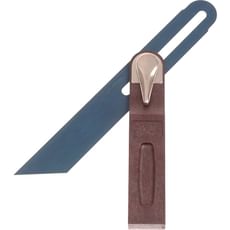
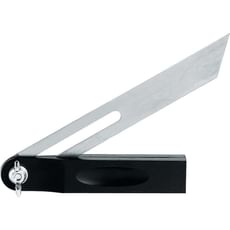
Stanley has been a cornerstone of the hand tool industry for over 180 years, and their sliding bevels exemplify the precision engineering and durability that professionals have come to expect from this legendary brand. A sliding bevel, also known as a bevel gauge or T-bevel, is an indispensable tool for transferring and replicating angles with absolute accuracy, and Stanley's offerings in this category represent some of the finest examples available to UK tradespeople and woodworking enthusiasts.
The Stanley sliding bevel range combines traditional craftsmanship with modern manufacturing standards to deliver tools that perform reliably in demanding workshop and site environments. Whether you're working on complex joinery, setting saw blades to precise angles, or marking out intricate woodworking projects, Stanley sliding bevels provide the accuracy and consistency that professional work demands. Built with hardened steel blades and robust locking mechanisms, these tools are engineered to maintain their calibration even after years of regular use.
Available from Tooled-Up.com, Stanley sliding bevels feature ergonomic wooden or composite handles that provide comfortable grip during extended marking operations, whilst the precision-ground blades ensure clean, accurate angle transfer every time. The robust locking mechanism holds angles securely, preventing drift during marking operations—a critical feature when accuracy can make the difference between a perfect fit and costly rework.
Why Choose Stanley Sliding Bevels?
Stanley's reputation for manufacturing reliable, professional-grade hand tools spans generations, and their sliding bevels continue this tradition of excellence. The brand's commitment to quality control means every sliding bevel undergoes rigorous testing to ensure it meets the exacting standards that professionals require. Unlike cheaper alternatives that may develop play in the pivot mechanism or feature blades that bend under pressure, Stanley sliding bevels are built to maintain their precision throughout years of demanding use.
The durability of Stanley sliding bevels makes them a sound investment for tradespeople who depend on their tools daily. The hardened and tempered steel blades resist wear and corrosion, whilst the brass or steel locking mechanisms provide secure, wobble-free angle retention. Stanley's attention to detail extends to the blade graduations on many models, which remain clearly visible even after extensive use, ensuring you can work quickly and accurately without second-guessing your measurements.
Value for money is another compelling reason to choose Stanley. Whilst positioned at a professional quality level, Stanley sliding bevels offer exceptional value compared to premium boutique brands, making them accessible to both established tradespeople and those just building their tool collection. This combination of reliability, precision, and affordability has made Stanley the go-to choice for generations of British craftspeople.
Who Uses Stanley Sliding Bevels?
Stanley sliding bevels are trusted by a diverse range of professionals and enthusiasts who demand precision in their work:
- Joiners and Carpenters: For transferring angles when cutting compound mitres, creating bespoke joinery, and fitting skirting boards on staircases
- Cabinet Makers: Essential for replicating precise angles in fine furniture construction and ensuring perfect fits in complex assemblies
- Roofers: For calculating and transferring roof pitches and setting saw angles for accurate cuts
- Shop Fitters: When installing custom fixtures that must conform to existing architectural angles
- Staircase Builders: Critical for calculating and marking the complex angles involved in stair construction
- Woodworking Enthusiasts: DIYers tackling projects that require accurate angle duplication and transfer
- Metalworkers and Fabricators: For marking and replicating angles in steel and aluminium work
- Pattern Makers: When precision angle transfer is essential for creating accurate templates
Key Features of Stanley Sliding Bevels
Stanley sliding bevels incorporate several design features that distinguish them from generic alternatives. The hardened steel blades are precision-ground to ensure straight edges that won't flex during marking operations, providing clean, accurate lines every time. The blades are typically finished with a corrosion-resistant coating that protects against rust whilst maintaining a low-friction surface for smooth adjustment.
The locking mechanism represents a critical component of any sliding bevel, and Stanley's designs feature robust brass or steel fittings that provide secure, vibration-resistant locking. The knurled or wing-nut style locks allow for quick adjustment whilst providing sufficient tightening force to prevent any movement once set. This secure locking is essential when transferring angles multiple times or working in environments where the tool might experience bumps or knocks.
Handle design varies across Stanley's range, with traditional models featuring hardwood handles that provide comfortable grip and classic aesthetics, whilst modern versions may incorporate composite materials that offer enhanced durability and resistance to moisture and temperature variations. The handles are ergonomically shaped to sit comfortably in the hand during extended marking sessions, reducing fatigue on longer jobs.
Many Stanley sliding bevels feature etched or stamped graduations on the blade, allowing quick angle setting without requiring a separate protractor. The pivot point is precisely engineered to minimise play whilst allowing smooth adjustment, and the overall construction ensures the tool remains flat and true, preventing the introduction of errors caused by warped or twisted components.
Popular Stanley Sliding Bevels
The Tooled-Up Stanley range includes various sizes and configurations to suit different applications and user preferences. The classic 9-inch sliding bevel represents the most popular size, offering versatility for the majority of workshop and site tasks whilst remaining compact enough for convenient storage in a tool bag. This size provides sufficient blade length for most marking operations without becoming unwieldy in confined spaces.
Smaller 6-inch models are favoured by cabinetmakers and fine woodworkers who work with smaller components and require a more compact tool that won't interfere with workpiece positioning. These shorter bevels are particularly useful when working on intricate joinery or in tight spaces where a longer blade would prove impractical.
For larger-scale work, 12-inch sliding bevels provide extended reach when transferring angles across wider boards or when working on architectural millwork. The longer blade length makes these models ideal for staircase builders and timber framers who regularly work with large dimensional timber.
Stanley also produces combination square and bevel sets that provide multiple layout tools in one convenient package, offering excellent value for those building a complete marking and measuring toolkit. These sets typically include interchangeable heads that transform a single rule into multiple specialised tools.
Safety and Compliance
Whilst sliding bevels are relatively simple hand tools without the hazards associated with powered equipment, proper use and maintenance remain important for safe operation. Always ensure the blade is securely locked before using the tool for marking operations, as an unlocked blade can shift unexpectedly, leading to inaccurate work and potential for the sharp blade edge to cause injury.
Store Stanley sliding bevels in a protective case or dedicated tool drawer to prevent damage to the blade edge and protect users from accidental contact with the sharp tip. Regularly inspect the locking mechanism to ensure it continues to provide secure hold—any looseness or excessive play should be addressed before continuing to use the tool.
Keep the blade clean and lightly oiled to prevent corrosion, particularly in damp workshop environments. A rusty blade not only leaves marks on workpieces but may also develop rough spots that catch on material during marking operations. When using sliding bevels for metalworking applications, be aware that metal swarf can accumulate around the pivot mechanism, so regular cleaning is essential to maintain smooth operation.
Stanley sliding bevels conform to general hand tool standards and represent minimal risk when used appropriately. However, the blade tip and edges are sharp, so handle with care and keep tools away from unsupervised children. When working on site, ensure tools are stored securely when not in use to prevent trips and falls.
Frequently Asked Questions
What sizes of Stanley sliding bevels are available at Tooled-Up?
Stanley sliding bevels are typically available in 6-inch, 9-inch, and 12-inch blade lengths. The 9-inch model represents the most versatile size for general carpentry and joinery work, whilst smaller 6-inch versions suit fine woodworking and cabinetmaking. Larger 12-inch models are preferred for architectural millwork and timber framing applications where extended reach is beneficial.
How do I maintain my Stanley sliding bevel for long-term accuracy?
Keep the blade clean and apply a light coating of oil to prevent corrosion. Regularly check the pivot mechanism for tightness and ensure the locking mechanism continues to provide secure hold without excessive force. Store the tool in a dry environment and protect the blade edge from impacts that could cause nicks or bends. Periodically verify accuracy against a known square or protractor.
Can Stanley sliding bevels be used for metalworking as well as woodworking?
Yes, Stanley sliding bevels are suitable for marking both wood and metal. The hardened steel blade is robust enough to scribe layout lines on aluminium, mild steel, and other common metals. However, clean the tool regularly when used for metalworking, as metal particles can accumulate around the pivot mechanism and affect smooth adjustment.
What's the difference between a sliding bevel and a combination square?
A sliding bevel specialises in transferring and replicating any angle, whilst a combination square is typically fixed at 90 and 45 degrees. Sliding bevels excel at copying existing angles and setting tools to match specific pitches, making them essential for irregular angles that a combination square cannot accommodate. Many tradespeople carry both tools as they serve complementary purposes.
Are Stanley sliding bevels suitable for professional daily use?
Absolutely. Stanley sliding bevels are designed and manufactured to professional standards, with robust construction that withstands the rigours of daily site and workshop use. The brand's reputation has been built on producing reliable tools that professionals depend on for accurate work, and their sliding bevels continue this tradition with precision-ground blades, secure locking mechanisms, and durable materials that maintain accuracy over years of regular use.