

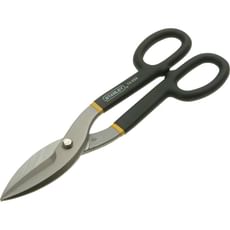
Stanley Tinsnips
 Loading...
Stanley Tinsnips at Tooled-Up.com
Stanley has been a trusted name in hand tools for over 175 years, and their tinsnips exemplify the brand's commitment to durability, precision, and professional-grade performance. Designed for cutting sheet metal, ductwork, and other thin gauge materials, Stanley tinsnips combine forged steel construction with ergonomic handles to deliver clean, accurate cuts in even the most demanding applications. Whether you're a professional roofer, HVAC installer, or metalworker, Stanley's tinsnips offer the reliability and cutting power needed for precise metalwork.
The Stanley tinsnips range available from Tooled-Up.com includes aviation snips, straight-cut tinsnips, and compound action models designed to reduce hand fatigue during extended use. Each tool features hardened steel blades that maintain their sharp edge even after thousands of cuts, whilst the handles are engineered with comfort grips to reduce strain during repetitive cutting tasks. Stanley's attention to detail in the manufacturing process ensures every pair of tinsnips meets the exacting standards that tradespeople have come to expect from this iconic brand.
From basic straight-cutting models ideal for general sheet metal work to specialised aviation snips for cutting tight curves and complex patterns, Stanley provides tinsnips to suit every metalworking requirement. The brand's commitment to innovation means their tinsnips incorporate features like colour-coded handles for easy identification, serrated blades for improved grip on slippery materials, and locking mechanisms for safe storage and transport on site.
Why Choose Stanley Tinsnips?
Stanley's reputation in the hand tool industry is built on decades of consistent quality and innovation. Their tinsnips are manufactured to withstand the rigours of daily professional use, with forged steel construction that resists bending and warping even under heavy cutting pressure. The brand's commitment to quality control means every pair of tinsnips undergoes rigorous testing before leaving the factory, ensuring they meet Stanley's exacting standards for cutting performance and durability.
One of the key advantages of choosing Stanley tinsnips is their blade geometry, which is precisely engineered to deliver clean cuts with minimal distortion to the material. This is particularly important when working with aluminium, stainless steel, or coated sheet metal where rough edges or material deformation can compromise the finished work. Stanley's heat-treated blades maintain their sharp edge significantly longer than cheaper alternatives, reducing the need for frequent replacement and providing better value over the tool's lifetime.
The ergonomic design of Stanley tinsnips sets them apart from many competitors. Extended cutting sessions can cause significant hand fatigue and strain, but Stanley addresses this through carefully contoured handles with soft-grip zones positioned exactly where pressure is applied. This attention to user comfort doesn't just improve the working experience—it also enhances safety by giving users better control over the cutting action and reducing the risk of slips or miscuts.
Who Uses Stanley Tinsnips?
- Roofers and Cladding Specialists: For cutting and shaping flashing, trim, and roofing materials
- HVAC Engineers: Essential for ductwork fabrication and installation
- Sheet Metal Workers: Daily use in metal fabrication shops and on-site installations
- Plumbers: Cutting metal strapping, clips, and thin gauge materials
- Automotive Body Technicians: Trimming and shaping sheet metal during repairs
- Electricians: Cutting cable tray, conduit accessories, and metal backboxes
- General Builders: For various metalwork tasks during construction projects
- DIY Enthusiasts: Home improvement projects involving sheet metal, guttering, or ductwork
- Maintenance Engineers: Facility maintenance requiring metal cutting and trimming
Key Features of Stanley Tinsnips
Forged Steel Construction: Stanley tinsnips feature blades forged from high-carbon steel, providing exceptional strength and resistance to bending. This manufacturing process creates a denser, more durable cutting edge compared to stamped alternatives.
Heat-Treated Blades: The cutting edges undergo precise heat treatment to achieve optimal hardness, ensuring they stay sharper for longer and can cut through tough materials without dulling prematurely.
Ergonomic Handle Design: Contoured handles with cushioned grips reduce hand fatigue and provide excellent control, even when wearing work gloves. The handle geometry is designed to maximise leverage whilst minimising the effort required for each cut.
Colour-Coded Identification: Aviation-style snips feature colour-coded handles (typically green for right-cutting, red for left-cutting, and yellow for straight-cutting) allowing quick identification in a busy toolbox or on site.
Serrated Blade Options: Many Stanley tinsnips incorporate serrated lower blades that grip the material during cutting, preventing slippage and ensuring cleaner, more accurate cuts.
Locking Mechanisms: Integrated latch systems secure the blades closed during transport and storage, protecting both the cutting edges and the user from accidental injury.
Compound Leverage Systems: Selected models feature compound action mechanisms that multiply cutting force, enabling users to cut through thicker gauge materials with less hand pressure.
Popular Stanley Tinsnips
Stanley Aviation Snips: The most versatile option in the range, aviation snips from Stanley are available in left-cutting, right-cutting, and straight-cutting configurations. These tinsnips excel at cutting curves and complex patterns in sheet metal up to 1.2mm thickness, making them indispensable for ductwork and precision metalwork.
Stanley Straight-Cut Tinsnips: Ideal for making long, straight cuts in sheet metal, flashing, and other materials. These traditional-style tinsnips offer excellent leverage and are particularly useful for cutting along marked lines or trimming material to size.
Stanley Compound Action Tinsnips: Featuring advanced leverage systems, these tinsnips can cut through thicker gauge materials with up to 40% less effort than standard models. Perfect for heavy-duty applications where repeated cuts through tough materials would otherwise cause significant hand fatigue.
Stanley Offset Tinsnips: Designed with angled blades that keep hands clear of the work surface, offset tinsnips are particularly useful when making cuts on flat surfaces or in confined spaces where hand clearance is limited.
Safety and Compliance
Stanley manufactures its tinsnips to meet relevant European and UK safety standards, ensuring they're suitable for professional use in compliance with Health and Safety Executive (HSE) guidelines. Users should always wear appropriate personal protective equipment when using tinsnips, including safety gloves to protect against sharp edges and safety glasses to shield eyes from metal fragments and sharp offcuts.
Proper technique is essential for safe tinsnip operation. Always cut away from your body and keep fingers clear of the cutting path. Maintain blades in good condition—dull or damaged blades require more force to cut and increase the risk of slips or loss of control. When not in use, engage the locking mechanism to prevent accidental opening and store tinsnips with blade guards where possible.
Regular maintenance extends the life of Stanley tinsnips and maintains safe operation. Keep the pivot point lightly oiled to ensure smooth action, and periodically clean blades to remove accumulated residue from cutting coated materials. Inspect handles for damage or wear, as compromised grips can lead to reduced control during use.
Frequently Asked Questions
What gauge of metal can Stanley tinsnips cut?
Stanley tinsnips are typically rated for cutting cold-rolled steel up to 1.2mm (18 gauge) and stainless steel up to 0.7mm (23 gauge). Aviation snips work best on thinner materials, whilst compound action models can handle thicker gauges. Always check the specific tool's rating, as capacity varies by model.
What's the difference between left, right, and straight-cutting Stanley aviation snips?
The colour-coded handles indicate cutting direction: green handles cut curves to the right, red handles cut curves to the left, and yellow handles make straight cuts. This design allows the waste material to curl away from the cutting line, providing better visibility and cleaner cuts when following curved patterns.
How do I maintain my Stanley tinsnips?
Keep the pivot point lightly lubricated with machine oil, wipe blades clean after use (especially when cutting coated materials), and store in a dry environment with the locking mechanism engaged. Avoid using tinsnips to cut hardened materials like nails or screws, as this can damage the cutting edges. If blades become dull, they can often be resharpened by a professional tool sharpening service.
Can Stanley tinsnips cut materials other than metal?
Whilst primarily designed for sheet metal, Stanley tinsnips can cut various materials including vinyl siding, plastic sheeting, leather, and heavy cardboard. However, using them on abrasive materials or substances that leave sticky residue may dull the blades more quickly than cutting clean sheet metal.
Are Stanley tinsnips suitable for cutting stainless steel?
Yes, Stanley tinsnips can cut stainless steel, though the maximum thickness is typically less than for mild steel—usually around 0.7mm (23 gauge). For frequent stainless steel cutting, consider compound action models which provide extra cutting force and reduce hand fatigue when working with harder materials.