

Stanley Vacuums & Dust Extractors
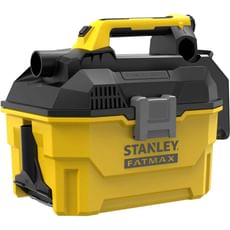
Stanley Fatmax V20 SFMCV002 18v Cordless Wet and Dry Vacuum Cleaner 7.5L
in stock
 Loading...
End of content
Error - No more pages to load
Stanley Vacuums & Dust Extractors at Tooled-Up.com
Stanley has built a formidable reputation in the power tool and equipment industry, and their range of vacuums and dust extractors exemplifies the brand's commitment to practical, robust solutions for professional tradespeople and serious DIY enthusiasts. Known for combining durability with user-friendly design, Stanley's dust extraction equipment is engineered to handle the demanding conditions found on construction sites, workshops, and renovation projects across the UK.
The Stanley vacuum and dust extractor collection focuses on delivering reliable performance where it matters most – keeping work environments clean, safe, and compliant with HSE regulations. Whether you're managing fine plaster dust, wood shavings, or construction debris, Stanley's extraction equipment is designed to capture harmful particles at source, protecting both the operator and maintaining cleaner job sites. Tooled-Up.com stocks Stanley's dust extraction solutions to meet the needs of professionals who require dependable equipment that won't let them down mid-project.
Why Choose Stanley Vacuums & Dust Extractors?
Stanley's approach to dust extraction combines decades of tool-making heritage with practical innovation. Their vacuums are built with real-world applications in mind, featuring robust construction that stands up to the knocks and bumps of daily site work. The brand understands that tradespeople need equipment that's ready to work as hard as they do, which is why Stanley dust extractors are engineered for longevity and consistent performance.
One of Stanley's key strengths lies in their understanding of portability and convenience. Many of their vacuum solutions feature compact designs and integrated storage for accessories, making them ideal for mobile tradespeople who move between job sites. The reliability of Stanley products means less downtime and fewer frustrations, whilst their competitive pricing delivers professional-grade extraction without breaking the budget.
Stanley dust extractors typically incorporate high-efficiency filtration systems to capture fine dust particles, helping tradespeople comply with COSHH regulations and maintain healthier working conditions. The brand's commitment to practical features – such as easy-empty containers, robust wheels, and 240v compatibility with standard UK outlets – demonstrates their focus on real-world usability rather than unnecessary complexity.
Who Uses Stanley Vacuums & Dust Extractors?
- Carpenters and joiners managing sawdust and wood waste from cutting and sanding operations
- Plasterers and drywalling specialists controlling fine plaster dust during finishing work
- Builders and general contractors maintaining clean sites and managing mixed construction debris
- Decorators preparing surfaces and cleaning between preparation and painting stages
- Floor fitters extracting dust from sanding and cutting operations
- Maintenance teams keeping commercial and industrial facilities clean and safe
- Workshop owners maintaining dust-free environments for precision work
- DIY enthusiasts undertaking home renovation projects requiring professional dust control
Key Features of Stanley Vacuums & Dust Extractors
Stanley dust extraction equipment incorporates several practical features that make them suitable for demanding trade applications. Robust housing protects internal components from site impacts, whilst high-capacity collection containers reduce the frequency of emptying – particularly valuable during extended work sessions or larger projects.
Many Stanley vacuums feature multi-stage filtration systems designed to capture both coarse debris and fine dust particles, protecting motor longevity whilst improving air quality in enclosed work spaces. The inclusion of various nozzle attachments and extension wands allows operators to adapt their extraction setup for different applications, from floor cleaning to power tool dust collection.
Portability features such as integrated wheels and carrying handles reflect Stanley's understanding of mobile tradespeople's needs. Cable management systems and on-board storage for accessories help maintain organisation, whilst 240v operation ensures compatibility with standard UK site power without requiring transformers or adaptors. Several models incorporate auto-start functionality compatible with power tools, providing hands-free dust extraction during cutting and sanding operations.
Popular Stanley Vacuums & Dust Extractors
The Stanley vacuum range at Tooled-Up encompasses various capacity and power options to suit different applications and workshop sizes. Wet and dry vacuum models offer versatility for sites where liquid spillages and dust extraction are both required, eliminating the need for separate equipment.
Compact workshop vacuums provide powerful extraction in space-conscious environments, ideal for smaller workshops or mobile van setups. These models typically balance portability with adequate collection capacity for day-to-day operations. For more demanding applications, higher-capacity models deliver extended runtime between emptying, particularly valuable on larger construction sites or during renovation projects generating substantial dust volumes.
Stanley's dust extractor solutions often feature tool-triggered operation, allowing direct connection to power tools for synchronised extraction during cutting, sanding, or drilling operations – essential for maintaining HSE-compliant working practices when using equipment that generates hazardous dust.
Safety and Compliance
Using appropriate dust extraction equipment is not just good practice – it's often a legal requirement under COSHH regulations, particularly when working with materials that generate hazardous dust such as silica, hardwood, or MDF. Stanley vacuums help tradespeople maintain compliant working practices by capturing harmful particles at source, reducing airborne dust concentrations below HSE exposure limits.
When using Stanley dust extractors, always ensure filters are correctly fitted and maintained according to manufacturer guidelines to maintain extraction efficiency. Regular emptying of collection containers prevents reduced suction performance and potential motor strain. For wet extraction applications, ensure the vacuum is configured appropriately and never use foam or paper filters when collecting liquids.
All electrical connections should be inspected regularly, and Stanley vacuums should be PAT tested in accordance with workplace electrical safety requirements. When connecting power tools to dust extractors via auto-start sockets, verify that combined electrical loads remain within safe limits for your site power supply.
Frequently Asked Questions
Are Stanley dust extractors suitable for use with power tools?
Yes, many Stanley vacuum models feature hose connections compatible with standard power tool extraction ports, and some include auto-start functionality that activates the vacuum when your connected power tool is switched on. This provides convenient hands-free dust extraction during cutting, sanding, and drilling operations.
Can Stanley vacuums handle both wet and dry materials?
Several Stanley models are designed as wet and dry vacuums, offering versatility for sites where both liquid spillages and dust extraction are required. Always ensure you've fitted the appropriate filter type for your application – removing foam filters when collecting liquids and refitting them for dry dust extraction.
What capacity Stanley vacuum do I need for site work?
Capacity requirements depend on your typical project duration and dust generation levels. For mobile work and smaller jobs, compact models with 15-20 litre capacities offer good portability. Larger workshop applications or extended site work benefits from 30-litre plus capacities, reducing emptying frequency during intensive dust-generating operations.
Do Stanley dust extractors comply with UK health and safety regulations?
Stanley vacuums are designed to help tradespeople maintain COSHH-compliant working practices by capturing hazardous dust at source. When fitted with appropriate filtration and used correctly, they effectively reduce airborne dust concentrations. Always ensure your extraction equipment is suitable for your specific materials and applications.
How often should I replace filters in my Stanley vacuum?
Filter replacement frequency depends on usage intensity and the types of materials being extracted. Inspect filters regularly for damage or excessive clogging, and clean or replace them when you notice reduced suction performance. Fine dust applications typically require more frequent filter maintenance than coarse debris collection to maintain optimal extraction efficiency.