

Stanley Wood Drill Bits
 Loading...
End of content
Error - No more pages to load
Stanley Wood Drill Bits at Tooled-Up.com
Stanley has been a trusted name in hand tools and accessories for over 175 years, and their wood drill bits continue this legacy of quality and reliability. The Stanley wood drill bit range available from Tooled-Up.com represents the perfect blend of traditional craftsmanship and modern manufacturing precision, designed to meet the demanding requirements of both professional tradespeople and serious DIY enthusiasts. Whether you're drilling pilot holes for cabinet hinges, creating clean bore holes for dowels, or tackling general carpentry tasks, Stanley wood drill bits deliver consistent performance across softwoods, hardwoods, and engineered wood products.
Stanley's commitment to producing drill bits that stay sharper for longer means reduced downtime on the job and improved productivity. Their wood drill bits feature precision-ground cutting edges and carefully engineered flute designs that efficiently clear waste material, preventing binding and overheating. Each bit is manufactured to exacting tolerances, ensuring true running and accurate hole placement every time. The Tooled-Up Stanley range includes various tip styles and shank configurations to suit different drilling applications and power tool chuck types.
Why Choose Stanley Wood Drill Bits?
Stanley's reputation for producing reliable, hardworking tools extends firmly into their drill bit range. These bits are engineered to withstand the rigours of daily professional use whilst remaining accessible and effective for home workshop applications. The brand's focus on producing tools that "work as hard as you do" is evident in the heat-treated steel construction and quality control standards applied to every Stanley wood drill bit.
One of the key advantages of choosing Stanley is their understanding of real-world drilling challenges. Their bits feature Brad point and spur designs that prevent walking on wood surfaces, ensuring accurate hole positioning without the need for centre punching. The precision-ground cutting edges maintain their sharpness through extended use, whilst the optimised flute geometry allows for faster drilling speeds with less effort and reduced motor strain. Stanley wood drill bits also offer excellent value for money, providing professional-grade performance without the premium price tag associated with some specialist brands.
The brand's heritage in the construction and woodworking industries means that Stanley understands the importance of consistency. When you purchase Stanley wood drill bits from Tooled-Up, you're investing in tools that deliver predictable results, project after project. This reliability is crucial for professional tradespeople who cannot afford tool failures or substandard performance when working to tight deadlines.
Who Uses Stanley Wood Drill Bits?
- Carpenters and Joiners: Professional woodworkers who require dependable drill bits for furniture making, structural carpentry, and fine joinery work
- Cabinet Makers: Specialists who need precision drilling for hinge recesses, shelf pins, and dowel joints
- Shop Fitters: Tradespeople installing retail fixtures, shelving systems, and display units
- Shopfitters and Installers: Professionals fitting kitchens, bedrooms, and bespoke storage solutions
- General Builders: Multi-trade contractors who need versatile drill bits for timber frame construction, floor joists, and general site work
- Property Maintenance Teams: Workers carrying out repairs, renovations, and installations across residential and commercial properties
- DIY Enthusiasts: Home improvers tackling decking projects, fence repairs, shed construction, and workshop projects
- Furniture Restorers: Craftspeople who require clean, precise holes without damaging valuable timber
Key Features of Stanley Wood Drill Bits
Stanley wood drill bits incorporate several distinctive features that enhance their performance and durability. The precision-ground Brad point tip design provides superior positioning accuracy, with sharp cutting spurs that score the wood fibres cleanly before the main cutting edges engage. This results in cleaner entry holes with minimal splintering or tear-out, particularly important when drilling visible surfaces or working with veneered materials.
The optimised spiral flute design efficiently evacuates wood chips and sawdust from the cutting zone, reducing friction and heat build-up. This keeps the bit cooler during operation, extending its working life and maintaining cutting edge sharpness. Stanley employs high-quality carbon steel or chrome vanadium steel in their wood drill bit construction, selected for its excellent balance of hardness and toughness. Heat treatment processes further enhance the durability and wear resistance of the cutting edges.
Many Stanley wood drill bits feature reduced shank designs on larger diameter bits, allowing them to fit standard 10mm and 13mm drill chucks whilst providing the boring capacity of much larger bits. The shanks are precisely machined to minimise runout and vibration, ensuring smooth operation and accurate hole placement. Clear size markings on each bit enable quick identification, whilst the consistent gold or black oxide finish provides some corrosion resistance for extended storage life.
Popular Stanley Wood Drill Bits
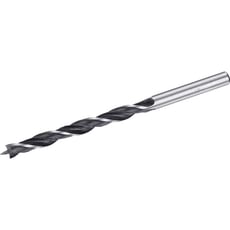
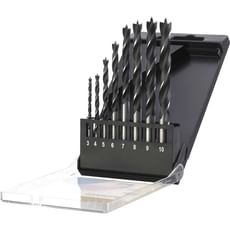
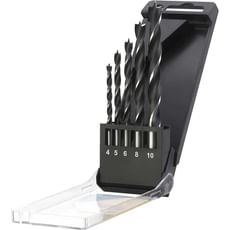
The Stanley wood drill bit range encompasses various sizes and types to suit different woodworking applications. Brad point drill bits are among the most popular choices, available in sizes ranging from 3mm up to 16mm or larger. These bits excel at drilling clean, accurate holes for dowels, shelf supports, and general joinery work. Their sharp centre point and twin cutting spurs make them ideal for both softwoods and hardwoods.
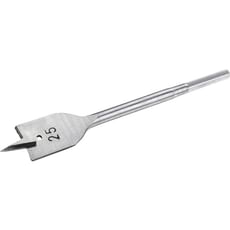
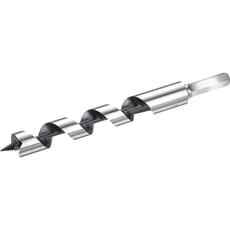
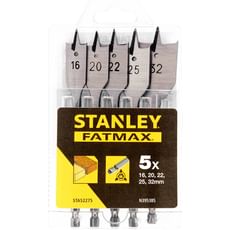
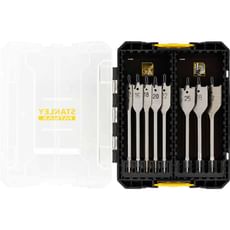
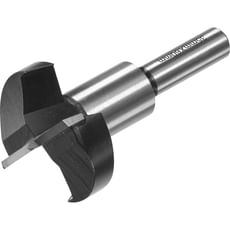
Stanley also produces flat wood bits, sometimes called spade bits, which are essential for drilling larger diameter holes quickly, such as those required for electrical cable routing, plumbing pipe clearance, or lock installations. These bits typically range from 16mm to 38mm and feature a sharp centre point with wide, flat cutting edges. For specialist applications, Stanley offers auger bits with aggressive threading and deep flutes for drilling deep holes in structural timber, and Forstner-style bits for creating flat-bottomed holes in cabinetmaking applications.
Safety and Compliance
When using Stanley wood drill bits, adherence to Health and Safety Executive (HSE) guidelines is essential. Always ensure drill bits are properly secured in the chuck with sufficient grip across the shank length. Wear appropriate personal protective equipment including safety glasses or goggles to protect against flying wood chips and debris. Dust masks or respirators should be worn when drilling produces fine wood dust, particularly when working with treated timbers or engineered wood products containing formaldehyde-based resins.
Ensure workpieces are properly secured using clamps or vices before drilling to prevent movement or spinning. Never attempt to hold small pieces by hand whilst drilling. When using power drills, check that the tool is suitable for the bit size and application – consult the drill manufacturer's specifications for maximum bit diameter recommendations. Regularly inspect Stanley drill bits for damage, excessive wear, or blunting, and replace or resharpen as necessary. Blunt bits require excessive pressure and are more likely to bind, overheat, or cause the drill to snatch.
Store drill bits in a proper case or holder to protect cutting edges from damage and prevent injury when reaching into toolboxes. When drilling overhead or in confined spaces, take extra precautions to maintain secure footing and stable positioning. Always disconnect power tools from the mains electricity supply before changing bits or making adjustments.
Frequently Asked Questions
What's the difference between Stanley wood drill bits and standard twist drills?
Stanley wood drill bits feature Brad points and cutting spurs specifically designed for timber, providing cleaner holes with less tear-out compared to standard metal-cutting twist drills. The flute geometry is optimised for wood chip evacuation rather than metal swarf, and the cutting angles are tailored for wood fibres. Whilst twist drills can be used on wood in a pinch, dedicated wood bits from Stanley deliver superior results, especially on visible surfaces.
Can Stanley wood drill bits be sharpened when they become dull?
Yes, Stanley wood drill bits can be sharpened using a fine file or grinding wheel, though care must be taken to maintain the correct cutting angles and spur geometry. The Brad point should remain centred and proud of the cutting spurs, whilst the spurs themselves should be sharp and at equal heights. For best results, many professionals prefer to have larger, more expensive bits professionally sharpened, whilst replacing smaller diameter bits when they become noticeably dull.
What drill speed should I use with Stanley wood drill bits?
Drill speed depends on bit diameter and wood hardness. Smaller diameter bits (3-6mm) can run at higher speeds (2000-3000 RPM), whilst larger bits (16mm+) require slower speeds (500-1000 RPM) to prevent overheating and premature wear. Hardwoods generally require slower speeds than softwoods. Most cordless drills provide adequate speed control through trigger pressure, but for precision work or larger bits, a drill with variable speed settings offers better control.
Are Stanley wood drill bits suitable for drilling engineered wood products like MDF or plywood?
Yes, Stanley wood drill bits perform well on engineered wood products including MDF, plywood, chipboard, and OSB. However, these materials tend to be more abrasive than natural timber due to their adhesive content and can dull bits more quickly. When drilling MDF, be aware that it produces very fine dust that requires appropriate respiratory protection. For plywood, drilling from the face side minimises tear-out on the back, or use a backing board to support the exit point.
How do I prevent splitting when drilling near the edge of timber with Stanley wood drill bits?
To minimise splitting risk, drill pilot holes using a smaller diameter bit first, particularly when working near edges or ends of boards. Ensure your Stanley wood drill bit is sharp – blunt bits require more pressure and are more likely to cause splitting. Reduce drill speed and apply steady, controlled pressure rather than forcing the bit through. For critical work near edges, consider clamping a sacrificial backing piece behind the workpiece, or drill from both sides to meet in the middle.