

Tajima Saws
 Loading...
End of content
Error - No more pages to load
Tajima Saws at Tooled-Up.com
Tajima has earned an outstanding reputation among professional tradespeople for delivering exceptional cutting tools that combine traditional Japanese craftsmanship with modern innovation. The Tajima Saws collection represents decades of expertise in blade manufacturing, offering hand saws that deliver unmatched precision, durability and cutting performance across a wide range of applications. From the building site to the workshop, Tajima saws are engineered to meet the exacting standards that professionals demand.
Recognised globally for their innovative approach to saw design, Tajima focuses on creating tools that enhance user efficiency and comfort without compromising on cutting accuracy. Their saws feature specially hardened teeth, ergonomic handles, and innovative blade geometries that reduce cutting effort whilst delivering clean, precise cuts through timber, plasterboard, and composite materials. Tooled-Up.com stocks a comprehensive selection of Tajima saws, ensuring tradespeople and serious DIY enthusiasts have access to these premium Japanese cutting tools.
Whether you're a carpenter requiring razor-sharp crosscuts, a joiner working with fine hardwoods, or a general builder needing reliable all-purpose cutting performance, the Tajima saw range delivers professional-grade results that stand up to the rigours of daily site work and demanding workshop applications.
Why Choose Tajima Saws?
Tajima's reputation for quality stems from their meticulous approach to blade manufacturing and heat treatment processes. Each saw blade undergoes precise impulse hardening, creating teeth that maintain their sharpness significantly longer than conventional saws. This advanced hardening technique results in blades that can cut through thousands of linear metres before requiring replacement, delivering exceptional value over the tool's lifetime.
The ergonomic design philosophy that underpins every Tajima saw ensures reduced user fatigue during extended cutting sessions. Their handles feature carefully contoured grips with anti-slip surfaces, allowing for secure control and comfortable handling even when working in challenging conditions. The blade geometry is optimised to reduce binding and kickback, making each cut smoother and more predictable.
Japanese steel manufacturing traditions combine with contemporary engineering to create saws that professionals can depend on. Tajima's commitment to continuous improvement means their saws incorporate feedback from tradespeople worldwide, resulting in tools that genuinely address real-world cutting challenges faced on building sites and in workshops across the UK.
Who Uses Tajima Saws?
- Carpenters and joiners who require precise cuts in both softwoods and hardwoods
- Shop fitters working with various materials including timber, plasterboard and composite panels
- General builders needing reliable hand saws for site work and first fix applications
- Cabinet makers demanding exceptional accuracy for fine woodworking projects
- Maintenance engineers requiring versatile cutting tools for repair and installation work
- Dry liners who need clean, fast cuts through plasterboard materials
- Renovation specialists working across diverse materials and applications
- DIY enthusiasts who appreciate professional-quality tools for home improvement projects
Key Features of Tajima Saws
Impulse-Hardened Teeth: Tajima's proprietary hardening process creates exceptionally durable cutting edges that maintain sharpness through extended use, reducing the frequency of blade replacement and ensuring consistent cutting performance.
Ergonomic Handle Design: Contoured grips with textured surfaces provide secure handling and reduce hand fatigue during prolonged cutting sessions, whilst the balanced weight distribution ensures natural, controlled cutting motion.
Precision-Ground Blades: Each blade is ground to exacting tolerances, ensuring straight cuts with minimal deviation. The optimised tooth geometry reduces cutting resistance whilst maintaining aggressive material removal rates.
Rust-Resistant Coatings: Many Tajima saws feature protective coatings that resist corrosion and reduce friction during cutting, extending blade life and maintaining smooth cutting action even in damp site conditions.
Replaceable Blade Systems: Selected Tajima models feature quick-change blade mechanisms, allowing tradespeople to swap between different blade types rapidly without tools, enhancing versatility and minimising downtime.
Popular Tajima Saws
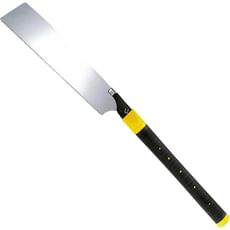
The Tajima range available from Tooled-Up encompasses several specialised saw types designed for specific cutting applications. Their Japanese-style pull saws deliver incredibly fine, precise cuts with minimal effort, making them ideal for finish carpentry and joinery work where accuracy is paramount.
Tajima folding saws combine portability with professional performance, featuring lockable blades that fold safely into protective handles for convenient storage in tool belts and bags. These versatile saws are particularly popular with tradespeople working across multiple sites who value compact, reliable cutting tools.
The Tajima plasterboard saws feature aggressive tooth patterns specifically engineered for rapid cutting through gypsum materials, whilst the reinforced blade tips prevent damage when accidentally striking studs or fixings. For general carpentry applications, Tajima's universal hand saws offer balanced performance across softwoods, hardwoods and manufactured boards.
Safety and Compliance
When using Tajima saws, always ensure blades are sharp and undamaged, as dull or damaged teeth require excessive force and increase the risk of slipping. Wear appropriate personal protective equipment including safety glasses to protect against flying debris, and consider gloves when handling new blades with sharp teeth.
Store saws with blade guards or protective sheaths fitted to prevent accidental contact with sharp edges. When cutting, secure workpieces firmly and keep hands clear of the cutting line. Replace worn or damaged blades promptly to maintain safe, efficient cutting performance.
Tajima saws are designed to comply with relevant UK and European safety standards. Always follow the manufacturer's instructions regarding proper use, maintenance and blade replacement to ensure safe operation and optimal performance throughout the tool's service life.
Frequently Asked Questions
How long do Tajima saw blades typically last?
Tajima's impulse-hardened teeth provide exceptional longevity compared to standard saws. Depending on usage intensity and materials cut, professional users typically achieve several months of daily use before replacement is necessary. The blades maintain cutting efficiency far longer than conventional hardened teeth, making them cost-effective despite their premium initial price.
Can Tajima saw blades be sharpened?
Due to the specialised impulse hardening process and precise tooth geometry, Tajima saw blades are designed as replacement items rather than sharpenable tools. Attempting to sharpen the teeth would compromise the hardening and alter the optimised cutting geometry, reducing performance below that of a genuine replacement blade.
What's the difference between Japanese pull saws and traditional Western saws?
Japanese pull saws cut on the pull stroke rather than the push stroke, allowing for thinner blades that create narrower kerfs with less material waste. This design typically requires less effort and provides greater control, particularly for precision work. Tajima's pull saws are especially popular for fine carpentry and joinery applications.
Are Tajima saws suitable for cutting materials other than wood?
Whilst primarily designed for timber applications, certain Tajima saws excel at cutting plasterboard, laminated materials and some plastics. However, always select the appropriate blade type for your specific material. Using wood-cutting blades on inappropriate materials will rapidly dull the teeth and may damage the blade.
How do I maintain my Tajima saw for optimal performance?
Keep blades clean and free from resin buildup by wiping with a dry cloth after use. Store saws in dry conditions with blade guards fitted to protect the teeth. Avoid dropping or impacting the blade against hard surfaces, which can damage the precision-ground teeth. Regular inspection for damaged or bent teeth ensures safe, efficient cutting performance.