

Wera Taps
 Loading...
End of content
Error - No more pages to load
Wera Taps at Tooled-Up.com
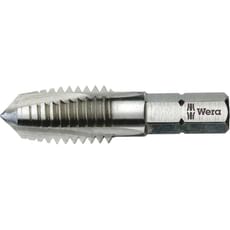
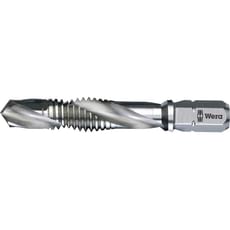
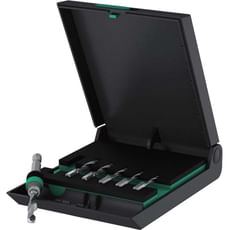
Wera has built an exceptional reputation for producing precision-engineered hand tools, and their taps are no exception to this standard of excellence. Known throughout the engineering and machining industries for their innovative approach to traditional tools, Wera brings German precision engineering to the essential task of thread cutting. The Wera taps available at Tooled-Up.com represent a carefully curated selection designed to meet the exacting standards of professional engineers, machinists, and precision metalworkers across the UK.
What distinguishes Wera taps from conventional alternatives is their commitment to combining traditional metallurgical expertise with modern manufacturing techniques. Each tap is produced using high-grade tool steel and subjected to rigorous quality control processes that ensure consistent performance across demanding applications. Whether you're cutting threads in mild steel, stainless steel, aluminium, or other materials, Wera taps deliver the reliability and precision that professional tradespeople depend upon for critical threading operations.
The engineering philosophy behind Wera taps emphasises longevity, accuracy, and user safety. Tooled-Up stocks Wera taps that feature precisely ground flutes, optimal rake angles, and surface treatments that reduce friction and improve chip evacuation. This attention to detail translates directly into cleaner threads, reduced tool wear, and fewer instances of tap breakage – a frustration that any experienced machinist will appreciate avoiding.
Why Choose Wera Taps?
Wera's reputation in the hand tool industry is built on innovation, quality, and an unwavering commitment to meeting the real-world needs of professionals. Their taps exemplify these principles through superior material selection and manufacturing precision. Unlike mass-produced alternatives, Wera taps undergo stringent quality assurance testing to ensure each tap meets exacting tolerances before reaching the customer.
The metallurgy behind Wera taps is particularly noteworthy. Using premium-grade high-speed steel (HSS) and employing advanced heat treatment processes, Wera creates taps with exceptional hardness and wear resistance whilst maintaining the toughness needed to withstand the stresses of thread cutting. This balance between hardness and toughness is critical – a tap that's too hard becomes brittle and prone to snapping, whilst one that's too soft will dull quickly and produce inferior threads.
Wera's commitment to innovation extends to their surface treatments and coatings. Many Wera taps feature specialised finishes that reduce friction during cutting, improve chip flow, and extend tool life significantly compared to uncoated alternatives. These coatings also provide corrosion resistance, ensuring your taps remain in optimal condition even when stored in workshop environments where moisture may be present.
Who Uses Wera Taps?
Wera taps are the tool of choice for professionals who cannot compromise on accuracy or reliability:
- Precision Engineers – those working to tight tolerances in manufacturing and fabrication environments
- Automotive Technicians – mechanics performing engine work and structural repairs requiring accurate thread cutting
- Maintenance Engineers – professionals responsible for equipment repair and restoration across industrial settings
- Machinists – skilled tradespeople operating lathes, mills, and other machine tools
- Tool and Die Makers – craftspeople creating moulds, dies, and precision tooling
- Aerospace and Defence Contractors – where failure is not an option and precision is paramount
- Model Engineers and Hobbyists – enthusiasts who appreciate quality tools for detailed metalworking projects
- Agricultural Engineers – repairing and maintaining farm machinery in demanding conditions
Key Features of Wera Taps
Wera taps incorporate several distinctive features that elevate them above standard threading tools. The precision grinding of flutes ensures optimal chip formation and evacuation, reducing the likelihood of chip packing which can lead to tap breakage. The carefully engineered rake angles are optimised for different materials, ensuring clean cutting action with minimal torque requirements.
The chamfer design on Wera taps is engineered to provide smooth thread entry and progressive cutting action. This reduces the initial cutting force required and helps prevent the tap from wandering off-centre during the critical starting phase. Thread accuracy is maintained throughout the tap's length, ensuring consistent thread quality from entry to bottom of blind holes.
Material selection represents another key feature of Wera taps. High-speed steel compositions are carefully chosen to provide the ideal combination of hardness, toughness, and wear resistance for specific applications. Heat treatment processes are precisely controlled to achieve optimal microstructure, maximising performance and longevity.
Popular Wera Taps
Whilst specific product availability varies, Tooled-Up's Wera tap selection typically encompasses the essential threading tools required for professional metalworking. Hand taps in the most commonly used metric and imperial sizes form the core of the range, providing solutions for general engineering applications across various materials.
Taper, second, and bottoming taps are available to meet different threading requirements. Taper taps, with their gradual lead-in, are ideal for starting threads and through-hole applications. Second taps bridge the gap between taper and bottoming configurations, whilst bottoming taps allow threads to be cut to the very bottom of blind holes where maximum thread engagement is required.
Machine taps designed for use in drilling machines, tapping heads, and CNC equipment represent another important category, featuring reinforced shanks and optimised geometries for power-driven operations. These taps are engineered to withstand the higher speeds and feeds associated with machine tapping whilst delivering consistent thread quality.
Safety and Compliance
Using taps safely requires proper technique and appropriate supporting equipment. Always ensure workpieces are securely clamped before beginning tapping operations. Use the correct tap drill size to achieve proper thread engagement – too small a pilot hole increases tap breakage risk, whilst too large a hole produces weak threads with insufficient engagement.
Appropriate cutting fluid should be used for most materials to reduce friction, improve chip evacuation, and extend tap life. Different materials require different lubricants – soluble oils work well for steel, whilst aluminium benefits from specialised cutting fluids or even paraffin. Stainless steel, being particularly challenging to tap, requires generous application of high-quality cutting compound.
When hand tapping, use a properly sized tap wrench with sufficient leverage for the tap diameter. Apply steady, controlled pressure and reverse the tap periodically to break chips and prevent packing. Listen and feel for changes in resistance that might indicate problems. If excessive resistance is encountered, withdraw the tap, clear chips, apply more cutting fluid, and proceed carefully.
Eye protection should always be worn when tapping, as broken taps can release suddenly with considerable force. Keep work areas clean and organised, with proper storage for taps to prevent damage to cutting edges. Inspect taps before use for signs of wear or damage, and retire any showing significant wear to prevent thread quality issues or breakage.
Frequently Asked Questions
What makes Wera taps different from other brands?
Wera taps benefit from the company's reputation for precision engineering and quality manufacturing. They feature premium-grade tool steel, precision-ground flutes, optimised geometries, and often incorporate advanced coatings. The result is superior thread quality, extended tool life, and reduced breakage risk compared to economy alternatives.
How do I choose the right Wera tap for my application?
Consider the material you're threading, hole type (through or blind), and whether you're hand tapping or using a machine. For general-purpose hand tapping in through holes, start with a taper tap. For blind holes, you'll need a set including taper, second, and bottoming taps. Machine taps are specifically designed for power-driven operations and feature reinforced construction.
What is the correct tap drill size for threading?
Tap drill sizes are standardised based on thread size and pitch. Reference charts are available showing the correct drill size for each thread specification. Generally, the tap drill creates a hole that leaves approximately 75% of the full thread profile, balancing strength with ease of tapping. Using incorrect drill sizes significantly increases tap breakage risk.
How can I prevent tap breakage when threading?
Use the correct tap drill size, ensure proper alignment, apply appropriate cutting fluid, and use smooth, controlled force. Reverse the tap regularly to break chips – typically one-quarter to one-half turn backward for every full turn forward. Never force a tap; if resistance increases suddenly, withdraw, clear chips, and investigate the cause before proceeding.
Can Wera taps be resharpened when they become dull?
Whilst technically possible, resharpening taps requires specialised equipment and expertise to maintain the precise geometries critical for proper function. For most users, the cost of professional resharpening exceeds the replacement cost, particularly for common sizes. However, for large or specialised taps, professional resharpening services can be economically viable and environmentally responsible.