

Brush Cutter Blades

Pay in 3 interest-free payments on purchases from £20-£3000 with  . Learn more.
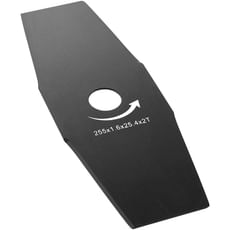
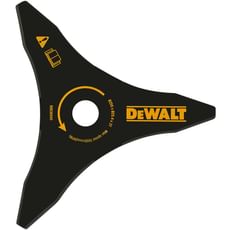
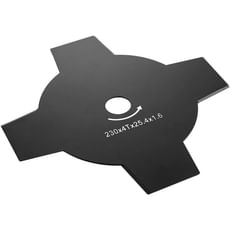
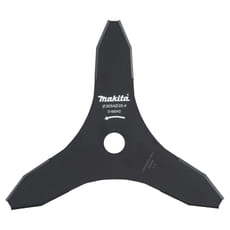
 Loading...
End of content
Error - No more pages to load
About Brush Cutter Blades
Brush cutter blades are essential cutting attachments designed to tackle tough vegetation that standard trimmer line simply cannot handle. From dense undergrowth and thick grass to woody stems and brambles, these robust blades transform your brush cutter into a powerful land clearing tool. Available in various tooth configurations and blade designs, they're engineered to deliver clean, efficient cuts through the most challenging outdoor maintenance tasks. Whether you're clearing overgrown allotments, maintaining woodland paths, or tackling commercial landscaping projects, selecting the correct blade type is crucial for both efficiency and safety.
The range available at Tooled-Up.com includes tri-blade designs for general-purpose cutting, multi-tooth blades for tackling woody vegetation, and specialised straight blades for clearing dense undergrowth. Leading manufacturers like Makita, DeWalt, Bosch, and Einhell produce blades specifically designed to fit their respective brush cutter models, ensuring optimal performance and safety. For instance, the DeWalt Flexvolt DCM571 and Bosch ADVANCEDBRUSHCUT 36V require manufacturer-approved blades to maintain warranty coverage and safe operation.
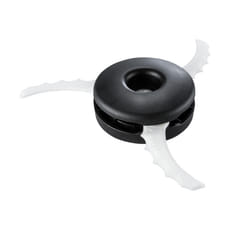
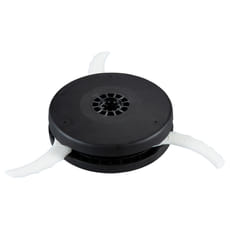
Modern brush cutter blades are manufactured from hardened steel to withstand the rigours of professional use, with many featuring specialised tooth geometries that reduce vibration and improve cutting performance. Replacement blades and blade sets are available for both cordless models and petrol-powered machines, ensuring you can maintain peak performance throughout the tool's lifespan. Nylon brush cutter heads offer an alternative for lighter vegetation and areas where blade damage from hidden obstacles is a concern.
Jargon Buster
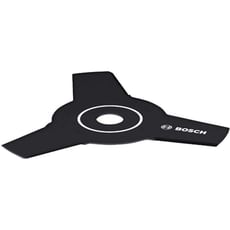
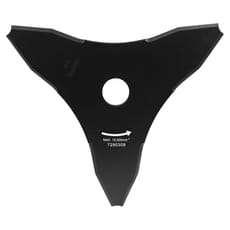
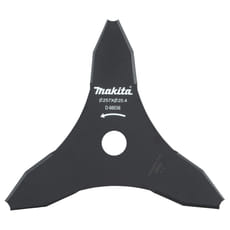
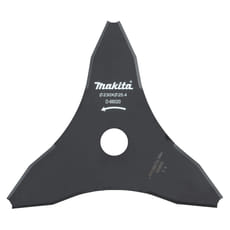
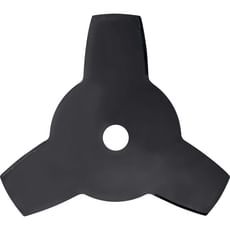
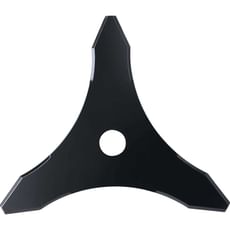
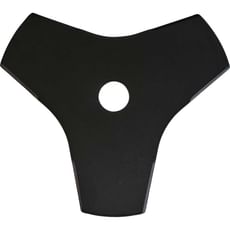
- Tri-Blade: A three-pointed blade design that offers a good balance between cutting power and reduced vibration. Ideal for general brush cutting and thick grass, these 230mm diameter blades are among the most popular configurations for professional landscapers.
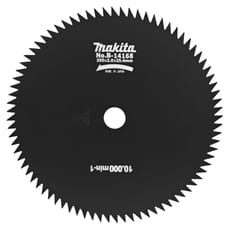
- Tooth Configuration: Refers to the number and arrangement of cutting teeth on the blade. Four-tooth blades excel at cutting woody stems, whilst eight-tooth designs provide smoother operation for dense vegetation and reduce kickback risk.
- Undergrowth Blade: A specialised blade designed for clearing dense, low-lying vegetation including brambles, nettles, and thick weeds. These typically feature more aggressive tooth patterns than standard grass blades.
- Thicket Blade: Heavy-duty blades engineered for the toughest cutting applications, including small saplings and woody undergrowth up to 30mm diameter. Essential for forestry work and serious land clearance projects.
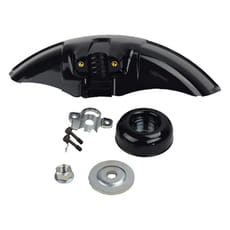
- Blade Guard: A protective safety component that shields the operator from debris and prevents contact with the blade. Required by HSE regulations for commercial use and must be fitted correctly for the blade diameter.
- Bore Size: The diameter of the central mounting hole that fits onto the brush cutter's drive shaft. Common sizes include 20mm and 25.4mm, and matching the correct bore size to your machine is essential for safe operation.
Who Uses Brush Cutter Blades?
- Professional Landscapers: Maintaining commercial properties, parks, and large gardens requiring regular vegetation management
- Groundskeepers: Council workers and estate managers clearing public footpaths, verges, and recreational areas
- Agricultural Workers: Farm maintenance, clearing field margins, and managing hedgerows and paddock areas
- Forestry Contractors: Woodland management, clearing firebreaks, and maintaining forestry access routes
- Conservation Teams: Wildlife habitat management and clearing invasive vegetation from nature reserves
- Highway Maintenance Crews: Clearing roadside vegetation and maintaining visibility on rural routes
- Property Maintenance Contractors: Managing overgrown sites, preparing plots for development, and general site clearance
- Smallholders and DIY Enthusiasts: Maintaining paddocks, clearing allotments, and managing rural garden boundaries
How to Choose the Right Brush Cutter Blades
Selecting the appropriate brush cutter blade requires careful consideration of both your machine compatibility and the cutting tasks you'll undertake. Always verify that replacement blades match your specific brush cutter model – manufacturers like Makita, DeWalt, and Bosch design blades with specific bore sizes and blade diameters to suit their machines. Using incompatible blades compromises safety and may void your warranty.
Blade diameter is crucial for both performance and safety. Common sizes include 200mm, 230mm, and 255mm diameters. Your brush cutter's guard must accommodate the blade diameter, with 230mm being the most versatile size for general-purpose work. Larger blades cover more ground per pass but require more powerful machines to maintain cutting speed.
Tooth count and configuration should match your typical vegetation. Three or four-tooth blades excel at cutting thick grass and light woody stems, whilst eight-tooth blades provide smoother operation in dense vegetation. Straight blades offer maximum power for the heaviest undergrowth, whilst tri-blades reduce vibration for extended use. Consider whether you need specialised blade types such as grass blades for overgrown lawns, undergrowth blades for brambles and nettles, or thicket blades for woody vegetation.
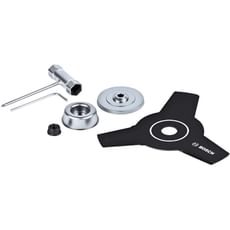
For cordless brush cutters like the DeWalt Flexvolt DCM571 or Bosch 36V models, Tooled-Up stocks blade sets that include multiple options. This provides flexibility for different cutting conditions without purchasing individual blades separately, offering better value for money. Many professionals keep multiple blade types to handle different sites efficiently.
Popular Accessories
- Blade Guards: Replacement guards for different blade sizes, essential safety equipment required for all metal blade operations
- Harnesses and Straps: Professional-grade harnesses distribute weight evenly, reducing operator fatigue during extended use
- Safety Goggles and Face Shields: Impact-rated eye protection meeting EN166 standards for debris protection
- Hearing Protection: Essential for extended brush cutting sessions, particularly with petrol models
- Blade Sharpening Kits: Files and guides for maintaining sharp cutting edges between replacement cycles
- Storage Cases: Protective storage for spare blades preventing damage and ensuring safe transport
- Replacement Batteries: Spare battery packs for cordless models ensuring uninterrupted workflow on large sites
- Heavy-Duty Gloves: Cut-resistant gloves providing grip and protection during blade changes and operation
Safety Information
Brush cutter blades are powerful cutting tools that demand serious respect and proper safety procedures. Always wear appropriate PPE including impact-rated safety goggles or a face shield meeting EN166 standards, hearing protection, sturdy boots with steel toecaps, and cut-resistant gloves. Long trousers and long sleeves are essential to protect against flying debris.
Before fitting or changing blades, ensure the machine is completely powered off and, for cordless models, remove the battery. Follow the manufacturer's torque specifications when securing blades – overtightening can damage the mounting boss whilst insufficient tightening risks blade detachment during operation. Always ensure the blade guard is correctly fitted and adjusted for the blade diameter being used, as required by HSE guidance.
Inspect your work area thoroughly before commencing cutting. Remove loose stones, wire, and other debris that could become dangerous projectiles. Maintain a 15-metre exclusion zone around the operator whilst cutting, and never operate brush cutters when others, particularly children or pets, are nearby. Be particularly cautious of hidden obstacles in dense vegetation that could cause blade kickback or damage.
Regular blade inspection is crucial for safe operation. Replace blades that show signs of cracking, excessive wear, or damaged teeth. Never attempt to repair damaged blades by welding or grinding, as this compromises the blade's structural integrity and balance, creating serious safety hazards.
Frequently Asked Questions
How often should I replace my brush cutter blade?
Blade replacement depends on usage intensity and the type of vegetation being cut. Professional landscapers working daily may need replacement every few months, whilst occasional DIY users might get several seasons from a single blade. Replace blades when teeth become excessively worn, if cracks appear, or when cutting performance noticeably decreases. Regular inspection after each use helps identify wear patterns early.
Can I use any brand of blade on my brush cutter?
Always use blades specifically designed for your brush cutter model. Whilst some aftermarket blades may physically fit, using non-approved blades can compromise safety, void warranties, and potentially damage your machine. Manufacturers like Makita, DeWalt, and Bosch engineer their blades with specific bore sizes, blade thicknesses, and balance characteristics matched to their machines' power output and rotational speeds.
What's the difference between a tri-blade and a multi-tooth blade?
Tri-blades feature three cutting edges and are excellent for general-purpose work, offering good cutting performance with reduced vibration and lower power consumption. Multi-tooth blades (typically four to eight teeth) provide more cutting edges per revolution, resulting in smoother operation through dense vegetation and reduced risk of blade stalling. Eight-tooth blades are often preferred for professional use where prolonged cutting sessions demand reduced vibration.
Are nylon heads better than metal blades for certain jobs?
Yes, nylon brush cutter heads excel in areas where hidden obstacles like stones, fencing wire, or tree roots might damage metal blades. They're ideal for maintaining established areas with mixed vegetation and are safer around hard surfaces like walls and kerbs. However, metal blades are essential for thick woody stems, dense undergrowth, and serious land clearance where nylon line would simply be inadequate.
How do I safely change a brush cutter blade?
First, ensure the machine is completely switched off and remove the battery on cordless models or disconnect the spark plug on petrol machines. Wear heavy-duty gloves and use the shaft lock or pin to prevent rotation. Remove the blade retaining bolt (noting its thread direction – often reverse-threaded), carefully remove the old blade, position the new blade ensuring correct orientation, and secure with the retaining bolt to the manufacturer's specified torque. Always check the blade guard is correctly positioned before use.