
Brush Cutter Harnesses

Pay in 3 interest-free payments on purchases from £20-£3000 with  . Learn more.
Loading...
End of content
Error - No more pages to load
About Brush Cutter Harnesses
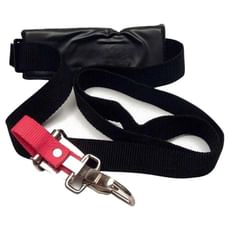
Brush cutter harnesses are essential safety and comfort accessories designed to distribute the weight of your brush cutter or strimmer evenly across your body, significantly reducing fatigue during extended cutting sessions. These ergonomically designed harnesses attach securely to your power tool and wrap around your shoulders, back, and sometimes waist, transforming hours of potentially exhausting work into a more manageable and safer task. Whether you're clearing overgrown vegetation on a large estate, maintaining roadside verges, or tackling your garden's toughest areas, a quality harness makes all the difference to your working day.
Modern brush cutter harnesses incorporate advanced padding materials, adjustable straps, and quick-release mechanisms that prioritise both comfort and safety. Professional-grade models feature cushioned shoulder pads to prevent pressure points, breathable materials to reduce perspiration during warm weather work, and robust construction that stands up to daily site use. The range at Tooled-Up.com includes universal fitment designs compatible with most major brands including Makita, Draper, and Handy, suitable for both petrol and electric strimmers of varying weights and sizes.
Investing in a proper harness isn't just about comfort—it's about working safely and efficiently. The HSE recognises that prolonged use of handheld power tools without adequate support can lead to musculoskeletal disorders and fatigue-related accidents. A well-fitted harness allows you to maintain better control of your brush cutter, work for longer periods without strain, and adopt safer working postures that reduce the risk of injury from both the tool itself and the demanding nature of vegetation clearance work.
Jargon Buster
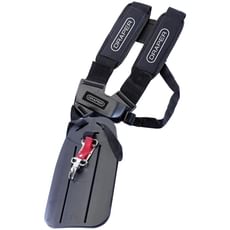
- Double Shoulder Harness: The most common harness design featuring two shoulder straps that distribute weight evenly across both shoulders and the upper back, similar to wearing a rucksack. Ideal for general brush cutting work and extended use.
- Quick-Release Mechanism: A safety feature allowing the user to detach from the brush cutter instantly in emergency situations. Essential for safe operation, particularly when working on uneven terrain or near water.
- Cushioned Padding: High-density foam or gel inserts positioned at pressure points on shoulder straps and back panels to prevent discomfort and bruising during prolonged use. Better quality harnesses feature thicker, more durable padding materials.
- Universal Fitment: Harnesses designed with adjustable attachment points and strap systems that accommodate brush cutters and strimmers from multiple manufacturers, eliminating the need for brand-specific models.
- Load Distribution: The engineered spreading of the tool's weight across multiple body points rather than concentrating it in the arms and hands, reducing muscle fatigue and improving operator endurance.
- Protective Thigh Plate: A reinforced pad positioned against the upper leg that provides additional support and protects against contact with the cutting head during operation.
Who Uses Brush Cutter Harnesses?
- Landscape Gardeners and Groundskeepers: Professionals maintaining parks, estates, sports grounds, and commercial properties who regularly use brush cutters for vegetation management
- Agricultural Workers and Farmers: Those clearing field margins, hedgerows, ditches, and rough pastureland where heavy-duty cutting tools are essential
- Forestry Workers: Professionals managing woodland areas, clearing undergrowth, and maintaining forest tracks and firebreaks
- Council and Highway Maintenance Teams: Local authority workers responsible for keeping roadside verges, public footpaths, and green spaces clear and safe
- Estate Managers and Gamekeepers: Those maintaining large rural properties, shooting estates, and conservation areas with extensive vegetation clearance requirements
- Serious DIY Enthusiasts: Homeowners with large gardens, paddocks, or rural properties who tackle significant vegetation clearance projects regularly
- Contractors and Site Clearance Specialists: Businesses providing vegetation management services for construction sites, development projects, and land preparation work
How to Choose the Right Brush Cutter Harnesses
Comfort and Padding Quality: Look for harnesses with substantial cushioned shoulder pads and back support. If you're using your brush cutter for more than 30 minutes at a time, invest in models with high-density foam or gel padding. Check that the padding is replaceable or durable enough to withstand regular use without compressing.
Compatibility with Your Equipment: Whilst most harnesses offer universal fitment, verify that the attachment points suit your specific brush cutter model. Tooled-Up stocks harnesses from Makita, Draper, and Handy that typically accommodate most major brands, but checking compatibility before purchase prevents frustration. Consider the weight of your tool—heavier petrol models require more robust harness construction than lighter electric strimmers.
Adjustability and Fit: A properly fitted harness should distribute weight evenly without restricting movement. Look for multiple adjustment points including shoulder strap length, chest strap position, and waist belt adjustment. If multiple operators will share the equipment, universal sizing with extensive adjustment range is essential.
Safety Features: Quick-release mechanisms are non-negotiable for safe operation. Ensure the release system is intuitive and can be operated quickly with one hand. Some professional-grade harnesses include additional safety features such as reflective strips for roadside work and reinforced attachment points that won't fail under stress.
Build Quality and Durability: Professional users should prioritise harnesses constructed from heavy-duty nylon webbing with reinforced stitching at stress points. Check buckle quality—metal or reinforced plastic buckles outlast cheaper alternatives. Consider whether the harness will withstand daily site use or just occasional domestic application.
Breathability and Weather Resistance: For all-season use, mesh backing panels improve air circulation during warm weather, whilst water-resistant materials prevent the harness becoming waterlogged and heavy in wet conditions. This is particularly important for professionals working year-round regardless of weather.
Popular Accessories
- Brush Cutter Blades and Trimmer Line: Essential consumables including metal cutting blades for heavy vegetation and nylon line for grass trimming applications
- Protective Goggles and Face Shields: Critical PPE to protect against flying debris, stones, and vegetation matter during cutting operations
- Hearing Protection: Ear defenders or ear plugs rated for prolonged exposure to petrol engine noise, essential for HSE compliance
- Kevlar Protective Trousers: Specialist workwear designed to protect legs from accidental contact with cutting blades and flying debris
- Work Gloves: Anti-vibration or heavy-duty protective gloves to reduce vibration white finger risk and protect hands during operation and maintenance
- Brush Cutter Maintenance Kits: Including files for blade sharpening, lubricants, fuel additives, and air filter replacements
- Replacement Harness Padding: Spare cushioned shoulder pads and straps to extend harness life and maintain comfort
- Tool Storage Solutions: Protective cases and wall-mounted storage systems from ranges like Makita MakPac to keep your equipment organised and secure
Safety Information
Proper use of brush cutter harnesses is essential for safe operation of these powerful cutting tools. Always ensure the quick-release mechanism is functioning correctly before starting work—test it regularly and familiarise yourself with its operation so you can detach instantly in an emergency. The harness should be adjusted so the cutting head operates at the correct height without forcing you into awkward postures that could lead to loss of control or musculoskeletal strain.
Never modify harness attachment points or use damaged harnesses, as this compromises both safety and the tool's balance. The HSE recommends regular inspection of all straps, buckles, and padding for wear, fraying, or damage, replacing components as necessary. When working on slopes or uneven ground, be especially cautious as the harness changes your centre of gravity—maintain stable footing at all times.
Brush cutter harnesses should always be used in conjunction with appropriate PPE including safety boots with steel toecaps, protective legwear, eye protection, hearing defenders, and work gloves. Ensure clothing cannot become entangled in moving parts, and never work alone in remote locations when using powerful cutting equipment. Take regular breaks to prevent fatigue, even when using a harness, as tired operators are more prone to accidents.
Frequently Asked Questions
Are brush cutter harnesses universal or brand-specific?
Most modern brush cutter harnesses available from Tooled-Up.com, including those from Makita, Draper, and Handy, feature universal fitment designs with adjustable attachment points that accommodate the majority of brush cutters and strimmers regardless of brand. However, it's always advisable to check compatibility with your specific model, particularly for professional-grade or unusually heavy equipment that may require reinforced attachment points.
How should a brush cutter harness fit properly?
A correctly fitted harness should distribute the tool's weight evenly across both shoulders and your back without causing pressure points or restricting movement. The cutting head should hang at a comfortable working height when the tool is attached. Adjust all straps so the harness sits snugly but not tightly—you should be able to move freely whilst the tool remains balanced and controlled. The quick-release mechanism should sit in an easily accessible position, typically at chest height.
Can I use the same harness for both my strimmer and heavy-duty brush cutter?
Universal harnesses generally accommodate both lighter strimmers and heavier brush cutters, but consider the weight difference. If you're using a particularly heavy petrol brush cutter, ensure your harness features adequate padding and robust construction designed for the additional load. Lightweight harnesses suitable for electric strimmers may not provide sufficient support or durability for professional-grade petrol models used daily.
How do I maintain my brush cutter harness?
Regular inspection and cleaning extend harness life significantly. Check all straps, buckles, and stitching before each use for signs of wear, fraying, or damage. Clean the harness with mild soapy water to remove dirt, oil, and vegetation debris, allowing it to dry thoroughly before storage. Store in a dry location away from direct sunlight and chemicals. Replace padding when it becomes compressed or damaged, and never continue using a harness with compromised safety features or structural integrity.
Do I legally need to wear a harness when operating a brush cutter?
Whilst UK law doesn't specifically mandate harness use for all brush cutter operations, the HSE requires employers to provide appropriate equipment to minimise risks from manual handling and prolonged tool use. For professional users, a harness is considered essential safety equipment that reduces fatigue-related accidents and musculoskeletal injury risk. Insurance and liability considerations mean most professional operators and employers require harness use as standard practice for any extended brush cutting work.