

Brush Cutters
Pay in 3 interest-free payments on purchases from £30-2000 with  . Learn more.
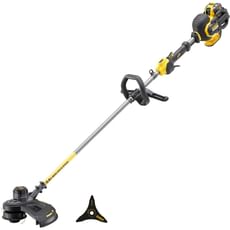
DeWalt DCM571 54v XR Cordless Brushless FLEXVOLT Brush Cutter and Grass Trimmer
in stock
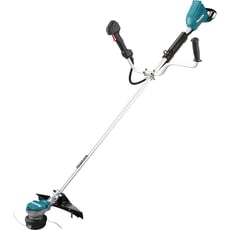
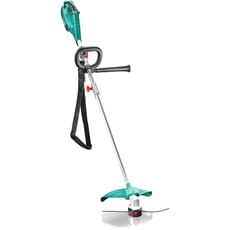
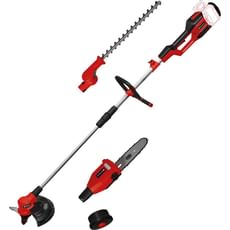
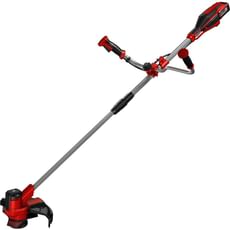
Einhell AGILLO 18/200 18v Cordless Split Shaft Brush Cutter and Line Trimmer 200/300mm
in stock
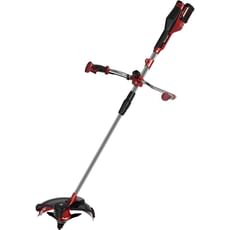
Einhell AGILLO 36v Cordless Split Shaft Brush Cutter and Line Trimmer 255/300mm
in stock
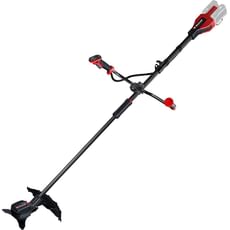
Einhell Professional GP-BC 36/430 Li BL 36v Cordless Brushless Brush Cutter 255/430mm
in stock
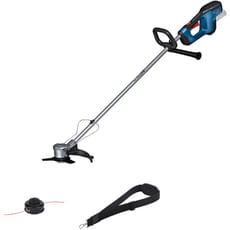
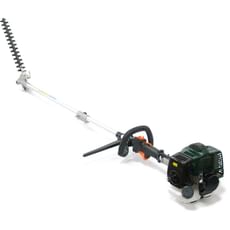
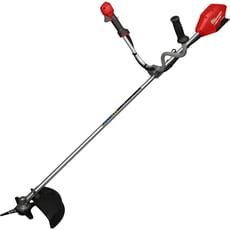

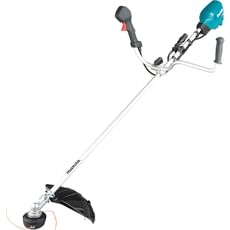
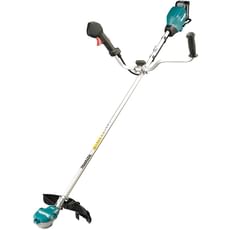
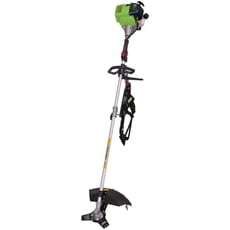
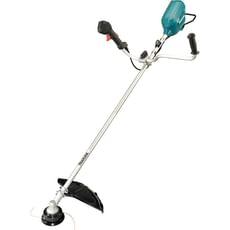
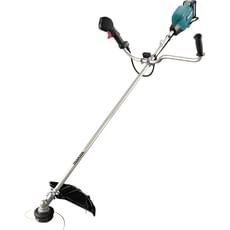
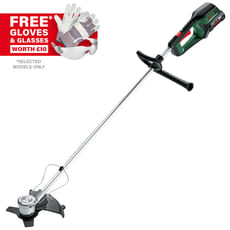
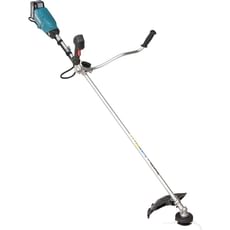
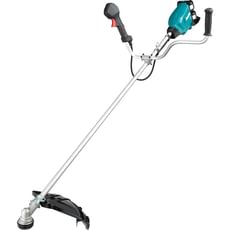
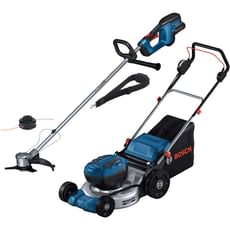
Bosch Professional 18v Cordless Brushless Rotary Lawnmower and Brush Cutter Kit
available
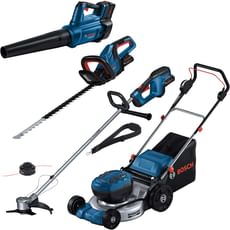
Bosch Professional 4 Piece 18v Cordless Brushless Heavy Duty Garden Tool Kit
available
 Loading...
End of content
Error - No more pages to load
About Brush Cutters
Brush cutters are heavy-duty cutting tools engineered to tackle the toughest vegetation challenges that standard strimmers and lawn mowers cannot handle. Designed for clearing dense undergrowth, slicing through thick brambles, and maintaining heavily overgrown areas with coarse grass and woody weeds, these powerful machines are essential for both professional groundscare and demanding domestic land management. Unlike conventional grass trimmers that rely on flexible nylon line, brush cutters typically employ robust metal blades or heavy-duty cutting discs capable of severing woody stems, saplings, and vegetation up to 50mm thick with ease.
The brush cutter selection at Tooled-Up.com encompasses both petrol-powered and cordless electric models from premium manufacturers including Makita, Bosch Professional, DeWalt, Milwaukee, and Einhell. Petrol brush cutters deliver maximum cutting power and extended runtime for large-scale commercial applications and remote locations without electrical access, whilst modern cordless alternatives provide impressive performance with significantly reduced noise levels, zero emissions at point of use, and the convenience of battery operation. Many contemporary models feature split shaft designs for multi-tool versatility, ergonomic bike handles for superior control, and adjustable harness systems that distribute weight effectively to minimise operator fatigue during prolonged use.
Available in cutting widths ranging from 200mm through to 470mm, Tooled-Up stocks brush cutters suitable for everything from domestic garden maintenance to intensive commercial land clearance operations. Whether you're a professional landscape contractor, groundscare operative, estate manager, or a homeowner tackling overgrown areas on your own property, you'll find models tailored to your specific requirements—from lightweight 18v cordless units perfect for occasional use to heavy-duty petrol-powered machines engineered for all-day operation on challenging terrain and dense vegetation.
Jargon Buster
- Split Shaft Design: A brush cutter configuration featuring a detachable shaft that allows the powerhead to accept various interchangeable attachments such as hedge trimmers, pole pruners, edgers, or cultivators, transforming the tool into a versatile multi-function system for year-round garden maintenance.
- Bike Handle: A handlebar-style grip configuration resembling bicycle handlebars that provides superior control, balance, and manoeuvrability when operating brush cutters, particularly beneficial on uneven terrain or when tackling heavy, resistant vegetation that requires precise handling.
- Blade vs. Line Head: Brush cutters accommodate either metal cutting blades (designed for thick vegetation, woody growth, and saplings) or nylon trimmer line heads (suited to grass and lighter material). Many professional models accept both types of cutting attachment, allowing operators to switch between applications quickly.
- Brushless Motor: Advanced motor technology found in modern cordless brush cutters that delivers increased power efficiency, extended battery runtime, reduced maintenance requirements, and significantly longer tool lifespan compared to traditional brushed motors, making them ideal for professional applications.
- Harness System: An adjustable shoulder-mounted or back-mounted support system that distributes the weight of the brush cutter across the operator's torso and shoulders, dramatically reducing fatigue and strain during extended cutting sessions and improving overall comfort and control.
- Two-Stroke vs. Four-Stroke: Petrol brush cutters utilise either two-stroke engines (requiring a specific petrol/oil mixture) or four-stroke engines (running on straight unleaded petrol). Four-stroke models typically offer cleaner emissions, quieter operation, and easier maintenance but tend to be heavier than equivalent two-stroke units.
Who Uses Brush Cutters?
Brush cutters are indispensable equipment for a diverse range of professionals and outdoor maintenance specialists:
- Landscape Gardeners and Contractors: Site clearance, commercial grounds maintenance, overgrown property restoration, and preparatory work before landscaping projects
- Groundscare and Estate Maintenance Teams: Managing parks, sports facilities, golf courses, public gardens, and large private estates with extensive grounds requiring regular vegetation control
- Forestry Workers: Clearing undergrowth, maintaining firebreaks, managing woodland edges, and controlling invasive vegetation in forestry operations
- Agricultural Workers and Farmers: Maintaining field margins and boundaries, clearing drainage ditches, managing rough grazing areas, and controlling weeds in paddocks
- Local Authorities and Highway Maintenance: Managing roadside vegetation, maintaining visibility at junctions, clearing public rights of way, and general verge maintenance
- Smallholders and Rural Property Owners: Maintaining paddocks and field boundaries, clearing overgrown areas, managing hedgerows, and general land management on larger rural properties
- Conservation and Wildlife Management Teams: Habitat maintenance and restoration, invasive species control, managing nature reserves, and creating wildlife corridors
- DIY Enthusiasts and Homeowners: Tackling overgrown gardens, maintaining large rural properties, clearing neglected areas, and general vegetation control beyond the capability of standard lawn care equipment
How to Choose the Right Brush Cutters
Power Source: Petrol brush cutters offer maximum cutting power, unlimited runtime with quick refuelling, and complete independence from electrical infrastructure—ideal for professional use, remote locations, and large commercial sites. Cordless electric models from Makita, Bosch Professional, DeWalt, and Milwaukee deliver excellent performance for most applications with significantly reduced noise, zero emissions, and lower maintenance requirements. Consider 36v or twin 18v battery platforms for demanding professional tasks, whilst single 18v battery units suit lighter domestic applications and occasional use.
Cutting Width and Capacity: Compact 200-230mm cutting widths provide excellent manoeuvrability in confined spaces and around obstacles, making them suitable for garden boundaries and lighter vegetation. Mid-range 330-370mm models offer versatility for general-purpose work, whilst professional 430-470mm brush cutters tackle larger areas more efficiently. Consider the typical thickness of vegetation you'll encounter—metal blade options are essential for woody growth exceeding 10mm diameter, whilst trimmer line heads suffice for grass and herbaceous material.
Engine Size (Petrol Models): Petrol brush cutters typically range from 25cc to 50cc displacement. Larger engines provide greater torque and cutting power for dense vegetation and continuous professional use but increase both weight and fuel consumption. Match engine size to your typical workload—occasional domestic users rarely require engines above 30cc, whilst professional contractors benefit from 35cc and above for demanding daily applications.
Weight and Ergonomics: Brush cutters range from approximately 4kg for lightweight cordless models to over 10kg for heavy-duty petrol units. Lighter cordless machines suit occasional use, smaller operators, and applications requiring frequent movement, whilst heavier petrol models deliver professional-grade power and durability. Always prioritise models with comfortable, padded harness systems for extended use—the harness dramatically reduces operator fatigue and improves safety by maintaining better control.
Handle Configuration: Bike handles (D-handles) provide excellent control and balance for heavy-duty work, steep terrain, and dense vegetation where two-handed control is essential. Loop handles offer enhanced manoeuvrability in tighter spaces and around obstacles. Some professional models feature adjustable or interchangeable handle systems, allowing operators to configure the tool according to specific tasks and personal preference.
Battery Compatibility: When selecting cordless models, consider battery platform compatibility with other tools you own or plan to purchase. Makita LXT 18v, DeWalt XR FlexVolt, Milwaukee M18, and Bosch Professional 18v systems offer extensive tool ranges sharing identical battery packs and chargers, providing excellent value and convenience for professionals investing in complete cordless tool collections. Higher capacity batteries (5.0Ah and above) are recommended for brush cutters due to their power demands.
Popular Accessories
- Replacement Blades: Metal cutting blades in various tooth configurations (multi-tooth, chisel-tooth, and scrub blades) designed for different vegetation types and cutting applications
- Nylon Line Heads: Trimmer heads and replacement nylon cutting line in various diameters (2.0mm to 3.5mm) for lighter grass cutting and finishing work
- Safety Harnesses: Padded double-shoulder harnesses, single-shoulder straps, and back-mounted support systems providing comfort and weight distribution during extended operation
- Protective Guards: Replacement debris shields, blade guards, and protective covers designed for specific cutting attachments
- Fuel Cans and Mixing Bottles: Approved petrol containers, two-stroke fuel mixing bottles with accurate measurement markings, and fuel stabilisers for long-term storage
- Spare Batteries and Fast Chargers: Additional lithium-ion battery packs (preferably high-capacity) and rapid chargers to maintain continuous operation on cordless models
- Blade Sharpening Kits: Files, sharpening stones, and dedicated blade maintenance tools to maintain optimal cutting performance and extend blade lifespan
- Split Shaft Attachments: Pole pruners, hedge trimmer heads, cultivator attachments, and edging tools for multi-tool systems, transforming your brush cutter into a year-round garden maintenance solution
- Transport Cases and Storage Solutions: Protective blade covers, storage cases, and wall-mounted brackets for safe storage and secure transport
Safety Information
Brush cutters are powerful machines requiring comprehensive safety precautions and proper operating procedures:
Personal Protective Equipment (PPE): Always wear appropriate safety equipment including impact-resistant safety glasses or full face visor (meeting BS EN 166 standards), hearing protection rated to at least SNR 27dB, steel toe-capped safety boots with ankle support, heavy-duty work gloves providing cut resistance, and long trousers covering the legs completely. For professional use, consider specialist brush cutter protective trousers or forestry chaps meeting BS EN 381 standards, which incorporate cut-resistant panels in high-risk areas. High-visibility clothing is essential when working near roads or public areas.
Site Assessment: Before commencing work, thoroughly inspect the working area for hidden obstacles including buried wire, stones, metal debris, glass, or other objects that could be struck by the rotating blade and thrown at high velocity. Establish a safety exclusion zone of at least 15 metres radius and ensure all bystanders, colleagues, and members of the public remain outside this area during operation. Be particularly vigilant near roads, footpaths, buildings, and parked vehicles.
HSE Guidance: Professional operators should familiarise themselves with Health and Safety Executive guidance on using brush cutters and similar equipment, including requirements for risk assessments, method statements, and proper training. Many commercial applications and insurance policies require formal training certification—consider NPTC (National Proficiency Tests Council) brush cutter operation certificates or Lantra Awards qualifications for professional credibility and compliance.
Blade Safety: Only fit cutting blades specifically designed for your brush cutter model and ensure all protective guards are correctly fitted and securely fastened before operation. Never operate equipment with damaged, incorrect, or improvised cutting attachments. Inspect blades before each use for cracks, chips, excessive wear, or damage—replace any compromised blades immediately. Ensure blades are properly sharpened and balanced to prevent vibration and maintain cutting efficiency.
Fuel Handling (Petrol Models): Only refuel petrol brush cutters when the engine has cooled completely, in a well-ventilated outdoor area away from ignition sources including cigarettes, pilot lights, and electrical equipment. Use approved fuel containers and funnels to prevent spillage. For two-stroke engines, carefully measure and mix fuel and oil according to manufacturer specifications (typically 50:1 ratio). Store petrol and mixed fuel in approved containers in a secure, well-ventilated location away from living spaces and ignition sources.
Operator Condition: Never operate a brush cutter when tired, unwell, or under the influence of medication, alcohol, or substances that may impair concentration, reaction time, or coordination. Take regular breaks (at least 10 minutes per hour) during extended use to prevent fatigue-related accidents and maintain alertness. Stay hydrated, particularly during warm weather, and avoid working during extreme heat when possible.
Frequently Asked Questions
What's the difference between a brush cutter and a strimmer?
Whilst strimmers (also called line trimmers or grass trimmers) use flexible nylon line to cut grass and light vegetation through high-speed rotation, brush cutters are substantially more powerful machines typically fitted with rigid metal blades designed to cut through thick grass, brambles, nettles, saplings, and woody vegetation up to 50mm diameter. Brush cutters feature more robust construction, significantly more powerful motors or engines (often 30cc and above for petrol models), and harness systems to support their greater weight and manage vibration during operation. In essence, strimmers are finishing tools for lawns and light trimming, whilst brush cutters are heavy-duty clearance tools for overgrown and challenging vegetation.
Can I use a cordless brush cutter without access to mains power?
Modern cordless brush cutters operate entirely on rechargeable lithium-ion batteries without any mains connection during use, making them completely portable and ideal for remote locations. You'll need access to a standard UK 240v socket to charge the batteries initially (typically taking 30-60 minutes with fast chargers, or up to 90 minutes for larger capacity batteries), but once charged, the tool operates independently. For professional all-day use or larger properties, consider purchasing additional battery packs to maintain continuous operation whilst depleted batteries recharge—most professional contractors working with cordless equipment invest in at least three batteries per tool to ensure uninterrupted workflow.
Do I need a licence or certification to operate a brush cutter?
For domestic use on your own property, no licence or certification is legally required to operate a brush cutter in the UK. However, professional operators working commercially should undertake appropriate training, and many employers, clients, and insurance policies require formal certification. NPTC (National Proficiency Tests Council) brush cutter operation certificates are widely recognised industry qualifications that demonstrate competence and understanding of safe operating procedures. Additionally, contractors working on public land, highways, or for local authorities typically require certification to meet contractual obligations. Always check your insurance policy requirements and client specifications before undertaking commercial work.
How thick can brush cutters cut through?
Cutting capacity varies considerably depending on the power of the machine, blade type fitted, and material being cut. Lightweight cordless models (single 18v battery) typically handle vegetation and saplings up to 20-25mm diameter effectively. Professional twin 18v and 36v cordless brush cutters can tackle woody growth of 30-40mm diameter, whilst heavy-duty petrol brush cutters fitted with appropriate multi-tooth or scrub blades can sever saplings and woody vegetation of 50mm diameter or more. Always consult your specific model's technical specifications and never force the machine beyond its designed capacity—attempting to cut material that's too thick can damage the blade, strain the motor or engine, and create dangerous kickback situations.
Are cordless brush cutters powerful enough for professional use?
Modern high-voltage cordless brush cutters, particularly 36v models and twin 18v systems from manufacturers like Makita, DeWalt, Milwaukee, and Bosch Professional, now deliver performance comparable to petrol models for many professional applications. Recent advances in brushless motor technology and high-capacity lithium-ion batteries mean that cordless brush cutters offer sufficient power and runtime for landscape contractors, groundscare professionals, and estate maintenance teams. They provide particular advantages including instant starting, zero emissions, significantly reduced noise (important in residential areas and noise-sensitive locations), and minimal maintenance requirements. However, for the most demanding all-day commercial use in very heavy vegetation, remote locations without charging facilities, or continuous operation over extended periods, petrol models still offer advantages in raw cutting power and unlimited runtime with quick refuelling.