

Cable Cutters
Pay in 3 interest-free payments on purchases from £30-2000 with  . Learn more.
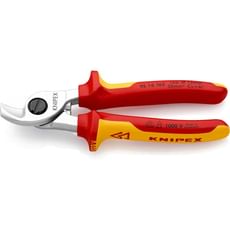
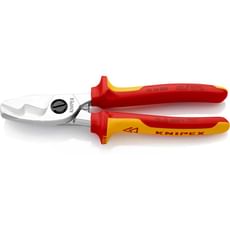
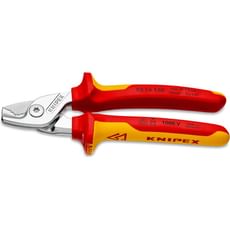
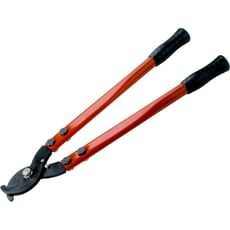
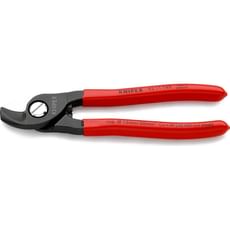
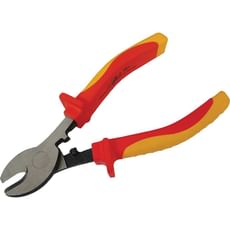
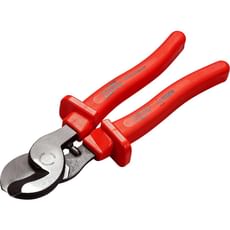
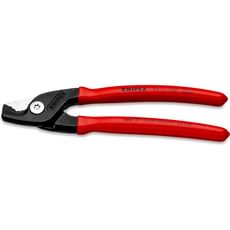
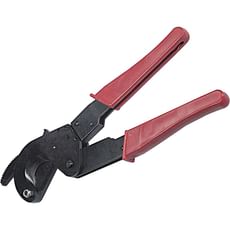
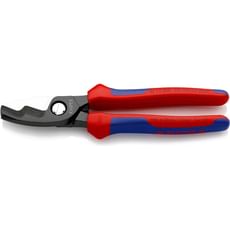
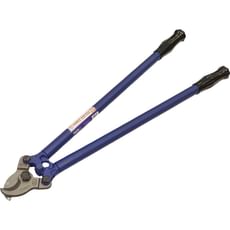
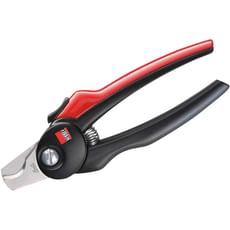
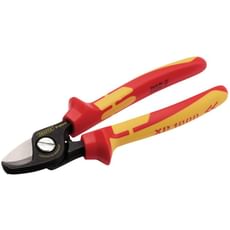
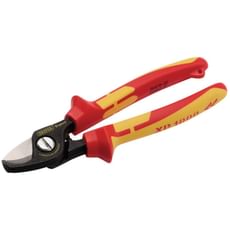
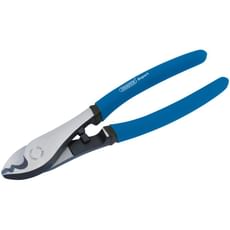
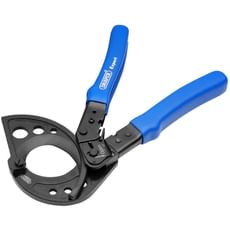
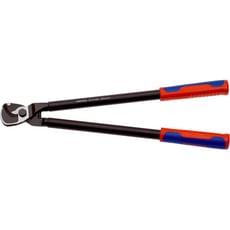
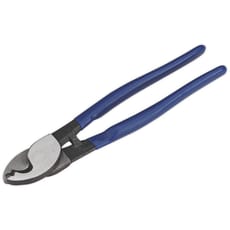
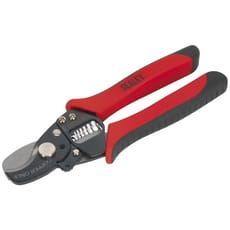
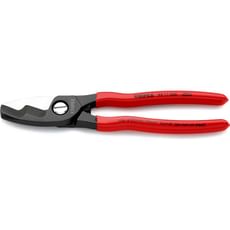
 Loading...
End of content
Error - No more pages to load
About Cable Cutters
Cable cutters are essential hand tools designed specifically for cutting through electrical cables, communication wires, and data cables cleanly and efficiently. Unlike general-purpose cutting tools, cable cutters feature specially engineered blades and cutting mechanisms that produce precise, burr-free cuts without crushing or deforming the cable cores. This clean cutting action is crucial for maintaining conductor integrity and ensuring reliable electrical connections. Professional cable cutters are available in various configurations, from compact side-cutting models for electronics work to heavy-duty ratchet action designs capable of cutting through armoured cables up to 30mm in diameter.
The range at Tooled-Up includes cable cutters from leading manufacturers such as Knipex, Draper, Bahco, and Facom, each engineered to meet specific cutting requirements. Standard models suit everyday copper and aluminium cables, whilst VDE-insulated versions provide essential protection when working on live circuits up to 1000V. Ratchet action cable cutters offer mechanical advantage for cutting larger diameter cables with minimal effort, making them ideal for site work where repetitive cutting tasks would otherwise cause hand fatigue. Electronic flush-cut models deliver ultra-precise cuts for delicate control panel wiring and telecommunications installations.
Quality cable cutters incorporate hardened steel blades with optimised cutting angles that maintain sharpness through thousands of cuts. Many professional models feature replaceable blades, extending tool life and providing better long-term value. Ergonomic handle designs with cushioned grips reduce hand strain during extended use, whilst safety features such as lock mechanisms prevent accidental blade opening during transport. For electricians and data installers working at height or in awkward positions, tethered versions available from Tooled-Up.com help prevent tool drops that could damage equipment or injure personnel below.
Jargon Buster
- VDE Insulated: Tools tested and certified to European safety standard EN 60900, providing protection against electric shock when working on live circuits up to 1000V AC. Each component is individually insulated, not just dipped in plastic.
- Ratchet Action: A mechanical mechanism that cuts progressively with each handle squeeze, multiplying cutting force whilst reducing the physical effort required. Essential for cutting large diameter cables or when working overhead.
- Cutting Capacity: The maximum cable diameter the tool can cut, typically specified separately for copper, aluminium, and armoured cables. Always check capacity matches your cable sizes to prevent blade damage.
- Flush Cut: A cutting profile that allows the blade to cut flush against a surface or component, ideal for precision electronics work and trimming cable ties close to terminals without leaving sharp edges.
- Messenger Wire: The steel support wire used in overhead cable installations. Cable cutters often feature dedicated notches for cutting messenger wire separately to prevent damage to the precision cable-cutting blades.
- Bypass vs Anvil: Bypass cutters use two sharpened blades passing each other (like scissors) for clean cuts, whilst anvil cutters use one blade pressing onto a flat surface, typically for heavier-duty applications.
Who Uses Cable Cutters?
- Electricians and Electrical Contractors: For cutting power cables during installations, maintenance, and rewiring projects in domestic, commercial, and industrial settings
- Telecommunications Engineers: Cutting telephone cables, fibre optic cables, and data cabling in network installations and communications infrastructure
- Automotive Electricians: Trimming automotive wiring looms, battery cables, and electronic control system wiring in vehicle repair and modification
- Maintenance Engineers: Replacing damaged cables and upgrading electrical systems in manufacturing facilities, hospitals, and commercial buildings
- Broadcast and AV Technicians: Preparing audio, video, and broadcast cables to precise lengths for studio installations and event production
- Control Panel Builders: Cutting and preparing cables within electrical control panels, switchgear, and automation systems
- Solar and Renewable Energy Installers: Cutting DC cables for photovoltaic installations and wind turbine electrical systems
- DIY Enthusiasts: Home electrical projects, garden lighting installations, and workshop wiring requiring proper cable cutting tools
How to Choose the Right Cable Cutters
Consider Your Cable Types: Match the cutter to your typical cables. Copper and aluminium cables require different cutting pressures, whilst armoured or steel-wire-reinforced cables demand heavy-duty models with hardened blades. Check the manufacturer's specifications for maximum cutting capacity across different cable types.
Insulation Requirements: If you work on or near live circuits, VDE-insulated cable cutters rated to 1000V are essential for compliance with HSE guidance and personal safety. These tools undergo rigorous testing and feature individually insulated components, not merely coated handles.
Cutting Mechanism: Standard manual cutters suit occasional use and smaller cables, whilst ratchet action models dramatically reduce effort for regular cutting of cables above 15mm diameter. Electronic flush-cut models provide the precision required for circuit board work and delicate cable management.
Handle Design and Ergonomics: For professional tradespeople cutting cables daily, ergonomic handles with cushioned grips prevent hand fatigue and reduce the risk of repetitive strain injury. Longer handles provide greater leverage for larger cables but may be cumbersome in confined spaces like consumer units.
Build Quality and Brand: Professional brands available at Tooled-Up such as Knipex, Bahco, and Facom offer superior blade materials, precise manufacturing tolerances, and longer service life compared to budget alternatives. Replaceable blade designs extend tool life and maintain cutting performance.
Special Features: Consider additional features like cable stripping notches, wire rope cutting notches, tethering points for working at height, and locking mechanisms for safe storage. Some models include measurement markings on the blades for cutting cables to consistent lengths.
Popular Accessories
- Cable Strippers: Complementary tools for removing cable insulation cleanly without damaging conductors
- Crimping Tools: For attaching terminals and connectors after cutting cables to length
- Wire Ferrule Kits: End sleeves that prevent stranded wire fraying after cutting, improving connection reliability
- Tool Tethers and Lanyards: Safety equipment for preventing dropped tools when working at height or on ladders
- Replacement Blades: Maintain cutting performance by replacing worn blades on models with serviceable designs
- Cable Measuring Tools: Tape measures and cable markers for accurate length marking before cutting
- Tool Pouches and Belts: Convenient carrying solutions keeping cable cutters accessible during installations
- VDE Testing Equipment: Regular insulation testing devices to ensure VDE tools maintain their protective properties
Safety Information
Electrical Safety: Always isolate circuits and verify they are dead using a proving unit before cutting cables, even when using VDE-insulated cutters. VDE insulation provides protection against accidental contact with live conductors but should not be relied upon as the primary safety measure. Follow the HSE guidance on electrical work and ensure you hold appropriate qualifications for the work being undertaken.
Proper Tool Selection: Never exceed the rated cutting capacity of your cable cutters. Attempting to cut cables beyond the tool's specification can cause blade failure, sending sharp fragments toward the operator, or result in crushed cables rather than clean cuts. Use dedicated bolt cutters for cutting steel wire armour or messenger wires unless your cable cutters feature specific notches for this purpose.
Maintenance and Inspection: Regularly inspect cable cutters for damaged insulation, worn blades, and loose pivot points. Damaged VDE insulation compromises electrical protection and renders the tool unsafe for use near live circuits. Keep blades clean and apply a light machine oil to pivot points to maintain smooth operation and cutting efficiency.
Personal Protective Equipment: Wear appropriate safety glasses when cutting cables to protect against flying copper strands, especially when cutting under tension. Safety gloves protect against sharp cable ends and reduce vibration transmitted through the tool handles during cutting.
Frequently Asked Questions
What's the difference between cable cutters and cable shears?
Cable cutters typically feature shorter, stronger blades designed for cutting through thick cables in a single action, whilst cable shears have longer blades optimised for cutting thin to medium cables with a scissor-like action. Cable shears often provide more precise cuts for electronics work, whereas cable cutters offer the power needed for heavier electrical installation cables.
Can I use cable cutters on steel wire armoured (SWA) cable?
Standard cable cutters are designed for copper and aluminium conductors only and will be damaged by steel wire armour. Some heavy-duty models feature dedicated notches specifically for cutting the steel armouring wire or messenger wires, but you should always check the manufacturer's specifications. For regular SWA cable work, dedicated armoured cable cutters or a combination of tools may be required.
How do I maintain cable cutters for long service life?
Keep blades clean and free from adhesive residue or cable insulation buildup. Apply light machine oil to pivot points periodically, and store in a dry location to prevent corrosion. Avoid cutting materials harder than the rated capacity, and never use the precision cutting edges on ferrous materials. For models with replaceable blades, replace them when cutting performance deteriorates rather than struggling with blunt blades.
Are VDE insulated cable cutters necessary for domestic electrical work?
Whilst Part P Building Regulations and HSE guidance require circuits to be isolated before work commences, VDE insulated tools provide crucial protection against accidental contact with live conductors and are considered essential professional equipment. They're particularly important when working in consumer units or situations where complete isolation cannot be guaranteed, and provide peace of mind when working on 240v systems.
What cutting capacity do I need for typical household electrical cables?
Standard UK domestic cables range from 1.0mm² (lighting) to 10mm² (cooker circuits), with cable diameters typically between 6mm and 15mm. A quality cable cutter with a 20-25mm capacity will handle all common domestic applications comfortably, whilst still remaining compact enough for working within consumer units and back boxes.