

Camping Accessories
Pay in 3 interest-free payments on purchases from £30-2000 with  . Learn more.
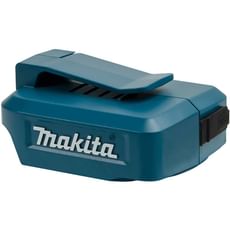
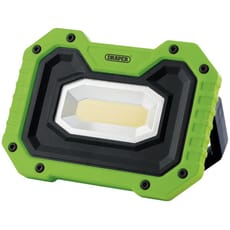
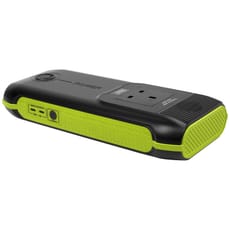
 Loading...
End of content
Error - No more pages to load
About Camping Accessories
Camping accessories represent an essential collection of equipment that bridges the gap between basic outdoor shelter and a fully-functional temporary workspace or leisure environment. From portable lighting solutions and power management systems to cooking equipment, storage solutions, and shelter accessories, these products serve both professional tradespeople working on remote sites and outdoor enthusiasts seeking reliable gear for extended trips. Whether you're a groundworks contractor establishing a temporary site facility, a festival rigger spending weeks on location, or a serious camper demanding professional-grade reliability, the right accessories transform challenging outdoor conditions into manageable work or leisure environments.
The demanding nature of British weather requires camping accessories that deliver genuine weather resistance and durability. Modern camping equipment has evolved considerably, incorporating advanced materials, innovative designs, and professional-grade construction that withstand everything from Scottish Highland gales to prolonged Welsh rainfall. Quality camping accessories combine portability with robust performance, designed to be transported easily in work vans or backpacks whilst providing reliable functionality when deployed. Many contemporary solutions now integrate with existing tool ecosystems, with lighting and power products compatible with battery platforms from manufacturers like Makita, DeWalt, and Milwaukee, offering excellent convenience for tradespeople already invested in these systems.
Tooled-Up.com stocks camping accessories selected specifically for their suitability to UK conditions and the exacting standards expected by professional users. The range encompasses everything from high-lumen LED lanterns and portable power inverters to weather-resistant storage boxes, groundsheets, guy ropes, cooking equipment, and numerous complementary items that enhance outdoor capability. Whether you're establishing a remote construction site, managing agricultural operations during lambing season, or embarking on multi-day hiking expeditions, having appropriate camping accessories ensures comfort, safety, and productivity regardless of conditions.
Jargon Buster
- Lumen Output - The measurement of total visible light emitted by a source, used to rate camping lanterns, torches, and work lights. Typical camping use requires 200-400 lumens for general area lighting, whilst professional site work often demands 800+ lumens for effective illumination of larger work areas.
- IP Rating (Ingress Protection) - A standardised two-digit code indicating protection levels against solid particles and liquids. The first digit (0-6) rates dust protection, the second (0-8) rates water resistance. For UK outdoor use, IP44 provides basic splash protection, whilst IP65 offers comprehensive dust sealing and protection against water jets from any direction.
- Guy Lines - Tensioned cords or ropes attached to tents, gazebos, tarps, and shelter structures that provide stability and prevent collapse in windy conditions. Properly secured guy lines are essential for safe shelter deployment in the variable wind conditions common throughout the UK.
- Denier Rating - A measurement of fabric thread thickness used to indicate material durability in camping textiles. Higher denier ratings (600D-1000D+) indicate thicker, more abrasion-resistant fabrics suitable for professional use, whilst lower ratings (150D-300D) prioritise lightweight portability.
- Packability - The degree to which camping equipment can be compressed, folded, or disassembled for efficient transport and storage. Critical for tradespeople with limited van space or those accessing remote locations on foot, highly packable accessories maximise versatility without sacrificing functionality.
- Runtime - The duration camping accessories can operate on a single battery charge or fuel supply. Particularly important for lighting and power solutions, runtime specifications help users plan battery requirements and ensure continuous operation throughout working periods or overnight.
Who Uses Camping Accessories?
Camping accessories serve a remarkably diverse range of professional and recreational users:
- Construction and Building Professionals - requiring temporary lighting, shelter, and power on remote or early-stage sites lacking permanent facilities
- Agricultural Workers and Farmers - needing reliable outdoor equipment during lambing, calving, harvest periods, and field-based operations
- Groundworks and Landscaping Teams - working extended hours outdoors in all weather conditions requiring shelter and portable facilities
- Festival and Events Crew - setting up and maintaining outdoor venues with extended on-site periods requiring accommodation and welfare facilities
- Utility and Telecommunications Engineers - working in remote locations requiring overnight stays and temporary mobile work stations
- Forestry and Conservation Workers - spending extended periods in woodland and rural locations without access to permanent infrastructure
- Security Personnel - monitoring construction sites, festivals, and events requiring shelter and comfort during long shifts
- Survey and Site Assessment Professionals - conducting fieldwork in various weather conditions requiring portable equipment
- Mountain Rescue and Emergency Services - requiring professional-grade equipment for extended operations in challenging environments
- Outdoor Instructors and Expedition Leaders - demanding reliable equipment for group activities and extended wilderness trips
- Serious Campers and Outdoor Enthusiasts - seeking professional-quality gear for regular camping, hiking, and outdoor recreation
How to Choose the Right Camping Accessories
Consider Your Primary Application: Identify whether you need camping accessories for professional site work, regular outdoor recreation, or occasional leisure use. Professional applications demand more robust construction, higher performance specifications, and greater durability, whilst occasional users might prioritise versatility and value. Site-based tradespeople benefit from accessories that withstand daily use and potential rough handling, whereas weekend campers can consider lighter-duty options.
Assess Weather Resistance Requirements: British conditions demand proper waterproofing and wind resistance. For electrical accessories, look for appropriate IP ratings - minimum IP44 for general outdoor use, IP65 or higher for exposed locations. Shelter and storage solutions should feature waterproof or highly water-resistant materials with sealed seams. Consider the worst-case seasonal conditions you'll encounter rather than average weather patterns.
Evaluate Power and Lighting Needs: Carefully assess your electrical requirements and runtime expectations. Battery-powered solutions offer excellent portability, and compatibility with existing cordless tool battery systems from brands like Makita, Milwaukee, or DeWalt eliminates the need for separate charging infrastructure. Consider lumen output for lighting (higher for site work, moderate for camping), backup power options, and whether solar charging might supplement battery systems for extended trips.
Consider Portability and Storage: Evaluate how you'll transport equipment to site or camp. Van-based tradespeople can accommodate larger, heavier items offering greater functionality, whilst those hiking to locations need highly packable, lightweight solutions. Also consider storage requirements when not in use, particularly important if working from residential premises with limited space. Modular storage systems like Stanley FatMax, DeWalt TSTAK, or Milwaukee PACKOUT help organise camping accessories alongside tools.
Prioritise Durability and Build Quality: Professional use and challenging UK weather demand robust construction. Examine frame materials and strength, fabric denier ratings, component quality, stitching and seam construction, and manufacturer warranties. Established brands typically offer better longevity, spare parts availability, and customer support. Initial investment in quality accessories proves more economical than repeatedly replacing inferior products.
Check Compatibility with Existing Systems: Where possible, choose accessories that integrate with equipment you already own. This applies particularly to battery platforms (ensuring camping lights match your tool batteries), storage systems (selecting accessories that fit your existing cases), and modular components that expand current setups rather than requiring entirely separate systems.
Popular Accessories
- LED Camping Lanterns and Area Lights - rechargeable lighting with adjustable brightness, suspension hooks, and extended runtime for site or camp illumination
- Portable Power Banks and Inverters - keeping mobile devices, tablets, and small 240v appliances charged in locations without mains electricity
- Weather-Resistant Storage Boxes and Cases - protecting equipment, tools, and supplies from moisture and damage during outdoor storage
- Groundsheets and Heavy-Duty Tarpaulins - creating clean, dry work areas and protecting materials from ground moisture
- Camping Stoves and Cooking Equipment - providing hot meals and beverages during extended outdoor work or leisure trips
- Insulated Flasks and Cool Boxes - maintaining food and drinks at appropriate temperatures throughout the working day
- Folding Chairs and Portable Work Benches - comfortable seating and practical work surfaces for outdoor locations
- Guy Ropes, Tent Pegs, and Anchoring Systems - securing shelters and equipment safely in variable weather conditions
- Weatherproof Extension Cables - distributing electricity safely in outdoor settings with appropriate IP ratings
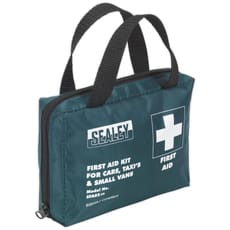
- First Aid Kits and Emergency Equipment - essential safety provisions for remote work locations and wilderness camping
- Water Carriers and Storage Containers - maintaining hydration and providing washing facilities where plumbing isn't available
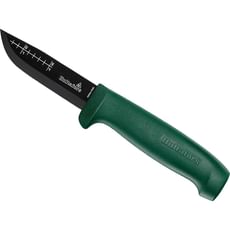
- Multi-Tools and Camping Knives - versatile cutting and repair tools for various outdoor tasks and emergency situations
- Torch and Head Torch Systems - hands-free lighting for early morning site starts or evening camp activities
- Sleeping Bags and Camping Mats - comfortable rest solutions for overnight site stays or extended trips
Safety Information
Electrical Safety Outdoors: When using electrical camping accessories, ensure all equipment meets UK safety standards (BS EN specifications) and carries appropriate certification markings. Use only outdoor-rated extension cables with adequate IP ratings, and never overload circuits. Portable 240v equipment should be PAT tested if required by site regulations. Keep electrical connections elevated above ground level to prevent water ingress, and disconnect power during heavy rain or thunderstorms. RCD protection is essential when using mains-powered equipment outdoors.
Shelter and Structure Safety: Properly secure all tents, gazebos, and shelter structures with appropriate guy lines and ground anchors suitable for the terrain and expected wind conditions. Position shelters away from overhead hazards including power lines, unstable trees, and potential rockfall areas. Never use naked flames or certain heating equipment inside enclosed shelters without proper ventilation - carbon monoxide poisoning is a serious risk. Check local regulations regarding open fires and camping stoves, particularly during dry periods when fire risk is elevated.
Food Safety and Hygiene: Store food appropriately in sealed containers or cool boxes to prevent contamination and pest attraction. Maintain proper food temperatures - hot foods above 63°C and cold foods below 5°C when possible. Ensure adequate handwashing facilities are available, particularly when handling food on work sites. Dispose of waste properly and never leave food unattended, especially in rural areas where wildlife may be attracted.
Gas and Fuel Safety: Store gas canisters and liquid fuels in well-ventilated areas away from ignition sources and direct sunlight. Never change gas canisters near naked flames or inside enclosed spaces. Check all connections for leaks before use, and carry appropriate fire extinguishing equipment. Follow manufacturer instructions precisely when operating camping stoves and heating equipment. Be aware that gas performance decreases in cold temperatures, potentially requiring different canister types for winter use.
Weather Awareness: Monitor weather forecasts regularly when working or camping outdoors. Be prepared to secure or dismantle temporary structures if severe weather approaches. Understand the signs of hypothermia and heat exhaustion, and carry appropriate clothing layers. In remote locations, inform someone of your planned location and expected return time. Carry emergency communication equipment for areas with limited mobile signal coverage.
Frequently Asked Questions
Can I use my cordless tool batteries to power camping accessories?
Many modern camping lights, portable fans, and power solutions are now compatible with professional cordless tool battery systems from manufacturers like Makita, DeWalt, and Milwaukee. This provides excellent convenience for tradespeople already invested in these platforms, eliminating the need for separate battery charging infrastructure. The selection at Tooled-Up includes various camping accessories designed specifically to accept these battery formats. Check compatibility specifications carefully before purchasing, and consider that higher-capacity batteries (5.0Ah and above) provide significantly longer runtime for lighting and power applications compared to smaller capacity batteries.
What IP rating do I need for camping accessories used on outdoor work sites?
For general outdoor use in typical UK weather conditions, look for a minimum IP rating of IP44 (protection against solid objects over 1mm and water splashes from any direction) for electrical camping accessories. For more exposed locations, sites near water, or use during heavy rain, IP65 or higher provides superior protection against dust ingress and powerful water jets from any direction. Non-electrical items should feature waterproof or highly water-resistant construction with sealed or taped seams. Remember that IP ratings indicate maximum protection - proper care and storage still extends product lifespan considerably.
How should I store camping accessories when not in use?
Clean and thoroughly dry all camping accessories before storage to prevent mould growth, corrosion, and material degradation. Store in a cool, dry location away from direct sunlight which can degrade fabrics, plastics, and rubber components over time. Consider using stackable storage systems like Stanley FatMax, DeWalt TSTAK, or Milwaukee PACKOUT to keep accessories organised, protected, and easy to locate when needed. Ensure lithium-ion batteries are stored according to manufacturer guidelines, typically at 40-60% charge in moderate temperatures away from metal objects. Periodically inspect stored equipment for damage or deterioration, particularly before seasonal use.
Are camping accessories suitable for year-round use in UK conditions?
Quality camping accessories designed for professional or serious outdoor use can perform reliably throughout UK seasons, though some products have specific seasonal limitations. Check temperature ratings for sleeping equipment and battery performance specifications in cold conditions - lithium-ion batteries lose capacity below 0°C. Winter use may require additional insulation, higher-specification weather protection, and consideration of reduced daylight hours affecting solar-powered equipment. Gas camping stoves require different canister types for cold weather use. Always select accessories appropriate for your worst-case seasonal conditions rather than average expected weather, particularly if working or camping in exposed locations or at altitude.
What camping accessories are essential for remote construction sites?
Remote construction sites benefit from several key camping accessories that enhance safety and productivity. Prioritise reliable lighting solutions with sufficient lumen output for safe working and site security overnight. Portable power systems ensure communication devices remain charged and enable use of small 240v equipment. Weather-resistant storage protects tools and materials from theft and weather damage. First aid kits, emergency equipment, and adequate welfare facilities are legal requirements on most sites. Consider shelter solutions for break areas, particularly during winter months. Always consult HSE guidelines and site-specific health and safety requirements when establishing temporary facilities on construction sites.