

Car Ramps
Pay in 3 interest-free payments on purchases from £30-2000 with  . Learn more.




 Loading...
End of content
Error - No more pages to load
About Car Ramps
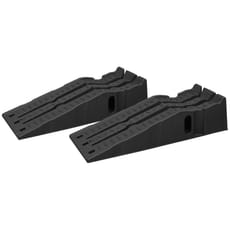
Car ramps are essential lifting equipment for anyone who needs safe, reliable access to the underside of a vehicle for maintenance, inspection, or repair work. Whether you're changing oil, inspecting brake systems, or carrying out routine servicing, a quality set of car ramps provides a stable and secure platform that's often more convenient than using a jack and axle stands. Tooled-Up.com stocks a comprehensive range of car ramps from trusted brands including Sealey and Sirius, with capacities ranging from 2 tonnes to 3 tonnes to suit everything from compact cars to larger family vehicles and light commercial vehicles.
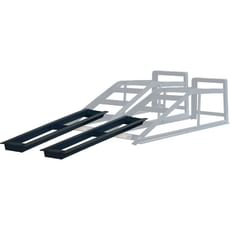
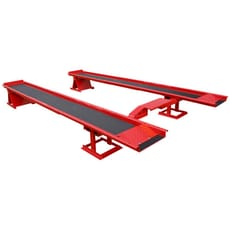
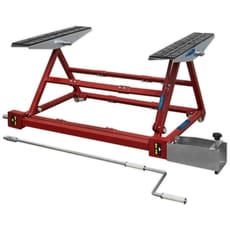
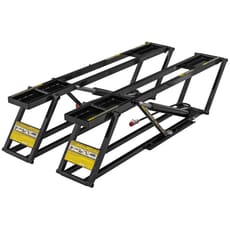
The car ramp selection at Tooled-Up includes traditional fixed-height ramps, modular ramp kits that can be configured to different heights, portable pivot lifts, and specialised low-entry extensions designed specifically for vehicles with minimal ground clearance such as sports cars and lowered vehicles. Many professional mechanics, mobile technicians, and serious DIY enthusiasts prefer car ramps over hydraulic jacks because they provide excellent stability, don't require pumping or maintenance, and allow you to work on both wheels simultaneously, making jobs like brake servicing significantly more efficient.
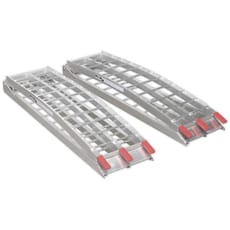
Modern car ramps are typically manufactured from heavy-duty steel or lightweight aluminium, featuring anti-slip surfaces, safety stops, and generous working heights to provide comfortable access beneath the vehicle. Extension ramps and low-entry accessories expand the versatility of basic ramp sets, ensuring compatibility with a wider range of vehicle types and ground clearances, making them an invaluable addition to any home garage or professional workshop.
Jargon Buster
- Tonne Capacity: The maximum weight the ramps can safely support, typically rated per pair. A 2-tonne capacity means the ramp pair can support vehicles up to 2000kg, whilst 3-tonne ramps handle vehicles up to 3000kg. Always check your vehicle's kerb weight before purchasing.
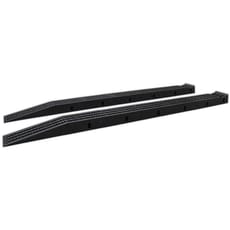
- Low-Entry Extension: An additional ramp section that reduces the approach angle, making it easier for vehicles with low ground clearance (sports cars, lowered vehicles) to climb onto the main ramps without scraping the front bumper or undercarriage.
- Ground Clearance: The distance between the lowest point of a vehicle's undercarriage and the ground. Vehicles with minimal ground clearance require low-entry extensions or specially designed ramp systems to avoid damage during mounting.
- Working Height: The vertical distance your vehicle is raised off the ground when positioned on the ramps. Greater working height provides more comfortable access but may require low-entry extensions for vehicles with limited ground clearance.
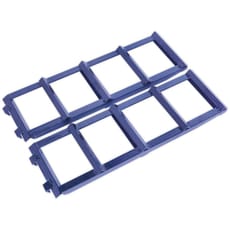
- Modular Ramp Kit: A configurable ramp system with stackable or interlocking components that allow you to adjust the height and approach angle to suit different vehicles and working requirements.
- Anti-Slip Surface: Textured or serrated surface treatment on the ramp deck that provides traction for tyres during ascent and prevents vehicles from sliding when elevated, particularly important in workshops where oil or fluids may be present.
Who Uses Car Ramps?
Car ramps are used daily by a diverse range of professionals and enthusiasts including:
- Professional mechanics and automotive technicians in independent garages and main dealerships
- Mobile mechanics who need portable, lightweight lifting solutions for roadside and customer premises
- MOT testing stations and vehicle inspection centres
- Fleet maintenance teams servicing company vehicles, delivery vans, and commercial cars
- Motor enthusiasts and classic car owners performing their own maintenance and restoration work
- DIY motorists carrying out routine servicing, oil changes, and brake inspections at home
- Car detailing professionals accessing wheel arches and undersides for comprehensive cleaning
- Agricultural engineers and machinery maintenance specialists working on compact tractors and utility vehicles
- Caravan and motorhome owners accessing chassis components and storage compartments
How to Choose the Right Car Ramps
Selecting appropriate car ramps requires careful consideration of several important factors to ensure safety, compatibility, and value:
Weight Capacity: Check your vehicle's kerb weight in the handbook or on the manufacturer's plate, then select ramps with a capacity that exceeds this figure. For typical family cars, 2-tonne ramps are generally sufficient, whilst larger vehicles, SUVs, and light commercial vehicles require 3-tonne capacity ramps. Always build in a safety margin rather than working at the maximum rated capacity.
Ground Clearance Compatibility: Measure the distance from the ground to your vehicle's lowest front point (usually the bumper or spoiler). Sports cars, performance vehicles, and lowered cars typically require low-entry extensions or specially designed low-profile ramps to prevent damage during mounting. Standard ramps work well with family cars, estates, and vehicles with normal ground clearance.
Material Construction: Steel ramps offer maximum strength and durability, ideal for permanent workshop installation and heavy-duty use, but they're considerably heavier to move. Aluminium ramps provide excellent portability for mobile mechanics whilst still offering substantial load capacity, though they typically command a higher price point.
Working Height: Consider the clearance you need beneath the vehicle for your typical tasks. Oil changes require minimal height, whilst exhaust work, suspension inspection, or transmission servicing benefit from greater elevation. Modular ramp kits offer flexibility to adjust working height for different jobs.
Storage and Portability: Evaluate your available storage space and whether you need to transport ramps between locations. Portable pivot lifts and lightweight aluminium ramps suit mobile workers, whilst fixed steel ramps are perfect for dedicated workshop spaces.
Safety Features: Look for anti-slip surfaces on both the ramp deck and base, integrated safety stops to prevent over-driving, and high-visibility markings. Ramps with rubber feet provide stability on smooth concrete floors.
Popular Accessories
Enhance the functionality and safety of your car ramps with these complementary products:
- Low-entry extensions for vehicles with minimal ground clearance
- Wheel chocks to secure rear wheels and prevent rolling
- Creeper boards and mechanics' trolleys for comfortable underside access
- Inspection lamps and LED work lights for illuminating the work area
- Oil drain pans and fluid collection equipment
- Axle stands as secondary safety supports for extended work periods
- Rubber matting or anti-fatigue flooring for workshop comfort
- Magnetic parts trays and tool organisers for keeping components accessible
- Brake caliper tools and specialist automotive tool sets
- Nitrile gloves and workshop paper for maintaining cleanliness
Safety Information
Working beneath elevated vehicles presents significant risks. Always follow these essential safety guidelines when using car ramps:
Vehicle Preparation: Ensure the vehicle is in first gear (manual) or park (automatic) with the handbrake firmly applied before ascending ramps. Chock the rear wheels securely to prevent any possibility of rolling. Never work under a vehicle supported solely by ramps if someone is sitting in the vehicle or the engine is running.
Ramp Positioning: Place ramps on firm, level ground—never on soft surfaces, gradients, or uneven terrain. Ensure both ramps are positioned at equal distances from the vehicle's centreline and aligned parallel to each other. Check that the ramps cannot slip by confirming they have adequate rubber feet or anti-slip base surfaces.
Ascending Procedure: Drive slowly and steadily up the ramps in a straight line. Have a second person guide you if possible, particularly when first using new ramps. Stop immediately when the wheels contact the safety stops—never attempt to drive beyond them. Once elevated, engage the handbrake, switch off the engine, and remove the keys.
Secondary Support: For extended work periods or tasks requiring significant force (such as loosening seized components), place axle stands under the vehicle's jacking points as secondary support. Never rely solely on ramps for jobs requiring hammering, leverage, or substantial mechanical force.
Regular Inspection: Before each use, inspect ramps for cracks, deformation, corrosion, or damage to anti-slip surfaces. Check that all components of modular systems are properly engaged and locked. Any damaged or compromised ramps should be taken out of service immediately.
Weight Limits: Never exceed the manufacturer's stated weight capacity. Remember that capacity ratings typically apply to the complete pair of ramps, not individual units. Consider the weight distribution of your specific vehicle and account for any additional load such as full fuel tanks or cargo.
Frequently Asked Questions
What's the difference between 2-tonne and 3-tonne car ramps?
The tonne rating indicates the maximum vehicle weight the ramps can safely support. Most standard family cars, hatchbacks, and saloons weigh between 1000-1600kg and are suitable for 2-tonne ramps. Larger vehicles including SUVs, MPVs, 4x4s, and light commercial vehicles often exceed 2000kg and require 3-tonne capacity ramps. Always check your vehicle's kerb weight in the owner's manual and select ramps with capacity exceeding this figure to maintain a safety margin.
Can I use car ramps on my lowered vehicle or sports car?
Yes, but you'll likely need low-entry extensions or ramps specifically designed for vehicles with minimal ground clearance. Standard ramps have an approach angle that can cause low-profile vehicles to scrape or ground out on the initial incline. Low-entry extensions effectively reduce the approach angle, creating a gentler gradient that allows the vehicle to mount the ramps without contact. Measure your vehicle's front ground clearance before purchasing to ensure compatibility.
Are car ramps safer than using a trolley jack and axle stands?
Both methods are safe when used correctly, but they serve slightly different purposes. Car ramps provide excellent stability and are generally quicker to deploy for routine jobs like oil changes and brake inspections. They elevate both front wheels simultaneously, which is ideal for these tasks. However, ramps only lift one end of the vehicle, whilst jacks and stands can lift individual corners or the entire vehicle. For jobs requiring wheel removal or access to suspension components, jacks and stands are more appropriate. Many professionals use ramps for the initial lift then add axle stands as secondary support for extended work periods.
How do I know if my garage floor is suitable for car ramps?
Car ramps require a firm, level, solid surface to operate safely. Concrete garage floors are ideal. Avoid using ramps on soft surfaces like asphalt (which can deform under concentrated weight), gravel, earth, or any uneven terrain. The floor should be level—working on a gradient creates instability and safety risks. If your garage floor has a slight slope for drainage, position the ramps so the vehicle is oriented across the slope rather than up or down it, and use wheel chocks religiously.
Do I need to use wheel chocks with car ramps?
Absolutely yes. Wheel chocks on the rear wheels are an essential safety measure when using car ramps to elevate the front of a vehicle. Even with the handbrake applied and the vehicle in gear, chocks provide critical additional security against rolling. Position chocks firmly against the rear wheels on the downhill side (towards the rear of the vehicle). This simple precaution takes seconds but significantly enhances safety, particularly important given HSE guidelines for working at height and beneath suspended loads.