

Cement

Pay in 3 interest-free payments on purchases from £20-£3000 with  . Learn more.
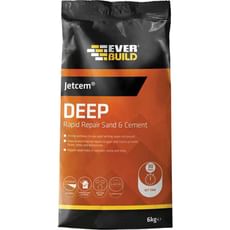
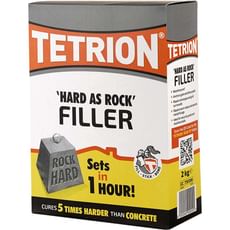
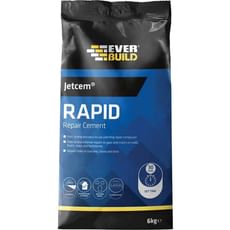
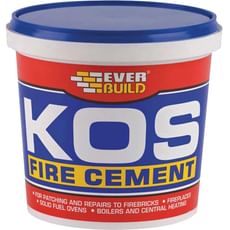
 Loading...
End of content
Error - No more pages to load
About Cement
Cement is one of the most fundamental building materials in construction and repair work, serving as the essential binding agent in countless applications from major structural projects to minor DIY repairs. The cement range at Tooled-Up.com encompasses specialised formulations designed to meet specific trade requirements, including rapid-set cements for time-critical repairs, fire-resistant cements for high-temperature applications, self-levelling compounds for floor preparation, and ready-mixed cement products that eliminate the guesswork from mixing ratios.
These carefully selected cement products predominantly feature Everbuild, a trusted British brand renowned for professional-grade building materials that deliver consistent results across demanding trade applications. Whether you're a professional tradesperson requiring fire cement for heating installations, a builder needing quick-setting cement for urgent repairs, or a keen DIYer tackling home improvement projects, Tooled-Up stocks formulations engineered for superior bonding strength, workability, and durability. From Jetcem rapid-set varieties that cure in minutes to specialised fire cements rated for high-temperature environments, each product is designed to meet stringent British and European standards.
Modern cement formulations have evolved significantly beyond traditional Portland cement mixes, with manufacturers developing purpose-specific products that address particular challenges. The selection includes innovative solutions like self-levelling floor compounds for creating perfectly flat surfaces, pre-mixed sand and cement products that ensure consistent quality, and specialist repair cements formulated for masonry restoration. These advanced formulations save valuable time on site whilst delivering professional results that stand the test of time.
Jargon Buster
- Rapid-Set Cement: A quick-curing cement formulation that achieves initial set in as little as 10-30 minutes, ideal for time-sensitive repairs where standard cement's longer curing time would cause project delays or disruption.
- Fire Cement: A heat-resistant cement specifically formulated to withstand sustained high temperatures, typically up to 1250°C, used for sealing and repairing flues, stoves, boilers, and other heating appliances where standard cement would fail.
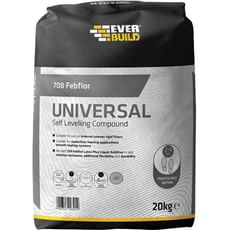
- Self-Levelling Compound: A fluid cement-based mixture that spreads and levels itself under gravity, creating a perfectly flat surface for floor finishes without requiring manual trowelling or skilled screeding techniques.
- Premix Sand and Cement: A ready-blended product combining cement, sand, and additives in precise ratios, eliminating measurement errors and ensuring consistent strength and workability across batches.
- Workability Time: The period after mixing during which cement remains sufficiently plastic and workable for application before it begins to set, typically ranging from 20 minutes to several hours depending on formulation.
- Compressive Strength: A measurement (expressed in N/mm² or MPa) indicating the maximum load cement can withstand before failure, critical for structural applications and typically specified in British Standards.
Who Uses Cement?
Cement products serve a diverse range of construction professionals and trades including:
- Bricklayers and Stonemasons: Using cement mortar for laying bricks, blocks, and stone in structural and decorative applications
- Plasterers and Renderers: Requiring cement-based products for external rendering, floor screeds, and repair work
- Heating Engineers and Plumbers: Using fire cement for sealing and repairing flues, wood burners, boilers, and high-temperature pipe installations
- General Builders: Employing various cement types for foundations, repairs, and general construction work
- Flooring Contractors: Utilising self-levelling compounds to prepare substrates for tiles, vinyl, laminate, and other floor coverings
- Property Maintenance Professionals: Using rapid-set and repair cements for quick fixes in domestic and commercial properties
- DIY Enthusiasts: Tackling home improvement projects including patios, garden walls, and interior repairs
- Restoration Specialists: Requiring specific cement formulations for heritage building repairs and conservation work
How to Choose the Right Cement
Application Type: Identify whether you need cement for general building work, specialist high-temperature applications, floor levelling, or rapid repairs. Fire cement is essential for heating installations, whilst rapid-set varieties suit urgent repairs where curing time is critical. Self-levelling compounds are purpose-designed for floor preparation and shouldn't be substituted with standard cement mixes.
Setting Time Requirements: Consider how quickly you need the cement to cure. Rapid-set formulations like Jetcem achieve initial set within 30 minutes, allowing faster project completion and reducing downtime on time-critical jobs. Standard cement provides longer workability but requires extended curing periods before loads can be applied.
Temperature Resistance: For applications involving heat exposure such as flues, stoves, fireplaces, and boiler installations, only fire cement rated to appropriate temperatures should be used. Fire cements typically withstand temperatures exceeding 1000°C, whereas standard cement would crack and fail under such conditions.
Mixing Convenience: Premixed sand and cement products eliminate measuring and ensure consistent ratios, particularly valuable when working alone or on projects requiring uniform strength characteristics. These ready-to-use formulations simply require water addition, saving time and reducing the risk of mixing errors that could compromise strength.
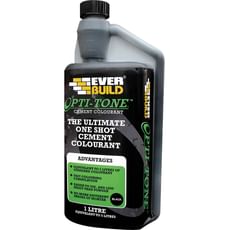
Colour Matching: When undertaking visible repairs or colour-sensitive work, cement colourants allow you to match existing masonry tones, ensuring repairs blend seamlessly with surrounding materials rather than creating obvious patches.
Coverage and Quantity: Calculate the required volume accurately to avoid shortages mid-project or excessive waste. Product data sheets specify coverage rates per kilogram, allowing precise quantity estimation based on your project dimensions and application thickness.
Popular Accessories
- Mixing Tools: Paddle mixers, mixing drills, and traditional hawks and trowels for preparing and applying cement
- Measuring Equipment: Buckets with graduated markings for accurate water-to-cement ratios
- Application Tools: Pointing trowels, finishing trowels, floats, and edging tools for different cement applications
- Mixing Containers: Heavy-duty buckets, mixing tubs, and cement mixers for various batch sizes
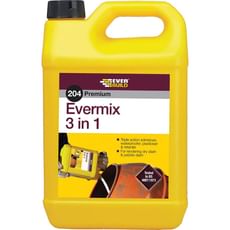
- Sealers and Primers: Products like 3-in-1 sealers to enhance adhesion and protect finished cement surfaces
- Cleaning Equipment: Brushes, sponges, and cleaning solutions for removing excess cement and maintaining tools
- Levelling Tools: Spirit levels, straight edges, and laser levels for ensuring accurate cement application
- Safety Equipment: Protective gloves, safety glasses, dust masks, and knee pads for safe cement handling
Safety Information
Cement products require careful handling due to their alkaline properties and potential health hazards. Always wear appropriate PPE including waterproof gloves, safety glasses, and respiratory protection when mixing or applying cement, as the alkaline nature can cause skin irritation, burns, and respiratory issues from dust inhalation. Cement dust is classified as hazardous under COSHH regulations, so adequate ventilation is essential during mixing and application.
Avoid prolonged skin contact with wet cement, which can cause alkaline burns that may not be immediately apparent but can result in serious dermatitis. If cement contacts skin, wash immediately with clean water. When working with fire cement in confined spaces such as flues, ensure adequate ventilation and be aware of fumes during curing. Always read manufacturer's safety data sheets before use, and dispose of unused cement and contaminated water responsibly in accordance with HSE guidelines and local environmental regulations.
Store cement in dry conditions off the ground, as exposure to moisture will cause premature setting and render the product unusable. Keep cement products away from children and pets, and never mix cement in confined spaces without proper ventilation and respiratory protection.
Frequently Asked Questions
What's the difference between cement and concrete?
Cement is the binding powder ingredient, whilst concrete is the finished composite material made by mixing cement with sand, aggregate (stones), and water. Cement acts as the glue that holds concrete together. Many products available from Tooled-Up.com are pre-mixed formulations that already contain the correct proportions of cement and sand, requiring only water addition.
How long does cement take to fully cure?
Whilst most cement achieves initial set within 24-48 hours, full curing to maximum strength typically takes 28 days under normal conditions. However, rapid-set formulations like Jetcem can achieve initial set in as little as 10-30 minutes, with sufficient strength for light use within hours. Temperature and humidity significantly affect curing times, with cold or damp conditions extending the process.
Can I use fire cement for general building work?
No, fire cement is specifically formulated for high-temperature applications and isn't suitable as a general-purpose building cement. It's designed for sealing flues, stoves, and heating appliances where temperatures exceed what standard cement can withstand. For general construction, use appropriate building cement or premixed sand and cement products.
What water ratio should I use when mixing cement?
Water-to-cement ratio varies by product and application, but generally aim for a workable consistency that's neither too dry (crumbly) nor too wet (runny). Premixed products include specific instructions on packaging. Too much water weakens the final strength, whilst insufficient water makes application difficult and can prevent proper curing. Always follow manufacturer's guidelines for best results.
Why won't my cement stick properly?
Poor adhesion typically results from inadequate surface preparation, with dust, loose material, or insufficient dampening preventing proper bonding. Always clean surfaces thoroughly, remove loose material, and dampen porous surfaces before application. Using primers or bonding agents like 3-in-1 sealers can significantly improve adhesion, particularly on smooth or non-porous surfaces where cement struggles to grip mechanically.