

Chainsaw Chains

Pay in 3 interest-free payments on purchases from £20-£3000 with  . Learn more.

Loading...
End of content
Error - No more pages to load
About Chainsaw Chains
Chainsaw chains are essential consumable components that directly influence the cutting performance, safety and efficiency of any chainsaw. Whether you're a professional arborist working at height, a groundskeeper maintaining extensive estates, or a DIY enthusiast processing firewood at home, having the correct replacement chain for your saw is fundamental to maintaining productivity and ensuring safe operation. These precision-engineered cutting chains must match your chainsaw's exact specifications to function correctly and safely.
The selection available from Tooled-Up.com includes comprehensive coverage of chainsaw chains from trusted manufacturers including ALM, DeWalt, Bosch, Einhell and Black & Decker, suitable for both professional and consumer-grade machines. Understanding which chain fits your particular saw requires knowledge of three critical measurements: pitch (the spacing between drive links), gauge (the thickness of drive links) and the number of drive links. Additionally, your chainsaw's bar length determines which chain length you'll require. The range includes both standard cutting chains for maximum performance and low-kickback (Lo-Kick) chains designed with enhanced safety features for reduced kickback risk.
Regular chain replacement remains vital for maintaining cutting efficiency and preventing dangerous situations caused by worn or damaged chains. Even when chains appear serviceable, cutting performance deteriorates over time as cutter teeth wear down and lose their sharp edge. Whilst chainsaw sharpeners can extend the usable life of chains, eventually all chains require replacement to ensure optimal performance and operator safety. Professional users typically maintain multiple spare chains to avoid downtime, whilst homeowners should keep at least one spare chain to hand for when replacement becomes necessary.
Jargon Buster
- Pitch: The distance between three consecutive rivets divided by two, typically measured in inches (commonly 3/8"). This is one of three critical measurements needed to identify the correct replacement chain and must match your chainsaw's specifications exactly.
- Gauge: The thickness of the drive links that fit into the guide bar groove, usually measured in inches or millimetres. Common gauges include 1.1mm, 1.3mm, 1.5mm and 1.6mm. Using an incorrect gauge results in poor fit and creates dangerous operating conditions.
- Drive Links: The individual links that drive the chain around the guide bar and sit within the bar's groove. This number must match your original chain exactly and varies depending on bar length and chain pitch. Counting drive links is the most accurate method for identifying the correct replacement chain.
- Bar Length: The effective cutting length of your chainsaw's guide bar, typically measured in centimetres (30cm, 35cm, 40cm, 45cm) or inches. This measurement helps determine which chain length you require and is usually marked on the guide bar itself.
- Lo-Kick / Low-Kickback Chain: Specially designed chains with modified cutter and depth gauge configurations that reduce the risk of dangerous kickback situations. These safety chains minimise the grabbing effect that causes kickback, making them particularly suitable for less experienced users or overhead work.
- Cutter Teeth: The sharp cutting edges along the chain that perform the actual cutting work. These require regular sharpening to maintain performance and will eventually wear down beyond effective sharpening limits, necessitating complete chain replacement.
Who Uses Chainsaw Chains?
- Arborists and Tree Surgeons: Professional tree care specialists who rely on chainsaws daily and require frequent chain replacements to maintain cutting performance and safety standards
- Groundskeepers and Estate Managers: Professionals maintaining large properties, parks and estates who use chainsaws for regular tree maintenance and land management tasks
- Landscapers: Garden and landscape professionals who regularly undertake tree work, hedge laying and site clearance requiring reliable chainsaw performance
- Forestry Workers: Professionals working in commercial forestry operations requiring heavy-duty chains for demanding cutting applications in challenging conditions
- Farmers and Agricultural Workers: Those managing woodland, hedgerows and general land maintenance on agricultural properties requiring dependable chainsaw chains
- Local Authorities and Council Workers: Teams responsible for maintaining public spaces, parks and roadside vegetation who need readily available replacement chains
- DIY Enthusiasts and Homeowners: Garden owners who maintain their own trees, process firewood or undertake general property maintenance requiring occasional chain replacement
- Wood Processing and Sawmill Operators: Those involved in timber processing who require reliable chain replacements for consistent production and minimal downtime
How to Choose the Right Chainsaw Chains
Check Your Existing Chain Specifications: The easiest identification method involves examining your current chain for stamped markings indicating pitch and gauge, or consulting your chainsaw's user manual. Many chains have these specifications stamped on the depth gauge links for easy reference.
Count Drive Links Accurately: Count the number of drive links on your existing chain by counting each link that sits in the guide bar groove around the entire chain loop. This is the most accurate method for ensuring you're ordering the correct replacement and avoids compatibility issues.
Measure Bar Length Correctly: Measure your guide bar's effective cutting length, excluding the section that sits inside the chainsaw body. Common lengths include 30cm, 35cm, 40cm and 45cm, and this measurement helps narrow down suitable replacement options significantly.
Match to Chainsaw Model: Browse the range at Tooled-Up.com for chains that specifically list your chainsaw make and model in the product title or description. The selection includes many model-specific chains for popular brands including Bosch AKE models, Einhell, Ikra and Black & Decker machines.
Consider Safety Features: Low-kickback chains provide additional safety margins, particularly valuable for less experienced users or when working in challenging positions such as overhead cutting. These Lo-Kick chains are engineered to reduce the dangerous kickback effect that can occur during operation.
Choose Quality Brands: Brands like ALM manufacture high-quality aftermarket chains delivering reliable performance at competitive prices, whilst original equipment manufacturer chains from DeWalt, Bosch and other power tool brands ensure perfect compatibility with their respective machines.
Maintain Spare Chains: Professional users should always keep spare chains to avoid costly downtime. Having a freshly sharpened chain ready to swap when one becomes dull maximises productivity on site and ensures continuous operation.
Popular Accessories
- Chainsaw Sharpeners: Electric, manual file and bench-mounted sharpeners to restore cutting edges and extend chain life between replacements
- Chainsaw Bar Oil: Specialist lubricating oil essential for reducing friction, preventing premature wear and ensuring proper chain and guide bar lubrication
- Replacement Guide Bars: Worn guide bars should be replaced alongside chains to ensure optimal performance, proper chain tension and safe operation
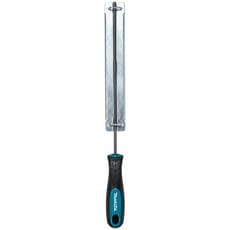
- Chainsaw Files and File Guides: Manual sharpening tools for maintaining chains in the field when electric sharpeners aren't available or practical
- Chain Breakers and Riveters: Specialist tools for repairing or customising chain lengths, particularly useful for professional users managing multiple machines
- Depth Gauge Tools: Precision tools for correctly setting depth gauges to maintain proper cutting performance and prevent kickback
- Chainsaw Cleaning Brushes: Specialist brushes for removing sawdust, resin and debris from chains and guide bars during maintenance
- Protective Chainsaw Gloves: Cut-resistant gloves providing essential protection during chain changes and maintenance work
- Chainsaw Storage Cases: Protective cases for safely storing and transporting chainsaws with fitted chains, preventing damage and injury
Safety Information
Chainsaw chains are sharp cutting implements that pose serious safety risks if handled or maintained incorrectly. Always disconnect the spark plug on petrol models or remove the battery on cordless machines before performing any chain maintenance or replacement work. Wear appropriate cut-resistant gloves when handling chains, as the cutter teeth remain extremely sharp even when worn or damaged.
Only fit chains that match your chainsaw's exact specifications – incorrect pitch, gauge or drive link count can result in dangerous chain failure, derailment or severe kickback situations. Ensure chains are tensioned correctly according to the manufacturer's guidance; chains that are too loose can derail during operation, whilst overtightened chains cause excessive wear, increased power consumption and potential breakage.
Regular inspection of your chain is essential for safe operation and compliance with HSE guidelines. Replace chains immediately showing signs of damage including cracked or broken drive links, damaged tie straps, or cutter teeth worn beyond sharpening limits. Never attempt to repair damaged chains with makeshift methods – always fit a new replacement from a reputable manufacturer.
When operating chainsaws fitted with new or freshly sharpened chains, be aware that cutting performance will be significantly improved, requiring adjusted handling technique to maintain proper control. Always follow HSE guidance for chainsaw operation, and ensure you have received appropriate training before using chainsaws professionally. Suitable personal protective equipment including chainsaw trousers, safety boots with steel toecaps, cut-resistant gloves, helmet with integrated visor and hearing protection should always be worn during chainsaw operation.
Frequently Asked Questions
How often should I replace my chainsaw chain?
This depends entirely on usage intensity and cutting conditions. Professional users may replace chains weekly or even daily during heavy use in demanding applications, whilst occasional DIY users might only need annual replacement. Replace chains when cutter teeth are worn beyond effective sharpening, if drive links show damage or cracks, or when cutting performance deteriorates significantly despite proper sharpening. As a general rule, most chains can be sharpened 3-5 times before replacement becomes necessary, though this varies with usage patterns and sharpening technique.
Can I use aftermarket chains instead of original manufacturer chains?
Yes, quality aftermarket chains from reputable manufacturers like ALM offer excellent performance and value when correctly matched to your chainsaw's specifications. The critical requirement is ensuring the pitch, gauge and drive link count are identical to your original chain. Many professional users prefer aftermarket chains for routine work due to their competitive pricing, keeping original equipment manufacturer chains for particularly demanding applications or when warranty considerations apply.
What's the difference between standard and low-kickback chains?
Low-kickback (Lo-Kick) chains feature modified cutter and depth gauge designs that reduce the grabbing effect responsible for dangerous kickback situations. These chains incorporate additional safety features that limit the depth of cut and reduce the chain's tendency to grab unexpectedly. They're particularly recommended for less experienced users, when working overhead or in awkward positions, or when using smaller domestic chainsaws. Whilst they offer enhanced safety margins, cutting speed may be slightly reduced compared to standard chains.
How do I know which chain size fits my chainsaw?
You'll need three critical measurements: pitch (spacing between drive links), gauge (thickness of drive links) and the number of drive links. These specifications are often stamped on the existing chain itself or listed in your chainsaw's user manual. Alternatively, search for your specific chainsaw model at Tooled-Up – many chains include compatible models in the title or description, making identification straightforward even without technical measurements.
Should I buy multiple chains for my chainsaw?
For professional users, having at least two or three chains is highly recommended and considered standard practice. This allows you to swap to a sharp chain immediately when one becomes dull, maintaining productivity rather than stopping work to sharpen on site. You can then sharpen multiple chains together at the end of the working day. For DIY users, having one spare chain ensures you're never caught out mid-project when your chain becomes damaged or excessively worn, avoiding frustrating delays.