

Chainsaw Protective Clothing

Pay in 3 interest-free payments on purchases from £20-£3000 with  . Learn more.
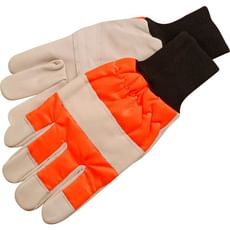
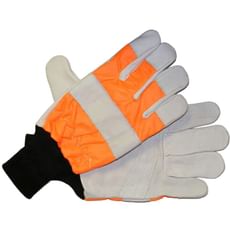
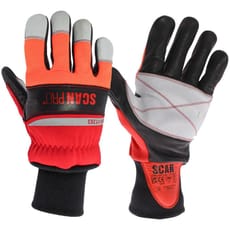
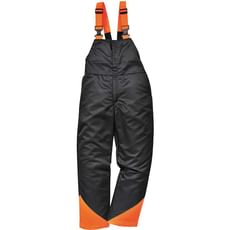
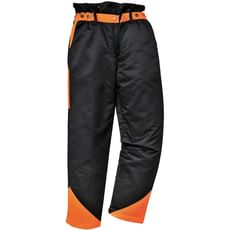
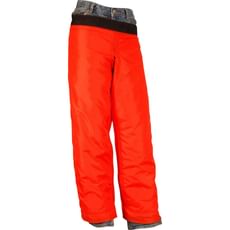
 Loading...
End of content
Error - No more pages to load
About Chainsaw Protective Clothing
Chainsaw protective clothing is specialised personal protective equipment (PPE) designed to protect users from the serious injuries that can occur when operating chainsaws. This essential safety gear incorporates multiple layers of protective fibres that are engineered to clog and stop a chainsaw chain on contact, potentially preventing life-threatening injuries. Whether you're a professional arborist, forestry worker, or a homeowner tackling garden maintenance, wearing appropriate chainsaw protective clothing is not only a legal requirement under HSE guidelines for commercial use, but also vital for personal safety.
The chainsaw protective clothing category at Tooled-Up.com encompasses a complete range of PPE specifically designed for chainsaw operation. This includes chainsaw trousers and chaps that protect your legs, chainsaw jackets for upper body protection, chainsaw gloves to safeguard your hands whilst maintaining grip and dexterity, and chainsaw boots with reinforced toe caps and cut-resistant panels. Each piece of protective equipment is tested and certified to meet rigorous European safety standards, ensuring you can work with confidence and compliance.
Modern chainsaw protective clothing has evolved significantly, combining maximum safety with improved comfort and mobility. Today's designs feature breathable fabrics, ergonomic cuts, and lightweight materials that don't compromise on protection. Whether you're working in forestry, tree surgery, grounds maintenance, or estate management, investing in quality chainsaw protective clothing from trusted brands like Portwest and DeWalt is an investment in your safety and professional capability.
Jargon Buster
- Class Rating (Class 0, 1, 2, 3): The classification system that indicates the minimum chain speed protection level. Class 0 protects against chain speeds up to 16 m/s, Class 1 up to 20 m/s, Class 2 up to 24 m/s, and Class 3 up to 28 m/s. Most professional users require Class 1 or higher.
- Type A, B, and C Protection: Refers to the coverage area of chainsaw trousers. Type A protects only the front of the legs, Type B protects front and sides, and Type C provides all-round protection including the rear. Type A is most common for general chainsaw work.
- EN 381: The European standard that governs chainsaw protective clothing. This standard specifies performance requirements and test methods for protective clothing used during chainsaw operation, ensuring consistent safety across products.
- Chainsaw Protective Layers: Multiple layers of long, loose fibres (typically made from materials like Kevlar or polyester) that are designed to be pulled out and jam the chainsaw's sprocket when contacted, stopping the chain rapidly.
- Cut Resistance vs Cut Protection: Cut resistance (measured in metres per second) indicates how well material resists being cut through, whilst cut protection refers to the ability to stop a chainsaw chain by clogging the mechanism—these are different properties.
- CE Marking: Indicates that chainsaw protective clothing meets EU safety, health, and environmental protection standards. All chainsaw PPE sold in the UK must carry appropriate CE certification.
Who Uses Chainsaw Protective Clothing?
Chainsaw protective clothing is essential for a diverse range of professionals and users, including:
- Arborists and Tree Surgeons: Professionals who climb and work in trees, requiring full-body protection whilst operating chainsaws at height
- Forestry Workers: Those involved in timber harvesting, woodland management, and commercial logging operations
- Groundskeepers and Estates Managers: Maintaining parks, estates, golf courses, and large properties where tree maintenance is regular
- Landscaping Contractors: Professional landscapers who incorporate tree work and vegetation management into their services
- Council and Local Authority Workers: Employees responsible for maintaining public spaces, parks, and roadside vegetation
- Farmers and Agricultural Workers: Managing hedgerows, clearing land, and maintaining woodland on agricultural properties
- Utility Companies: Workers maintaining power lines, railways, and infrastructure where vegetation management is required
- Homeowners and DIY Enthusiasts: Those with larger gardens, woodland, or properties requiring regular chainsaw use for maintenance
- Conservation Volunteers: Individuals involved in habitat management and conservation projects requiring chainsaw work
How to Choose the Right Chainsaw Protective Clothing
Selecting appropriate chainsaw protective clothing requires careful consideration of several factors to ensure both safety and practicality:
Assess Your Usage and Risk Level: Consider the frequency and type of chainsaw work you undertake. Professional users operating powerful saws daily require higher class ratings (Class 2 or 3) and more comprehensive coverage, whilst occasional domestic users might be adequately protected with Class 1 equipment. However, never compromise on essential protection to save money.
Understand Class and Type Ratings: Ensure your protective clothing matches or exceeds the chain speed of your chainsaw. Check your chainsaw's specifications and select protective clothing with an appropriate class rating. For leg protection, Type A is suitable for ground-level work, but those working at height or in varied positions should consider Type B or C coverage.
Ensure Proper Fit and Comfort: Ill-fitting protective clothing can restrict movement and create hazards. Measure carefully and refer to manufacturer sizing guides. Chainsaw trousers should allow comfortable bending and reaching, whilst jackets shouldn't restrict arm movement. Remember that you'll often wear additional layers underneath, particularly in winter months.
Consider Seasonal Requirements: Chainsaw work is physically demanding and can be undertaken year-round. Summer-weight clothing with breathable fabrics and ventilation panels helps prevent overheating, whilst winter designs offer additional insulation. Some professionals maintain separate warm-weather and cold-weather sets.
Check Standards Compliance: All chainsaw protective clothing should meet EN 381 standards and display CE marking. For professional use, this isn't optional—HSE regulations require appropriate PPE for chainsaw operation. Verify that products carry proper certification and avoid non-certified alternatives.
Evaluate Build Quality and Durability: Quality chainsaw protective clothing represents a significant investment but should last several years with proper care. Look for reinforced stress points, quality stitching, and durable outer fabrics that resist tearing and abrasion. The Tooled-Up range includes trusted brands like Portwest that offer excellent reliability and longevity.
Additional Features: Modern chainsaw clothing incorporates useful features such as multiple pockets for tools and wedges, reinforced knee panels, adjustable waistbands, braces attachments, high-visibility panels for enhanced visibility on site, and water-resistant treatments. Consider which features will benefit your specific working conditions.
Popular Accessories
To ensure complete protection and efficiency when operating chainsaws, consider these complementary products:
- Chainsaw Helmets with Visors: Integrated head, hearing, and face protection systems combining hard hats, ear defenders, and mesh or clear visors
- Safety Glasses and Goggles: Additional eye protection when full face visors aren't required
- First Aid Kits: Comprehensive kits suitable for forestry and outdoor work, including trauma dressings
- High-Visibility Vests: Additional visibility layers for working near roads or in busy environments
- Protective Undershirts and Base Layers: Moisture-wicking layers that improve comfort during extended use
- Tool Belts and Pouches: Convenient storage for wedges, files, and tools whilst working
- Chainsaw Protective Sleeves: Additional arm protection for specific tasks
- Washing and Maintenance Products: Specialised detergents that clean without compromising protective fibres
- Chainsaw Accessories: Files, guide bars, chains, and maintenance tools
- Work Gloves: General purpose work gloves for non-chainsaw tasks on site
Safety Information
Legal Requirements: Under the Health and Safety at Work Act 1974 and the Provision and Use of Work Equipment Regulations 1998 (PUWER), employers must provide appropriate PPE for employees operating chainsaws. The Personal Protective Equipment at Work Regulations 1992 further specify requirements. Even for domestic users, wearing proper chainsaw protective clothing is strongly recommended and may be required by insurance policies.
Certification and Standards: Always ensure your chainsaw protective clothing meets EN 381 standards and carries valid CE marking. Never use damaged or compromised protective clothing—if chainsaw protective layers have been contacted by a chain, the garment must be professionally assessed or replaced, even if damage isn't visible on the outer fabric.
Maintenance and Care: Follow manufacturer washing instructions carefully, as incorrect cleaning can damage protective fibres. Typically, this means washing at low temperatures (30-40°C) without fabric softeners, which can coat protective fibres. Regularly inspect clothing for wear, damage, or contamination with oils and fuels that might compromise protection. Store protective clothing in dry conditions away from direct sunlight.
Training Requirements: Chainsaw protective clothing is only effective when combined with proper training. The HSE recommends that chainsaw operators complete appropriate training courses, such as those certified by NPTC (National Proficiency Tests Council) or Lantra. Wearing correct PPE does not replace the need for proper technique and risk assessment.
Complete Protection System: Chainsaw protective clothing should be part of a complete PPE system. Never operate a chainsaw without all essential protective equipment: appropriate trousers or chaps, safety boots, gloves, helmet with visor, and hearing protection. Each element plays a vital role in preventing different types of injury.
Replacement Schedule: Even without visible damage, chainsaw protective clothing degrades over time through UV exposure, washing, and general wear. Manufacturers typically recommend replacement every 2-5 years depending on usage intensity, even if the clothing appears intact. Keep records of purchase dates and replace according to manufacturer guidelines.
Frequently Asked Questions
Do I legally need to wear chainsaw protective clothing?
If you're using a chainsaw professionally or as part of employment, yes—appropriate PPE is a legal requirement under HSE regulations. For domestic use, whilst not legally mandated, chainsaw protective clothing is strongly recommended and often required by insurance policies. Given the severity of potential chainsaw injuries, wearing proper protection is simply sensible regardless of legal requirements.
What's the difference between chainsaw trousers and chainsaw chaps?
Chainsaw trousers are full garments worn like normal work trousers, offering better comfort, additional pockets, and often more comprehensive protection. Chainsaw chaps are protective leggings worn over regular clothing, offering convenience for occasional users who can quickly put them on and remove them. Trousers are generally preferred by professionals for all-day comfort and durability, whilst chaps suit occasional domestic users.
How do I know what class rating I need?
Check your chainsaw's chain speed specification (measured in metres per second). Class 0 protects up to 16 m/s, Class 1 up to 20 m/s, Class 2 up to 24 m/s, and Class 3 up to 28 m/s. Most domestic chainsaws operate at speeds requiring Class 1 protection, whilst professional-grade saws often require Class 2 or 3. When in doubt, choose a higher class rating for additional safety margin.
Can chainsaw protective clothing be washed?
Yes, but follow manufacturer instructions carefully. Generally, wash at low temperatures (30-40°C), use mild detergent, avoid fabric softeners, and air dry rather than tumble drying. Never dry clean chainsaw protective clothing. Incorrect washing can damage the protective fibres and compromise safety. Some professionals maintain multiple sets to reduce washing frequency and extend garment life.
How long does chainsaw protective clothing last?
With proper care, quality chainsaw protective clothing typically lasts 2-5 years, depending on usage intensity. Professional daily users may need replacement more frequently, whilst occasional domestic users might extend this period. However, always replace protective clothing after chain contact, if showing signs of significant wear, or according to manufacturer recommendations. Never compromise safety by using worn-out protection to save money.