

Chemical Resin Accessories

Pay in 3 interest-free payments on purchases from £20-£3000 with  . Learn more.
 Loading...
End of content
Error - No more pages to load
About Chemical Resin Accessories
Chemical resin accessories are the essential tools and components required for the proper application of chemical anchor resins in construction and fixings work. These specialised accessories ensure accurate dispensing, thorough hole preparation, and correct mixing of two-part resin systems used for securing fixings into concrete, masonry, and other substrates. From applicator guns and mixing nozzles to hole cleaning brushes and blow pumps, these accessories are critical for achieving strong, reliable bonded anchor installations that meet structural requirements and UK building regulations.
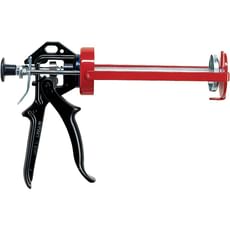
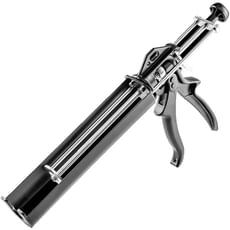
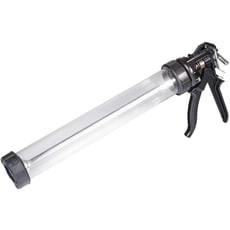
The range available from Tooled-Up.com includes manual and pneumatic dispensing guns designed for different cartridge sizes, typically 300ml, 380ml, 410ml and 600ml formats. Proper hole preparation equipment such as cleaning brushes and blow pumps removes dust and debris that could compromise bond strength, whilst specialist mixing nozzles ensure the two-part resin components are thoroughly combined as they're dispensed. Leading manufacturers like Rawlplug have developed comprehensive accessory systems that work seamlessly with their chemical anchor products, providing professional tradespeople with reliable tools for demanding applications.
Whether you're a structural engineer specifying fixings for safety-critical applications, a general builder installing handrails and brackets, or a shopfitting specialist securing fixtures, having the correct chemical resin accessories is fundamental to achieving installations that comply with UK building regulations and manufacturer specifications. Using proper application equipment not only ensures structural integrity but also reduces material waste and speeds up installation time on site.
Jargon Buster
- Static Mixing Nozzle: A disposable attachment that fits onto resin cartridges, containing internal helical elements that thoroughly blend the two components (resin and hardener) as they pass through, ensuring consistent mix ratios for optimal bond strength.
- Foil Pack System: A cartridge format where resin components are contained in flexible foil pouches rather than rigid plastic tubes, requiring specialised dispenser guns but offering advantages in certain applications and waste reduction.
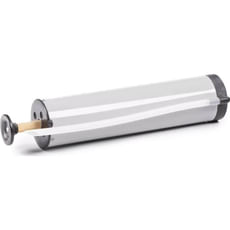
- Blow Pump: A hand-operated pump device used to clear drilled holes of dust and debris before resin application, ensuring the hole is clean for maximum adhesion and bond performance.
- Thrust Ratio: The mechanical advantage provided by a resin gun, typically ranging from 10:1 to 26:1, which determines how much force is applied to dispense thicker, more viscous resin formulations.
- Bonded Anchor: A fixing method where threaded rod or rebar is secured into drilled holes using chemical resin rather than mechanical expansion, creating a strong bond throughout the embedment depth.
- Pot Life: The working time available after resin components are mixed before the material begins to harden, which varies with product formulation and ambient temperature.
Who Uses Chemical Resin Accessories?
- Structural Engineers & Contractors: For safety-critical fixings in commercial construction, structural reinforcement, and seismic retrofitting projects
- General Builders & Bricklayers: Installing handrails, brackets, and structural fixings into concrete and masonry on residential and commercial sites
- Shopfitters & Retail Installers: Securing shelving systems, display units, and fixtures in retail environments requiring strong, reliable anchoring
- Facilities Maintenance Teams: Repairing and installing fixings in existing buildings, from HVAC equipment mounting to safety barrier installation
- Steel Erectors & Fabricators: Fixing steel structures to concrete foundations and installing post-installed reinforcement connections
- Demolition & Remedial Specialists: Structural repair work and reinstating fixings in damaged or deteriorated substrates
- Fencing & Gate Installers: Securing heavy gate posts and commercial fencing systems into concrete bases
- Serious DIY Enthusiasts: Tackling substantial home improvement projects requiring professional-grade anchoring solutions
How to Choose the Right Chemical Resin Accessories
Cartridge Size Compatibility: Ensure your dispenser gun matches the cartridge size you're using. Common sizes include 300ml for standard applications, 380ml and 410ml for medium-duty work, and 600ml foil systems for high-volume professional use. Rawlplug offers dedicated guns for each format, so check compatibility before purchasing.
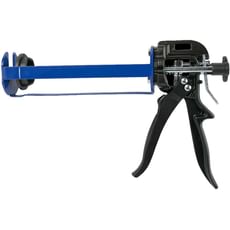
Manual vs. Pneumatic Application: Manual resin guns are suitable for occasional use and smaller projects, offering portability without requiring compressed air. For high-volume commercial work or when dispensing highly viscous resins repeatedly throughout the day, pneumatic guns reduce operator fatigue significantly and provide more consistent dispensing pressure.
Thrust Ratio Requirements: Higher viscosity resins, particularly those designed for overhead applications or cold weather use, require guns with higher thrust ratios (18:1 or 26:1) to dispense effectively. Standard polyester resins typically work well with 10:1 or 15:1 ratios. Check the resin manufacturer's recommendations for optimal results.
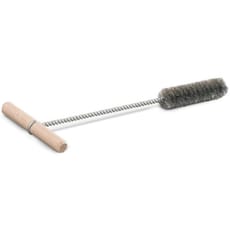
Hole Preparation Equipment: Never underestimate the importance of proper hole cleaning. Wire brushes matched to your drill bit diameter remove loose material from hole walls, whilst blow pumps or vacuum equipment clear dust from the hole depth. Both are essential for achieving specified pull-out values, particularly in critical structural applications.
Mixing Nozzle Specifications: Different resin systems require specific mixing nozzles—using incorrect nozzles results in poor mixing and compromised bond strength. Stock appropriate nozzles for your resin brand; Rawlplug systems, for example, use different nozzle designs for various product ranges like Kemfast and R-KER formulations.
Quantity Requirements: Mixing nozzles are single-use items—you'll need one for each cartridge. Calculate your project requirements to ensure you have sufficient nozzles on hand. Running short mid-project means wasted resin and potential installation delays.
Popular Accessories
- Chemical Anchor Resin Cartridges: The actual resin systems in various formulations for different substrates and load requirements
- Threaded Rods & Studs: Galvanised and stainless steel rods in metric sizes for use with chemical anchors
- Drill Bits (SDS & Masonry): Correctly sized carbide-tipped bits for preparing holes to specified diameters and depths
- Depth Gauges & Setting Tools: For accurately positioning anchors at the correct embedment depth
- Torque Wrenches: Essential for tightening fixings to specified torque values without over-stressing the bond
- Safety Glasses & Gloves: PPE for protecting against resin contact and drilling debris
- Vacuum Attachments: For dust extraction during hole drilling and cleaning, complying with HSE silica dust regulations
Safety Information
Chemical resins contain reactive components that require careful handling. Always wear appropriate PPE including safety glasses, chemical-resistant gloves, and ensure adequate ventilation when working with resin systems. Read product safety data sheets before use and familiarise yourself with COSHH requirements for the specific products you're using.
Skin contact with uncured resin may cause sensitisation or allergic reactions. If skin contact occurs, wash immediately with soap and water—do not use solvents. Mixing nozzles can become pressurised during use; never point them towards yourself or others, and allow pressure to equalise before removing spent cartridges from guns.
When drilling holes for resin anchors, be aware of HSE regulations regarding respirable crystalline silica dust. Use on-tool extraction where possible, particularly for extended drilling operations. Ensure blow pumps discharge away from your breathing zone and other workers, and consider using vacuum equipment as an alternative to compressed air for hole cleaning in enclosed spaces.
Frequently Asked Questions
Can I reuse mixing nozzles to save money?
No, mixing nozzles are designed for single use only. Once resin has passed through a nozzle, it begins curing inside the helical mixing elements, making the nozzle unusable for subsequent applications. Attempting to reuse nozzles will result in poor mixing, blockages, and compromised bond strength that could lead to fixing failure.
What's the difference between various Rawlplug mixing nozzle types?
Different Rawlplug resin systems require specific nozzle designs optimised for their viscosity and mixing requirements. R-KER-II nozzles suit one product range, whilst R-NOZ types work with Kemfast systems. Always match the nozzle to your specific resin product—using incorrect nozzles prevents proper component mixing and voids warranties.
How important is hole cleaning really?
Absolutely critical for achieving specified load values. Dust, loose material, and drilling debris prevent proper resin adhesion to the hole walls, potentially reducing bond strength by 50% or more. Professional installations require brushing to remove loose particles followed by blowing or vacuuming to clear dust—both steps are essential, not optional.
Will any resin gun work with any cartridge?
No, cartridge formats vary significantly. Standard coaxial cartridges (300ml, 380ml, 410ml) require different gun cradles to accommodate their physical dimensions, whilst foil pack systems like the 600ml CFS+ format need completely different gun mechanisms. Browse the selection at Tooled-Up.com to verify compatibility between your gun and cartridge format before purchasing.
How do I know what thrust ratio I need?
Check the resin manufacturer's technical data sheet, which specifies minimum gun requirements. As a general guide, standard polyester resins work with 10:1 to 15:1 ratios, winter-grade and vinylester formulations typically need 18:1 or higher, whilst pure epoxy systems may require 26:1 for effective dispensing. When in doubt, a higher thrust ratio provides more versatility across different resin types.