

Chisel Knives
Pay in 3 interest-free payments on purchases from £30-2000 with  . Learn more.
 Loading...
End of content
Error - No more pages to load
About Chisel Knives
Chisel knives are robust hybrid tools that combine the cutting capability of a knife with the striking and prying functionality of a chisel. Purpose-built for demanding trade environments, these specialist implements feature reinforced blade and handle construction that allows them to be safely struck with a hammer or mallet whilst maintaining structural integrity. The characteristic wedge-shaped blade profile excels at prying, scraping, cutting thick materials, and demolition work where both precision and durability are essential. Unlike standard utility knives, chisel knives are engineered to withstand significant impact forces, making them indispensable for tasks requiring more force than conventional cutting tools can safely handle.
Professional tradespeople rely on chisel knives for diverse applications including stripping old flooring, removing stubborn sealant, cutting through heavy-duty packaging materials, and performing controlled demolition work on construction sites. The tools feature full-tang construction where the blade steel extends through the entire handle length, preventing separation under repeated striking. Many models incorporate impact-resistant handles that won't crack or split during heavy use, whilst blade edges are ground to maintain sharpness even when cutting through abrasive materials. The reinforced tip design prevents breakage during prying operations, ensuring reliable performance throughout demanding workdays.
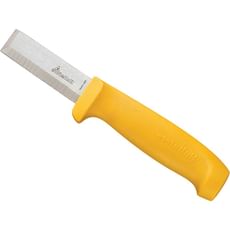
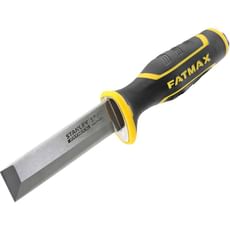
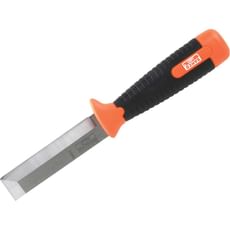
The selection at Tooled-Up.com includes chisel knives from established manufacturers such as Bahco, Hultafors, and Stanley Tools, ensuring access to professional-grade tools that meet rigorous trade requirements. Available models range from general-purpose chisel knives suitable for everyday cutting and scraping tasks to specialist wrecking chisel knives like the Stanley FatMax, specifically engineered for heavy demolition applications. Many premium models include protective holsters for safe belt storage, allowing tradespeople to carry these sharp tools securely whilst moving around site or working at height.
Jargon Buster
- Full-Tang Construction: A blade design where the steel extends continuously through the entire handle length, providing maximum strength and preventing handle separation when the tool is struck with a hammer or used for prying operations.
- Striking Cap: A reinforced metal pommel at the handle end specifically engineered to withstand repeated hammer or mallet strikes without deforming or damaging the tool, allowing controlled force application during demanding tasks.
- Wrecking Blade: A particularly robust blade profile designed for demolition and heavy prying work, typically featuring greater thickness and a more pronounced wedge shape compared to standard chisel knife blades for enhanced durability.
- Blade Hardness (HRC): Measured on the Rockwell Hardness Scale, this indicates the blade's resistance to wear and ability to maintain a sharp edge. Higher HRC ratings denote harder steel that retains sharpness longer but may be slightly more brittle.
- Knuckle Protector: A curved guard between the blade and handle that shields the user's hand during close-quarters work whilst also functioning as a fulcrum point for leverage when prying.
- Ground Edge: A blade sharpened using precision grinding processes to create a durable, long-lasting cutting edge capable of cutting through tough materials without rapidly dulling.
Who Uses Chisel Knives?
Chisel knives serve as essential tools across numerous trades and professions:
- Carpenters and joiners – cutting mortice joints, splitting timber, and general woodwork installations
- Flooring specialists – removing old vinyl tiles, carpet, and stubborn adhesive residues
- Electricians – cutting through cable sheathing and removing old conduit fixings
- Plumbers – scraping away deteriorated sealant and cutting various materials during installations
- General builders and labourers – demolition work, opening packaging, and diverse site tasks
- Roofers – removing old flashing materials and cutting roofing membranes
- Decorators – stripping wallpaper, removing paint layers, and preparing surfaces for finishing
- Shopfitters – dismantling old fixtures and installations during refurbishment projects
- Maintenance technicians – general repairs and facility upkeep across commercial properties
- DIY enthusiasts – home renovation, improvement projects, and general property maintenance
How to Choose the Right Chisel Knives
Intended Application: Determine whether you require a general-purpose model for varied tasks or a specialist wrecking chisel knife for heavy demolition work. The Stanley FatMax wrecking chisel knife is specifically engineered for demanding demolition applications, whilst Bahco and Hultafors models offer excellent all-round performance for everyday trade use including cutting, scraping, and moderate prying.
Blade Material and Construction: Prioritise high-carbon steel blades that balance hardness for edge retention with toughness to resist breaking under impact. Full-tang construction is essential if you'll be striking the tool regularly, as this design provides maximum strength and prevents handle separation. Check the blade length – 100mm blades suit most general applications, whilst longer blades provide greater reach for specific tasks.
Handle Design and Ergonomics: The handle should provide a comfortable, secure grip even when wet or whilst wearing work gloves. Ergonomic designs with textured or rubberised surfaces reduce hand fatigue during extended use. Verify that the handle features a proper striking cap if you'll be using a hammer with the tool. Curved knuckle protectors, found on models like the Bahco chisel knife, provide additional hand protection and leverage capability.
Storage and Portability: Models supplied with holsters offer convenient belt storage and protect both the blade and the user when moving around construction sites. This feature proves particularly important for tradespeople working at height or in confined spaces where safety is paramount. The Hultafors chisel knife and holster combination provides an integrated solution for professional users.
Brand Reputation: Established manufacturers like Hultafors, Bahco, and Stanley Tools have proven track records producing reliable trade tools that meet professional quality standards and typically offer good warranty support, ensuring long-term value for professional tradespeople and serious DIY users alike.
Popular Accessories
- Replacement holsters – belt-mounted storage for safe carrying and quick access on site
- Sharpening stones and files – maintaining optimal blade edge sharpness throughout the tool's lifespan
- Tool lanyards – preventing dropped tools when working at height and ensuring HSE compliance
- Utility knife blades – complementary cutting solutions for lighter-duty applications
- Safety gloves – cut-resistant protection when handling sharp tools and materials
- Scrapers and putty knives – complementary tools for surface preparation and finishing work
- Tool storage systems – Stanley FatMax, DeWalt TSTAK, or Milwaukee PACKOUT organisers
- Honing oil – lubricating sharpening stones for effective blade maintenance
- Blade guards – additional protective covers for tools not supplied with holsters
Safety Information
Personal Protective Equipment: Always wear appropriate cut-resistant gloves when using chisel knives, and ensure you have adequate eye protection, particularly when striking the tool with a hammer as this can generate flying debris and material fragments. The Health and Safety Executive (HSE) provides comprehensive guidance on appropriate PPE for cutting and striking tools used in trade environments.
Safe Tool Handling: Never cut towards yourself or position any part of your body in the cutting path. When striking the tool, ensure the workpiece is properly secured and that you have a stable working position with firm footing. Always use the tool's striking cap if hitting with a hammer – never strike the handle body directly as this can cause splitting, cracking, or complete handle failure. Maintain awareness of others working nearby who might be affected by flying debris.
Blade Maintenance and Storage: Keep blades sharp, as dull edges require excessive force and are more likely to slip unexpectedly, causing accidents. Store chisel knives in their holsters or protective sheaths when not in use, and inspect the tool regularly for damage, particularly checking for cracks in the handle, loose components, or chips in the blade edge. Replace damaged tools immediately rather than attempting makeshift repairs.
Working at Height: When using chisel knives on scaffolding, ladders, or elevated platforms, always use a tool lanyard to prevent dropped tools, which pose serious risks to people below and ensure compliance with working at height regulations. Secure the tool to your person or the working platform before commencing work.
Frequently Asked Questions
Can I use a chisel knife as a replacement for dedicated chisels?
Whilst chisel knives can perform many chisel-like tasks such as prying and scraping, they're not designed to replace dedicated wood or masonry chisels for specialist applications. They excel at cutting, scraping, and light to moderate prying work but shouldn't be used for precision woodworking where bevel-edged chisels would be more appropriate, or heavy stone work where cold chisels are specifically designed for the task.
What's the key difference between a chisel knife and a standard utility knife?
A chisel knife features a fixed, robust blade with full-tang construction and can be safely struck with a hammer, making it suitable for heavy-duty tasks requiring significant force. Utility knives have replaceable, thinner blades designed purely for cutting – they should never be struck or used for prying as this will damage the tool and create safety hazards. Chisel knives are considerably more durable for demanding trade applications and rough site work.
How do I properly maintain and sharpen my chisel knife?
Regular maintenance involves cleaning the blade after use to prevent corrosion, particularly if exposed to moisture, adhesives, or corrosive materials. Sharpen the blade using a sharpening stone or file, maintaining the original bevel angle for optimal cutting performance. For heavily worn or damaged blades, professional sharpening services can restore the edge geometry. Always apply a light coating of oil to the blade before storage to prevent rust formation.
Are chisel knives suitable for DIY use or exclusively for professionals?
Chisel knives are excellent for both professional tradespeople and DIY enthusiasts tackling renovation or improvement projects. They're particularly useful for tasks like removing old flooring, stripping deteriorated sealant, or general demolition work during home improvements. However, proper safety awareness and correct handling techniques are essential regardless of whether you're a professional tradesperson or home DIYer undertaking occasional projects.
Do I need to purchase a holster separately for my chisel knife?
A holster isn't strictly necessary but is highly recommended, especially for professional tradespeople who need convenient access whilst moving around construction sites. Holsters provide safe blade coverage, protect against accidental cuts, and allow for quick retrieval when needed. Many premium models from manufacturers like Hultafors include holsters as standard, recognising their importance for safe, efficient work practices in demanding trade environments.