

Chisels

Pay in 3 interest-free payments on purchases from £20-£3000 with  . Learn more.
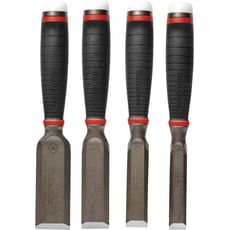
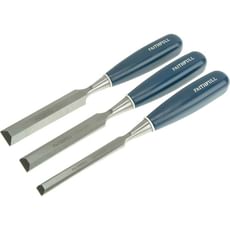
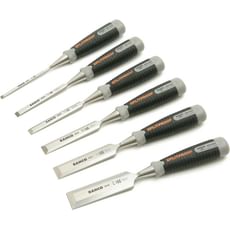
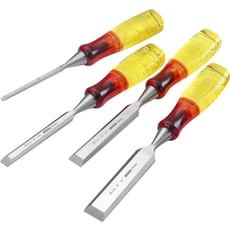
 Loading...
End of content
Error - No more pages to load
About Chisels
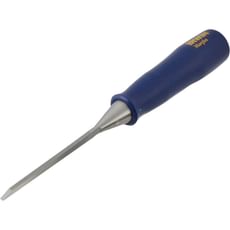
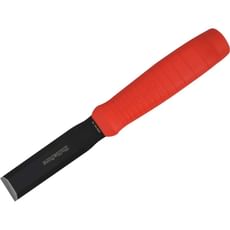
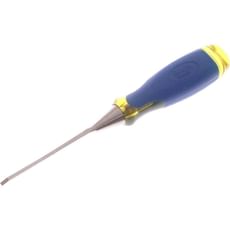
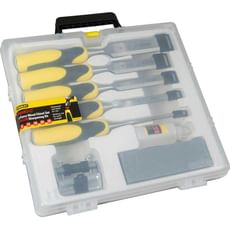
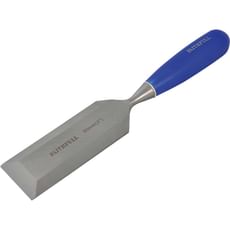
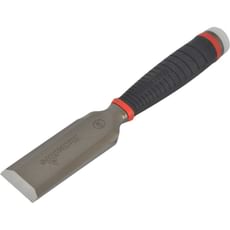
Chisels are indispensable hand tools for anyone working with wood, metal, or masonry, from professional tradespeople to dedicated DIY enthusiasts. These precision cutting instruments feature a characteristically shaped blade with a sharp cutting edge at one end and a handle at the other, designed to remove material through controlled carving, paring, chopping, or cutting. Whether you're fitting intricate joinery, shaping masonry, or tackling weekend woodworking projects, having the right chisel makes all the difference to the quality and efficiency of your work.
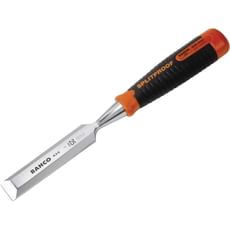
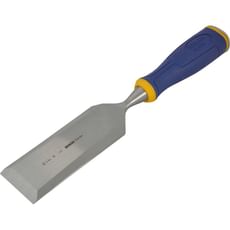
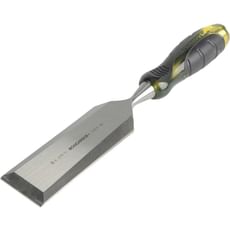
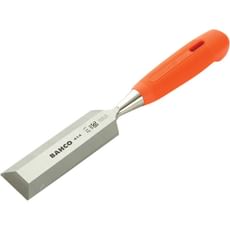
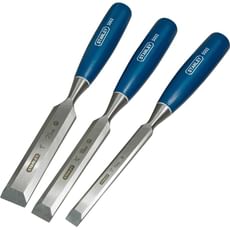
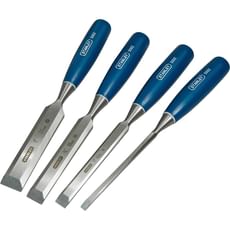
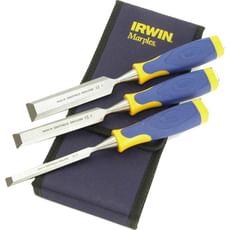
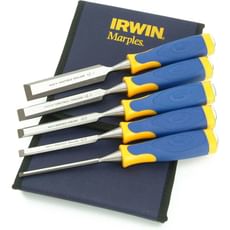
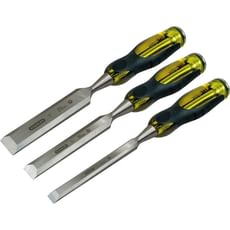
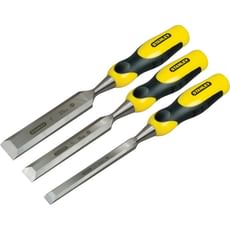
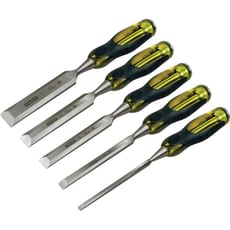
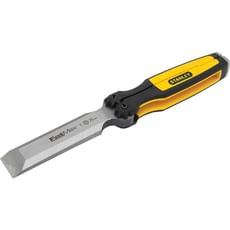
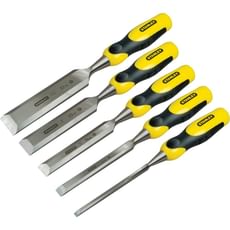
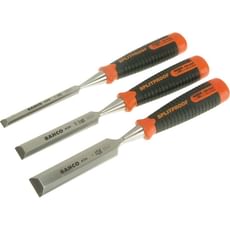
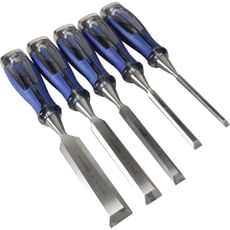
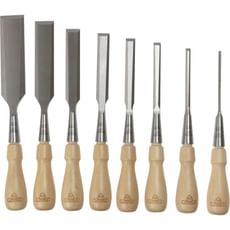
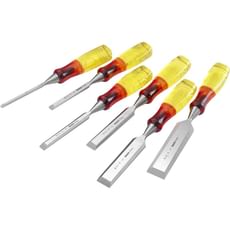
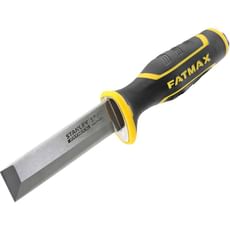
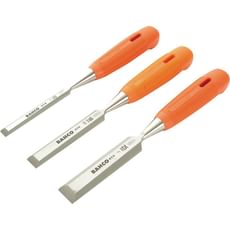
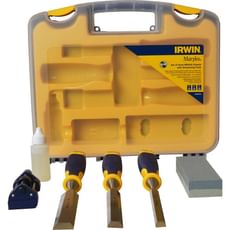
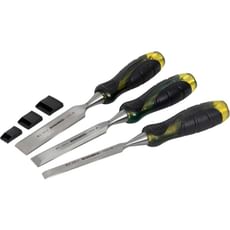
The chisel category at Tooled-Up.com encompasses a diverse range of options suited to different trades and applications. From traditional bevel edge chisels perfect for fine woodworking and cabinetmaking, to versatile chisel sets that provide complete solutions for workshop and site work, the selection includes quality tools from trusted brands such as Stanley, Bahco, and Irwin. Modern chisel knives offer additional functionality for trades requiring both cutting and chiselling capabilities in a single tool, making them invaluable for electricians, carpenters, and other professionals.
Today's chisels combine time-tested designs with modern materials and manufacturing techniques. High-carbon and chrome-vanadium steel blades are hardened and tempered to hold their edge longer, whilst ergonomic handles are designed to reduce hand fatigue during extended use. Impact-resistant constructions can withstand the rigours of professional site work, and many feature striking caps suitable for both mallet and hammer use. Whether you need a single specialist chisel or a complete set to equip your toolbox, investing in quality chisels ensures precision, safety, and professional results.
Jargon Buster
- Bevel Edge - A chisel design where the sides of the blade are bevelled (angled) rather than square. This allows the chisel to access tight corners and dovetail joints, making them ideal for fine woodworking and cabinetmaking.
- Tang - The tapered metal extension of the blade that fits into the handle. A full tang provides better durability and balance, whilst a partial tang reduces weight for delicate work.
- Honing - The process of sharpening a chisel blade to a fine edge using whetstones or honing guides. Regular honing maintains cutting performance and extends the tool's working life significantly.
- Striking Cap - A metal or impact-resistant cap on the handle end designed to withstand repeated blows from a mallet or hammer. Essential for chisels used in heavy-duty applications where mushrooming could damage wooden handles.
- Mortise Chisel - A heavy-duty chisel with a thick, robust blade specifically designed for cutting mortise joints and heavy material removal. Features reinforced construction to withstand repeated mallet strikes without blade deflection.
- Paring - A hand-pressure cutting technique using a chisel without striking it with a mallet. Paring chisels have longer, thinner blades optimised for this controlled cutting method, allowing precise material removal.
Who Uses Chisels?
Chisels are fundamental tools across numerous trades and applications:
- Carpenters and joiners - for mortise and tenon joints, fitting hinges, trimming door frames, and general woodworking
- Cabinetmakers - for precision joinery, dovetails, and fine furniture construction
- Woodworkers and turners - for shaping, carving, and detailed finishing work
- Stonemasons - using specialist masonry chisels for shaping stone and concrete
- Builders and construction workers - for site work including door hanging and general fitting
- Renovation specialists - for removing old fixtures, cleaning joints, and restoration work
- Shop fitters and installers - for precise fitting and modification of components
- DIY enthusiasts - for home improvement projects, furniture assembly, and hobby woodworking
- Boat builders - for traditional boat construction and marine joinery
- Pattern makers - for creating precise wooden patterns and moulds
- Electricians - using chisel knives for cable preparation and accessing confined spaces
How to Choose the Right Chisels
Intended Application: Consider whether you need chisels for fine woodworking, heavy-duty site work, or general purpose use. Bevel edge chisels excel at detailed joinery and accessing tight corners, whilst firmer chisels handle heavier material removal. For varied work, a chisel set provides versatility across multiple widths and styles, representing better value than purchasing individually.
Blade Material and Quality: Look for high-carbon steel or chrome-vanadium steel blades that are properly hardened and tempered. Quality chisels from brands like Stanley and Bahco hold their edge longer and can be resharpened multiple times without losing performance. Check for even grinding and a smooth finish on the blade surfaces, which indicates precision manufacturing.
Handle Design: Ergonomic handles reduce fatigue during extended use, which is crucial for professional tradespeople. Traditional wooden handles offer excellent feel and balance, whilst modern composite materials provide impact resistance and durability. For work involving mallet strikes, ensure the handle features a striking cap to prevent mushrooming and splitting. Some handles are designed for hammer use, offering greater versatility on site.
Blade Width: Common widths range from 6mm to 38mm. A typical set includes 6mm, 12mm, 18mm, and 25mm widths, covering most general applications. Specialist work may require wider or narrower options. Consider the scale of your typical projects when selecting sizes.
Professional vs DIY Use: Professional tradespeople benefit from investing in premium chisels that withstand daily use and maintain precision over years. DIY users can achieve excellent results with quality mid-range options whilst building their tool collection gradually. The key is avoiding bargain-basement alternatives that won't hold an edge.
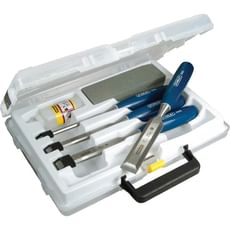
Set vs Individual Chisels: Chisel sets offer better value and ensure you have the right width for various tasks. They typically come in protective cases or rolls for organised storage and transport. Individual chisels suit those needing to replace specific sizes or add specialist types to existing collections. Browse the selection at Tooled-Up.com to compare set options from trusted manufacturers.
Popular Accessories
- Sharpening stones and honing guides - essential for maintaining sharp cutting edges and extending chisel life
- Wooden or rubber mallets - for striking chisels without damaging handles or causing premature wear
- Chisel guards and blade protectors - protect cutting edges during storage and transport, preventing accidental damage
- Tool rolls and storage cases - from brands like Stanley FatMax for organised chisel storage and easy transport to site
- Workbenches and vices - provide stable work surfaces for safe chisel operation and accurate results
- Safety glasses and work gloves - from Portwest and DeWalt for hand and eye protection during cutting operations
- Measuring and marking tools - marking gauges, combination squares, and pencils for accurate layout work
- Bench grinders - for reshaping damaged blades or changing bevel angles on specialist chisels
- Camellia oil or tool protection spray - prevents rust and corrosion during storage
Safety Information
Chisels are sharp cutting tools that require careful handling to prevent injury and ensure optimal results:
Personal Protection: Always wear appropriate safety glasses or goggles to protect your eyes from flying wood chips and debris. Consider cut-resistant gloves when handling chisels, particularly during sharpening or when working with harder materials. Ensure adequate lighting in your work area to maintain clear visibility of cutting lines.
Proper Technique: Always chisel away from your body and keep hands behind the cutting edge at all times. Secure workpieces firmly using clamps or a vice rather than holding them by hand. When using a mallet, strike squarely on the handle cap to prevent glancing blows that could damage the tool or cause injury. Never use a chisel as a pry bar or screwdriver, as this can damage the blade or cause it to snap.
Sharp Tools are Safer: Maintain sharp edges through regular honing. Dull chisels require excessive force, increasing the risk of slipping and causing injury. A sharp chisel cuts cleanly with controlled pressure, providing better results and greater safety. Test sharpness carefully by cutting scrap material, never by running your finger along the edge.
Storage and Transport: Store chisels with blade guards or in protective rolls to prevent accidental contact with sharp edges. Never leave chisels loose in toolboxes where blades can become damaged or cause injury when reaching for other tools. Wall-mounted storage or dedicated tool rolls keep chisels organised and safe between jobs.
Workshop Housekeeping: Keep your work area clean and well-lit. Remove waste material regularly to maintain clear visibility of cutting lines and prevent tripping hazards. Follow HSE guidelines for workshop safety and tool maintenance. Ensure adequate ventilation when working with treated timber or composite materials.
Frequently Asked Questions
How often should I sharpen my chisels?
This depends on usage intensity and material hardness. Professional woodworkers may hone their chisels several times daily, whilst occasional DIY users might sharpen monthly. You'll notice when sharpening is needed - the chisel requires more force, produces rough cuts, or begins to tear rather than slice cleanly through material. Regular light honing maintains performance better than infrequent major resharpening and extends the tool's working life.
What's the difference between bevel edge and firmer chisels?
Bevel edge chisels have bevelled (angled) sides that allow access into acute angles and corners, making them ideal for dovetail joints and fine cabinetwork. Firmer chisels have flat sides and thicker blades, providing greater strength for heavier work and mortising. Most general woodworkers find bevel edge chisels more versatile for everyday tasks, whilst carpenters doing heavy site work benefit from firmer chisels' robust construction.
Can I use a hammer instead of a mallet with chisels?
Only if the chisel has a metal striking cap specifically designed for hammer use. Traditional wooden-handled chisels should only be struck with wooden or rubber mallets to prevent handle damage and mushrooming. Many modern chisels available from Tooled-Up feature impact-resistant composite handles with integrated striking caps that can withstand steel hammer blows, but always check the manufacturer's guidance before use.
Are expensive chisels worth the investment?
For professional tradespeople who use chisels daily, premium brands offer superior steel quality, better edge retention, and improved durability that justify the higher cost through reduced downtime and resharpening. DIY users can achieve excellent results with quality mid-range options. The key is choosing reputable brands like Stanley, Bahco, or Irwin rather than bargain-basement alternatives that won't hold an edge or withstand normal use.
How do I prevent my chisel blades from rusting?
Keep blades clean and dry, wiping them with an oily cloth after use. Store chisels in a dry environment with adequate ventilation, avoiding damp toolboxes or site vehicles. A light coating of camellia oil, WD-40, or dedicated tool protection spray provides excellent rust prevention. Avoid storing chisels in direct contact with damp work surfaces overnight. Regular use and maintenance naturally keeps blades in good condition, as the frequent contact with wood naturally cleans and polishes the steel.