

Combination Pliers
Pay in 3 interest-free payments on purchases from £30-2000 with  . Learn more.

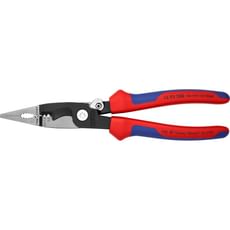
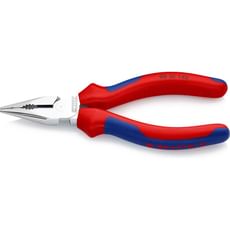
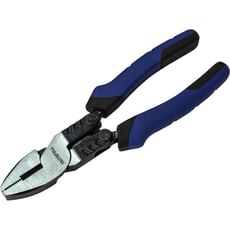

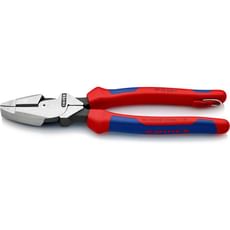

 Loading...
End of content
Error - No more pages to load
About Combination Pliers
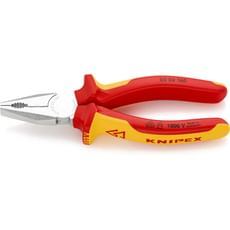
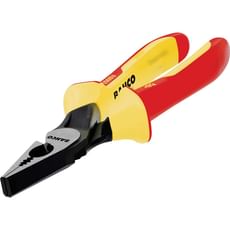
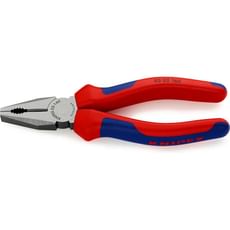
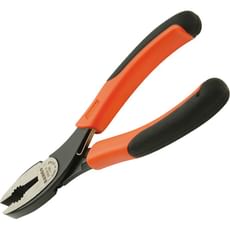
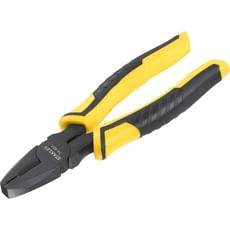
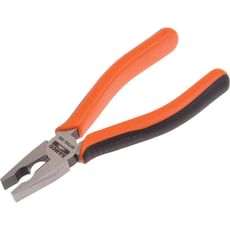
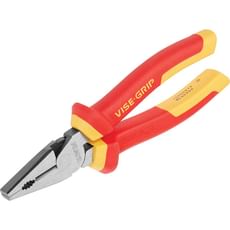
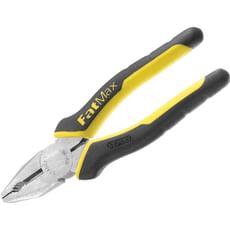
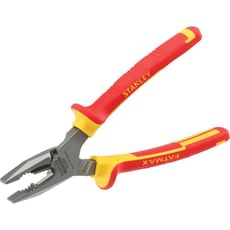
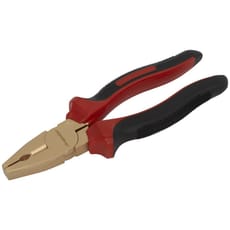
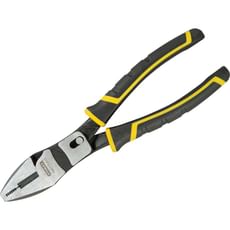
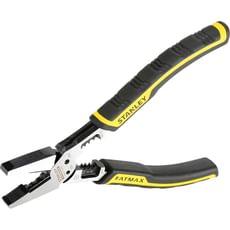
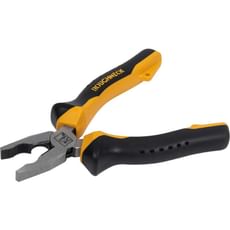
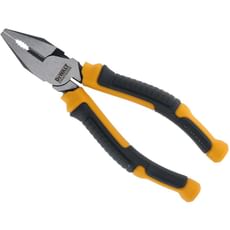
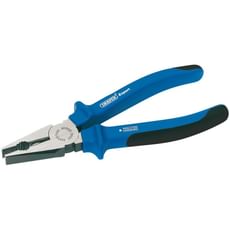
Combination pliers are amongst the most versatile hand tools in any toolkit, combining multiple functions into a single, compact design. These multi-purpose pliers feature flat serrated gripping jaws at the tip, a curved section for gripping round objects like pipes and cables, and integrated wire cutting blades positioned near the fulcrum for maximum leverage. This distinctive configuration makes them indispensable for electrical work, general maintenance, precision tasks, and countless applications across numerous trades. Whether you're gripping terminals, cutting cable ties, holding pipework, or removing fixings, a quality pair of combination pliers handles the task with ease.
The selection at Tooled-Up.com includes professional-grade combination pliers from industry-leading manufacturers such as Knipex, Bahco, and Facom, alongside dependable options from Draper Expert, DeWalt, Bosch Professional, and Sealey. Available sizes range from compact 125mm models perfect for precision electronics work, through to heavy-duty 200mm versions for demanding industrial applications. Many feature ergonomic soft-grip handles for comfort during extended use, whilst high-leverage designs multiply gripping and cutting force when working with tougher materials. Professional electricians will find VDE-insulated models rated for working safely on live circuits up to 1000V, whilst DIY enthusiasts can choose from excellent value options from BlueSpot and Faithfull that deliver reliable performance for household projects.
Modern combination pliers have evolved considerably from basic designs, now incorporating advanced features such as spring-loaded handles to reduce hand fatigue, compound action mechanisms for increased cutting power, and precision-ground cutting edges that maintain sharpness through thousands of cuts. Premium manufacturers like Knipex produce pliers to exacting German standards using high-grade tool steel and induction-hardened cutting edges, whilst mid-range options from Draper and Bahco offer excellent performance for tradespeople requiring dependable tools at competitive prices.
Jargon Buster
- VDE Insulated: Pliers tested and certified to meet stringent German VDE standards for electrical safety, featuring two-layer insulation rated to protect users when working on live circuits up to 1000V AC. Essential for professional electricians working to UK regulations and HSE requirements.
- High Leverage: A design where the pivot point is positioned closer to the cutting or gripping area, multiplying the force applied through the handles. This allows easier cutting of thicker wires and cables with considerably less hand pressure required.
- Serrated Jaws: Gripping surfaces featuring cross-hatched or textured patterns that provide superior grip on smooth materials like metal pipes, wire, and cable without slipping, even when working with oily or wet components.
- Compound Action: An advanced mechanism using multiple pivot points to multiply cutting force, making it significantly easier to cut through tough materials like piano wire, steel cable, or hardened fixings with reduced effort.
- Induction Hardened: A heat treatment process applied to the cutting edges of quality pliers, creating an extremely hard surface that resists wear and maintains cutting performance throughout the tool's lifespan, even with daily professional use.
- Ergonomic Handles: Contoured grip designs, often featuring soft rubber or polymer coatings, that reduce hand fatigue and improve comfort during prolonged use whilst providing better control and reduced risk of blisters or repetitive strain injuries.
Who Uses Combination Pliers?
Combination pliers are essential tools across a wide range of trades and applications:
- Electricians and Sparkies: Cutting and stripping cables, gripping terminals, working with electrical components in domestic, commercial, and industrial installations
- Plumbers and Heating Engineers: Gripping pipes, removing fixings, general maintenance work on heating systems and water installations
- Motor Mechanics and Vehicle Technicians: Removing cable ties, gripping small components, cutting wire, and accessing tight spaces in automotive repair work
- Maintenance Engineers: General facility maintenance, equipment repair, and working with control panels and machinery across industrial settings
- HVAC Engineers: Installing and maintaining heating, ventilation and air conditioning systems, particularly when working with control wiring and sensors
- Joiners and Carpenters: Removing nails, cutting wire, and general site work where a versatile gripping tool is needed
- DIY Enthusiasts: Home maintenance, electrical repairs, garden projects, and general household tasks requiring a multi-purpose gripping and cutting tool
- Electronics Technicians: Precision work with smaller combination pliers on circuit boards, control systems, and delicate components
- Telecoms Engineers: Cable management, terminal work, and equipment installation in communications systems
How to Choose the Right Combination Pliers
Size and Length: Combination pliers typically range from 125mm mini pliers for precision work up to 250mm for heavy-duty applications. Most tradespeople find 180mm (7 inches) to be the ideal all-purpose size, offering excellent balance between control and leverage. Consider your typical applications – electricians often prefer 160-180mm for control panel work, whilst maintenance engineers may opt for 200mm or larger for increased cutting power on heavier gauge materials.
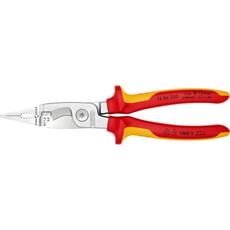
Insulation Requirements: If you're working on or near live electrical circuits, VDE-insulated pliers are not just recommended but essential for compliance with UK safety regulations and HSE guidance. These feature two-layer insulation tested to 10,000V and rated for use up to 1000V AC. Each tool should be individually tested and certified, with clear markings showing the voltage rating and certification details. For non-electrical work, standard pliers with comfortable handles are perfectly adequate and more cost-effective.
Handle Design: Ergonomic soft-grip handles significantly reduce hand fatigue during extended use and provide better control, particularly when working with oily or wet hands. Spring-loaded handles automatically reopen the jaws after each squeeze, reducing repetitive strain and speeding up work considerably. Consider trying different handle styles to find what feels most comfortable for your hand size and grip strength – this is particularly important if you use pliers regularly throughout your working day.
Cutting Capacity: Check the specified cutting capacity for the materials you'll be working with most frequently. Professional pliers from Knipex or Bahco typically cut copper wire up to 2.5-4mm diameter and piano wire up to 2mm. High-leverage or compound-action models can handle significantly thicker materials with less effort. If you regularly cut heavy-gauge cable or steel wire, investing in high-leverage pliers will save considerable effort and reduce hand strain over time.
Build Quality and Brand: Professional tradespeople who use their tools daily should invest in premium brands like Knipex, Bahco, Facom, or Bosch Professional. These manufacturers use superior tool steel, precision manufacturing, and rigorous quality control, resulting in tools that maintain their cutting edge and alignment through years of heavy use. For occasional DIY use or as backup tools, brands like Draper Expert, Sealey, or Faithfull offer excellent value whilst still delivering reliable performance.
Jaw Configuration: Standard combination pliers feature serrated flat jaws, a curved section for gripping round objects, and cutting edges. Some specialised models include additional features such as crimping sections for terminals, wire stripping notches, or bolt-gripping zones. Consider whether these additional features would benefit your typical work or simply add unnecessary complexity to your toolkit.
Popular Accessories
- Tool Rolls and Pouches: Protect your investment and keep pliers organised with quality leather or canvas tool rolls from brands like Stanley and Bahco
- Wire Strippers: Complement your combination pliers with dedicated wire stripping tools for cleaner, faster cable preparation
- Side Cutters and Snips: For specialised cutting tasks, particularly flush-cutting or working in confined spaces where combination pliers cannot reach
- Long Nose Pliers: Essential companion tool for reaching into tight spaces and precision gripping work that combination pliers cannot access
- Electrical Tape and Cable Ties: Essential consumables for any electrical work where combination pliers are being used regularly
- Pliers Sets: Complete kits from Knipex, Bahco, and Draper Expert offering multiple plier types in coordinated tool rolls for comprehensive coverage
- Tool Lanyards: Prevent dropped tools when working at height, essential for site work and scaffold installations to comply with HSE guidance
- Voltage Testers: Essential safety equipment when using VDE-insulated pliers on electrical installations to verify circuits are dead
- Cable Cutters: Dedicated cutters for heavier cables that exceed the capacity of combination pliers
Safety Information
Electrical Safety: Only use properly certified VDE-insulated pliers when working on or near live electrical circuits. Check tools before each use for any damage to the insulation – even small nicks or cracks can compromise protection and create serious shock hazards. Never use standard pliers on live circuits, regardless of handle material. Always follow proper isolation procedures and use voltage testers to verify circuits are dead before commencing work. Ensure your pliers display clear VDE markings and certification numbers – if in doubt, don't use them on live equipment. Replace any VDE-insulated pliers showing signs of insulation damage immediately.
Cutting Safety: When cutting wire or cable, always cut at right angles to the material and position the wire deep within the cutting jaws for maximum leverage and control. Keep your free hand and face away from the cutting area, as wire ends can spring back sharply when cut. Wear safety glasses to protect against flying debris, particularly when cutting spring steel, piano wire, or cable with multiple strands. Never use pliers as a hammer or strike them with another tool, as this can damage the cutting edges or cause the jaws to misalign, creating safety hazards.
Maintenance and Inspection: Regularly inspect pliers for wear, damage, or misalignment. The cutting edges should close cleanly with no gaps; if daylight is visible between the jaws when closed, the tool needs replacement. Keep pivot points lightly oiled to maintain smooth operation and prevent rust. Store pliers in a dry environment to prevent corrosion, particularly important for VDE-insulated tools where rust can compromise the insulation. Replace any pliers with damaged handles, worn cutting edges, or loose pivots – attempting to work with defective tools increases injury risk and produces poor results.
Proper Use: Use combination pliers only for their intended purpose – they're not designed as hammers, pry bars, or wrenches. Excessive force or misuse can cause the tool to slip, potentially causing injury, or damage the precision-engineered jaws and cutting edges. Select the appropriate size pliers for your task; using undersized pliers and excessive force is more dangerous than choosing the correct tool. When working overhead or at height, use tool lanyards to prevent dropped tools, which pose serious hazards to people below and could damage expensive equipment.
Frequently Asked Questions
What's the difference between combination pliers and side cutters?
Combination pliers are multi-purpose tools featuring both gripping jaws and cutting edges, with the cutters positioned behind the jaws near the pivot point. Side cutters (also called diagonal cutters or snips) are specialised cutting tools with the cutting edges at the very front of the jaws, designed purely for cutting wire and cable, often flush to a surface. Whilst combination pliers can both grip and cut, side cutters provide superior cutting performance and access in tight spaces but cannot grip effectively. Most professional electricians carry both types in their toolkit.
Do I really need VDE-insulated pliers for electrical work?
Yes, absolutely. If there's any possibility of encountering live circuits, VDE-insulated pliers are essential for your safety and required for compliance with UK electrical regulations and HSE guidance. The two-layer insulation system provides crucial protection against electric shock up to 1000V AC. Standard pliers with plastic or rubber handles are NOT electrically rated and provide no reliable protection. Professional electricians should only use properly certified VDE tools that are regularly inspected for damage. The small additional cost is insignificant compared to the potentially fatal consequences of electric shock.
Why are Knipex pliers so much more expensive than other brands?
Knipex pliers represent the premium end of the market, manufactured in Germany to extremely tight tolerances using high-grade tool steel. The cutting edges are precision-ground and induction-hardened, maintaining sharpness through thousands of cuts. The joints are perfectly aligned and smooth, requiring minimal effort to operate. For professional tradespeople using their tools daily, Knipex pliers often last a career and maintain their performance throughout, making them excellent value over their lifetime. However, for occasional DIY use, mid-range brands like Draper Expert or Bahco offer perfectly adequate performance at more accessible price points.
What size combination pliers should I buy as my first pair?
For general-purpose use, 180mm (approximately 7 inches) combination pliers offer the best balance between control and leverage, suitable for most common tasks from cutting cable ties to gripping pipes. This size fits comfortably in most tool bags and provides adequate cutting capacity for typical electrical cables and wire up to about 2.5mm diameter. Electricians might also consider a 160mm pair for precision work in control panels, whilst maintenance engineers working with heavier materials might add a 200mm high-leverage model to their kit for increased cutting power.
How do I maintain my combination pliers?
Regular maintenance is simple but important for longevity. Wipe pliers clean after use, particularly if exposed to dirt, moisture, or chemicals. Apply a drop of light machine oil to the pivot point monthly (or more frequently with heavy use) to maintain smooth operation and prevent rust. Store in a dry environment – tool rolls or boxes rather than leaving loose in damp toolboxes. Check cutting edges periodically and retire pliers when they no longer cut cleanly or if the jaws show significant wear or misalignment. VDE-insulated pliers should be inspected before each use for any damage to the insulation layer, as compromised insulation makes them unsafe for electrical work and they must be replaced immediately.