

Compactor Plates

Pay in 3 interest-free payments on purchases from £20-£3000 with  . Learn more.
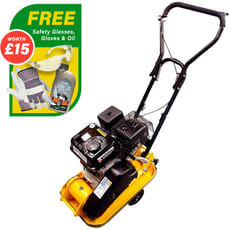
 Loading...
End of content
Error - No more pages to load
About Compactor Plates
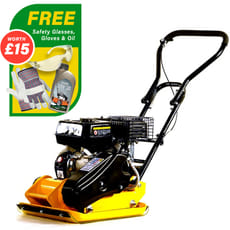
Compactor plates, also known as plate compactors or vibrating plates, are essential pieces of construction equipment designed to compress and consolidate soil, gravel, sand, and other aggregate materials. These powerful machines use vibration and the weight of a heavy steel baseplate to eliminate air pockets and increase the density of ground surfaces, creating a stable, level foundation for paving, patios, driveways, pathways, and various construction projects. Whether you're laying block paving, preparing a sub-base for a shed, or compacting trench backfill, a quality compactor plate delivers professional results that simply can't be achieved with manual tamping.
The range available at Tooled-Up.com features robust petrol-powered models suitable for demanding site work and landscaping projects. These machines are engineered to handle compaction tasks efficiently, reducing the time and physical effort required compared to traditional manual methods. Modern compactor plates combine powerful engines with ergonomic designs, making them manageable for both professional tradespeople and ambitious DIY enthusiasts tackling substantial groundwork projects.
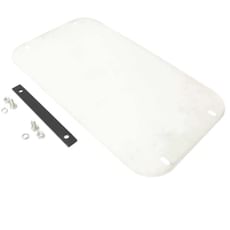
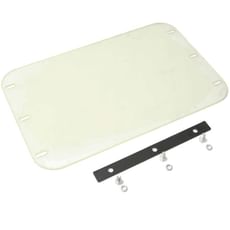
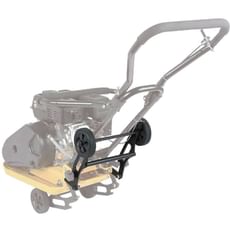
Alongside the compactor plates themselves, Tooled-Up stocks essential accessories including paving pads that protect delicate surfaces like block paving and natural stone from damage during compaction, plus convenient folding wheel kits that transform your plate compactor into an easily manoeuvrable piece of equipment between jobs and during transport.
Jargon Buster
- Centrifugal Force: The vibration mechanism that creates the compacting action. An eccentric weight rotates at high speed, generating downward force that compacts the material beneath the plate.
- Compaction Depth: The maximum thickness of material layer that can be effectively compacted in a single pass. Typically ranges from 150mm to 300mm depending on the machine's power and the material type.
- Plate Size: The dimensions of the steel baseplate, usually measured in millimetres. Larger plates cover more ground per pass but are heavier and less manoeuvrable in confined spaces.
- Paving Pad: A protective rubber or polyurethane mat that attaches to the baseplate to prevent marking or damage when compacting finished surfaces like block paving, slabs, or decorative stone.
- Vibration Frequency: Measured in vibrations per minute (VPM), this indicates how rapidly the plate oscillates. Higher frequencies are generally better for granular materials, whilst lower frequencies suit cohesive soils.
- Travel Speed: The forward movement rate of the compactor, typically measured in metres per minute. This determines how quickly you can complete compaction over a given area.
Who Uses Compactor Plates?
Compactor plates are invaluable tools for a diverse range of professionals and projects:
- Landscapers and Groundworkers – preparing bases for patios, pathways, driveways, and garden features
- Paving Contractors – compacting sub-bases and bedding layers for block paving installations
- Builders and General Contractors – preparing foundations, compacting trench backfill, and site preparation work
- Civil Engineering Contractors – roadwork, pavement construction, and infrastructure projects
- Fencing Specialists – compacting post hole backfill and securing fence line foundations
- Plant Hire Companies – providing rental equipment for construction and landscaping projects
- Local Authority Maintenance Teams – repairs to pavements, kerbs, and public spaces
- Serious DIY Enthusiasts – homeowners undertaking substantial garden landscaping or driveway projects
How to Choose the Right Compactor Plates
Selecting the appropriate compactor plate depends on several important factors:
Project Scale and Frequency: Consider whether you need a machine for occasional DIY use or daily professional work. Commercial-grade models offer greater durability and performance for frequent use on demanding job sites.
Engine Power: Petrol engines provide the portability and power required for most compaction tasks. Check the engine specification – typically ranging from 4HP to 6.5HP for standard plates – with higher horsepower delivering greater compaction force and capability.
Plate Dimensions: Larger baseplates (500mm+) cover more ground quickly, ideal for open areas like driveways. Smaller plates offer better manoeuvrability in tight spaces such as narrow pathways or around obstacles.
Working Weight: Heavier machines (typically 60-90kg) provide more compaction force but require more effort to transport and manoeuvre. Consider whether you'll need a folding wheel kit for easier movement between jobs.
Build Quality and Reliability: Look for robust steel construction, quality engine brands, and machines designed to withstand the vibration and impacts inherent in compaction work. Check for features like reinforced baseplates and durable engine mountings.
Essential Accessories: Determine whether you'll need paving pads for working on finished surfaces, transport wheels for site mobility, or water tanks for asphalt compaction. Some tasks require specific attachments for professional results.
Popular Accessories
Enhance the versatility and longevity of your compactor plate with these essential accessories:
- Paving Pads – protective mats specifically designed for your compactor model, essential when working on block paving, natural stone, or decorative surfaces to prevent scuffing and damage
- Folding Wheel Kits – convert your compactor into a wheeled unit for effortless transport across sites, into vans, and between jobs without manual lifting
- Water Tanks – for asphalt compaction work, preventing the hot material from sticking to the baseplate
- Replacement Belts – essential maintenance items to keep your machine operational
- Engine Oil and Fuel Additives – maintain optimal engine performance with appropriate lubricants and fuel treatments
- Protective Covers – weather-resistant storage covers to protect your investment when not in use
- Work Gloves and Hearing Protection – essential PPE for safe, comfortable operation
Safety Information
Compactor plates are powerful machines that require proper safety precautions:
Personal Protective Equipment: Always wear safety boots with steel toe caps, hearing protection (as compactors generate significant noise levels), and suitable work gloves with vibration-dampening properties. Safety glasses protect against flying debris.
Hand-Arm Vibration Syndrome (HAVS): Prolonged exposure to vibration can cause HAVS, a serious condition affecting blood vessels, nerves, and joints. Follow HSE guidelines on exposure limits, take regular breaks, and maintain equipment properly to minimise vibration transmission. Keep accurate records of usage times if operating professionally.
Operating Procedures: Never operate a compactor plate on slopes exceeding the manufacturer's specifications. Ensure the work area is clear of debris, utilities, and bystanders. Never leave the machine running unattended, and always disengage the drive mechanism before attempting to move or adjust it manually.
Fuel Safety: Handle petrol in well-ventilated areas away from ignition sources. Allow the engine to cool before refuelling, and never overfill the tank. Store fuel in approved containers away from the machine.
Maintenance: Regular servicing maintains safe operation. Check all bolts and fasteners remain tight due to vibration, inspect the baseplate for cracks or damage, and ensure the engine is properly maintained according to the manufacturer's schedule.
Frequently Asked Questions
What's the difference between a compactor plate and a wacker plate?
These terms are often used interchangeably in the UK, with "wacker plate" being a colloquial name derived from the Wacker Neuson brand, much like "Hoover" for vacuum cleaners. Both refer to the same type of vibrating plate compactor used for soil and aggregate compaction.
How many passes do I need to make for proper compaction?
Typically, 4-6 passes over the same area achieves adequate compaction for most applications. Apply material in layers no thicker than the machine's specified compaction depth (usually 100-150mm for standard plates), compacting each layer before adding the next. The material should show minimal movement and sound solid when walked upon.
Can I use a compactor plate on tarmac or block paving?
Yes, but you must use an appropriate paving pad attachment to protect the surface from scuffing and damage. Standard steel baseplates will mark and potentially damage finished paving. Paving pads are designed specifically for different compactor models, so ensure compatibility before purchasing.
Do I need different settings for sand versus soil?
Most standard compactor plates operate at a fixed frequency suitable for granular materials like sand, gravel, and crushed stone. Cohesive materials like clay may require different techniques, such as slightly dampening the material and using slower travel speeds. Professional-grade machines may offer adjustable settings, but standard models are optimised for typical landscaping and paving applications.
How do I maintain my petrol compactor plate?
Regular maintenance includes checking and changing engine oil according to the manufacturer's schedule, cleaning or replacing the air filter, inspecting the drive belt for wear, checking all bolts remain tight, and cleaning the baseplate after use. Before storage, run the fuel tank dry or add fuel stabiliser. Always consult your operator's manual for specific maintenance schedules and procedures for your model.