

Composters
Pay in 3 interest-free payments on purchases from £30-2000 with  . Learn more.
 Loading...
End of content
Error - No more pages to load
About Composters
Composters are essential garden equipment designed to transform kitchen scraps, garden waste, and organic materials into nutrient-rich compost for improving soil quality. Whether you're a keen gardener looking to reduce household waste or a professional landscaper seeking sustainable solutions for clients, a quality composter offers an environmentally friendly way to recycle organic matter whilst creating valuable soil conditioner. The range available at Tooled-Up.com includes traditional composting bins, innovative tumbling composters for faster decomposition, and specialised Bokashi kitchen composters that use fermentation to process food waste indoors.
Modern composters have evolved significantly from simple garden bins, with advanced designs incorporating features like tumbling mechanisms for easier aeration, dual-chamber systems for continuous composting, and specialist Bokashi systems that can break down meat, fish, and dairy products that traditional composters cannot handle. Tumbling composters are particularly popular for their ability to produce finished compost in as little as 6-8 weeks compared to traditional bins which can take up to a year, making them ideal for gardeners who need regular supplies of compost throughout the growing season.
From compact kitchen composters perfect for flats and smaller properties to larger tumbling models suitable for family gardens and allotments, selecting the right composter depends on your available space, the volume of waste you generate, and how quickly you need finished compost. Leading brands like Hozelock and Draper offer reliable, weather-resistant designs built to withstand the UK climate whilst delivering consistent results year-round.
Jargon Buster
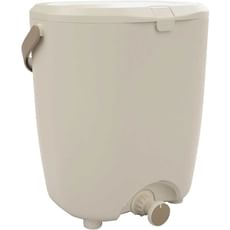
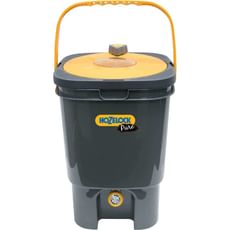
- Bokashi Composting: A Japanese fermentation method using specialist bran containing beneficial microorganisms to break down food waste quickly, including meat and dairy. Unlike traditional composting, Bokashi is anaerobic (works without oxygen) and can be used indoors without odours.
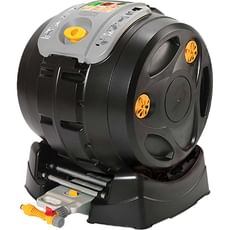
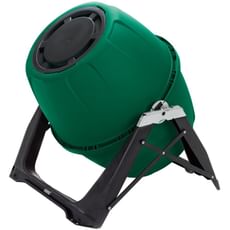
- Tumbling Composter: A rotating drum-style composter mounted on a frame that allows you to turn the contents easily by spinning the barrel, accelerating decomposition by improving aeration and mixing materials more efficiently than traditional static bins.
- Green and Brown Materials: The two key categories of compostable waste. 'Greens' are nitrogen-rich materials like kitchen scraps, grass clippings, and fresh plant material. 'Browns' are carbon-rich materials like dried leaves, cardboard, and woody prunings. A proper balance is essential for effective composting.
- Compost Leachate: The liquid that drains from composting materials, particularly rich in nutrients. In Bokashi systems, this 'tea' can be diluted and used as a powerful liquid fertiliser for plants.
- Aeration: The process of introducing oxygen into your compost pile, essential for aerobic decomposition. Poor aeration leads to anaerobic conditions, causing unpleasant odours and slower breakdown of materials.
- Hot Composting: A fast composting method where materials heat up to 40-65°C due to microbial activity, killing weed seeds and pathogens whilst producing finished compost in weeks rather than months.
Who Uses Composters?
Composters are valuable tools for a diverse range of users committed to sustainable waste management and soil improvement:
- Home gardeners and allotment holders seeking to produce their own organic compost
- Eco-conscious households looking to reduce landfill waste and their carbon footprint
- Professional landscapers and groundskeepers maintaining gardens and estates
- Garden designers specifying sustainable solutions for clients
- Market gardeners and small-scale growers producing vegetables commercially
- Community gardens and school garden projects teaching environmental responsibility
- Permaculture practitioners implementing closed-loop growing systems
- Local authorities and parish councils managing green spaces sustainably
- Smallholders and hobby farmers recycling agricultural waste
How to Choose the Right Composters
Selecting the most suitable composter for your needs requires careful consideration of several key factors:
Capacity and Space: Assess your available garden space and the volume of waste you generate weekly. Kitchen composters like Bokashi systems suit smaller properties and flats, whilst tumbling composters with 180-300 litre capacities are ideal for family gardens. Consider vertical space as well – tumbling composters are raised off the ground, making them easier on your back when loading and unloading.
Speed of Composting: Traditional bins produce compost in 9-12 months, whilst tumbling composters can reduce this to 6-8 weeks with regular turning. Bokashi systems ferment waste in just 2-3 weeks, though the material then needs to mature in soil or a traditional composter for another fortnight before use. If you need regular supplies of finished compost, consider a dual-chamber tumbler that allows continuous production.
Type of Waste: Standard composters handle vegetable peelings, garden waste, and paper products but struggle with meat, fish, dairy, and cooked foods. Bokashi composters excel at processing these problematic materials through fermentation, making them perfect for households wanting to compost all kitchen waste. Some users maintain both systems for maximum waste diversion.
Ease of Use: Tumbling composters eliminate the need for manual turning with a fork, requiring only regular rotation of the barrel. Look for models with good access doors at convenient heights. Kitchen composters should have tight-sealing lids to prevent odours and secure drainage taps for collecting liquid fertiliser.
Build Quality: Choose UV-stabilised plastic or weather-resistant materials designed for year-round outdoor use in the UK climate. Check for robust hinges, secure latching mechanisms, and sturdy frames on tumbling models. Quality composters from established brands like Hozelock and Draper offer better longevity and performance than budget alternatives.
Popular Accessories
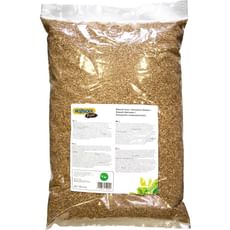
- Bokashi Bran: Essential refills for Bokashi composting systems, containing the active microorganisms that ferment kitchen waste
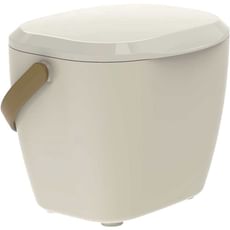
- Kitchen Caddies: Compact countertop containers for collecting daily food scraps before transferring to your main composter
- Compost Aerators: Long-handled tools for improving airflow in traditional bins without emptying them
- Compost Thermometers: Monitor internal temperatures to ensure optimal hot composting conditions
- Garden Sieves: For sifting finished compost to achieve fine, ready-to-use material
- Compost Activators: Natural additives that accelerate decomposition by boosting microbial activity
- Garden Carts and Wheelbarrows: Essential for transporting finished compost and collecting garden waste
- Garden Gloves: Protect hands when handling compost materials and turning bins
Frequently Asked Questions
How long does it take to produce usable compost?
This varies significantly by composter type and conditions. Traditional static bins typically take 9-12 months, tumbling composters can produce finished compost in 6-8 weeks with regular turning (every 2-3 days), and Bokashi systems ferment waste in 2-3 weeks, though the material needs further maturation. Warmer temperatures, proper green-to-brown ratios, adequate moisture, and regular aeration all accelerate the process.
Can I compost cooked food and meat scraps?
Standard garden composters should not be used for meat, fish, dairy, or cooked foods as these attract pests, create odours, and can contain pathogens. However, Bokashi kitchen composters are specifically designed to ferment all food waste including these materials through an anaerobic process. The fermented waste can then be buried in garden soil or added to a traditional composter to complete decomposition.
Where should I position my composter in the garden?
Choose a level, well-drained spot with some shade to prevent the contents drying out too quickly in summer. Position on bare soil if possible to allow beneficial organisms and worms to access the material naturally. Ensure convenient access from your kitchen for regular additions, but not so close to the house that any odours become problematic. Tumbling composters work well on patios or hard surfaces as they're self-contained.
My compost smells bad – what's wrong?
Unpleasant odours usually indicate anaerobic conditions from insufficient oxygen or too much moisture. Add more brown materials (cardboard, dried leaves) to absorb excess moisture and improve structure, then turn or rotate the contents thoroughly. If using a tumbling composter, increase rotation frequency. Avoid adding thick layers of grass clippings which mat down and exclude air. A properly maintained compost should smell earthy and pleasant.
Do I need to add anything special to start composting?
You can begin composting immediately with just kitchen and garden waste in the correct balance – aim for roughly equal parts green (nitrogen-rich) and brown (carbon-rich) materials. However, compost activators or a shovelful of existing compost can accelerate the process by introducing beneficial microorganisms. Bokashi composters specifically require Bokashi bran for the fermentation process to work effectively.