

Contractors Forks

Pay in 3 interest-free payments on purchases from £20-£3000 with  . Learn more.
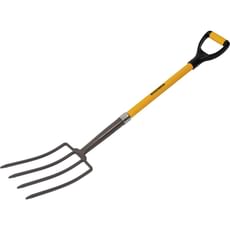
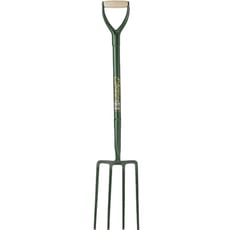
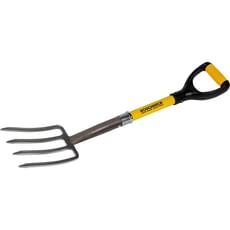
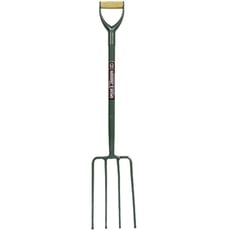
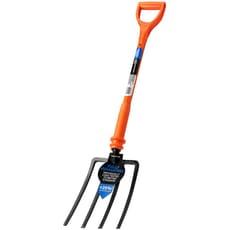
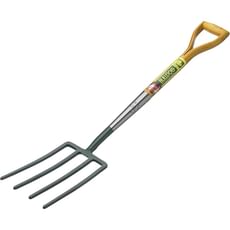
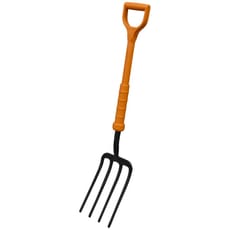
 Loading...
End of content
Error - No more pages to load
About Contractors Forks
Contractors forks are heavy-duty digging tools specifically engineered for the demanding requirements of professional groundwork and construction sites. Unlike standard garden forks, these robust implements feature reinforced construction, longer handles, and stronger tines designed to withstand the rigours of excavating compacted soil, breaking up hard ground, and moving heavy materials such as rubble, hardcore, and aggregate. Tooled-Up.com stocks contractors forks from trusted brands including Bulldog, Draper Expert, Spear and Jackson, Roughneck, Faithfull, and Sealey, providing essential equipment for any tradesperson involved in landscaping, utilities installation, or groundwork preparation.
The key distinction between contractors forks and conventional garden forks lies in their construction and intended application. Contractors forks typically feature all-steel construction or reinforced wooden handles with metal strapping, heavier gauge steel tines, and larger head sizes to maximise leverage and material movement. Many models incorporate insulated handles for added safety when working near underground utilities, whilst others offer specialised designs such as trenching forks with narrower profiles for excavating service trenches and cable runs. The range at Tooled-Up includes standard digging forks, insulated trenching forks, and micro contractors forks for confined spaces, ensuring comprehensive coverage for professional groundwork applications.
Whether you're a groundworker preparing foundations, a landscaper installing drainage systems, or a utilities contractor excavating service trenches, investing in a quality contractors fork significantly improves productivity and reduces physical strain during demanding site work. The extended handle lengths and reinforced construction allow for greater leverage when breaking up compacted ground, whilst the robust tine design resists bending and breakage even under heavy loads. Premium ranges like the Spear and Jackson Neverbend series and Bulldog Premier range offer extended guarantees reflecting their superior construction quality.
Jargon Buster
- Tines: The individual prongs or spikes of the fork that penetrate the ground. Contractors forks typically feature four heavy-gauge steel tines designed to resist bending under extreme loads.
- Trenching Fork: A specialised contractors fork with a narrower head profile, specifically designed for excavating trenches for utilities, drainage, and cable installation without disturbing the surrounding ground.
- Insulated Handle: A handle covered with non-conductive material to provide electrical insulation, offering protection when working near buried electrical cables. Tested to 10,000 volts and guaranteed to 1,000 volts, these tools provide an additional safety layer in environments where accidental contact with live circuits is possible.
- Solid Forged: A manufacturing method where the fork head and socket are formed from a single piece of steel, providing superior strength and durability compared to welded construction.
- Strapped Handle: Wooden or fibreglass handles reinforced with metal strapping that extends from the socket down the shaft, significantly increasing strength and preventing handle breakage during heavy use.
- Socket: The metal collar that connects the fork head to the handle. Contractors forks feature deeper, reinforced sockets to withstand the additional leverage and force applied during professional use.
Who Uses Contractors Forks?
Contractors forks are essential tools for a wide range of trades and professions:
- Groundworkers - excavating foundations, drainage trenches, and site preparation
- Landscapers - installing gardens, drainage systems, and ground preparation work
- Utilities Contractors - excavating service trenches for water, gas, and electrical installations
- Civils Engineers - site clearance and ground preparation for construction projects
- Agricultural Contractors - heavy-duty farm work and land management
- Highway Maintenance Teams - road verge maintenance and drainage work
- Plant Hire Operatives - supporting excavation work and material handling
- Drainage Specialists - installing and maintaining drainage systems
- Builders and General Contractors - foundation work and site clearance
- Local Authority Maintenance Teams - parks, highways, and public works maintenance
How to Choose the Right Contractors Forks
Selecting the appropriate contractors fork depends on several key factors relating to your specific applications and working environment:
Handle Material: All-steel construction offers maximum durability and is virtually indestructible, making it ideal for the most demanding applications involving rubble and hardcore. Wooden handled forks with metal strapping provide excellent shock absorption and are lighter for extended use, whilst fibreglass handles combine durability with reduced weight and improved vibration dampening.
Insulation Requirements: If you regularly work near buried electrical services or in environments where accidental contact with live cables is possible, choose a fork with insulated handles. Models from Bulldog, Draper Expert, and Sealey feature insulated construction tested to 10,000 volts and guaranteed to 1,000 volts, providing an additional layer of safety particularly important for utilities contractors and drainage specialists working in urban environments.
Fork Type: Standard contractors forks feature full-width heads suitable for general excavation and material handling. Trenching forks have narrower profiles (typically around 310mm width) specifically designed for excavating service trenches with minimal ground disturbance, making them essential for utilities work. Micro contractors forks offer compact dimensions for working in confined spaces whilst maintaining professional-grade construction.
Tine Configuration: Four-tine designs provide the best balance of ground penetration and material retention for most applications. Consider the tine length and spacing based on the typical soil conditions you encounter—longer tines suit deeper excavation work, whilst wider spacing helps when moving larger aggregate or rubble.
Brand Reputation: Established manufacturers such as Bulldog, Spear and Jackson, Draper Expert, Roughneck, Faithfull, and Sealey have proven track records for producing durable contractors forks that withstand professional use. Premium ranges like the Spear and Jackson Neverbend series offer extended guarantees reflecting their superior construction quality.
Handle Length: Contractors forks typically feature longer handles than garden forks to provide increased leverage. Consider your height and the typical depth of excavation work—longer handles reduce back strain but may be unwieldy in confined spaces.
Popular Accessories
Complement your contractors fork with these essential accessories and related equipment:
- Contractors Shovels and Spades - essential companions for comprehensive groundwork capabilities
- Mattocks and Pickaxes - for breaking up extremely hard or rocky ground before forking
- Cable Avoidance Tools (CAT) - essential safety equipment for locating buried services before excavation
- Work Gloves - heavy-duty leather or synthetic gloves to prevent blisters and improve grip
- Wheelbarrows and Dumpers - for removing excavated material efficiently
- Tool Storage Solutions - secure transport and storage for your hand tools on site
- High-Visibility Workwear - essential PPE for site work compliance
- Safety Boots - steel toe-capped footwear for protection when working with heavy tools
- Trench Sheets and Supports - for safe working in deeper excavations
- Measuring Tapes and Marking Spray - for accurate trench layout and excavation
Safety Information
Underground Services: Always use cable avoidance tools (CAT and Genny) to locate buried services before commencing any excavation work. Even when using insulated forks, never rely solely on handle insulation as primary protection against electrical hazards. Follow HSE guidelines for safe digging practices near underground utilities.
Manual Handling: Contractors forks involve significant physical exertion. Use proper lifting techniques, keeping your back straight and using leg muscles rather than your back when lifting loads. Take regular breaks to prevent fatigue, which increases injury risk. Consider the Manual Handling Operations Regulations when planning extensive excavation work.
Personal Protective Equipment: Always wear appropriate PPE including safety boots with steel toe caps and midsole protection, heavy-duty work gloves, and high-visibility clothing when working on construction sites. Safety glasses may be appropriate when working in areas where debris could be dislodged.
Tool Condition: Regularly inspect your contractors fork for damage including bent tines, loose handles, cracked sockets, or damaged insulation. Replace damaged tools immediately—attempting to use compromised equipment significantly increases accident risk. Clean and store tools properly to maintain their condition and longevity.
Trench Safety: When excavating trenches deeper than 1.2 metres, appropriate trench support systems must be installed in accordance with HSE requirements. Never work in unsupported deep excavations, and ensure proper access and egress arrangements are in place.
Frequently Asked Questions
What's the difference between a contractors fork and a garden fork?
Contractors forks feature significantly heavier construction with reinforced handles, thicker gauge steel tines, and deeper sockets designed for professional groundwork applications. They're built to withstand the demanding conditions of construction sites, including breaking up compacted ground, moving rubble and hardcore, and extensive daily use. Garden forks are lighter tools designed for domestic use in cultivated soil and are not suitable for the rigours of professional groundwork.
Do I need an insulated contractors fork?
If you regularly work near buried electrical services, in urban environments, or undertake utilities installation work, an insulated contractors fork provides an important additional layer of safety. However, insulated handles should never be considered primary protection against electrical hazards—always use cable avoidance tools to locate buried services before excavation and follow HSE safe digging guidelines. For work that doesn't involve proximity to electrical services, a standard contractors fork may be more suitable.
Which handle material is best for contractors forks?
All-steel construction offers maximum durability and is virtually indestructible, making it ideal for the most demanding applications involving heavy rubble and hardcore. However, all-steel forks are heavier and transmit more vibration. Wooden handles with metal strapping provide excellent shock absorption and are lighter for extended use, though they require more maintenance. Fibreglass handles offer a good compromise, combining durability with reduced weight and vibration dampening. Your choice depends on the typical applications and personal preference.
What's a trenching fork and when do I need one?
A trenching fork features a narrower head profile than standard contractors forks, specifically designed for excavating service trenches for utilities, drainage, and cable installation. The reduced width allows you to dig precise trenches without disturbing the surrounding ground unnecessarily, making them essential for utilities contractors and drainage specialists. For general groundwork and material handling, a standard contractors fork is more versatile.
How do I maintain my contractors fork?
Clean your fork after each use to remove soil and debris, paying particular attention to the socket area where dirt can accumulate. Store in a dry location to prevent rust formation. For wooden handles, occasionally treat with linseed oil to prevent drying and cracking. Regularly inspect tines for bending or damage, the socket for cracks, and handles for splits or looseness. Sharpen tine tips periodically using a file to maintain ground penetration efficiency. Replace the tool if you notice significant damage, as compromised tools pose safety risks.