

Contractors Rakes

Pay in 3 interest-free payments on purchases from £20-£3000 with  . Learn more.
Loading...
End of content
Error - No more pages to load
About Contractors Rakes
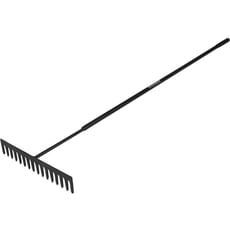
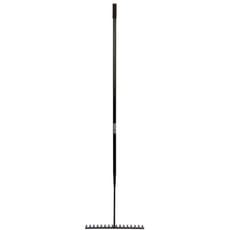
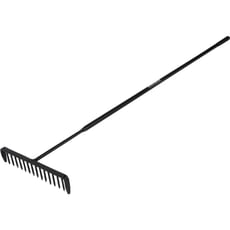
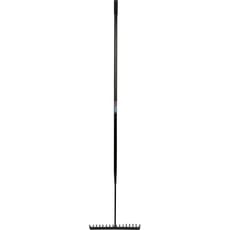
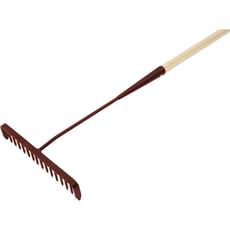
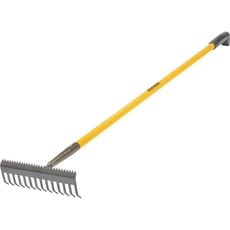
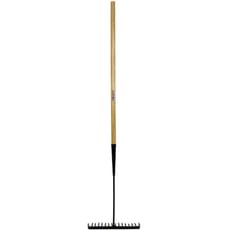
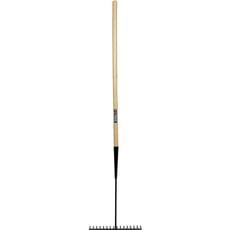
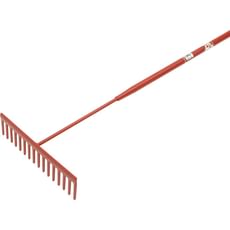
Contractors rakes are professional-grade groundwork tools engineered specifically for demanding construction, landscaping, and civil engineering applications. Unlike lightweight garden rakes designed for leaf collection or soil cultivation, these robust implements are built to withstand the rigours of spreading and levelling heavy materials including hot asphalt, tarmac, concrete, hardcore, and compacted aggregates on building sites. Featuring reinforced steel heads, tubular shafts for superior strength-to-weight ratio, and hardened teeth or blades, contractors rakes deliver the durability and precision required for professional surface preparation and finishing work.
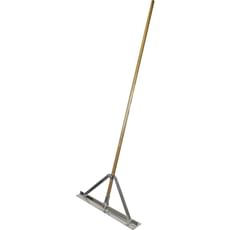
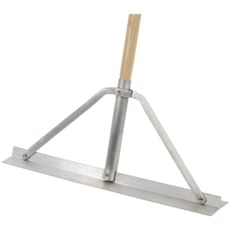
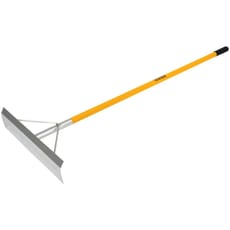
The selection at Tooled-Up.com encompasses several specialist variants designed for specific groundwork tasks. Tarmac rakes and asphalt rakes feature heat-resistant construction with closely-spaced teeth for spreading hot bituminous materials without warping or bending. Builders spazzles (also known as lutes or smoothing rakes) provide wide, flat blades for finishing concrete surfaces, floor screeds, and solid foundations with a smooth, level finish. Serrated edge soil rakes combine ground-breaking capability with levelling action, making them ideal for preparing compacted substrates before laying aggregate or paving.
Professional brands including Faithfull, Roughneck, Spear and Jackson, and Draper manufacture contractors rakes with various head widths (typically 400-1000mm), tooth configurations, and handle lengths to suit different applications and working preferences. Whether you're a groundworker preparing sub-bases, a tarmac layer installing driveways, a landscaper creating hard surfaces, or a general builder tackling site preparation, investing in purpose-built contractors rakes ensures professional results whilst reducing physical strain and improving productivity on demanding projects.
Jargon Buster
- Asphalt Rake: A heavy-duty rake specifically designed for spreading and levelling hot asphalt and tarmac. Features heat-resistant construction with closely-spaced, reinforced teeth that withstand high temperatures without warping, bending, or losing structural integrity during bituminous material installation.
- Spazzle (or Lute): A flat-bladed levelling tool with an extended handle used for smoothing and finishing concrete, screed, or asphalt surfaces. The wide, smooth blade (typically 610mm) creates an even surface prior to final finishing, essential for achieving professional flatwork results.
- Tubular Shaft: Hollow steel or aluminium handle construction that provides excellent strength-to-weight ratio whilst reducing overall tool weight. More durable than solid wooden handles for professional site use, resisting bending and providing years of reliable service in demanding conditions.
- Square Tooth Design: Rake teeth with flat, square-cut ends rather than pointed tips, providing superior surface levelling and material distribution without gouging or tearing the substrate. Particularly effective for finishing work with tarmac, asphalt, and fine aggregates.
- Serrated Edge: A toothed or notched blade edge designed to break up compacted soil, hardcore, or aggregate whilst simultaneously levelling, combining two operations in one tool. Reduces the need for separate ground-breaking implements during site preparation.
- Head Width: The working width of the rake measured across the teeth or blade, typically ranging from 400mm to 1000mm for contractors rakes. Wider heads cover more ground quickly but require greater physical effort in heavy materials, whilst narrower heads offer better control in confined spaces.
Who Uses Contractors Rakes?
- Groundworkers and Civil Engineers: For preparing sub-bases, spreading aggregate, levelling foundations, and finishing hardcore layers on construction sites and infrastructure projects.
- Tarmac and Asphalt Layers: Specialist contractors installing driveways, car parks, road surfaces, and pathways who require heat-resistant spreading tools capable of working with hot bituminous materials.
- Landscape Contractors: Professional landscapers preparing ground for hard landscaping installations, paving projects, decorative gravel surfaces, and outdoor recreational areas.
- Concreters and Screed Layers: Tradespeople using spazzles and lutes for finishing floor screeds, concrete slabs, solid surfaces, and foundation preparations requiring smooth, level finishes.
- General Builders: For site preparation, aggregate spreading, groundwork across various construction projects, and levelling materials during foundation and drainage work.
- Highway Maintenance Teams: Council and contractor teams maintaining road surfaces, carrying out repair work, and installing temporary or permanent surfacing solutions.
- Agricultural Contractors: For preparing and levelling surfaces in farm yards, livestock areas, and agricultural building projects requiring robust ground preparation tools.
- Serious DIY Enthusiasts: Homeowners tackling substantial driveway installations, patio projects, or groundwork requiring professional-grade equipment for quality results.
How to Choose the Right Contractors Rakes
Application Type: Match the rake to your specific task for optimal results. Asphalt and tarmac rakes feature heat-resistant construction with closely-spaced teeth for working with hot materials, whilst soil rakes have serrated or standard teeth for ground preparation and aggregate levelling. Spazzles and lutes provide smooth blades for finishing concrete and screed surfaces. Consider whether you need spreading, levelling, ground-breaking, or finishing capabilities for your typical projects.
Head Width and Weight: Wider rake heads (600-1000mm) cover more ground quickly, improving productivity on large-scale projects, but are heavier and more tiring to use during extended periods. Narrower heads (400-600mm) offer better control in confined spaces, reduced fatigue during all-day use, and easier manoeuvrability around obstacles. Consider the scale of your typical projects, available working space, and your physical capability when selecting head dimensions.
Shaft Construction and Length: Tubular steel shafts offer the best durability for professional site use, resisting bending under load and providing years of service. Aluminium options reduce weight for extended use whilst maintaining adequate strength. Handle length should allow you to work with a straight back and relaxed posture—when standing upright with the rake head on the ground, the handle should reach approximately chest height. Most contractors rakes feature handles between 1400-1800mm, with taller users requiring longer handles to prevent stooping and back strain.
Tooth Configuration: Square tooth designs provide superior levelling action without gouging, distributing material evenly across the surface. Pointed teeth are better for initial ground breaking and working through compacted materials. Tooth spacing affects the material you're working with—closer spacing for finer materials like asphalt and screeds, wider spacing for aggregate, hardcore, and soil. Consider the predominant materials you'll be working with when selecting tooth design.
Build Quality and Brand: Professional brands including Faithfull, Roughneck, Spear and Jackson, and Draper offer superior materials, welding quality, and reinforced construction that withstands daily site abuse. Tooled-Up stocks contractors rakes with robust head-to-shaft connections, properly hardened teeth, and reinforced construction at stress points. Investment in quality tools reduces replacement costs, minimises downtime, and ensures reliable performance on demanding projects.
Popular Accessories
- Replacement Handles: Spare tubular steel or ash shafts for extending tool life when handles become damaged or worn through regular site use.
- Wheelbarrows and Site Barrows: Essential for transporting tarmac, concrete, aggregate, and other materials to be spread and levelled with contractors rakes.
- Shovels and Spades: Complementary digging and moving tools for site preparation, material handling, and groundwork operations.
- Measuring and Levelling Equipment: Spirit levels, laser levels, measuring tapes, and string lines for ensuring accurate finished levels and maintaining consistent grades.
- Work Gloves: Heavy-duty protective gloves from brands like Portwest to protect hands from blisters, heat, and injuries during prolonged rake work.
- Tamping and Compaction Equipment: Hand tampers, plate compactors, and wacker plates for consolidating materials after spreading and levelling.
- Ground Preparation Tools: Pickaxes, mattocks, breakers, and excavation tools for complete groundwork capability on site.
- Tool Storage Solutions: Secure storage systems including van racking and lockable containers to protect your contractors rakes on site and during transport.
Safety Information
When using contractors rakes, always wear appropriate PPE including safety boots with steel toe caps and penetration-resistant midsoles, work gloves to prevent blisters and hand injuries, and high-visibility clothing on active construction sites. When working with hot asphalt or tarmac, ensure adequate heat protection including heat-resistant gloves and avoid direct contact with hot materials which can cause severe burns.
Maintain proper posture during raking operations to prevent back strain and musculoskeletal injuries—keep your back straight, bend at the knees when applying downward force, and avoid overreaching or twisting whilst handling materials. Take regular breaks during prolonged use to prevent repetitive strain injuries and fatigue-related accidents. Be aware of overhead hazards including power lines, scaffolding, and plant operations, and always check for underground services before commencing groundwork, following HSE guidelines for excavation and site work.
Inspect tools before use, checking for loose heads, cracked shafts, damaged teeth, or compromised welds that could cause accidents or tool failure during operation. Store rakes safely with teeth facing downward or against walls to prevent trip hazards in busy site environments. When working near colleagues, plant operators, or the public, maintain safe working distances to avoid accidental contact with swinging tools. Clean tools after use, particularly after working with concrete or asphalt which can harden on the implement and create handling hazards.
Frequently Asked Questions
What's the difference between an asphalt rake and a tarmac rake?
These terms are used interchangeably in the UK, both referring to heavy-duty rakes designed for spreading and levelling hot bituminous materials. Both feature heat-resistant construction with closely-spaced teeth and reinforced heads. The key characteristic is the ability to withstand temperatures exceeding 150°C without the head warping or teeth bending. Some manufacturers use "asphalt rake" whilst others prefer "tarmac rake", but the tool specifications and applications are identical.
Can I use a contractors rake for standard garden work?
Whilst technically possible, contractors rakes are overbuilt and heavier than necessary for typical garden use, making them tiring for routine tasks like soil cultivation or leaf collection. Their robust construction and wider heads make them less manoeuvrable in garden beds and borders. However, they excel at heavy-duty garden projects involving aggregate spreading, extensive ground levelling, hardcore preparation, or driveway installation where standard garden rakes would bend or fail under the load.
What length handle should I choose for all-day use?
Handle length should allow you to work with a straight back and relaxed posture to prevent fatigue and injury. As a general guide, when standing upright with the rake head on the ground, the handle should reach approximately chest height. Most contractors rakes feature handles between 1400-1800mm. Taller users (over 6ft) should opt for longer handles to prevent stooping and back strain, whilst shorter users may find 1400-1500mm handles more manageable during extended periods of use.
How do I maintain my contractors rake for maximum longevity?
Clean off material after each use, particularly important after working with concrete, screed, or asphalt which can harden on the tool and compromise performance. Inspect teeth and welds regularly for cracks, bending, or damage. Store in a dry location to prevent rust and corrosion. Apply light oil to metal surfaces periodically, especially during winter storage. Replace or repair damaged handles promptly—continued use of damaged tools increases injury risk, reduces effectiveness, and can cause further damage to the rake head.
Are square tooth or pointed tooth rakes better for tarmac work?
Square tooth rakes excel at levelling and smoothing operations, distributing material evenly without gouging the compacted surface beneath. They're ideal for finishing work with tarmac, asphalt, and fine aggregate where surface quality matters. Pointed teeth are better for initial ground breaking and working through compacted materials before surfacing. For most contractors' applications involving surface spreading and levelling of bituminous materials, square tooth designs provide superior results and more consistent finished surfaces.