

Cordless Routers
Pay in 3 interest-free payments on purchases from £30-2000 with  . Learn more.
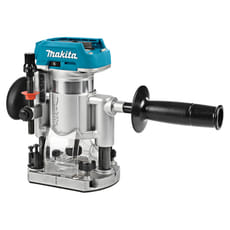
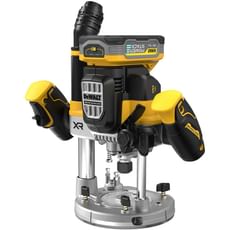
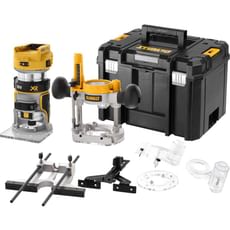
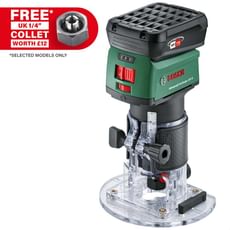
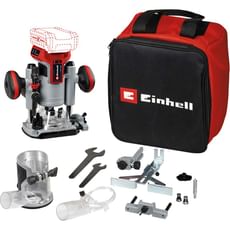
Einhell Professional TP-RO 18 Li BL 18v Cordless Brushless Plunge and Trim Router Set
in stock
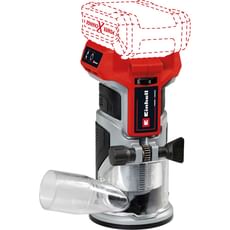
Einhell Professional TP-ET 18 Li BL 18v Cordless Brushless Trim Router
in stock
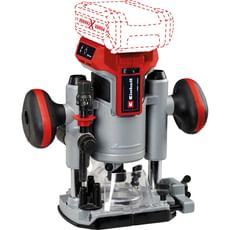
Einhell Professional TP-RO 18 Li BL 18v Cordless Brushless Plunge Router
in stock
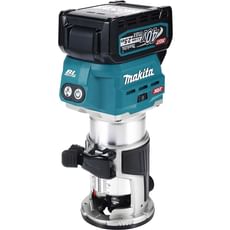
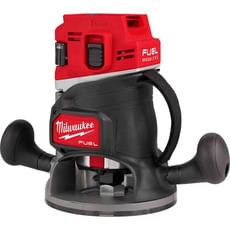
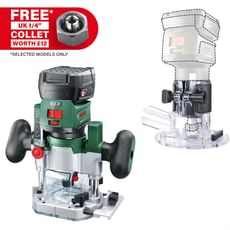
Bosch ADVANCEDTRIMROUTER 18V-8 P4A 18v Cordless Trim Router with Plunge Attachment
in stock
 Loading...
End of content
Error - No more pages to load
About Cordless Routers
Cordless routers have transformed woodworking by delivering the precision and versatility of traditional mains-powered tools with complete freedom from trailing cables. These battery-operated power tools excel at edge profiling, rebating, grooving, and trimming across materials including timber, MDF, plywood, and composite boards. Whether fitting kitchen worktops, installing door furniture, creating decorative edges, or building bespoke joinery, cordless routers provide professional results without the constraints of power outlets or cable management challenges that often complicate site work.
Modern cordless routers are available in several configurations to suit different applications. Trim routers typically feature 1/4" collets and compact bodies, making them ideal for lighter edging work, laminate trimming, and intricate detail work. Plunge routers, available with either 1/4" or 1/2" collets, offer greater depth control and power for heavier-duty tasks like mortising, template work, and deeper grooves. Many models now incorporate brushless motor technology, delivering impressive runtime and performance that rivals 240v corded alternatives whilst maintaining excellent control and precision.
Tooled-Up.com stocks premium cordless router systems from leading manufacturers including Makita, DeWalt, Milwaukee, Bosch, Einhell Professional, and Sealey. Most models operate on 18v battery platforms, with professional-grade options extending to Makita's 40v Max XGT range for the most demanding applications. These tools integrate seamlessly with existing battery ecosystems, making them particularly attractive to tradespeople already invested in a particular brand's cordless platform.
Jargon Buster
- Brushless Motor: An advanced motor design without carbon brushes, offering increased efficiency, longer runtime, reduced maintenance, and extended tool life compared to traditional brushed motors.
- Collet Size: The diameter of the shaft that holds router bits, typically 1/4" (6.35mm) for trim routers and 1/2" (12.7mm) for heavier-duty plunge routers. Larger collets accept more substantial bits for deeper cuts and greater material removal.
- Plunge Base: A spring-loaded mechanism allowing the router bit to be lowered (plunged) into the workpiece at any point, rather than only working from an edge. Essential for mortising, stopped grooves, and template routing.
- Variable Speed Control: Electronic adjustment of the router's RPM (revolutions per minute), allowing optimisation for different materials, bit sizes, and cutting applications. Slower speeds suit larger bits and harder materials, whilst higher speeds work better for finer cuts in softer woods.
- XR/LXT/Fuel: Manufacturer-specific branding for premium cordless tool ranges (DeWalt XR, Makita LXT, Milwaukee Fuel) indicating advanced features, brushless motors, and enhanced battery compatibility.
- Soft Start: A feature that gradually increases motor speed on start-up, reducing torque reaction and improving control, particularly important when working with larger router bits.
Who Uses Cordless Routers?
Cordless routers serve a diverse range of users across both professional trades and DIY applications:
- Joiners and Carpenters: Essential for kitchen fitting, door hanging, window installations, and bespoke joinery work on-site and in workshops
- Cabinet Makers: Creating decorative edges, rebates, and grooves in furniture construction and fitted storage solutions
- Shop Fitters: Installing retail displays, countertops, and commercial joinery where portability is crucial
- Shopfitters and Exhibition Contractors: Requiring portable precision for temporary installations and exhibition stands
- Renovation Specialists: Working in properties without reliable power supply or where cable management is challenging
- Property Maintenance Professionals: Carrying out repairs and improvements across multiple locations
- Staircase Installers: Template routing and precise fitting work often in awkward positions
- Serious DIY Enthusiasts: Home improvers tackling kitchen installations, built-in furniture, and decorative woodworking projects
- Worktop Installers: Precision cutting for hobs, sinks, and edge profiling of laminate and solid surface worktops
How to Choose the Right Cordless Routers
Collet Size and Application: For lighter trimming, laminate work, and edge profiling, a 1/4" trim router offers excellent control and manoeuvrability. For more demanding applications including mortising, deeper grooves, and working with larger profile bits, opt for a 1/2" plunge router. Some versatile models like the Makita DRT50 and DeWalt DCW604NT function as both trim routers and plunge routers with interchangeable bases.
Battery Platform Compatibility: Most cordless routers operate on 18v platforms, with Makita also offering powerful 40v XGT options for the most demanding professional applications. If you already own cordless tools, choosing a router compatible with your existing battery system provides excellent value and convenience. Higher capacity batteries (4.0Ah-6.0Ah) deliver extended runtime for intensive routing sessions.
Motor Technology: Brushless motors, featured in models from DeWalt, Milwaukee, Makita, Bosch, and Einhell Professional ranges, provide superior efficiency, increased power delivery, and significantly longer tool life. Whilst slightly more expensive initially, brushless routers offer better long-term value for regular users.
Speed Control and Power: Variable speed control allows optimisation for different materials and bit sizes—essential for achieving clean cuts without burning. Premium models typically offer speeds between 10,000-30,000 RPM with electronic feedback to maintain consistent speed under load.
Ergonomics and Control: Consider the tool's weight, grip design, and balance, particularly for overhead work or extended use. Clear depth scales, easy-to-adjust bases, and positive locking mechanisms contribute to accuracy and user confidence. LED work lights, increasingly common on models from Bosch and Milwaukee, significantly improve visibility in poorly-lit installations.
Budget Considerations: Entry-level cordless routers from brands like Sealey and Einhell Professional offer excellent value for occasional users and DIY enthusiasts. Mid-range options from Bosch and DeWalt balance performance with affordability, whilst premium Milwaukee Fuel and Makita XGT models deliver maximum power and runtime for daily professional use.
Popular Accessories
- Router Bit Sets: Comprehensive collections of profile, straight, and specialist bits in both 1/4" and 1/2" shanks for various routing applications
- Guide Bushes: Metal collars that fit around router bits, enabling precise template following and consistent offset routing
- Edge Guides: Parallel fences that attach to the router base for accurate straight cuts at set distances from workpiece edges
- Router Mats and Pads: Non-slip surfaces protecting workpieces and providing stability during routing operations
- Dust Extraction Adaptors: Connect routers to vacuum systems, essential for maintaining visibility and meeting HSE dust control requirements
- Plunge Bases and Trim Bases: Interchangeable base attachments expanding the versatility of compatible router bodies
- Template Guides and Jigs: Enable repeatable cuts for hinge recesses, letterboxes, and decorative inlay work
- Spare Collets and Wrenches: Replacement components and additional collet sizes for different bit shank diameters
Safety Information
Router operation presents specific hazards requiring appropriate precautions and personal protective equipment. Always wear safety glasses or a full face shield to protect against flying chips and debris, which can be ejected at high velocity. Hearing protection is essential as routers generate significant noise levels, particularly at higher speeds and when working with hardwoods or manufactured boards.
Dust extraction should be employed wherever practical, as routing generates substantial amounts of fine dust. Many timber dusts, particularly from MDF and exotic hardwoods, present serious respiratory hazards and are subject to HSE workplace exposure limits under COSHH regulations. When dust extraction isn't feasible, wear appropriate respiratory protection rated for fine wood dust.
Always ensure the workpiece is securely clamped before routing—never attempt to hold small items by hand. Allow the router to reach full speed before engaging the workpiece, and move the tool in the correct direction (generally anti-clockwise around external edges) to prevent dangerous climb-cutting. Disconnect the battery before changing bits or making adjustments, and never reach under or near the bit whilst the tool is powered.
Inspect router bits regularly for damage, ensuring they're sharp, clean, and properly secured in the collet. Dull or damaged bits increase the risk of kickback and produce poor-quality results. When working overhead or in awkward positions, maintain secure footing and be aware of the tool's weight and potential reaction forces.
Frequently Asked Questions
Can cordless routers handle the same tasks as corded models?
Modern 18v cordless routers with brushless motors deliver performance comparable to many 240v corded equivalents for most applications. Whilst extremely demanding production work might still favour mains-powered tools for continuous operation, cordless models excel for site work, installations, and typical joinery tasks. Premium options like Makita's 40v XGT range offer exceptional power for the most demanding professional applications without compromising portability.
How long do batteries last when routing?
Runtime varies significantly based on material hardness, bit size, depth of cut, and router model. As a general guide, a 5.0Ah battery typically provides 20-40 minutes of active routing time. Having spare batteries available ensures uninterrupted workflow, and most professional users maintain at least two batteries per tool. Lighter trimming work consumes less power than deep plunge cuts or working with large profile bits in hardwood.
What's the difference between a trim router and a plunge router?
Trim routers are compact, lightweight tools with fixed bases, designed primarily for edge work, laminate trimming, and lighter applications. They typically feature 1/4" collets and excel at detailed, controlled work. Plunge routers incorporate spring-loaded bases allowing the bit to be lowered into the workpiece at any point, essential for mortising, stopped grooves, and template work. Many versatile models available at Tooled-Up now offer interchangeable bases, functioning as both tool types.
Are cordless routers suitable for professional daily use?
Absolutely. Professional-grade cordless routers from manufacturers like Milwaukee, DeWalt, and Makita are specifically designed for demanding trade use, featuring brushless motors, robust construction, and compatibility with high-capacity battery systems. Many joiners and carpenters have transitioned entirely to cordless platforms, appreciating the freedom from cables and consistent performance across varied site conditions. The key is selecting a quality model appropriate to your typical workload and maintaining adequate battery capacity.
Do I need both 1/4" and 1/2" collet sizes?
This depends on your intended applications. For general edge profiling, trimming, and lighter joinery work, a 1/4" trim router with appropriate bits covers most requirements. However, if you regularly undertake heavier routing tasks, work with larger profile bits, or need maximum versatility, a 1/2" plunge router provides greater capability. Some models accept both collet sizes via adaptors, whilst others like the DeWalt DCW604NT offer multiple base configurations for maximum flexibility.