

Damp Meters

Pay in 3 interest-free payments on purchases from £20-£3000 with  . Learn more.
 Loading...
End of content
Error - No more pages to load
About Damp Meters
Damp meters are essential diagnostic instruments designed to detect and measure moisture levels in building materials including timber, plaster, masonry, concrete, and screed. Also known as moisture meters or moisture detectors, these tools help tradespeople and property professionals identify potential damp problems before they develop into serious structural issues, mould growth, or timber decay. Whether investigating a suspected leak, conducting a pre-purchase property survey, or monitoring drying processes following water damage, a reliable damp meter delivers accurate readings that inform remedial action and prevent costly repairs escalating. For DIY enthusiasts tackling home improvement projects, these instruments provide peace of mind that materials are sufficiently dry before decoration or installation work begins.
Modern moisture detection equipment typically falls into two primary categories: pin-type meters that use electrode probes inserted into materials to measure electrical resistance, and non-invasive scanning meters that detect moisture beneath surfaces without leaving marks. Pin-type models offer precise, localised readings ideal for detailed timber assessment and targeted investigations, whilst scanning meters enable rapid surveys of large wall areas and finished surfaces where penetration would cause unacceptable damage. Professional-grade instruments often incorporate additional features such as temperature measurement, relative humidity monitoring, multiple material calibration scales, and digital displays with data logging capabilities for documenting findings across multiple test locations.
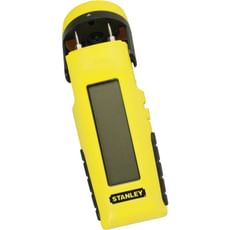
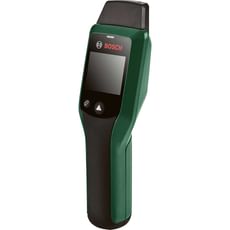
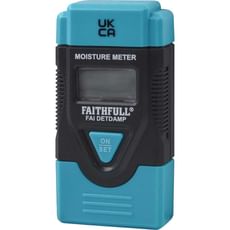
The selection available at Tooled-Up.com includes moisture detection equipment from trusted manufacturers including Bosch, Draper, Stanley, and Faithfull, offering solutions for every application and budget. Entry-level handheld detectors suit occasional DIY use and straightforward moisture checks, whilst advanced thermo-hygrometers combine moisture detection with environmental monitoring capabilities essential for professional building surveys. Many contemporary models feature backlit LCD displays for improved visibility in poorly-lit roof spaces, audible alerts when moisture thresholds are exceeded, and Bluetooth connectivity enabling data transfer to smartphones or tablets for generating professional survey reports and documentation.
Jargon Buster
- Moisture Content (MC): The quantity of water present in a material, expressed as a percentage of the material's dry weight. Timber with moisture content above 20% is considered at risk of fungal decay, whilst levels below 16% are generally acceptable for interior joinery and structural applications.
- Pin-Type Meter: A moisture detector that uses two electrode pins driven into the material surface to measure electrical resistance, which correlates directly to moisture content. Provides precise readings at specific depths but leaves small penetration holes in the tested surface.
- Non-Invasive/Scanning Meter: A moisture detector employing electromagnetic or capacitance technology to detect moisture beneath surfaces without penetrating the material, making it ideal for finished walls, veneered joinery, and rapid survey work across large areas.
- Relative Humidity (RH): The amount of moisture in the air expressed as a percentage of the maximum amount the air could hold at that temperature. Critical for assessing drying conditions, ventilation adequacy, and preventing condensation-related damp problems in occupied buildings.
- Calibration Scale: Pre-programmed material settings that adjust readings based on the electrical properties of different substrates such as various timber species, plasterboard, concrete, and brick, ensuring accurate measurements across diverse building materials.
- Dew Point: The temperature at which air becomes saturated and moisture begins to condense on surfaces. Advanced thermo-hygrometers calculate dew point to assess condensation risk, identify cold bridging, and determine ventilation requirements for eliminating moisture problems.
Who Uses Damp Meters?
Moisture detection instruments are invaluable tools for a diverse range of construction professionals, property specialists, and DIY users:
- Building Surveyors: Conducting pre-purchase property surveys, homebuyer reports, and structural investigations to identify damp penetration, rising damp, condensation issues, and moisture-related defects affecting property condition and value.
- Damp Proofing Specialists: Diagnosing moisture problems, specifying appropriate treatment solutions, verifying damp-proof course effectiveness, and monitoring remedial works to ensure successful moisture control and building protection.
- Plumbers and Heating Engineers: Locating hidden leaks behind walls and under floors, assessing water damage extent following burst pipes or central heating system failures, and monitoring drying progress before reinstatement work begins.
- Plasterers and Decorators: Ensuring substrate moisture levels are suitable before applying finishes, preventing blistering paint, wallpaper adhesion failures, and coating defects caused by moisture migration through insufficiently dried surfaces.
- Carpenters and Joiners: Verifying timber moisture content before installation to prevent warping, shrinkage, joint failure, and dimensional instability in joinery work, flooring installations, and structural timbers following delivery to site.
- Restoration Specialists: Monitoring drying processes following flood damage, documenting moisture reduction progress for insurance claims, and ensuring buildings are fully dried to acceptable levels before decoration and reinstatement commences.
- Property Managers and Landlords: Investigating tenant-reported damp issues, maintaining building condition, and addressing moisture problems before they breach housing health and safety regulations or cause extensive damage requiring costly repairs.
- DIY Enthusiasts and Homeowners: Investigating damp patches, checking purchased timber before woodworking projects, monitoring moisture levels in problematic basements and lofts, and assessing building condition before purchasing property.
How to Choose the Right Damp Meters
Measurement Technology: Pin-type meters offer precise, localised readings ideal for detailed timber assessment and targeted investigations into specific problem areas. Non-invasive scanning meters enable rapid surveys of large wall areas without leaving marks, making them suitable for finished surfaces like painted walls and decorative plasterwork. Many professionals invest in dual-function models offering both technologies, or maintain separate instruments for maximum versatility across different applications and surface types.
Measurement Range and Material Compatibility: Basic models typically measure timber moisture content from 6-40%, suitable for most woodwork applications and general moisture detection. Professional instruments offer extended ranges (0-100%) and multiple calibration scales for concrete, plaster, brick, screed, and various timber species. If working with diverse building materials, choose a meter with pre-programmed settings or adjustable calibration to ensure accurate readings across all substrates encountered during survey work and diagnostics.
Display and Advanced Features: LCD digital displays provide clear percentage readings and numerical precision, whilst some basic models use LED indicators or traffic light systems showing dry/borderline/damp zones for quick assessment. Advanced features worth considering include temperature measurement (essential for identifying condensation risks), relative humidity monitoring, data logging for multiple test locations, minimum/maximum hold functions, and audible alerts when moisture thresholds are exceeded. Backlit displays significantly improve visibility when working in poorly-lit roof spaces, basements, and crawl spaces.
Accuracy and Build Quality: Professional-grade meters from established manufacturers stocked at Tooled-Up.com offer superior accuracy (typically ±1-2%), robust construction suitable for demanding site use, and calibration stability over time ensuring consistent readings. Budget models suit occasional DIY use but may sacrifice precision and durability. Consider ingress protection ratings if working in wet conditions, and verify battery life specifications for extended surveys in locations without convenient power access for recharging.
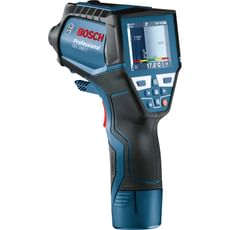
Environmental Monitoring Capabilities: Thermo-hygrometers combine moisture detection with temperature and humidity measurement, enabling comprehensive environmental assessment essential for investigating condensation problems. These are particularly valuable for assessing ventilation adequacy, calculating dew point, and identifying conditions conducive to mould growth. Some advanced models from manufacturers like Bosch incorporate infrared thermometers to detect cold spots and thermal bridges commonly associated with moisture accumulation and condensation issues in occupied buildings.
Popular Accessories
- Replacement Electrode Pins: Spare pins for pin-type meters wear progressively over time, especially when used extensively on hard materials like concrete and masonry. Maintaining replacement pins ensures continued measurement accuracy and reliable penetration capability during extended survey work.
- Extension Probes: Longer electrode pins (typically 50-100mm) enable moisture measurement deep within thick walls, floor screed, and structural timbers, reaching problem areas inaccessible to standard-length pins and providing moisture profiles at different depths.
- Hammer Electrode Probes: Heavy-duty probes designed to be driven into hard materials using a hammer, featuring insulated shafts that measure moisture at specific depths within masonry walls and dense timber without surface resistance affecting readings.
- Calibration Check Standards: Reference materials with known moisture content used to verify meter accuracy periodically, particularly important for professional survey work, insurance assessments, and legal reports where measurement precision is critical.
- Protective Carrying Cases: Robust cases protect instruments during transport between sites and storage in vans, extending equipment life and keeping accessories organised for efficient survey work and diagnostics.
- Moisture Reference Cards: Quick-reference guides detailing acceptable moisture levels for different materials and applications, helping interpret readings correctly and determine whether remedial action is required based on measured values and material type.
Safety Information
When investigating damp problems, be aware that affected areas frequently harbour mould growth that may present health risks. Disturbing mould-contaminated materials can release spores into the air. Wear appropriate respiratory protection (FFP3 masks minimum) when working in heavily affected areas, particularly if you have respiratory conditions or allergies. Ensure adequate ventilation during investigations in confined spaces, and follow HSE guidance regarding biological hazards in buildings.
Exercise caution when using pin-type meters near electrical installations. Although the voltage used is minimal, always isolate circuits before inserting pins into walls that may contain concealed wiring. Be particularly vigilant when working near socket outlets, light switches, consumer units, and expected cable routes. If investigating moisture near electrical equipment or in areas where wiring is suspected, consult a qualified electrician if you have any concerns about potential electrical hazards or require circuit isolation.
When accessing roof spaces, basements, and crawl spaces during moisture surveys, ensure safe access arrangements and adequate lighting for identifying hazards. Damp timbers may have compromised structural strength through fungal decay, so avoid putting weight on suspect joists or floorboards until their condition is properly verified. Wear appropriate PPE including protective gloves, eye protection, and suitable footwear with good grip, and remain mindful of low headroom, protruding nails, insulation materials, and slip hazards in wet conditions.
Frequently Asked Questions
What moisture content reading indicates a damp problem requiring action?
For timber, readings below 16% are generally considered acceptable for interior use and structural applications. Readings between 16-20% indicate elevated moisture requiring investigation into the source, whilst readings above 20% represent conditions conducive to fungal decay requiring immediate remedial action. For masonry materials, readings above 20% typically warrant further investigation, though interpretation depends significantly on material type, building construction methods, measurement depth, and recent weather conditions. Always take multiple readings to build a complete moisture profile rather than relying on isolated measurements.
Can damp meters definitively diagnose rising damp?
Damp meters can identify elevated moisture levels in walls consistent with rising damp, but cannot definitively diagnose the cause without additional investigation. Rising damp typically produces a characteristic moisture profile (highest at skirting level, reducing progressively with height) and may show presence of hygroscopic salts that remain damp. However, similar patterns can result from condensation, penetrating damp, leaking plumbing, or defective renders. Professional diagnosis often requires specialist salt analysis, investigation of damp-proof course condition, and consideration of building construction alongside moisture readings.
Do moisture meters require regular calibration?
Most modern moisture meters come factory-calibrated and maintain accuracy for normal use without requiring field calibration by users. However, professional users should periodically verify accuracy using calibration check standards or by comparing readings against a known-accurate reference meter to ensure consistency. If your meter produces inconsistent readings, has been dropped or damaged, or shows signs of battery corrosion affecting electronics, professional re-calibration may be necessary. Always follow the manufacturer's maintenance guidelines and check battery condition regularly, as low batteries can significantly affect reading accuracy.
Will a moisture meter work through paint, wallpaper, or ceramic tiles?
Non-invasive scanning meters can detect moisture through thin coverings including paint, wallpaper, and vinyl finishes, though accuracy may be reduced compared to measurements on bare surfaces. However, metallic coatings (including foil-backed wallpapers), ceramic tiles, moisture-barrier membranes, and metallic paints will block the electromagnetic signal preventing accurate readings. Pin-type meters must penetrate the surface covering to reach the substrate material beneath, which will leave small holes marking finished surfaces. For non-destructive surveys of decorated surfaces, scanning meters are preferable, but pin readings may be necessary to confirm findings and obtain precise moisture content values.
How do budget moisture meters compare to professional models in terms of accuracy?
Budget moisture meters (typically under £30) can provide useful indicative readings for occasional DIY use and identifying obvious damp problems in straightforward situations. However, they generally offer lower accuracy specifications (±3-5%), fewer material calibration options, less robust construction unsuitable for demanding site use, and may be affected by surface moisture, temperature variations, or operator technique. Professional instruments (£100+) provide superior accuracy (±1-2%), multiple calibration settings for diverse materials, consistent performance essential for survey work, and construction quality suitable for daily professional use, insurance assessments, and legal reports where measurement precision is critical.