

Digging & Raking Tools

Pay in 3 interest-free payments on purchases from £20-£3000 with  . Learn more.
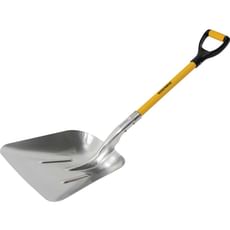
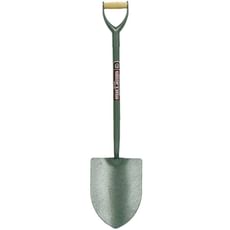
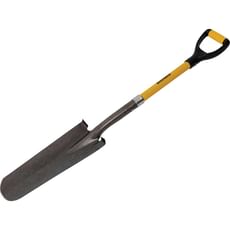
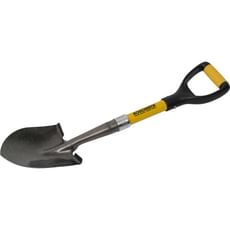
 Loading...
End of content
Error - No more pages to load
About Digging & Raking Tools
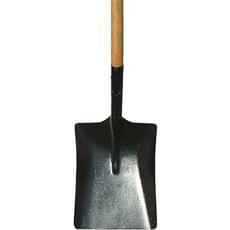
Digging and raking tools form the backbone of groundwork operations across construction sites, landscaping projects, agricultural work, and domestic gardens throughout the UK. This essential category encompasses everything from robust contractors' spades engineered for demanding excavation work to specialist coal shovels, hay rakes, and landscape rakes designed for specific applications. Whether you're breaking ground for foundations, preparing surfaces for paving, spreading aggregate materials, or maintaining extensive outdoor spaces, having the right digging and raking equipment ensures efficient work, reduces physical fatigue, and delivers professional results that meet site specifications.
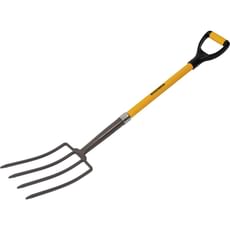
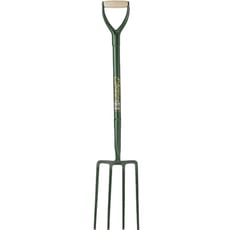
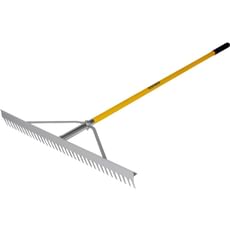
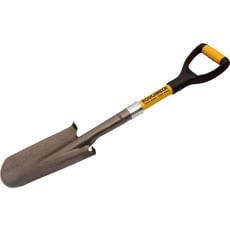
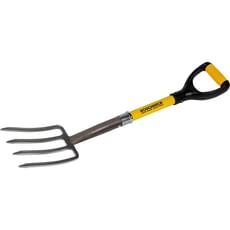
The range available at Tooled-Up.com includes contractors' forks for penetrating compacted ground, mini shovels perfect for confined spaces and trenching work, and full-size landscape rakes for levelling extensive areas with precision. Modern designs incorporate ergonomic handle configurations, reinforced socket connections, and carefully selected materials that balance durability with manageable weight. Farming shovels and forks feature specialised tine patterns and blade profiles suited to handling bedding materials, feed distribution, and livestock management tasks, whilst contractors' rakes provide the rigidity needed for spreading hardcore and levelling sub-bases on construction sites.
Quality digging and raking tools represent a critical investment for groundworkers, landscapers, and contractors who depend on reliable equipment capable of withstanding the rigours of daily professional use. Features such as heat-treated carbon steel blades, fibreglass or hardwood handles with comfortable grips, and solid socket construction ensure these tools can tackle challenging ground conditions—from heavy clay soils to rocky terrain—whilst minimising the risk of handle breakage or blade damage that can halt site progress and compromise project timelines.
Jargon Buster
- Socket Connection: The method of attachment between the tool head and handle. Solid socket construction provides superior strength compared to tang connections, with the handle fitting inside a steel sleeve that's welded to the blade, distributing stress more effectively and reducing the risk of separation during heavy use.
- Treads: The rolled or welded edge at the top of a spade or shovel blade where you place your foot to apply downward pressure. Quality treads feature substantial construction with smooth edges that reduce foot fatigue and provide better control when penetrating compacted or hard ground conditions.
- Cranked Handle: A handle design incorporating a bend or angle that improves ergonomics by positioning your hands at a more comfortable height relative to the blade. This configuration reduces back strain during prolonged digging or lifting operations, particularly beneficial for users with existing back issues.
- Bow Head: A rake head style featuring a curved or arched design that provides flexibility and spring action. This construction is particularly effective for collecting leaves and debris without damaging underlying turf or finished surfaces, making it ideal for grounds maintenance work.
- Tempered Steel: Steel that has undergone controlled heat treatment to increase hardness, durability, and edge retention. Properly tempered blades maintain their cutting edge longer and resist bending or deformation when encountering stones, roots, or other obstructions during excavation work.
- D-Grip vs Y-Grip: Handle configurations where D-grip features a closed loop shaped like the letter D, providing secure hand positioning and excellent control. Y-grip offers an open fork design that some users prefer for specific applications. D-grips typically offer better control for precision digging tasks.
Who Uses Digging & Raking Tools?
- Groundworkers and Excavation Contractors: Site preparation, trench excavation, foundation work, and drainage installation
- Landscapers and Garden Designers: Creating and maintaining outdoor spaces, preparing planting beds, and levelling ground for patios and pathways
- Agricultural Workers and Farm Contractors: Handling livestock bedding, feed distribution, mucking out, and general farm maintenance tasks
- Builders and Construction Tradespeople: Site clearance, mixing materials, backfilling, and general groundwork operations
- Highway Maintenance Teams: Road repairs, drain clearance, surface preparation, and emergency repair work
- Utility Companies: Cable laying, pipe installation, infrastructure maintenance, and service connection work
- Local Authority Maintenance Teams: Park maintenance, pathway repairs, public space upkeep, and winter gritting operations
- Garden Maintenance Professionals: Regular grounds maintenance for commercial premises, residential estates, and public gardens
- Fencing Contractors: Post hole preparation, backfilling operations, and site clearance for boundary work
- DIY Enthusiasts and Homeowners: Garden projects, landscaping improvements, property maintenance, and seasonal tasks
How to Choose the Right Digging & Raking Tools
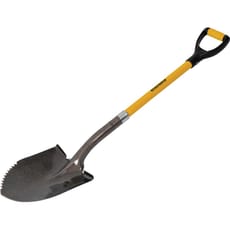
Application and Task Requirements: Consider the primary tasks you'll be undertaking. Heavy-duty contractors' spades suit excavation work and dense soil penetration, whilst landscape rakes excel at levelling and spreading aggregate materials. Coal shovels feature deep, rounded blades optimised for lifting loose materials efficiently, and farming forks provide the tine configuration necessary for handling hay and bedding. Mini shovels offer manoeuvrability in confined spaces such as trenches and basement excavations.
Handle Material and Length: Fibreglass handles offer excellent strength-to-weight ratios and resist weathering, making them ideal for professional site work and outdoor storage. Hardwood handles, typically ash, provide traditional feel with natural shock absorption but require more maintenance. Handle length significantly affects leverage and user comfort—longer handles (around 1150-1300mm) suit taller users and provide greater leverage for breaking ground, whilst shorter options offer improved control in confined spaces and when working from kneeling positions.
Blade Construction and Material: Professional-grade tools typically feature carbon steel or stainless steel blades. Carbon steel offers superior strength and edge retention but may require occasional maintenance to prevent surface rust in damp conditions. Stainless steel resists corrosion but generally costs more. Check for properly tempered and heat-treated construction, which dramatically extends working life when encountering stones, roots, and compacted materials.
Weight and Balance: Tool weight affects user fatigue during extended use. Whilst heavier tools can penetrate tough ground more easily through momentum, they increase physical strain over prolonged periods. Well-balanced tools with weight distributed appropriately between blade and handle reduce fatigue and improve control. If possible, physically handle tools before purchasing to assess comfort, balance, and grip suitability when wearing work gloves.
Build Quality and Durability: Examine socket connections for solid construction—the junction between blade and handle represents the primary failure point on lower-quality tools. Look for forged rather than pressed construction where applicable, reinforced sockets, and secure handle fixings. Quality treads should be substantial and well-formed, providing comfortable foot placement without sharp edges that can damage footwear or cause discomfort during intensive work.
Ergonomic Features: D-grips and Y-grips should be smoothly finished and appropriately sized for gloved hands. Some tools incorporate cushioned grips that reduce vibration transmission and improve comfort during prolonged use. Cranked or offset handles can significantly reduce back strain, particularly beneficial for users with existing back issues or those undertaking prolonged digging operations on large-scale projects.
Popular Accessories
- Replacement Handles: Spare ash or fibreglass handles in various lengths for tool refurbishment and emergency repairs
- Tool Head Protectors and Blade Covers: Protective sheaths preventing damage during transport and storage whilst reducing injury risk
- Sharpening Files and Stones: Maintaining sharp cutting edges on spades, hoes, and edging tools for efficient soil penetration
- Linseed Oil and Wood Preservatives: Protecting and maintaining wooden handles against weathering, moisture damage, and splitting
- Work Gloves: Protective gloves from brands like Portwest and Scruffs to prevent blisters, improve grip, and protect against splinters
- Tool Storage Racks and Organisers: Wall-mounted systems keeping tools secure, organised, and readily accessible
- Wheelbarrows and Garden Carts: Complementary equipment for material transport and spoil removal
- Ground Protection Mats: Protecting finished surfaces and preventing ground damage during landscaping work
- Measuring Tools and String Lines: Ensuring accurate excavation depths, levelling, and maintaining straight edges
- Kneeling Pads and Knee Protectors: Reducing strain and preventing injury during ground-level work and planting tasks
Safety Information
Manual handling of digging and raking tools requires proper technique to prevent musculoskeletal injuries, which represent a significant cause of workplace absence in the construction and landscaping sectors. The HSE emphasises the importance of correct lifting posture—keep your back straight, bend from the knees rather than the waist, and avoid twisting whilst loaded with soil or materials. Take regular breaks during intensive digging operations to prevent fatigue, which increases injury risk and reduces work quality. Plan your work to alternate between different tasks where possible, reducing repetitive strain on specific muscle groups.
Always inspect tools before use, checking for loose handles, cracked sockets, split wood, or damaged blades that could fail during operation. Ensure adequate clearance around your working area, particularly when swinging tools overhead—maintain at least two metres distance from colleagues and be aware of overhead cables, scaffolding, and underground services before excavating. When working near utilities, always consult service plans and use appropriate locating equipment. Contact your local authority or utility providers to obtain service location information before breaking ground on any site.
Wear appropriate personal protective equipment including steel toe cap boots conforming to EN ISO 20345 standards, work gloves with adequate grip and protection, and high-visibility clothing on construction sites and highway locations. When working in contaminated ground or handling materials such as coal, farm waste, or potentially hazardous soils, consider respiratory protection and ensure thorough hand washing before eating or drinking. Store tools securely with blades covered or pointed downward to prevent trip hazards and accidental injuries in shared workspaces. Sharp edges should be maintained appropriately—overly sharp tools can be as dangerous as damaged ones, whilst properly maintained edges reduce the force required, minimising strain and improving control during cutting operations.
Frequently Asked Questions
What's the difference between a spade and a shovel?
Spades feature flat, rectangular blades with a sharp cutting edge, designed for slicing through soil, edging lawns, and precision digging work. Shovels have curved, scooped blades optimised for lifting and moving loose materials like soil, gravel, sand, or aggregates. Spades suit cultivation, excavation, and ground breaking, whilst shovels excel at material handling, loading, and transferring tasks. Contractors' spades typically have reinforced construction for site work, whereas garden spades may be lighter for domestic use.
How do I maintain wooden-handled digging tools?
Clean wooden handles after use to remove soil and moisture, then allow to dry naturally away from direct heat sources which can cause cracking. Periodically apply linseed oil or dedicated wood preservative to prevent drying, cracking, and weathering—this is particularly important before winter storage and after exposure to wet conditions. Store tools in a dry location, preferably hanging or propped to prevent ground contact which can lead to rot. Sand down any rough spots promptly to prevent splinters, and check handle fixings regularly to ensure they remain secure.
Are fibreglass handles better than traditional wooden ones?
Both materials offer distinct advantages for different applications. Fibreglass handles provide superior strength-to-weight ratios, resist weathering and moisture damage, and rarely break during normal use, making them excellent for demanding professional applications and outdoor storage. Traditional hardwood handles, typically ash, offer excellent shock absorption that reduces user fatigue, can be easily replaced when damaged, and many experienced tradespeople prefer their natural feel and balance. Choice often comes down to personal preference, specific working conditions, and whether the tool will be stored outdoors or in dry conditions.
What length handle should I choose for digging tools?
Handle length should match your height and the intended application for optimal comfort and efficiency. As a general guide, when standing upright with the tool vertical beside you, the handle top should reach approximately wrist height—typically 1150mm for average height users (around 5'8"-5'10"), with longer options for taller individuals. Shorter handles (around 700-900mm) provide better control in confined spaces such as trenches or when working from kneeling positions, whilst longer handles (1200-1300mm) offer increased leverage for breaking hard ground and reduce the need to bend during lifting operations.
How often should professional digging tools be replaced?
Quality contractors' tools from brands stocked at Tooled-Up.com, when properly maintained, can provide many years of reliable service—it's not unusual for professional-grade spades and forks to last 5-10 years under regular site use. However, replacement becomes necessary when blade edges become excessively worn reducing cutting efficiency, sockets show signs of cracking or movement, handles develop splits that compromise strength, or the tool becomes unsafe through damage or excessive wear. Many professionals replace handles periodically whilst retaining serviceable heads, extending overall tool life considerably and providing better value than replacing complete tools.