

Drill Accessories

Pay in 3 interest-free payments on purchases from £20-£3000 with  . Learn more.
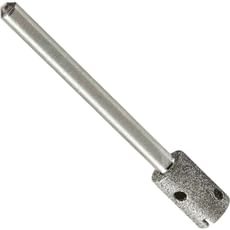
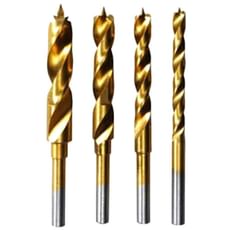
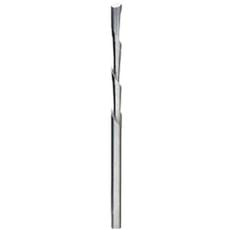
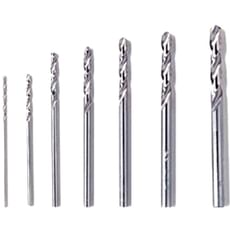
 Loading...
End of content
Error - No more pages to load
About Drill Accessories
Drill accessories represent an essential toolkit extension for anyone working with power drills and rotary multi-tools, transforming a single tool into a versatile workshop companion. This comprehensive category encompasses precision drill bits, cutting attachments, sanding drums, and specialist accessories designed to tackle specific materials and applications. From HSS drill bits for metalwork to carbide-tipped grinding attachments for abrasive surfaces, the right accessory determines the quality of your results and the efficiency of your work. Whether you're drilling precise holes in delicate glass, cutting clean apertures in drywall, or creating accurate pilot holes in hardwood, having purpose-designed accessories ensures professional outcomes whilst protecting your investment in quality power tools.
The Tooled-Up range includes specialist accessories from premium manufacturers like Dremel and Draper, engineered to deliver consistent performance across demanding professional applications. Titanium-coated brad point bits provide extended service life and cleaner holes in timber, whilst multi-purpose cutting bits handle everything from plastics to composite materials. HSS drill bit sets offer versatility for tradespeople working across multiple materials, and carbide sanding drums tackle tough grinding tasks that would quickly wear standard accessories. Each accessory type features specific geometries, coatings, and cutting angles optimised for particular materials, ensuring you achieve the precision and finish quality that professional work demands.
Investing in quality drill accessories delivers tangible benefits beyond just improved results. Premium accessories maintain their sharpness longer, reducing the frequency of replacements and minimising downtime on site. They operate more safely, with reduced risk of bit breakage or dangerous slippage during operation. Correctly matched accessories also protect your power tools from unnecessary wear, as struggling with inappropriate bits generates excessive heat and stress on motor components. For tradespeople billing by the job, the time savings from clean, accurate cutting on the first attempt quickly justifies the modest investment in proper accessories.
Jargon Buster
- HSS (High-Speed Steel) - A hardened tool steel alloy that retains its hardness even when heated during drilling operations. HSS drill bits suit metal, plastic and wood applications, offering excellent durability and heat resistance for general-purpose drilling tasks.
- Brad Point Bit - A woodworking drill bit featuring a sharp central point and outer cutting spurs. The brad point prevents the bit wandering on smooth timber surfaces, ensuring accurate hole placement and clean entry points without splintering or tearout.
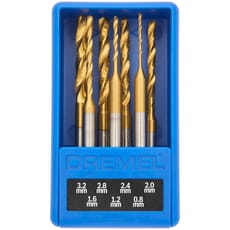
- Titanium Coating - A surface treatment applying a titanium nitride layer to cutting edges, reducing friction and heat generation whilst extending bit life by up to six times compared to uncoated equivalents. The distinctive gold colour indicates this premium coating.
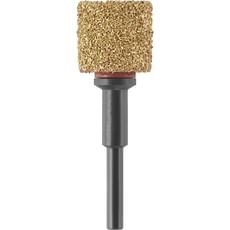
- Carbide - An exceptionally hard compound material used for cutting tips and grinding surfaces. Carbide accessories maintain their sharpness significantly longer than steel when working with abrasive materials such as tile, masonry, glass or fibreglass.
- Shank Diameter - The measurement of the non-cutting stem that fits into your tool's chuck. Common sizes include 3.2mm for rotary multi-tools and various sizes up to 13mm for standard drills. Compatibility verification is essential before purchase.
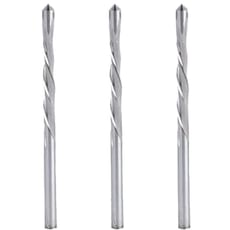
- Spiral Cutting Bit - A rotary accessory with helical cutting edges designed for plunge cutting into sheet materials. Particularly effective for drywall work, these bits cut smooth apertures for electrical boxes and fixtures without requiring pilot holes.
Who Uses Drill Accessories?
Drill accessories serve essential functions across numerous trades and applications:
- Joiners and Carpenters - requiring precision wood drilling bits, brad point sets and countersink accessories for furniture making, cabinet installation and construction joinery work
- Electricians - using HSS bits for metalwork, drywall cutting accessories for back box installation, and precision bits for cable routing and fixture mounting
- Plumbers - needing multi-purpose cutting bits for accessing concealed pipework, hole saws for radiator pipe penetrations, and precision drilling for fixture installations
- Shopfitters and Glaziers - requiring specialist glass drill bits for creating secure fixings in delicate materials without cracking or shattering
- Kitchen and Bathroom Fitters - using precision drilling accessories for tiling work, cabinetry installation, appliance mounting and creating tap holes in worktops
- General Builders - employing various accessories for site work across multiple substrates including wood, metal, masonry and composite materials
- Maintenance Engineers - needing reliable accessories for repairs, installations and modifications across commercial and industrial facilities
- DIY Enthusiasts - undertaking home improvement projects requiring professional-quality results from drilling, cutting and grinding operations
- Model Makers and Craftspeople - using precision drill sets for intricate hobby work, restoration projects and detailed craft applications
How to Choose the Right Drill Accessories
Material Compatibility: Different substrates demand specific accessory types for optimal results. HSS bits handle metal, plastic and wood effectively, whilst carbide-tipped accessories are essential for tile, glass, masonry and other abrasive materials. Using inappropriate accessories not only delivers poor results but risks damaging both the workpiece and the accessory itself. Always verify material suitability before purchasing.
Tool Compatibility: Check shank diameter and fitting type to ensure accessories match your power tool's chuck capacity. Rotary multi-tools typically accept smaller 3.2mm shanks, whilst standard drills accommodate various sizes up to 13mm. Some accessories are designed exclusively for specific tool systems, so verify compatibility with your equipment before ordering.
Coating and Quality: Titanium-coated bits offer substantially longer service life and improved cutting performance compared to uncoated alternatives. Whilst the initial cost is higher, the extended lifespan and superior results provide better value for regular professional use. For occasional DIY applications, standard HSS accessories represent adequate performance at lower investment.
Application Requirements: Consider the precision and finish quality your work demands. Brad point bits deliver cleaner holes in timber than standard twist bits, whilst specialist glass drill bits feature unique geometries preventing cracking. Drywall cutting bits create smooth apertures for electrical boxes, and carbide sanding drums tackle grinding tasks that would quickly destroy standard abrasives. Match accessory design to specific applications for optimal outcomes.
Set versus Individual Items: Accessory sets offer versatility and value for tradespeople handling varied work, providing comprehensive size ranges in organised storage cases. Individual specialist bits suit those with specific recurring tasks or particular material requirements. Evaluate your typical workload patterns to determine the most economical purchasing approach.
Brand Reputation: Established manufacturers like Dremel and Draper engineer accessories to exacting tolerances, ensuring consistent performance, accurate sizing and safe operation. Premium accessories maintain sharpness longer, operate more smoothly, and are significantly less likely to fail during use compared to budget alternatives.
Popular Accessories
Complement your drill accessories with these related products available from Tooled-Up.com:
- Chuck Keys and Keyless Chucks - enabling secure bit installation and quick accessory changes without tools
- Drill Bit Storage Cases - keeping accessories organised, protected and easily accessible between jobs
- Depth Stops and Guides - ensuring consistent hole depths for professional results in repetitive drilling tasks
- Centre Punches - marking precise drilling positions and preventing bit wander on smooth metal surfaces
- Cutting Lubricants - reducing heat and friction when drilling metal, extending bit life and improving cutting performance
- Safety Goggles and Face Protection - essential PPE meeting BS EN 166 standards for drilling operations
- Vacuum Attachments - maintaining clean work areas by capturing dust and debris at source
- Extension Bars and Flexible Shafts - accessing difficult positions, tight spaces and awkward angles
- Countersink Bits - creating professional flush-fitted screw holes in timber and manufactured boards
- Holesaw Sets - cutting large diameter holes in wood, plastic and thin sheet metal
Safety Information
Working safely with drill accessories is essential for preventing injury and achieving quality results. Always wear appropriate eye protection meeting BS EN 166 standards when drilling, as material fragments, metal swarf and dust particles can cause serious eye injuries. Safety goggles should provide adequate side protection and fit securely during operation.
Ensure accessories are correctly fitted and tightened before starting work. Loose bits can slip, vibrate excessively or eject during use, causing injury or damaging the workpiece. Check that accessories are rated for your power tool's maximum speed - exceeding manufacturer's RPM ratings can cause catastrophic bit failure with dangerous consequences.
Allow bits to cool naturally after use, particularly following metalwork or masonry drilling. Hot accessories can cause serious burns if handled immediately. Never force a drill bit through resistant material - apply steady, controlled pressure and allow the accessory to cut at its designed rate. Forcing generates excessive heat, accelerates wear and increases breakage risk.
Inspect drill accessories regularly for wear, damage or cracks before use. Discard any damaged items immediately as they can shatter during operation, projecting dangerous fragments. When working at height or on busy sites, secure power tools and accessories properly to prevent drops that could injure those below.
Follow HSE guidelines for dust exposure, particularly when drilling materials producing hazardous dust such as silica-containing masonry or manufactured boards containing formaldehyde. Use dust extraction systems where possible and wear appropriate respiratory protection in accordance with COSHH regulations when working with hazardous materials.
Frequently Asked Questions
What's the difference between HSS and titanium-coated drill bits?
HSS (High-Speed Steel) bits are manufactured from hardened steel alloy, whilst titanium-coated bits feature an additional titanium nitride surface layer applied through a specialised coating process. This coating reduces friction and heat generation, extending bit life up to six times longer than uncoated HSS equivalents. Titanium-coated bits maintain their sharpness significantly better and justify the additional investment for regular professional use, though standard HSS bits perform adequately for occasional DIY applications.
Can I use the same drill bit for wood, metal and masonry?
Whilst multi-purpose bits exist for light-duty applications, using material-specific accessories delivers superior results and safer operation. Wood bits feature different cutting geometries and angles compared to metal bits, and masonry demands carbide tips to handle abrasive materials effectively. Using inappropriate accessories causes overheating, rapid wear, poor finish quality and potential dangerous bit breakage. For professional results and equipment longevity, always match the accessory to your substrate material.
How do I know which shank size my tool accepts?
Check your power tool's instruction manual or examine the chuck capacity markings, typically stamped on the chuck body itself. Common sizes for rotary multi-tools are 3.2mm, whilst standard drills usually accommodate shanks from 1.5mm up to 13mm depending on chuck size. Some tools use quick-change systems with specific proprietary fitting types. When purchasing accessories, always verify compatibility with your specific tool model to ensure proper fit and safe operation.
Why do my drill bits keep breaking during use?
Bit breakage typically results from several common causes: excessive pressure forcing the cut, incorrect speed settings for the material, using worn or damaged accessories, or drilling materials the bit isn't designed for. Apply steady, moderate pressure rather than forcing the tool through resistant material. Reduce speed when drilling metal to prevent overheating, and increase speed for timber. Ensure bits remain sharp - dull accessories require excessive pressure and generate dangerous heat levels. Always use the correct bit type for your substrate material.
How should I store drill accessories to maximise their lifespan?
Store accessories in dedicated cases or organisers that keep individual bits separated and protected from moisture and physical damage. Avoid loose storage where bits can knock together, damaging delicate cutting edges. Keep accessories clean and dry - wipe off cutting residue, swarf and dust after use, and apply a light oil coating to prevent rust on steel bits. Store in a dry environment away from temperature extremes and damp conditions. Keep precision bits in their original protective sleeves when possible to prevent edge damage.