

Drill Bit Sharpeners

Pay in 3 interest-free payments on purchases from £20-£3000 with  . Learn more.
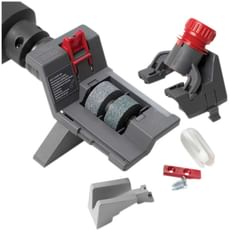
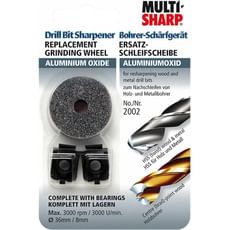
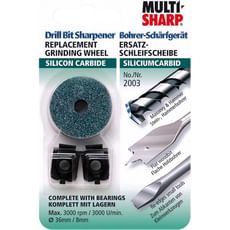
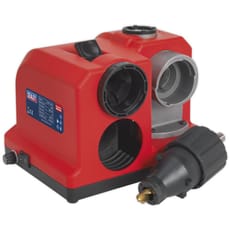
 Loading...
End of content
Error - No more pages to load
About Drill Bit Sharpeners
Drill bit sharpeners are specialised workshop tools designed to restore blunt or worn drill bits to optimal cutting performance, significantly extending tool life and reducing replacement costs. For tradespeople drilling through metal, wood, or masonry daily, maintaining sharp drill bits is essential for efficiency, accuracy, and preventing damage to expensive power tools. These dedicated sharpening devices range from simple manual bench-mounted models ideal for DIY enthusiasts to sophisticated electric sharpeners capable of handling multiple bit sizes and types with precision. Unlike traditional bench grinders that require considerable skill to maintain correct cutting angles, modern drill bit sharpeners incorporate preset grinding angles and alignment guides that deliver professional results with minimal training.
The selection at Tooled-Up.com includes models from trusted manufacturers including Bosch Professional, Sealey, Multi-Sharp, and Draper, offering solutions for various workshop requirements and budgets. Standard models typically accommodate HSS twist drill bits from 3mm to 13mm diameter, though some professional units handle larger capacities up to 20mm. Many sharpeners maintain the standard 118-degree point angle for general-purpose drilling, with adjustable models allowing different angles for specialised applications in harder materials. Electric models powered by 240v mains supply offer consistent, rapid sharpening ideal for busy workshops, whilst manual versions provide portability and independence from power supplies for site work or smaller home workshops.
Beyond basic drill bit maintenance, several models in the Tooled-Up range offer multi-purpose functionality, capable of sharpening chisels, plane blades, scissors, and knives. This versatility makes them particularly valuable for joiners, carpenters, and general workshop environments where multiple cutting tools require regular maintenance. Replacement grinding wheels and sharpening discs are available as consumable accessories, with aluminium oxide wheels suited to standard HSS bits and silicon carbide options for harder materials. Whether you're a professional machinist sharpening dozens of bits weekly or a DIY enthusiast maintaining a home toolkit, these devices deliver significant cost savings by maximising drill bit lifespan whilst ensuring consistently sharp cutting edges for cleaner holes and reduced drilling effort.
Jargon Buster
- HSS (High-Speed Steel) – The most common drill bit material for general-purpose drilling in metal and wood. HSS bits retain hardness at higher temperatures and respond excellently to resharpening in dedicated drill bit sharpeners, typically allowing dozens of resharpenings before replacement becomes necessary.
- Point Angle – The angle formed at the tip of the drill bit where the two cutting edges meet, typically 118 degrees for general-purpose drilling or 135 degrees for harder materials like stainless steel. Quality drill bit sharpeners automatically maintain the correct point angle during the sharpening process, ensuring optimal cutting performance.
- Relief Angle (Clearance Angle) – The angle ground behind the cutting edge that prevents the drill bit from rubbing against the workpiece material. Proper relief angle is crucial for efficient cutting and chip removal, and is precisely controlled by dedicated sharpeners to ensure correct geometry.
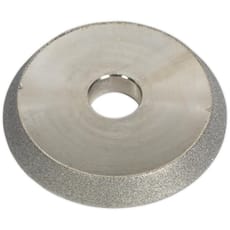
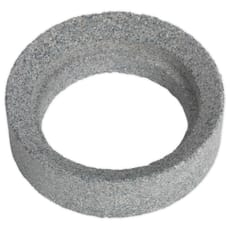
- Grinding Wheel – The abrasive wheel component that physically resharpens the drill bit through material removal. Aluminium oxide wheels suit standard HSS bits, whilst silicon carbide wheels are required for carbide-tipped bits. These are consumable items requiring periodic replacement depending on usage frequency.
- Twist Drill – The standard spiral-fluted drill bit design featuring helical grooves that remove swarf from the hole during drilling. Most drill bit sharpeners are specifically engineered to accommodate twist drills in various diameters, maintaining the critical geometry of both cutting edges and flute relief.
- Split Point – An advanced drill bit tip design featuring a specialised point geometry with additional grinding that prevents the bit from walking when starting holes and enables faster penetration. Some premium sharpeners can create or maintain split point configurations for professional-grade performance.
Who Uses Drill Bit Sharpeners?
Drill bit sharpeners are valuable workshop tools for a diverse range of users across professional trades and DIY applications:
- Engineering and fabrication workshops – Machinists and metal workers drilling steel, aluminium, and other metals daily benefit enormously from maintaining sharp bits for precision, efficiency, and extended tool life
- Joiners and carpenters – Woodworking professionals drilling countless holes through hardwoods and manufactured boards can quickly work through expensive brad point and twist bits without proper sharpening facilities
- Maintenance engineers – Facilities management and industrial maintenance personnel who require reliable drilling tools available at all times for equipment repairs and installations
- Agricultural and farming operations – Farm workshops where drill bits face tough conditions drilling rusty brackets, gate hinges, and machinery components, making regular sharpening essential for productivity
- Automotive and vehicle repair – Mechanics and vehicle technicians drilling through various materials from sheet metal bodywork to cast iron engine components
- Educational institutions – Schools, colleges, and training centres teaching engineering, metalwork, or woodwork disciplines where tool maintenance is part of the curriculum
- Construction contractors – Site workers and general builders requiring sharp drill bits for varied materials including steel framework, timber joists, and fixings
- DIY enthusiasts and home workshop owners – Hobbyists who want to maintain their tools properly and reduce ongoing costs whilst achieving professional-quality results
- Model makers and hobbyists – Those working on precise projects where sharp, accurate drill bits are essential for clean holes in delicate materials
How to Choose the Right Drill Bit Sharpeners
Drill Bit Compatibility: First establish which types and sizes of drill bits you need to sharpen. Check the minimum and maximum diameter capacities – typically ranging from 3mm to 13mm for standard models, though professional units accommodate larger bits up to 20mm. Confirm whether the sharpener handles only twist drills or also masonry, brad point, and other specialised bit types. If you work primarily with SDS masonry bits, note that these require different sharpening equipment due to their carbide tips and unique shank designs.
Manual vs Electric Operation: Manual drill bit sharpeners offer affordability, portability, and independence from power supplies, making them ideal for basic workshops, site work, or mobile applications. Electric models powered by 240v mains supply offer faster, more consistent results with less physical effort, particularly valuable in busy professional workshops where numerous bits need sharpening regularly. Consider your typical usage frequency and whether consistent power supply is available in your workshop environment.
Adjustability and Precision: Better quality sharpeners allow adjustment of grinding angles to suit different materials and drilling applications. Look for models with clearly marked settings and positive stops to ensure repeatability between sharpenings. Some premium units include features for creating split points or maintaining specific point angles for specialised applications in stainless steel or other challenging materials. Models from Bosch Professional typically offer superior adjustability for demanding professional applications.
Multi-Purpose Capability: If workshop space is limited or you maintain various cutting tools beyond drill bits, consider multi-purpose sharpeners that can also handle chisels, scissors, knives, and plane blades. Models from Sealey and Multi-Sharp offer excellent versatility in this regard, providing comprehensive tool maintenance capabilities in a single compact unit. This proves particularly economical for smaller workshops or mobile tradespeople with limited storage space.
Grinding Wheel Type and Availability: Check what grinding wheels are fitted as standard and whether replacement consumables are readily available. Aluminium oxide wheels suit standard HSS bits, whilst silicon carbide is required for carbide-tipped bits. Confirm that replacement wheels and sharpening discs are stocked for your chosen model – Multi-Sharp and Sealey offer good availability of consumable parts for their respective sharpener ranges.
Mounting and Workspace Integration: Consider whether you need a bench-mounted permanent installation or a portable unit that can be stored when not in use. Some models include integral clamps for temporary mounting, whilst others require permanent fixing to a workbench. Also consider the physical footprint and whether the unit requires dedicated bench space in your workshop layout. Drill grinding attachments that mount to existing bench grinders offer space-saving alternatives for workshops already equipped with grinding facilities.
Brand Reputation and Support: Established brands like Bosch Professional, Draper, and Sealey offer proven reliability and good aftersales support through UK distributors. Check warranty terms and the availability of spare parts before purchasing, particularly for consumable components like grinding wheels which require periodic replacement. Brand reputation becomes especially important for professional users where downtime affects productivity and profitability.
Popular Accessories
- Replacement Grinding Wheels – Aluminium oxide and silicon carbide wheels in various grits for different materials and finish requirements, available from Multi-Sharp and Sealey for their respective sharpener models
- Sharpening Discs – Model-specific consumable discs designed for particular sharpener designs, ensuring optimal performance and longevity
- Drill Bit Sets – Quality HSS twist drill sets from Bosch, DeWalt, Makita, or Milwaukee that benefit significantly from regular resharpening to maintain performance
- Bench Grinders – Complementary equipment for general workshop grinding tasks, larger tool sharpening, and metalwork applications
- Drill Bit Gauges – Precision measuring tools to verify drill bit diameters accurately and check sharpening results for quality control
- Grinding Attachments – Specialist attachments like the Draper drill grinding attachment that mount to existing bench grinders to enable drill bit sharpening functionality
- Workshop Lighting – Magnifying lamps or LED task lights to inspect cutting edges closely and verify sharpening quality, particularly important for smaller drill bits
- Safety Equipment – Eye protection (safety glasses or face shields), dust masks, and appropriate work gloves for grinding operations
- Extraction Equipment – Workshop dust extraction systems or vacuum attachments to capture metal dust and grinding debris for healthier working conditions
Safety Information
Drill bit sharpeners involve rotating grinding wheels and sharp edges, making proper safety precautions essential for all users. Always wear appropriate eye protection – safety glasses or a full face shield – when operating any sharpening equipment, as metal particles and grinding debris can cause serious eye injuries. Ensure adequate workshop ventilation or use dust extraction equipment, particularly when sharpening larger quantities of bits, as metal dust can be harmful if inhaled and should not be allowed to accumulate in workshop environments.
Before operating electric models, check that the power supply matches the UK standard 240v specification and that the plug is correctly fused (typically 3A or 5A for smaller units). Inspect grinding wheels carefully for cracks, chips, or damage before each use – never use a damaged wheel as it may disintegrate at operating speed, causing serious injury. Follow the manufacturer's maximum speed ratings precisely and never exceed the recommended drill bit diameter for your specific model, as oversized bits may cause binding or wheel damage.
Secure bench-mounted sharpeners firmly to your workbench before use to prevent movement or vibration during operation, which could affect sharpening quality and pose safety risks. Keep hands and fingers clear of grinding wheels at all times, and never attempt to sharpen bits whilst wearing loose gloves that could get caught in rotating components. Allow grinding wheels to come to a complete stop before adjusting settings, changing drill bits, or performing any maintenance. For professional workshop environments, ensure your sharpening operations comply with HSE guidance on hand-held tools and machinery safety, including appropriate risk assessments and staff training where applicable.
Frequently Asked Questions
How long does it take to sharpen a drill bit?
With a dedicated drill bit sharpener, most standard HSS twist drills can be resharpened in under a minute once you're familiar with the process and machine settings. Manual sharpeners may take slightly longer but still typically complete the job in one to two minutes per bit. This is considerably faster than freehand sharpening on a bench grinder, which requires significantly more skill, practice, and time to achieve comparable results with correct point angles and symmetrical cutting edges.
Can I sharpen masonry and wood bits as well as metal drill bits?
This depends entirely on your specific sharpener model and its capabilities. Most drill bit sharpeners are designed primarily for standard HSS twist drills used in metal and wood drilling applications. Some models can accommodate brad point wood bits with their centre spurs and outer cutters, but masonry bits with carbide tips typically require either a specialised sharpener or a bench grinder equipped with a silicon carbide wheel. Always check the manufacturer's specifications and recommendations before attempting to sharpen different bit types to avoid damage to both the bit and the sharpening equipment.
How many times can I resharpen a drill bit before it needs replacing?
A quality HSS drill bit can typically be resharpened dozens of times before the flutes become too short or the bit diameter reduces significantly enough to affect performance. Each sharpening removes only a small amount of material from the cutting edges – usually less than 1mm. With proper technique and a quality sharpener maintaining correct geometry, you can extend drill bit life by 10-20 times compared to simply discarding blunt bits, representing substantial cost savings over time, particularly for larger diameter bits which are more expensive to replace.
Will a drill bit sharpener work with SDS drill bits?
Standard drill bit sharpeners are designed specifically for parallel shank twist drills with round shanks, not SDS bits with their specialised drive systems. SDS masonry bits have carbide tips brazed onto steel bodies and unique shank designs that require completely different sharpening approaches. If you primarily work with SDS bits for masonry drilling in construction applications, you'll need either a bench grinder with appropriate silicon carbide wheels or a specialised carbide bit sharpener rather than a standard twist drill sharpener.
Do I need any special skills to use a drill bit sharpener?
One of the primary advantages of dedicated drill bit sharpeners is that they require minimal skill or training compared to freehand sharpening on a bench grinder, which demands considerable practice and experience. Most models use simple alignment guides, preset angles, and positive stops that automatically maintain the correct cutting geometry and point angles. After reading the instructions carefully and perhaps practising on a few old or damaged bits, most users can achieve excellent results immediately without traditional machinist training. This accessibility makes them ideal for DIY enthusiasts, apprentices, and tradespeople who want professionally sharp drill bits without years of grinding experience.