

Drill Bits

Pay in 3 interest-free payments on purchases from £20-£3000 with  . Learn more.
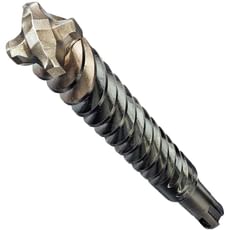
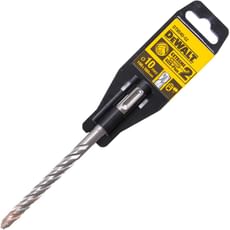
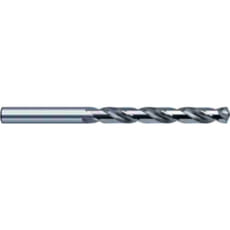
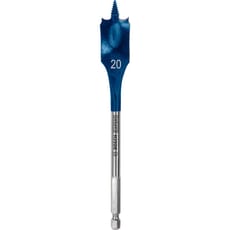
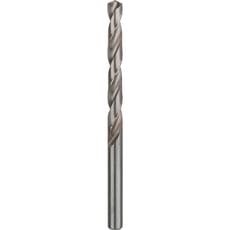
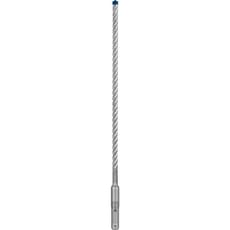
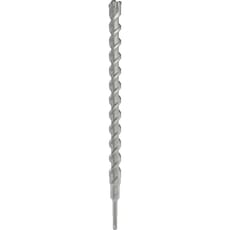
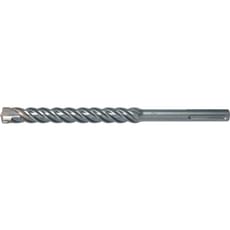
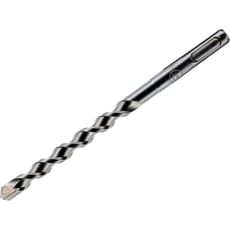
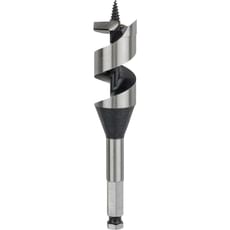
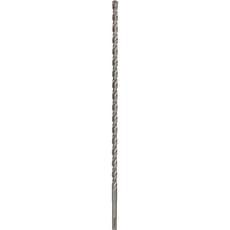
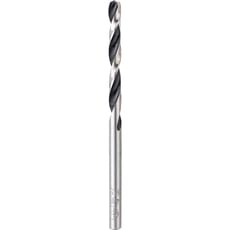
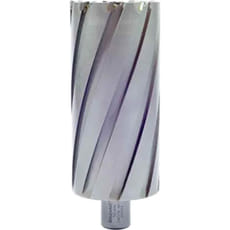
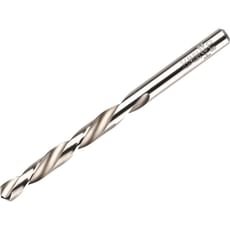
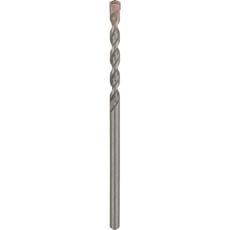
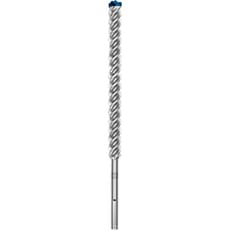
Bosch EXPERT SDS MAX 8X Concrete 4 Cutter Carbide Head SDS Max Drill Bit
in stock
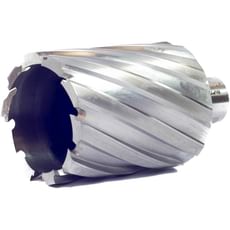
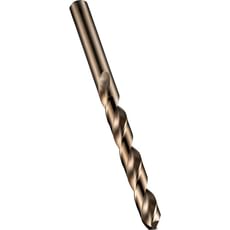

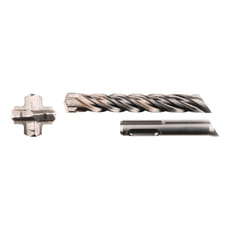
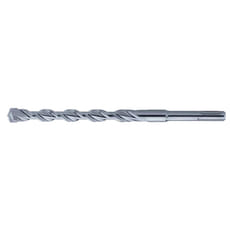
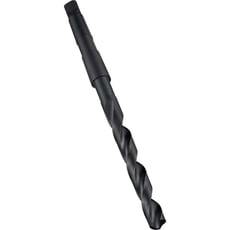
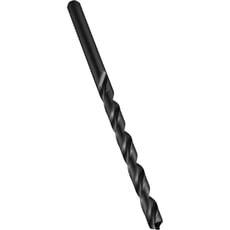
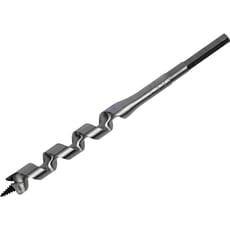
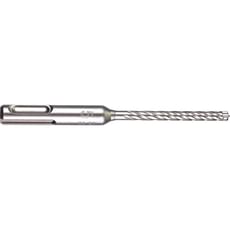
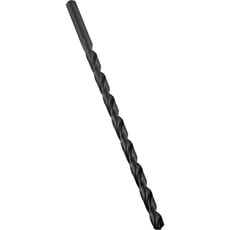
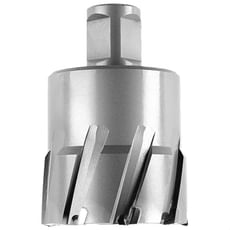
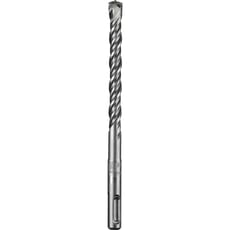
 Loading...
End of content
Error - No more pages to load
About Drill Bits
Drill bits are precision cutting tools designed to create accurate circular holes in materials ranging from softwood and hardwood to steel, stainless steel, masonry, concrete, glass, and ceramic tiles. The drill bits category at Tooled-Up.com encompasses specialist bits engineered for every drilling application, whether you're working on construction sites, in engineering workshops, or completing home improvement projects. From standard HSS twist bits for general metalwork to heavy-duty SDS Max bits designed for demolition-grade concrete drilling, the right bit selection ensures efficient, accurate results whilst maximising tool life and operator safety.
Successful drilling depends entirely on matching the correct bit to your material and drill type. Different substrates require specific cutting geometries, tip designs, flute configurations, and construction materials to drill efficiently without premature wear or workpiece damage. The comprehensive range available from Tooled-Up.com includes precision wood auger bits and flat spade bits for carpentry, carbide-tipped masonry bits for brickwork and blockwork, diamond-coated glass and tile bits for delicate materials, cobalt HSS bits for stainless steel and hardened metals, plus multi-material bits that handle diverse substrates. Trusted professional brands including Makita, DeWalt, Milwaukee, Bosch, and Irwin ensure reliable performance under demanding trade conditions.
This category is organised into specialist subcategories covering different materials and drilling systems, making it straightforward to locate exactly what you need. Whether you require individual specialist bits for specific applications or comprehensive drill bit sets covering multiple sizes and materials, you'll find professional-grade solutions for every trade. Child categories span from SDS Plus bits for standard rotary hammer drilling through to SDS Max bits for heavy-duty demolition work, HSS bits for metalworking, wood bits for carpentry and joinery, plus specialist options like cone and stepped bits, core drill bits, and mag drill cutters for engineering applications.
Jargon Buster
- HSS (High-Speed Steel)
- A hardened steel alloy specifically formulated for cutting operations. HSS drill bits suit drilling metal, plastic, and timber, offering excellent wear resistance and heat tolerance. Available in grades including HSS-R (rolled) for general work and HSS-G (ground) for precision applications, with cobalt variants providing enhanced performance in harder materials like stainless steel.
- SDS (Special Direct System)
- A chuck and shank system developed by Bosch for hammer drills and rotary hammers. SDS Plus is the standard format for bits from 4mm to 32mm diameter, whilst SDS Max handles heavy-duty bits over 16mm for demolition work. The system enables tool-free bit changes and delivers superior power transmission for masonry and concrete drilling.
- Carbide Tip
- Drill bits featuring an extremely hard tungsten carbide cutting edge brazed onto a hardened steel body. Essential for drilling masonry, concrete, brick, stone, and similar abrasive materials, carbide-tipped bits maintain their sharp cutting edge considerably longer than standard steel alternatives.
- Flute
- The helical groove running along a drill bit's length, designed to evacuate waste material (swarf) from the hole during drilling. Flute design varies by application—wider, faster spirals for efficient chip removal in wood, tighter spirals for metal drilling where controlled cutting is essential.
- Shank
- The non-cutting end that fits into the chuck or bit holder. Common types include round shanks for standard three-jaw chucks, hex shanks (6.35mm or 1/4") for quick-change systems and impact drivers, and SDS shanks (Plus or Max) for hammer drills and rotary hammers.
- Pilot Point/Centre Point
- A sharp, precisely centred tip that prevents the bit from wandering when starting a hole, ensuring accurate positioning and cleaner entry. Particularly important for wood bits, Brad point bits, and multi-material bits where precise hole location is critical.
Who Uses Drill Bits?
Drill bits are fundamental tools across virtually every trade and profession:
- Electricians and Sparkies: Drilling cable runs through joists and studs, creating fixing points for consumer units and distribution boards, and making conduit entry holes
- Plumbers and Heating Engineers: Drilling pipe runs through structural timber, securing bracket fixings, and creating penetrations for radiator pipes, water supplies, and waste pipework
- Carpenters and Chippies: Precision wood drilling for joinery, furniture making, door hanging, hinge recesses, dowel joints, and framework construction
- Builders and General Contractors: Multi-material drilling for fixings, framework assembly, and general construction work across timber, metal, and masonry substrates
- Bricklayers and Stonemasons: Masonry and concrete drilling for wall ties, fixings, anchor points, and expansion bolt installations
- Window Fitters and Glaziers: Specialist glass and tile bits for drilling fragile materials without cracking, plus masonry bits for frame fixings
- Fencing Contractors: Wood bits for post assembly and timber drilling, masonry bits for concrete post installation and ground anchor fixings
- Kitchen and Bathroom Fitters: Multi-material drilling through ceramic tiles, porcelain, worktops, and various substrates for tap installations, waste pipes, and fixing brackets
- Metalworkers and Engineers: HSS and cobalt bits for precision drilling in mild steel, stainless steel, aluminium, brass, and other metals in workshop and fabrication environments
- Maintenance Teams and Facilities Managers: General-purpose drilling for repairs, installations, equipment mounting, and ongoing building maintenance across commercial and industrial premises
- Roofing Contractors: Wood bits for batten and rafter drilling, masonry bits for fixing brackets and anchor points
- DIY Enthusiasts and Homeowners: Home improvement projects, furniture assembly, shelf installation, picture hanging, and general household repairs
How to Choose the Right Drill Bits
Material Compatibility
This is the single most critical factor. Wood bits feature sharp centre points and aggressive cutting edges with wide flutes for rapid chip removal, but dull almost immediately in masonry or metal. HSS bits are engineered for metal drilling but also handle timber and plastic adequately. Masonry bits have carbide tips to withstand abrasive brick and concrete. Multi-material bits offer versatility for mixed applications but may not match specialist bits for specific tasks. Always match your bit type to your substrate for optimal results and longest service life.
Drill Type and Chuck System
Ensure compatibility between your drill and bit shank. Standard round-shank bits fit three-jaw chucks on conventional drills, combi drills, and drill presses. SDS Plus and SDS Max bits require corresponding SDS chucks found on hammer drills and rotary hammers—these shanks cannot be used in standard chucks. Hex-shank bits (6.35mm/1/4") enable quick changes in impact drivers and many modern drill/drivers with quick-change chucks. For heavy masonry work, SDS systems are essential rather than optional.
Diameter and Length
Consider both the hole diameter required and the depth you must reach. Metric sizing (measured in millimetres) is standard throughout the UK. For deep penetrations, ensure your bit length provides adequate reach plus allowance for chuck depth—typically add 50-80mm to your required hole depth. Extra-long bits (300mm, 450mm, or 600mm) are available for drilling through thick cavity walls or deep floor joists, whilst short stubby bits offer improved control and reduced deflection in tight spaces or when drilling sheet materials.
Quality and Durability
Professional tradespeople should invest in quality bits from established brands like Makita, Bosch Professional, Milwaukee, DeWalt, and Irwin. These offer superior materials, precision grinding, optimised cutting geometries, and proper heat treatment that significantly extend working life and maintain cutting performance. Cobalt HSS bits (typically 5-8% cobalt content) provide enhanced heat resistance and hardness for drilling stainless steel, hardened steel, and other tough materials. For occasional DIY use, mid-range options provide adequate performance at lower cost, though economy bits wear more rapidly under regular use.
Individual Bits vs. Sets
Drill bit sets offer excellent value and ensure you have common sizes readily available, making them ideal for general contractors, maintenance engineers, and DIY enthusiasts. Sets typically come in organised storage cases from brands like DeWalt, Milwaukee, Makita, and Stanley FatMax. However, tradespeople who repeatedly use specific sizes—such as electricians drilling 16mm and 20mm holes, or plumbers using 22mm and 28mm sizes—may prefer purchasing individual bits in higher quantities, particularly for commonly worn sizes that need regular replacement.
Special Features and Coatings
Consider bits with additional features for specific applications. Pilot points and Brad points ensure accurate starting without wandering. Reduced shank designs allow larger diameter holes using standard 13mm chucks. Quick-change hex shanks enable faster bit swaps in high-volume work. Titanium nitride (TiN) coatings reduce friction and extend life in metal drilling. Diamond-coated tips are essential for glass, porcelain, and ceramic tiles. For masonry work, four-flute designs clear dust more efficiently than two-flute variants, improving drilling speed and reducing bit wear.
Popular Accessories
- Drill Bit Sets: Complete assortments covering multiple sizes and materials in organised storage cases from brands like DeWalt, Milwaukee, and Makita
- Drill Bit Storage Cases and Holders: Keep bits organised, protected from damage, and easily accessible on site or in the workshop
- Drill Bit Sharpeners: Extend bit life by restoring cutting edges on HSS and masonry bits, particularly economical for larger and more expensive bits
- Centre Punches and Automatic Punches: Create accurate starting dimples to prevent bit wandering, especially important for metal drilling
- Drill Stops and Depth Gauges: Control drilling depth for consistent results, preventing over-penetration in through-hole applications
- Chuck Keys and Quick-Change Chucks: Essential accessories for efficient bit changing, with keyless chucks offering improved convenience
- Cutting Fluid and Lubricants: Reduce friction and heat when drilling metal, extending bit life and improving surface finish
- Mag Drill Accessories: Arbors, adaptors, and coolant systems for magnetic drilling machines used in structural steelwork
- Core Drill Adaptors and Extensions: Connect diamond core drill bits to standard drills or specialist core drilling machines for larger diameter holes
- Dust Extraction Attachments: Capture drilling dust for cleaner, healthier working environments, particularly important for masonry drilling to control respirable crystalline silica
- Countersink Bits: Create tapered recesses for screw heads to sit flush with the work surface
- Hole Saws and Arbors: For larger diameter holes in wood, plastic, and thin metal
Safety Information
Personal Protective Equipment
Always wear safety glasses or goggles to protect against flying debris, metal swarf, masonry dust, and fragments. When drilling overhead, full face protection is advisable as material can fall directly towards your face. Use hearing protection when operating hammer drills, rotary hammers, or working for extended periods, as noise levels frequently exceed HSE recommended limits of 85dB. Wear appropriate work gloves when handling bits—particularly after use when they may be extremely hot—but never wear loose gloves whilst actually drilling as they present a serious entanglement hazard with rotating components.
Material Hazards and COSHH Compliance
When drilling masonry, concrete, brick, or stone, use on-tool dust extraction or work in well-ventilated areas to minimise respirable crystalline silica (RCS) dust exposure, which presents serious long-term health risks including silicosis and lung disease. Use extraction equipment compliant with current HSE guidance—this is not optional for commercial work. When drilling treated timber, manufactured boards, or materials containing preservatives, be aware of potential chemical dust exposure and ensure adequate ventilation. Under COSHH regulations, employers must assess and control exposure to hazardous substances, including drilling dust.
Bit Security and Condition
Always ensure bits are securely tightened in the chuck or bit holder before operation—loose bits can eject at high speed causing serious injury. For SDS bits, ensure they're correctly engaged with an audible click and slight resistance when pulled. Inspect bits before use for damage, wear, cracks, or bent shanks. Damaged bits should be discarded immediately as they can shatter during use, particularly carbide-tipped and masonry bits. Never force a blunt or damaged bit—replace or sharpen it instead. Forcing dull bits generates excessive heat, increases the risk of breakage, and creates dangerous working conditions.
Workpiece Security
Secure your workpiece properly using clamps, a bench vice, or other appropriate holding methods. Never hold small pieces by hand whilst drilling, as the bit can catch and violently spin the workpiece, causing hand injuries. This is particularly critical when drilling metal where bits can suddenly grab as they break through the opposite side. For sheet materials, support both sides of the drilling area to prevent distortion or grabbing.
Electrical and Hidden Services Safety
Before drilling into walls, floors, ceilings, or any structural elements, check thoroughly for hidden cables, pipes, and services using a suitable multi-detector or cable/pipe locator. Hitting buried electrical cables can cause electrocution, whilst striking water pipes or gas lines creates flooding or explosion risks. When drilling near potential electrical hazards, consider using 110V site tools, battery-powered equipment, or ensure 240v mains-powered tools are protected by an RCD (residual current device) rated at 30mA or less. Never drill into electrical distribution boards, consumer units, or near visible electrical equipment without isolating supplies.
Safe Operating Practices
Select appropriate drilling speeds for your material—excessive speed generates heat that damages bits and workpieces, whilst insufficient speed in metal can cause work hardening. Apply steady, controlled pressure rather than forcing the drill. Let the bit do the cutting work. When drilling through materials, reduce pressure as you break through to prevent snatching. For deep holes, withdraw the bit periodically to clear swarf and prevent jamming. Never leave a chuck key in the chuck—this becomes a dangerous projectile when the drill starts. Ensure adequate lighting and stable footing, particularly when working at height or on ladders.
Frequently Asked Questions
What's the difference between HSS, HSS-R, and HSS-G drill bits?
HSS (High-Speed Steel) is the base material suitable for drilling metal, wood, and plastic. HSS-R (rolled) bits are manufactured from rolled steel bar and represent good value for general metalwork and construction applications. HSS-G (ground) bits are precision ground from solid bar stock, offering superior accuracy, improved cutting performance, and better concentricity, making them better suited to engineering, precision metalwork, and applications where hole accuracy is critical. Both will drill the same materials, but HSS-G provides noticeably better performance and longer life, particularly in harder metals. For the most demanding applications—such as drilling stainless steel, hardened steel, or continuous production work—cobalt HSS bits (containing 5-8% cobalt) offer even greater heat resistance and edge retention.
Can I use masonry bits in wood or wood bits in masonry?
Whilst masonry bits will technically drill wood, they produce rough, oversized, and imprecise holes due to their blunt carbide tips designed for percussion drilling. The cutting action is poor and inefficient for timber. Conversely, wood bits used in masonry will dull almost instantly—often within seconds—and are completely unsuitable, potentially becoming damaged beyond repair. The sharp points and cutting edges designed for wood cannot withstand abrasive masonry materials. For best results, longest bit life, and professional-quality holes, always use bits specifically designed for your material. If you regularly work across multiple materials on the same project, invest in dedicated multi-material bits or maintain separate sets for each substrate type.
Why do my drill bits keep breaking or wearing out quickly?
Premature bit failure typically results from several common causes. Excessive drilling speed generates heat that softens the cutting edge—this is particularly critical when drilling metal, where slower speeds with cutting fluid are essential. Insufficient or excessive feed pressure causes problems: too little pressure causes rubbing and work hardening in metals, whilst forcing bits causes overheating and breakage. Using the wrong bit type for your material causes rapid wear—for example, using standard masonry bits in engineering brick or concrete without proper hammer action. Lack of lubrication when drilling metal generates excessive friction and heat. Forcing a blunt bit rather than replacing it creates dangerous conditions and damages both the bit and drill. Finally, drilling into hidden hard spots, rebar, or aggregate in concrete without appropriate bits causes sudden failure.
What size drill bits should I keep in my basic kit?
A general-purpose kit should include metric HSS bits from 1mm to 13mm, typically in 0.5mm increments for smaller sizes (1mm to 6mm) and 1mm increments for larger sizes (6mm to 13mm). For masonry work, stock commonly used sizes: 5mm, 5.5mm, 6mm, 7mm, 8mm, and 10mm, which correspond to standard wall plug sizes. Basic wood bits should include 3mm, 4mm, 5mm, 6mm, 8mm, and 10mm for general carpentry. Tradespeople should stock the specific sizes their work demands most frequently—electricians often use 16mm, 20mm, and 25mm for cable runs; plumbers need 10mm, 15mm, 22mm, and 28mm for pipework clearance; while general builders use 5.5mm for No.10 screws, 7mm for brown plugs, and 10mm for red plugs extensively. These high-use sizes should be kept in quantity as they require regular replacement.
Do I need SDS bits for drilling masonry, or will standard masonry bits work?
For light-duty work in soft brick or aerated block using holes up to 6-8mm diameter, standard masonry bits in a combi drill's hammer mode work adequately for occasional use. However, for regular masonry drilling, holes larger than 8mm, harder materials like engineering brick or concrete, deeper penetrations, or any professional trade application, SDS Plus bits in a dedicated hammer drill or rotary hammer are dramatically more efficient and effective. The hammer mechanism in SDS drills delivers significantly more impact energy (typically 1.5-4 joules) compared to combi drill hammer modes (usually under 1 joule), making the work faster, easier, less tiring, and producing less wear on both bits and drill. Professional builders, electricians, plumbers, and any tradesperson who drills masonry regularly should definitely invest in an SDS system. For heavy-duty work in reinforced concrete or demolition applications, SDS Max bits and corresponding rotary hammers provide even greater performance with impact energy reaching 8-20 joules or more.