

Drilling Guides & Jigs

Pay in 3 interest-free payments on purchases from £20-£3000 with  . Learn more.

 Loading...
End of content
Error - No more pages to load
About Drilling Guides & Jigs
Drilling guides and jigs are precision tools that transform freehand drilling into controlled, repeatable operations, enabling tradespeople and DIY enthusiasts to achieve professional results consistently. These specialist accessories eliminate the guesswork from creating perfectly aligned dowel joints, angled pocket holes for concealed fixings, and perpendicular holes in challenging materials like ceramic tiles or metal components. Whether you're assembling face frame cabinets, constructing furniture with traditional dowel joinery, or installing plumbing through tiled surfaces, drilling guides ensure accuracy whilst dramatically reducing material wastage from misaligned or angled holes.
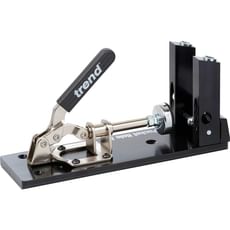
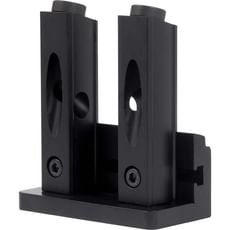
The range available from Tooled-Up.com encompasses several distinct types of drilling aids, each designed for specific applications. Pocket hole jigs create angled pilot holes for driving screws at 15 degrees, producing strong concealed joints ideal for kitchen cabinet construction and furniture assembly. Dowelling jigs ensure matching holes are drilled at precisely the same positions on mating timber pieces, creating perfectly aligned traditional joints. Straight drilling guides constrain drill bits to remain perpendicular to work surfaces, preventing wandering on smooth materials like tiles or metal. Specialist jigs for bolt cross-drilling, tile drilling with diamond bits, and depth control accessories complete the category, offering solutions for woodworkers, tilers, and metalworkers alike.
Tooled-Up stocks drilling guides and jigs from trusted manufacturers including Trend, Faithfull, Stanley, Sealey, Vitrex, Draper, and Marcrist. From compact mini pocket hole jigs for site work to comprehensive dowelling jig sets for workshop cabinetmaking, these precision tools deliver the accuracy demanded by professional joiners whilst remaining accessible enough for home woodworkers seeking to elevate their craftsmanship. The combination of hardened steel guide bushings, robust construction, and carefully engineered tolerances ensures these tools maintain their precision through years of daily use.
Jargon Buster
- Pocket Hole Jig: A clamping guide that creates angled holes, typically at 15 degrees, for driving screws to join two pieces of timber with a concealed mechanical fixing. Widely used in face frame cabinet construction and furniture assembly, pocket holes eliminate visible fixings whilst creating strong joints without glue drying time.
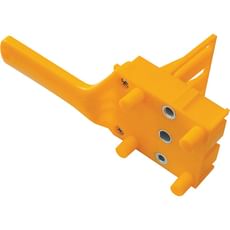
- Dowelling Jig: A precision clamping device with hardened steel guide bushings that ensures matching dowel holes are drilled at exactly corresponding positions on mating workpieces. Essential for traditional furniture joinery, these jigs create the perfect alignment needed for strong, invisible glued dowel joints.
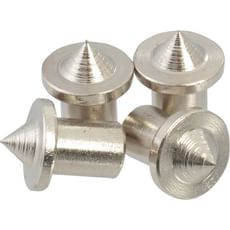
- Centre Points: Tapered metal pins inserted into drilled holes to transfer exact hole positions onto mating workpieces. When the second piece is pressed against the centre points, they leave indent marks showing precisely where to position the dowelling jig for corresponding holes, ensuring perfect joint alignment.
- Depth Stop: An adjustable collar or ring fitted around a drill bit to limit penetration depth, ensuring consistent hole depths across multiple drillings. Particularly important when drilling pocket holes or dowel holes where precise depth control prevents breakthrough or ensures adequate material remains for structural integrity.
- Guide Bushing: A hardened steel sleeve that fits within a drilling jig to guide the drill bit at the correct angle and diameter, preventing wandering and ensuring accuracy. Quality bushings resist wear even after thousands of drilling operations, maintaining the precision essential for professional joinery work.
- V-Groove Base: A 90-degree channel machined into the base of straight drilling guides, allowing secure positioning when drilling into cylindrical stock such as dowels, pipes, or rounded timber components where a flat base would be unstable.
Who Uses Drilling Guides & Jigs?
- Joiners and Cabinet Makers: For creating precise dowel joints, pocket hole assemblies, and perfectly aligned drilling in bespoke furniture and fitted joinery projects
- Kitchen Fitters: For assembling face frame cabinets using pocket hole joinery techniques and creating concealed fixing points in fitted kitchen installations
- Carpenters and Site Chippies: For accurate on-site drilling when constructing timber frames, staircases, and structural joinery where precision matters despite working conditions
- Shopfitters: For repeatable, precise drilling when installing retail displays, fitted units, and commercial joinery where consistency across multiple installations is essential
- Tilers: For creating accurate holes in ceramic and porcelain tiles for pipework, shower fittings, and electrical outlets without cracking or chipping expensive tiles
- Metalworkers and Engineers: For cross-drilling bolts, nuts, and metal components with precision, creating split pins holes or secondary fixings in fabrication work
- General Builders: For drilling perpendicular holes in various materials and creating accurate fixings when installing ironmongery, hinges, and hardware
- DIY Enthusiasts and Home Woodworkers: For achieving professional-quality results in furniture making projects and home improvement work without investing in expensive machinery
How to Choose the Right Drilling Guides & Jigs
Identify Your Primary Application: Determine whether you're mainly drilling pocket holes for joinery, creating dowel joints for furniture, ensuring straight holes in general drilling, or working with specialist materials. Pocket hole jigs from Trend excel at face frame construction and modern cabinet work, whilst dowelling jigs suit traditional furniture making and solid timber joinery. If you're working across tiles, consider specialist kits like the Marcrist diamond tile drilling systems that combine guides with appropriate bits.
Material Compatibility: Ensure your chosen guide suits the materials you regularly work with. Timber drilling guides differ significantly from those designed for tile or metalwork. Tile drilling requires guides with anti-slip bases and compatibility with water-fed diamond bits, whilst woodworking jigs need hardened bushings to withstand the abrasion from drilling hardwoods like oak or beech repeatedly.
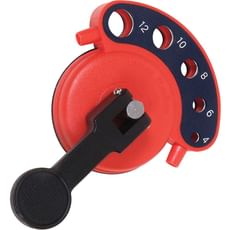
Capacity and Size Range: Check the drill bit diameter range the guide accommodates. Straight drilling guides typically handle common bit sizes from 4mm to 12mm, whilst dowelling jigs are often designed for specific dowel diameters such as 6mm, 8mm, and 10mm. Pocket hole jigs generally work with 9.5mm stepped bits for standard applications, though some systems accommodate different thicknesses of material through adjustable depth settings.
Build Quality and Precision: For professional daily use, invest in well-engineered jigs from reputable brands like Trend, Faithfull, or Stanley. Hardened steel guide bushings, robust aluminium or steel construction, and precise machining ensure accuracy and longevity. Budget jigs with plastic bushings may suffice for occasional DIY use but will wear quickly under professional workloads, compromising accuracy and requiring premature replacement.
Adjustability and Versatility: Universal dowelling jigs with multiple hole positions and adjustable fence settings offer greater flexibility than single-purpose guides. Consider whether you need a dedicated jig for one specific repetitive task or a more versatile system that adapts to various projects. The Sealey Universal Dowelling Jig Set, for example, accommodates different timber widths and multiple dowel positions, whilst Trend's Mini Pocket Hole Jig sacrifices versatility for portability on site work.
Portability Requirements: Site workers and mobile joiners may prioritise compact, lightweight guides that fit easily in tool boxes or vans, whilst workshop-based cabinet makers might prefer larger, more robust systems with additional features and integrated clamping. Consider whether you'll be working from a fixed bench with good workholding or need self-contained systems that can be quickly deployed on site.
Compatibility with Your Existing Tools: Ensure the jig works with your cordless drills from Makita, DeWalt, Milwaukee, or Bosch. Most guides accept standard round shank bits, but verify any special requirements. Pocket hole jigs require specific stepped drill bits, so factor in the ongoing cost of replacement bits when comparing systems. Some manufacturers like Trend offer quick-release shank bits that speed up bit changes significantly.
Popular Accessories
- Stepped Drill Bits: Including 9.5mm pocket hole drill bits with quick-release shanks, dowel bits in common diameters (6mm, 8mm, 10mm), and diamond tile bits designed to work with specific jigs and guides
- Drill Bit Depth Stops: Adjustable collars and stop sets from Stanley for controlling drilling depth across various bit sizes, ensuring consistent results without measuring each hole individually
- Centre Point Markers: Precision tapered pins for transferring hole positions accurately between mating workpieces, essential for dowelling jig work where alignment determines joint quality
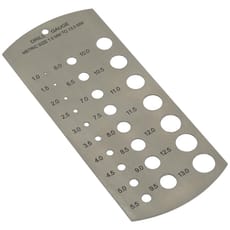
- Drill Bit Gauges: Metric gauges from Sealey for quickly identifying drill bit sizes without searching for markings on worn bits, saving time during setup
- Drill Collars: Replaceable guide bushings and collars for pocket hole jigs, particularly Trend collars that protect exit holes and guide bits at the correct angle
- Clamps and Workholding: G-clamps, quick clamps from brands like Irwin or Stanley, and bench vices to secure workpieces whilst using drilling guides, ensuring safety and accuracy
- Wood Dowels: Fluted hardwood dowels in various diameters (6mm, 8mm, 10mm) and lengths for creating dowel joints once holes are drilled
- Pocket Hole Screws: Self-tapping screws with coarse threads specifically designed for pocket hole joinery, available in various lengths for different material thicknesses
- Drill Storage Solutions: Drill bit cases and organisers from Stanley, DeWalt, or Makita to keep bits, jigs, and accessories together and protected between jobs
Safety Information
Whilst drilling guides and jigs significantly improve accuracy and control, safe operation practices remain essential to prevent accidents. Always ensure workpieces are securely clamped or held before drilling—never attempt to hand-hold small pieces when using jigs, as drill bit torque can spin loose workpieces causing injury. Wear appropriate eye protection to guard against swarf, wood chips, and particularly ceramic fragments when drilling tiles, as these materials can shatter unpredictably creating sharp projectiles.
When using cordless or 240v mains drills with guides, ensure the drill is switched off and removed from the trigger before positioning or adjusting the jig. Be aware that jigs can sometimes obscure your view of the drill bit tip, so take extra care to keep fingers clear of the drilling path and verify bit exit points, particularly with pocket hole jigs where angled drilling can cause unexpected breakthrough points.
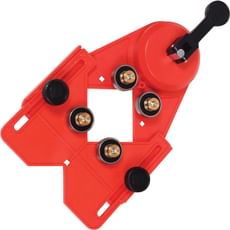
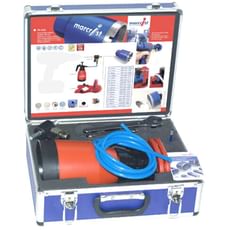
For tile drilling applications, follow HSE guidance on dust control, as drilling ceramic and porcelain materials creates harmful respirable crystalline silica dust. Use wet cutting methods with water-fed diamond bits where possible, or ensure adequate extraction and respiratory protection if dry drilling. The Marcrist tile drilling kits incorporate water feed systems that suppress dust whilst cooling the diamond bit for longer life.
Check that guide bushings, clamps, and all components are securely tightened before use, as loose parts can shift during drilling causing the bit to wander or jam, potentially causing injury or damaging the workpiece. When using pocket hole jigs with hardwoods, be aware that increased resistance can cause drill bits to bind or break if you force them—use sharp bits, appropriate speeds, and let the drill work at its own pace to prevent bit failure.
Frequently Asked Questions
What's the difference between a pocket hole jig and a dowelling jig?
A pocket hole jig creates angled holes (typically 15 degrees) for driving screws at an angle to join two pieces of timber, creating a concealed mechanical fixing ideal for face frame construction and modern cabinet work. A dowelling jig creates perpendicular holes for inserting wooden dowels, which are glued to create strong, traditional joints commonly used in furniture making. Pocket holes are faster and don't require glue drying time, making them ideal for site work and production cabinetmaking, whilst dowel joints offer a completely hidden, glue-based connection preferred in high-end furniture where no metal fixings are acceptable.
Can I use a standard drill bit with a pocket hole jig?
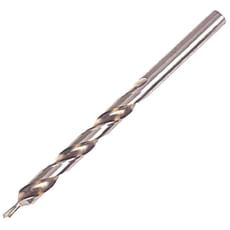
No, pocket hole jigs require specialised stepped drill bits, typically 9.5mm, that create both the pilot hole and the enlarged pocket in one operation. These bits feature a shoulder that creates the pocket opening whilst the tip drills the pilot hole for the screw thread. Standard twist drills won't produce the correct profile for pocket hole screws to seat properly, resulting in weak joints and visible screw heads. Trend and other manufacturers offer dedicated pocket hole bits with quick-release shanks compatible with most cordless drills from Makita, DeWalt, and Milwaukee.
How do I ensure perfect alignment when using a dowelling jig?
Accurate alignment comes from careful marking and using centre points to transfer hole positions. First, mark your desired dowel positions on the face of one workpiece, clamp the dowelling jig aligned with your marks, and drill the holes. Insert centre points (small tapered metal pins available from Faithfull) into these holes, then position the mating piece exactly as it will sit when joined, and press firmly to leave indent marks. These indents show precisely where to position the jig for drilling the corresponding holes, ensuring perfect alignment. Take time with this step—rushing causes misalignment that's impossible to correct once both pieces are drilled.
Are drilling guides suitable for use with cordless drills?
Yes, drilling guides and jigs work perfectly well with cordless drills from brands like Makita, DeWalt, Milwaukee, and Bosch. In fact, the compact size and manoeuvrability of cordless drills often makes them ideal for use with jigs, particularly in confined spaces or on-site where mains power isn't readily available. Just ensure your drill has adequate torque (minimum 40Nm recommended for pocket hole jigs in hardwood) and sufficient battery charge, especially when using pocket hole jigs which require drilling at an angle through hardwoods where resistance can be significantly higher than straight drilling. Modern brushless drills maintain consistent power throughout the battery discharge cycle, making them particularly well-suited to jig work.
Do I need different jigs for hardwood and softwood?
The same jigs work for both hardwoods and softwoods, but you may need to adjust your drilling technique and bit selection. Hardwoods like oak, beech, and ash require slower drilling speeds (around 1000-1500 RPM rather than 2500 RPM for softwoods), sharper bits, and occasionally a spot of wax or drilling lubricant to prevent overheating and premature bit dulling. Some pocket hole jigs like those from Trend have adjustable depth settings to accommodate different material thicknesses and densities. Always use sharp, high-quality drill bits appropriate for your material—dull bits will burn hardwoods, creating rough holes and weak joints, whilst also dramatically increasing drilling time and battery consumption on cordless tools.