

Drills
Pay in 3 interest-free payments on purchases from £30-2000 with  . Learn more.




 Loading...
End of content
Error - No more pages to load
About Drills
Drills represent the cornerstone of any professional toolkit, offering unmatched versatility for boring holes and driving fasteners across virtually every material encountered on site. From lightweight cordless drill drivers perfect for cabinet assembly to industrial-grade magnetic drills that clamp directly onto steel beams, the breadth of drilling technology available today ensures tradespeople can tackle any application with precision and efficiency. Whether you're installing electrical back boxes in masonry, drilling through hardened steel, or assembling timber frameworks, there's a specialised drilling machine engineered for your specific requirements.
Modern drilling equipment has evolved considerably, with brushless motor technology, intelligent battery management systems, and electronic controls delivering exceptional power-to-weight ratios from increasingly compact cordless platforms. The 18V lithium-ion standard now dominates professional use, with leading manufacturers like Makita, DeWalt, and Milwaukee offering comprehensive cordless ecosystems where batteries interchange across entire tool ranges. For workshop environments and continuous heavy-duty applications, corded drills remain indispensable, providing consistent 240v mains power without runtime limitations or battery degradation concerns.
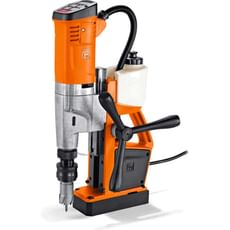
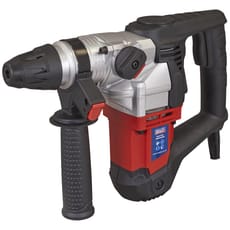
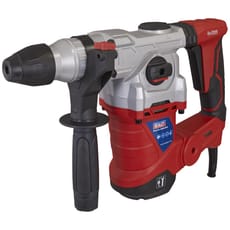
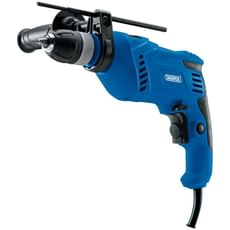
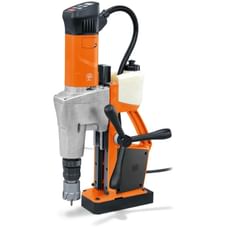
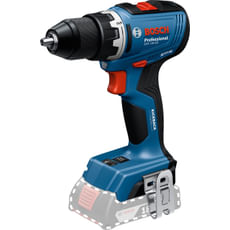
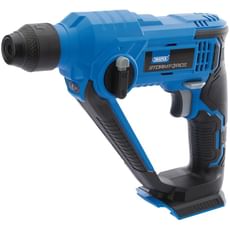
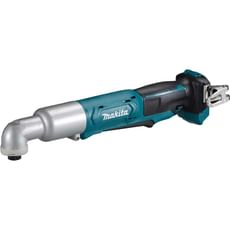
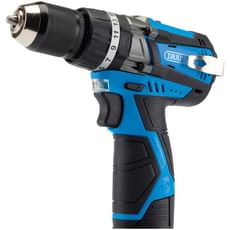
The drill category at Tooled-Up.com encompasses an extensive range spanning twelve specialist subcategories, from versatile combi drills that switch between standard drilling and hammer action for masonry work, to purpose-built SDS rotary hammers engineered specifically for demolition and concrete boring. Angle drills access confined spaces behind joists and within cavity walls, whilst bench-mounted pillar drills deliver workshop precision for repetitive drilling operations. Specialist equipment including diamond drills for tile and stone, magnetic drills for steel fabrication, and dedicated mixing drills for plaster and render ensures professionals have access to the right tool for every scenario, backed by manufacturer warranties and expert technical support.
Jargon Buster
- Brushless Motor: An advanced motor design eliminating carbon brushes, resulting in greater efficiency, extended runtime, minimal maintenance requirements, and significantly longer tool lifespan. Brushless drills typically deliver up to 50% more work per battery charge compared to brushed equivalents.
- Ah (Amp-hours): The measurement of battery capacity indicating how much electrical charge a battery can store. Higher Ah ratings (for example, 5.0Ah versus 2.0Ah) provide longer runtime between charges, though they also increase tool weight. Professional tradespeople typically favour 5.0Ah batteries for all-day site work.
- Torque Settings: Adjustable clutch positions on drill drivers and combi drills that limit rotational force applied during screwdriving, preventing over-tightening of fixings, stripping of screw heads, and damage to delicate materials. Professional models offer 20+ torque settings for precise fastening control.
- Chuck Size: The maximum diameter of drill bit shank the chuck mechanism can accommodate, typically 10mm or 13mm for general-purpose drills. Keyless chucks allow rapid bit changes without additional tools, whilst keyed chucks on industrial models provide superior gripping force.
- Hammer Action/Percussion: A rapid forward hammering motion combined with rotation, enabling efficient drilling through brick, blockwork, and concrete. The impact mechanism pulses thousands of times per minute, breaking up masonry as the bit rotates, essential for any work involving solid walls.
- SDS (Special Direct System): A professional bit-holding system found on rotary hammers, featuring grooved shanks that slide into the chuck for tool-free bit changes. SDS drills deliver substantially greater impact energy than standard hammer drills, with SDS-Plus suited to holes up to 30mm and SDS-Max for heavy demolition work.
Who Uses Drills?
Drills serve as essential equipment across virtually every construction trade, engineering discipline, and manufacturing sector:
- Electricians: Installing back boxes, drilling through joists for cable runs, fixing consumer units, mounting trunking, and securing conduit systems
- Plumbers and Heating Engineers: Boring holes for pipe runs through timber and masonry, securing brackets for radiators and cylinders, fitting bathrooms and kitchens
- Carpenters and Joiners: Assembling timber frames, hanging doors, installing staircases, fitting kitchens, and general woodworking applications requiring precise hole placement
- Builders and General Contractors: Wide-ranging applications from foundation work and structural installation to finishing trades and general maintenance
- Steel Fabricators and Engineers: Drilling precise holes in metal components using magnetic drills and industrial rotary drills for structural steelwork and machinery assembly
- Roofers: Securing battens, fixing fascias and soffits, installing roof-mounted solar panels and satellite equipment
- Shop Fitters and Cabinet Makers: Precision drilling and assembly work requiring accurate hole placement and consistent depth control for furniture and display units
- Maintenance Engineers: Repair and installation work across commercial facilities, industrial plants, and public buildings
- Groundworkers and Fencing Contractors: Post installation, securing fence panels, and drilling through concrete for ground fixings
- DIY Enthusiasts and Homeowners: Home improvements, furniture assembly, decorating projects, and general household repairs
How to Choose the Right Drills
Material Applications: Consider what you'll be drilling most frequently. For timber and metal only, a standard drill driver or rotary drill suffices. Regular masonry work requires a combi drill with hammer action, whilst extensive concrete drilling demands an SDS rotary hammer delivering 2-5 joules of impact energy. Mixed applications across various materials suit versatile combi drills with switchable modes.
Power Source: Cordless drills offer superior manoeuvrability, eliminate trailing cables, and suit site work, working at height, or moving between locations. The 18V lithium-ion platform has become the professional standard, with 5.0Ah batteries providing all-day runtime. Brands including Bosch, Festool, and Fein offer excellent cordless ranges. Corded models provide consistent 240v power for workshop environments and continuous heavy-duty applications where battery changes would interrupt workflow, particularly for mixing drills and industrial rotary drills.
Power Output and Performance: Measured in watts for corded models and voltage for cordless tools, with higher figures generally indicating greater capability. Professional tradespeople should consider 18V cordless systems or 750W+ corded drills as minimum standards. For SDS rotary hammers, impact energy measured in joules proves critical—2-3J suits light masonry work, whilst 5J+ tackles heavy concrete drilling and demolition applications.
Build Quality and Durability: Professional-grade tools feature metal gearboxes, reinforced housings, and superior bearings for longevity under daily site use. DIY-rated models may suffice for occasional home use but won't withstand the rigours of trade applications. Check warranty periods as indicators of manufacturer confidence—professional tools from Milwaukee, Makita, and DeWalt typically offer 1-3 year coverage.
Ergonomics and Weight: For prolonged use or overhead applications, weight becomes critical to preventing fatigue and musculoskeletal injury. Compact drills reduce strain, whilst larger models provide more power for demanding applications. Consider auxiliary handles for larger drills, and ensure trigger controls feel responsive and comfortable during extended operation.
Battery Platform Compatibility: If you already own cordless power tools, staying within the same battery ecosystem eliminates the need for multiple chargers and spare batteries, offering significant cost savings and site convenience. Most major manufacturers now offer 50+ tools sharing common battery platforms.
Popular Accessories
- Drill Bit Sets: HSS twist drills for metal, wood bits with brad points for precision, masonry bits with tungsten carbide tips, and SDS bits for rotary hammers in diameters from 4mm to 40mm
- Screwdriver Bits and Holders: Phillips, Pozi, Torx, hex, and specialist security bits in various lengths, plus magnetic bit holders, extensions, and impact-rated bits for high-torque applications
- Hole Saws: For cutting large diameter holes in wood, plasterboard, plastic, and thin metal for pipe work, downlighters, door locks, and cable access points
- Spade Bits and Augers: Rapid boring through timber joists and studwork for cable and pipe installation, available in diameters from 6mm to 38mm
- Diamond Core Bits: For drilling through porcelain tiles, ceramic, granite, marble, and similar hard materials without cracking, essential for bathroom and kitchen installations
- Spare Batteries and Rapid Chargers: Essential for cordless operation, with rapid chargers from brands like Makita and DeWalt minimising downtime, and higher capacity batteries extending runtime
- Depth Stops and Drilling Guides: Ensuring consistent hole depths and accurate perpendicular drilling, particularly important for dowelling and shelf pin work
- Right-Angle Attachments: Converting standard drills for use in confined spaces between joists, inside cabinets, and other restricted access areas
- Tool Storage Cases and Bags: Protecting your investment and organising accessories for transport, including systems from Stanley FatMax, DeWalt TSTAK, and Milwaukee PACKOUT
- Mixing Paddles and Whisks: For plaster, render, adhesive, and paint mixing applications, with different designs suited to various material viscosities
Safety Information
Personal Protective Equipment: Always wear safety glasses or goggles conforming to EN166 standards to protect against flying debris, particularly when drilling overhead or working with masonry. Hearing protection rated to EN352 becomes essential when using hammer drills or SDS rotary hammers, which frequently exceed 85dB. Dust masks or respirators rated FFP2 or FFP3 must be worn when drilling materials producing harmful dust, particularly silica from concrete and masonry, in accordance with HSE Control of Substances Hazardous to Health (COSHH) regulations.
Electrical Safety: Corded drills must undergo Portable Appliance Testing (PAT) at appropriate intervals in commercial environments. Use 30mA RCD protection (residual current devices) when working outdoors, on construction sites, or in damp conditions, as mandated by UK electrical safety standards. Inspect cables and plugs before each use for damage, never carry drills by the cable, and ensure 240v equipment matches the available power supply.
Safe Operation: Secure workpieces with clamps or vices rather than holding by hand, preventing rotation or movement during drilling that could cause injury. Always use a cable and pipe detector before drilling into walls, floors, or ceilings—striking live electrical cables can prove fatal, whilst penetrating water pipes causes extensive damage. Remove chuck keys before starting the drill. Allow drill bits to cool before touching, as friction generates considerable heat. Avoid wearing loose clothing, jewellery, or leaving long hair unsecured, which could become entangled in rotating components or chuck mechanisms.
Tool Maintenance: Keep motor ventilation slots clear of dust accumulation to prevent overheating and premature failure. Regularly inspect chuck jaws for wear and ensure bits are securely tightened before operation. Follow manufacturer guidelines for maintenance schedules and servicing intervals, particularly for professional-grade equipment under warranty. Never use damaged or worn drill bits, which can shatter under load.
Frequently Asked Questions
What's the difference between a combi drill and an impact driver?
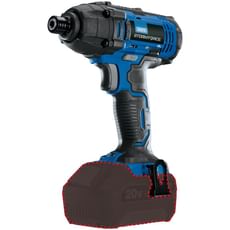
A combi drill combines standard drilling, hammer drilling for masonry, and screwdriving with adjustable torque settings in one versatile unit, making it suitable for boring holes in various materials and driving fixings. An impact driver specialises exclusively in driving screws and fasteners using rotational impacts, delivering substantially higher torque for large fixings but lacking the drilling modes and adjustable clutch of a combi drill. Most professional tradespeople carry both—the combi drill for all drilling applications and the impact driver for heavy-duty fastening work, particularly when installing decking, structural screws, or coach bolts.
Do I need an SDS drill if I already have a combi drill with hammer action?
It depends entirely on the scale and frequency of your masonry work. For occasional small holes up to 10mm in brick or lightweight blockwork, a combi drill's hammer mode proves adequate. However, for regular work drilling larger holes (12mm+) in concrete, installing multiple fixings daily, or drilling through reinforced materials, an SDS rotary hammer becomes indispensable. The dedicated pneumatic hammering mechanism delivers far greater impact energy—often 2-5 joules compared to the combi drill's mechanical percussion—completing concrete drilling tasks three to four times faster with significantly less user fatigue and tool wear.
What voltage cordless drill should I buy—12V or 18V?
For professional tradespeople and serious DIY enthusiasts, 18V has become the industry standard across brands like Makita, Milwaukee, and DeWalt, offering the optimal balance of power, runtime, and compatibility with extensive ranges of other cordless tools. 18V drills handle demanding applications including large drill bits in hardwood and extensive masonry work. 12V compact drills suit lighter duties where reduced weight and size matter, such as kitchen fitting, working overhead, or cabinet assembly, but may struggle with larger bits, dense hardwoods, or prolonged use. Avoid older 14.4V systems as manufacturers have largely discontinued them in favour of 18V platforms.
How long should drill batteries last before needing replacement?
Modern lithium-ion batteries typically retain usable capacity for two to five years depending on usage intensity, charging habits, and storage conditions. Professional tradespeople using batteries daily in demanding applications might experience noticeable degradation after 500-1000 charge cycles, whilst weekend DIY users could enjoy five or more years of service. To maximise lifespan, avoid completely depleting batteries before recharging, store them at moderate temperatures (not in freezing vans overnight or hot sheds during summer), and maintain partial charge during extended storage periods. Quality branded batteries from established manufacturers generally outlast budget alternatives significantly.
Can I use my drill for mixing plaster, render, or heavy materials?
Whilst technically possible with the appropriate paddle attachment, standard drill drivers and combi drills aren't engineered for sustained mixing applications. The substantial side loads and continuous torque generated by mixing heavy materials can damage their gearboxes, which are designed primarily for drilling applications. Standard drills also lack the power output, speed control, and cooling capacity required for efficient mixing of dense materials like render, screed, or tile adhesive. For regular mixing work, invest in a dedicated mixing drill with a reinforced gearbox, higher torque output (typically 1200W+), dual side handles for control, and M14 paddle attachment threading. These specialist tools available from Tooled-Up deliver the durability and performance demanded by plasterers, tilers, and rendering contractors.