

Drive Belts
Pay in 3 interest-free payments on purchases from £30-2000 with  . Learn more.
 Loading...
End of content
Error - No more pages to load
About Drive Belts
Drive belts are critical replacement components that keep garden machinery operational and performing at peak efficiency. These hardwearing rubber or synthetic belts transfer power from the engine or motor to various working parts of equipment such as lawnmowers, hedge trimmers, and garden tractors. When a drive belt wears out, cracks, or snaps, the machinery simply won't function correctly, making prompt replacement essential for anyone relying on their garden equipment. Whether you're maintaining a domestic lawn or operating professional landscaping equipment, having access to the correct replacement belt means the difference between a quick fix and extended downtime during the busy growing season.
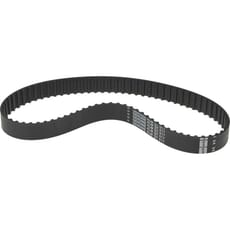
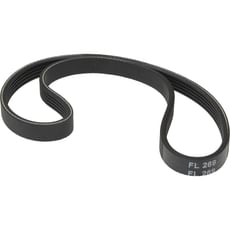
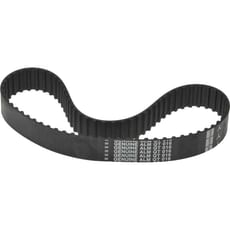
The drive belt selection at Tooled-Up.com focuses primarily on replacement components for the most popular garden machinery brands found throughout UK homes and commercial operations. The range is dominated by ALM-manufactured replacement belts, precision-engineered to OEM specifications for leading brands including Qualcast and Flymo equipment. From poly V belts designed for Flymo hover mowers to specialised blade belts for Qualcast Quadtrack models, each component is manufactured to exact dimensions ensuring proper fit, correct tension, and reliable power transmission that matches the original factory-fitted parts.
Understanding belt specifications is fundamental to successful equipment repair and maintenance. Each drive belt features precise dimensions, specific groove patterns, and carefully selected material compositions matched to particular machinery models. Installing the correct replacement belt prevents common problems such as slippage, excessive vibration, premature wear, and potential damage to pulleys or motor assemblies. For professional landscapers and groundskeepers, keeping spare belts in the van or workshop ensures minimal disruption to daily operations when unexpected belt failure occurs.
Jargon Buster
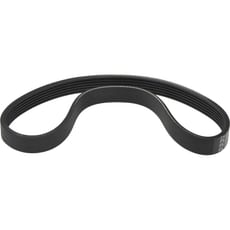
- Poly V Belt: A multi-ribbed belt design featuring several V-shaped grooves running longitudinally along its length. This configuration provides superior grip and more efficient power transmission compared to traditional flat belts, making it ideal for compact hover mowers where space constraints demand maximum performance from minimal components.
- Drive Belt: The primary power transmission belt that transfers rotational force from the engine or electric motor to the wheels or propulsion mechanism of garden machinery. This is the main working belt responsible for self-propulsion on walk-behind mowers and mobility on ride-on equipment.
- Blade Belt: A specialised drive belt dedicated exclusively to powering the cutting blade assembly rather than the wheels or other mechanical systems. Commonly found in self-propelled and ride-on mowers with separate drive systems for propulsion and cutting functions, allowing independent control of each mechanism.
- OEM Specification: Original Equipment Manufacturer specification, indicating that the replacement component is manufactured to identical standards, dimensions, and performance characteristics as the original part fitted during machinery assembly. OEM-spec replacements ensure compatibility and reliable operation without modification.
- Belt Tension: The degree of tightness or stretch applied to a drive belt during installation and operation. Correct tension is critical for performance—insufficient tension causes slippage and reduced power transfer, whilst excessive tension accelerates bearing wear and places unnecessary strain on motor components.
- Idler Pulley: A tension-maintaining pulley that doesn't drive anything directly but keeps the belt properly tensioned and correctly routed around the drive system. Often spring-loaded to provide automatic tension adjustment as the belt wears or temperatures fluctuate during operation.
Who Uses Drive Belts?
- Homeowners and DIY enthusiasts maintaining their own garden equipment and performing routine servicing
- Professional landscapers and gardening contractors who depend on reliable equipment for daily commercial operations
- Groundskeepers responsible for maintaining parks, sports facilities, golf courses, and public recreation areas
- Garden machinery repair technicians servicing customer equipment in workshops and mobile repair operations
- Estate managers and property maintenance teams looking after extensive private or commercial grounds
- Allotment holders and keen gardeners with larger plots requiring powered cutting and maintenance equipment
- Local authority grounds maintenance teams managing public spaces, verges, and amenity areas
- Equipment hire centres maintaining rental machinery fleets to professional standards
- Agricultural smallholders using garden tractors and compact machinery for property maintenance
How to Choose the Right Drive Belts
Selecting the correct replacement drive belt begins with accurately identifying your machinery's exact model number. This information is typically stamped on a rating plate or data label affixed to the equipment body, often located near the motor housing or on the main chassis. The model number is absolutely crucial because visually similar machines may require completely different belt specifications, and fitting an incorrect belt results in poor performance, premature failure, or potential damage to pulleys and bearings.
Determine whether your equipment requires a drive belt, blade belt, or poly V belt, as these serve distinct functions within the machinery's mechanical systems. Tooled-Up stocks ALM replacement belts with comprehensive compatibility information clearly stated in product descriptions, allowing you to cross-reference your model number against the listed compatible equipment. For Qualcast lawnmowers, pay particular attention to whether your model features front or rear grass box configuration, as this significantly affects belt routing, length requirements, and pulley arrangement.
Consider keeping a spare belt in your workshop or garden shed, particularly if you operate equipment commercially or rely on it for professional income. Drive belts can fail suddenly without warning, and having an immediate replacement available minimises costly downtime during peak grass-cutting season when demand is highest. For professionals, belt failure during a contracted job can mean lost revenue and disappointed clients, making a small investment in spare parts highly worthwhile.
Before ordering, consult your equipment manual for belt routing diagrams and note the arrangement of any idler pulleys, spring tensioners, or belt guides. This preparation helps you understand the installation process and confirms you're ordering the correct component. If the original belt has completely disintegrated or is missing, carefully measure the distance between pulley centres and note the pulley diameters, as this information can help identify the correct replacement specification.
Popular Accessories
- Replacement lawnmower blades and hedge trimmer cutting edges—ideal to fit during belt replacement servicing
- Spark plugs for petrol-powered garden equipment during routine maintenance schedules
- Air filters to maintain optimal engine performance and fuel efficiency
- Lawnmower engine oil and 2-stroke oil for comprehensive servicing during belt replacement downtime
- Cable ties and fixings for securing covers and routing cables safely away from moving components
- Multipurpose grease and lubricants for pulley bearings and pivot points
- Cleaning brushes and scrapers for removing compacted grass debris from belt housings and pulley grooves
- Socket sets and spanners for accessing belt housings and removing covers
- Work gloves for hand protection during maintenance tasks involving sharp edges
- Parts cleaner and degreaser for preparing surfaces and removing old lubricant residue
Safety Information
Always completely disconnect the power source before attempting any drive belt maintenance or replacement work. For electrically powered equipment, unplug from the 240v mains supply and ensure the cable cannot accidentally reconnect. For petrol-powered machinery, disconnect the spark plug lead and position it well away from the plug to prevent accidental engine starting. Never work on equipment that could unexpectedly start or move during servicing.
Allow all equipment to cool thoroughly before commencing work, as motors, exhaust components, and belt housings retain considerable heat after operation. Wear appropriate work gloves to protect hands from sharp edges on belt guards, metal housings, and cutting blades. Ensure the equipment is positioned on stable, level ground and cannot tip, roll, or shift during maintenance work. Use axle stands or blocks if working on ride-on equipment that requires lifting or tilting.
When fitting a new drive belt, never force it over pulleys using excessive pressure or levering tools—if substantial force is required, you've likely received the wrong belt specification or the belt routing is incorrect. Check the belt is correctly seated in all pulley grooves and properly engaged with any idler pulleys before replacing guards and protective covers. After installation, manually rotate the mechanism by hand through several complete revolutions to ensure smooth operation and verify the belt isn't binding or rubbing before reconnecting power.
Always refit belt guards and safety covers before operating equipment. These protective components prevent contact with moving parts and stop debris from interfering with belt operation or becoming projectiles. Dispose of old belts responsibly through household recycling or commercial waste streams. Carefully inspect all pulleys for signs of wear, damage, or rough edges that could cause premature failure of your new belt, and replace any compromised components before fitting the replacement belt.
Frequently Asked Questions
How do I know when my drive belt needs replacing?
Common warning signs include visible cracking, fraying, or glazing on the belt surface, squealing or chirping noises during operation, a burning rubber smell, noticeably reduced power to the cutting mechanism, or the belt slipping off pulleys during use. On self-propelled mowers, loss of drive power or inconsistent propulsion strongly suggests belt wear. Regular visual inspection during routine maintenance helps identify deterioration before complete failure occurs, allowing planned replacement rather than inconvenient breakdown during use.
Are ALM replacement belts as reliable as genuine manufacturer parts?
ALM manufactures replacement drive belts to OEM specifications, meaning they're engineered to match the exact dimensions, material properties, and performance characteristics of original factory-fitted parts. Many equipment manufacturers actually source their belts from specialist third-party suppliers rather than manufacturing in-house. ALM replacement belts offer excellent quality and reliability at more competitive prices than branded genuine parts, making them popular with both domestic users and professional landscapers who demand dependable performance.
Can I fit a drive belt myself or should I use a professional?
Most people with basic DIY skills and common hand tools can successfully replace drive belts following manufacturer instructions. The process typically involves removing belt guards or covers, releasing tension from idler pulleys or tensioners, fitting the new belt over the pulley system following the correct routing, and reassembling protective covers. Your equipment manual should provide belt routing diagrams. If you're uncomfortable working with machinery, lack the necessary tools, or cannot access the belt housing easily, a garden machinery repair specialist can fit the replacement quickly and inexpensively.
How long should a garden machinery drive belt typically last?
Belt lifespan varies considerably depending on usage frequency, operating conditions, maintenance standards, and storage practices. With regular domestic use and proper care, expect approximately 2-5 years service life from a quality drive belt. Professional landscapers operating equipment daily in demanding conditions may require annual replacement, whilst occasional home users might achieve longer service intervals. Keeping pulleys clean, maintaining correct belt tension, preventing grass build-up around the belt housing, and storing equipment in dry conditions significantly extends belt life.
Why does my newly fitted belt keep slipping off the pulleys?
Belt displacement usually indicates incorrect installation, wrong belt specification for your model, worn or damaged pulleys, or malfunctioning belt guides and tensioners. Double-check you've ordered the correct belt for your specific equipment model and that it's properly seated in all pulley grooves according to the routing diagram. Inspect all pulleys for wear, damage, wobble, or accumulated debris. Ensure any idler pulleys move freely and that spring-loaded tensioners provide adequate pressure. Verify all belt guards, guides, and retaining clips are correctly positioned and not causing interference with belt movement.