

Dust Extraction Accessories

Pay in 3 interest-free payments on purchases from £20-£3000 with  . Learn more.
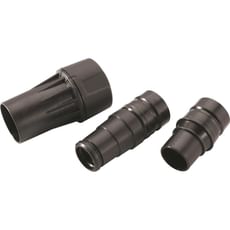
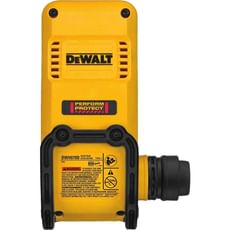
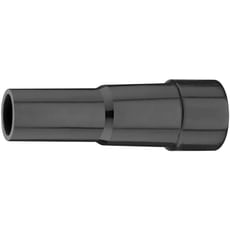
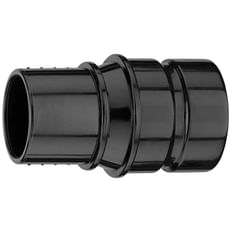
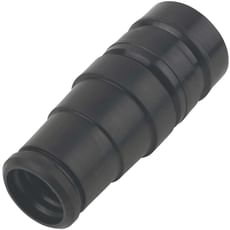
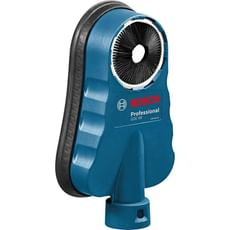
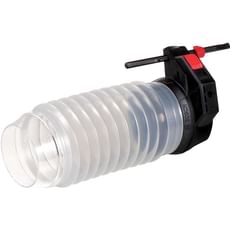
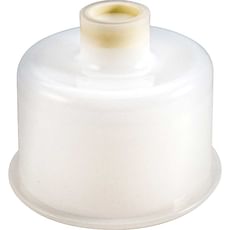

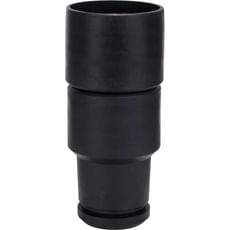
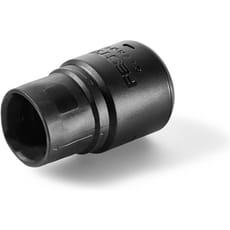
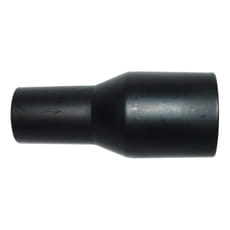
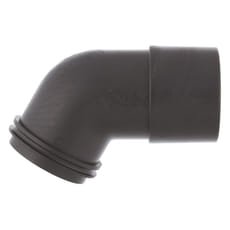
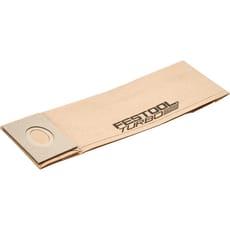
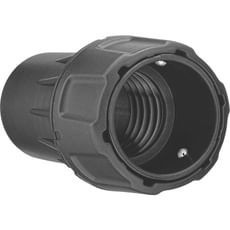
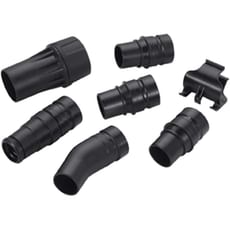
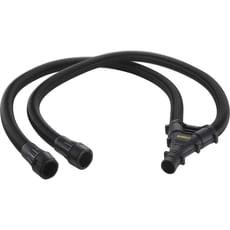
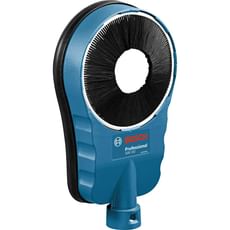
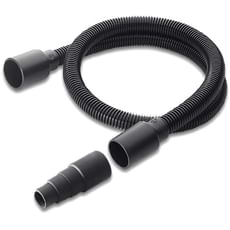
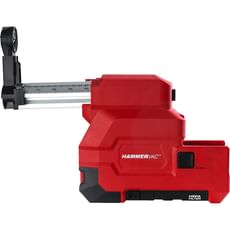
 Loading...
End of content
Error - No more pages to load
About Dust Extraction Accessories
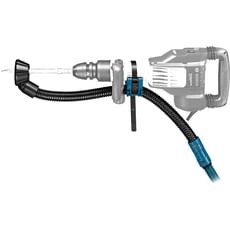
Dust extraction accessories are the essential connecting components that bridge the gap between power tools and extraction systems, enabling effective dust management across workshops and job sites. This category encompasses a comprehensive range of adapters, hoses, reducers, connectors, and collection cups engineered to create secure, airtight connections between various power tools and dust extractors. Whether you're operating a router, sander, jigsaw, planer, or mitre saw, the right dust extraction accessories ensure optimal dust capture at source, protecting respiratory health whilst maintaining clear visibility of cutting lines and work surfaces.
Professional tradespeople recognise that effective dust management extends beyond investing in a quality extractor unit – it requires precise tool-specific accessories that create secure connections without air leakage. Tooled-Up.com stocks dust extraction solutions from leading manufacturers including Bosch Professional, DeWalt, and Festool, each producing carefully engineered adapters designed to fit specific tool models and extraction port configurations. These accessories maintain maximum suction efficiency whilst allowing uninterrupted workflow, preventing dust clouds from obscuring workpieces or contaminating clean environments.
From antistatic hoses that prevent static build-up when extracting fine particles, to universal adapters allowing different diameter hoses to connect across various tool outlets, quality extraction accessories solve practical dust management challenges. The selection at Tooled-Up includes hose reducers for connecting mismatched diameters, bayonet-lock connections for quick tool changes, and tool-specific adapters ensuring precise fits for popular power tool models. Investing in appropriate extraction accessories helps satisfy HSE workplace dust exposure regulations whilst extending power tool lifespan by preventing dust ingress into motors and internal mechanisms.
Jargon Buster
- Extraction Port: The dedicated outlet on a power tool designed specifically for attaching dust extraction equipment, typically with standardised diameter measurements such as 19mm, 27mm, 32mm, or 35mm.
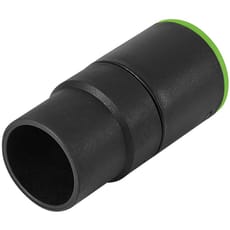
- Hose Reducer: An adapter component that connects extraction hoses of different diameters, such as reducing a 35mm hose connection to fit a 19mm tool port, maintaining suction efficiency across diameter transitions.
- Antistatic Hose: Specialised extraction hose incorporating conductive properties that prevent static electricity build-up when extracting fine dust particles, reducing shock risk whilst improving dust collection efficiency and preventing dust adhesion to hose walls.
- Bayonet Lock: A quick-connect mechanism featuring rotating lugs that secure hoses and adapters with a simple twist-and-lock action, allowing rapid connection changes between different tools or extraction points.
- Dust Collection Cup: A compact container attaching directly to power tools for capturing dust and debris at source, particularly useful for quick tasks where connecting a full extraction system isn't practical.
- COSHH Compliance: Meeting Control of Substances Hazardous to Health regulations, which mandate proper dust extraction when working with materials producing harmful dust, including wood, silica, MDF, and engineered materials.
Who Uses Dust Extraction Accessories?
Dust extraction accessories are essential equipment for various trades and users, including:
- Carpenters and joiners working with wood-cutting and shaping equipment
- Cabinet makers and furniture makers requiring dust-free workshops for fine finish work
- Floor fitters using orbital sanders and cutting tools
- Shop fitters and interior specialists working on-site in occupied commercial premises
- Builders and general contractors needing to comply with site dust control regulations
- Renovation specialists working in domestic properties where dust control is essential
- Workshop owners and small manufacturing businesses maintaining clean production environments
- Dedicated DIY enthusiasts with home workshops who prioritise cleanliness and safety
- Stone and solid surface fabricators managing particularly hazardous silica dust
- Maintenance teams working in schools, hospitals, and commercial facilities
- Kitchen fitters installing units in occupied homes
- Dry-lining contractors cutting and finishing plasterboard
How to Choose the Right Dust Extraction Accessories
Tool Compatibility: Always verify the specific extraction port diameter and connection type on your power tool before purchasing adapters. Manufacturers like Bosch Professional, DeWalt, and Festool produce tool-specific adapters engineered for particular model ranges. Check your tool's manual or physically measure the extraction port diameter to ensure secure fitting. Common standardised sizes include 19mm, 27mm, 32mm, and 35mm connections, though proprietary designs also exist.
Hose Diameter Matching: Your dust extractor hose diameter must align with your accessories. Professional extractors typically utilise 27mm, 32mm, or 36mm diameter hoses, whilst DIY extractors may use different sizing. When mismatches occur, invest in quality reducers or step-down adapters rather than attempting makeshift solutions that compromise suction efficiency through air leakage.
Antistatic Requirements: For fine dust applications or when working with materials generating static electricity, specify antistatic hoses and accessories. These prove particularly important when extracting from orbital sanders or when processing MDF and engineered materials producing very fine particles that readily accumulate static charges.
Build Quality and Durability: Professional-grade accessories from brands like Bosch Professional and DeWalt offer superior durability, precise tolerances, and secure connections withstanding demanding site conditions. Budget alternatives may split, crack, or create poor seals reducing extraction effectiveness. Consider usage frequency and working environment demands when selecting quality levels.
Connection Systems: Bayonet-lock connections enable rapid tool changes without tools, whilst friction-fit adapters offer simplicity at the expense of occasional loosening during vigorous tool movement. For professional applications involving frequent tool changes, quick-connect systems significantly improve workflow efficiency.
Flexibility and Length: For mobile work and varied tool positions, consider extraction hose flexibility and length. Longer hoses offer greater working radius but may slightly reduce suction through increased resistance. Balance convenience against extraction performance based on typical working setups and extractor power ratings.
Popular Accessories
To maximise dust extraction system effectiveness, consider these complementary products:
- Spare extraction hoses in various lengths for different working environments and tool positions
- Additional tool-specific adapters for each power tool in your regular kit
- Hose connector couplings and extension pieces for quickly switching between tools
- Replacement dust bags and filters maintaining extractor performance
- Cable and hose management systems keeping extraction hoses organised on-site
- M-Class or H-Class dust extractors for comprehensive dust management systems
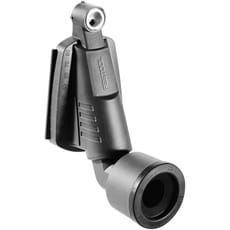
- Dust extraction shrouds and attachments for angle grinders and other handheld tools
- Bench-mounted extraction points for static machinery installations
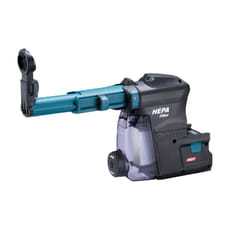
- HEPA filters for extracting hazardous dust materials including silica
- Hose repair connectors for extending service life of damaged hoses
- Adapter sets covering multiple tool connection requirements
Safety Information
Proper dust extraction represents a critical health and safety requirement, not merely a convenience feature. Prolonged exposure to wood dust, silica, and other particulates causes serious respiratory conditions, including occupational asthma, chronic obstructive pulmonary disease, and certain cancers. The HSE provides clear guidance on workplace exposure limits, and COSHH regulations mandate appropriate dust control measures when working with hazardous materials including hardwoods, MDF, and materials containing silica.
Always ensure dust extraction accessories create secure, airtight connections without gaps. Loose or poorly fitted adapters significantly reduce extraction efficiency, allowing harmful dust to escape into the breathing zone around the operator. Regularly inspect hoses and connectors for splits, cracks, or wear, replacing damaged components immediately to maintain effective extraction performance. Even small holes dramatically reduce suction whilst allowing fine dust particles to escape.
Antistatic hoses and accessories aren't solely about preventing minor shocks – static discharge can potentially ignite fine dust particles suspended in air under certain conditions, creating fire or explosion hazards. When working with materials producing very fine dust, always specify antistatic extraction equipment and ensure your dust extractor is properly earthed through a standard 240v 13A plug connection.
Remember that dust extraction accessories should complement, not replace, appropriate respiratory PPE when working with particularly hazardous materials. Even with excellent extraction systems, some dust inevitably escapes, particularly when initially starting cuts or during tool setup. Always work in well-ventilated areas and follow manufacturer guidelines for both power tools and extraction equipment. Store hoses properly to prevent damage and maintain flexibility.
Frequently Asked Questions
Can I use one adapter for multiple tool brands?
Whilst universal adapters are available and can work across some tools, tool-specific adapters designed for exact models typically provide superior fit and extraction performance. Extraction port sizes and shapes vary significantly between manufacturers and even between different models from the same brand. For optimal dust capture, particularly for regularly used tools, investing in dedicated adapters proves worthwhile. Universal adapters work best as occasional-use solutions or for site work involving unfamiliar equipment.
Why does my extraction seem less effective even with accessories connected?
Reduced extraction performance usually results from poor seals between connections allowing air leakage. Check that all adapters fit snugly without gaps, as even small air leaks dramatically reduce suction efficiency by allowing the extractor to draw unfiltered air rather than dust-laden air from the tool. Also inspect hoses for splits or blockages, ensure your extractor's bag or filter isn't full, and verify you're not exceeding recommended hose length for your extractor's power rating. Antistatic hoses can become clogged with compacted dust more readily than standard hoses.
Do I need different accessories for wet and dry extraction?
Most dust extraction accessories are designed primarily for dry dust extraction applications. If you're working with wet materials or need to extract liquids, ensure both your extractor and accessories are rated for wet use. Some connection types and materials may deteriorate when exposed to moisture, and standard dust bags must be removed before wet extraction to prevent damage. Always consult equipment manuals before switching between dry and wet extraction modes.
How often should I replace extraction hoses and accessories?
Replace hoses immediately upon noticing any splits, cracks, or holes, as these compromise extraction efficiency and allow dust to escape into the working environment. Antistatic hoses should be replaced if the conductive element becomes damaged or if static shocks are felt during use. Adapters and connectors typically last longer but require replacement if they no longer create tight seals or show signs of cracking or distortion. Regular pre-use inspection proves essential – damaged extraction accessories are ineffective at protecting respiratory health.
Are expensive branded accessories worth the investment compared to budget alternatives?
Quality dust extraction accessories from professional brands like Bosch Professional, DeWalt, and Festool are engineered for precise fits, durable materials, and reliable performance under demanding site conditions. Budget alternatives may initially seem cost-effective but often feature poor seals, inferior materials that crack or split quickly, and imprecise dimensions allowing significant dust escape. For professional tradespeople or regular users, investing in quality branded accessories pays for itself through better health protection, improved working conditions, reduced downtime from failures, and longer service life. Budget options may suit occasional DIY use where extraction demands are less critical.