

Dustbags & Accessories
Pay in 3 interest-free payments on purchases from £30-2000 with  . Learn more.
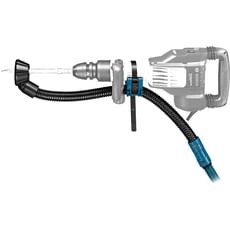
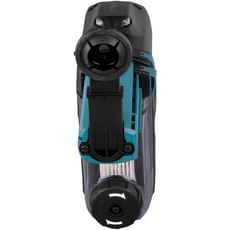
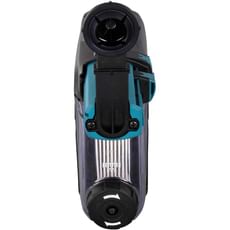
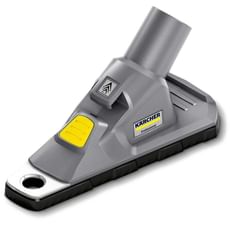
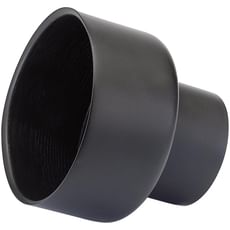
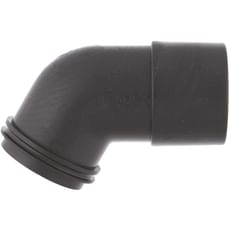
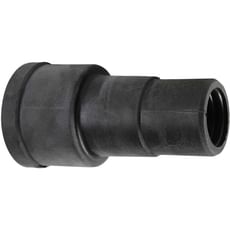
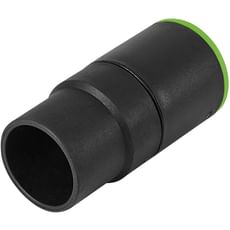
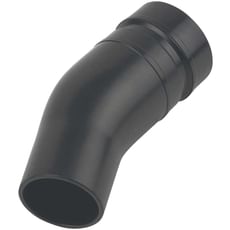
 Loading...
End of content
Error - No more pages to load
About Dustbags & Accessories
Maintaining a clean and safe working environment is essential for any professional tradesperson or serious DIY enthusiast, and dust extraction is a critical part of that process. The Dustbags & Accessories category brings together everything needed to keep power tools running efficiently whilst protecting health and maintaining compliance with HSE regulations. From replacement dustbags for vacuum extractors to specialist dust extraction accessories, hoses, and adaptors, Tooled-Up stocks components compatible with leading brands including Festool, Makita, DeWalt, Bosch, and Milwaukee.
Modern power tools generate significant amounts of fine dust particles—particularly when cutting, sanding, or grinding materials like wood, plaster, or masonry. Without proper dust extraction, these particles not only create mess but can pose serious respiratory health risks and even explosion hazards in certain concentrations. Whether working on-site where COSHH regulations demand proper dust control, or in a workshop where clean air quality matters, having the right dustbags and extraction accessories is non-negotiable.
This carefully curated selection ensures compatibility with existing extraction systems, along with the connectors, hoses, anti-static accessories, and adaptors needed to create a comprehensive dust management solution. Whether you're a joiner working with MDF, a decorator sanding walls, or a general builder cutting masonry, investing in quality dust extraction accessories protects both health and equipment longevity.
Jargon Buster
- HEPA Filtration – High-Efficiency Particulate Air filters that capture 99.95% of particles down to 0.3 microns, essential for capturing fine dust including hazardous materials like silica and asbestos fibres.
- L/M/H Class Extractors – European classification system for dust extractors: L Class for low-risk dusts, M Class for medium-risk including wood dust (HSE requirement), and H Class for high-risk materials like asbestos and carcinogens.
- Anti-Static Hose – Extraction hoses with conductive properties that prevent static electricity build-up, which can be a fire or explosion risk when extracting fine combustible dusts like wood flour.
- Microfiltration – A filtration standard that captures particles as small as 1 micron, suitable for general workshop dust but not classified for hazardous materials under COSHH regulations.
- Auto-Clean Function – A mechanism that automatically cleans the filter by pulsing air backwards, maintaining suction power and extending filter life without manual intervention.
- Universal Adaptor – Connection pieces that allow hoses of different diameters to connect to various power tools and extractors, typically ranging from 27mm to 36mm for common UK power tool brands.
Who Uses Dustbags & Accessories?
Dust extraction accessories are essential for a wide range of trades and users including:
- Joiners and Carpenters – Required by HSE to use M Class extraction when working with hardwood dust (a known carcinogen)
- Cabinet Makers and Furniture Makers – Particularly when working with MDF and engineered wood products
- Decorators and Plasterers – For dust-free sanding of walls, ceilings, and plasterwork
- Builders and General Tradesmen – When cutting, chasing, or grinding masonry, concrete, and brickwork
- Shop Fitters and Installers – Working in occupied premises where dust control is essential
- Floor Layers and Sanders – Managing high volumes of dust during floor preparation and sanding
- Stone Masons – Critical for controlling silica dust when cutting or grinding stone materials
- Workshop Owners – Maintaining a clean, safe, and efficient working environment
- Facilities Maintenance Teams – Keeping commercial and industrial premises clean and compliant
How to Choose the Right Dustbags & Accessories
Check Compatibility: Always verify that replacement dustbags and accessories are compatible with your specific extractor model. Brands like Festool, Makita, and DeWalt often have proprietary fittings, though universal options are available for many applications.
Consider the Dust Class: Match your dustbags and filters to the material you're working with. For general workshop use, L Class may suffice, but wood dust legally requires M Class extraction, and materials like silica or lead paint demand H Class HEPA filtration under COSHH regulations.
Assess Hose Length and Diameter: Longer hoses provide better reach but can reduce suction efficiency. Common diameters are 27mm, 32mm, and 36mm—ensure your hoses match both your extractor outlet and tool inlet, or invest in quality adaptors.
Anti-Static Requirements: If you're working with fine, dry dusts in enclosed spaces, anti-static hoses and accessories significantly reduce fire and explosion risks, particularly important when extracting wood flour or other combustible dusts.
Bag Capacity and Efficiency: Larger capacity bags mean fewer changes but can become heavy when full. Consider how often you'll need to change bags based on your typical workload, and whether self-sealing bags are worth the additional cost for cleaner, safer disposal.
Genuine vs. Compatible Products: Genuine manufacturer accessories guarantee perfect fit and performance but compatible alternatives can offer significant savings. For critical applications or warranty considerations, genuine parts are advisable.
Popular Accessories
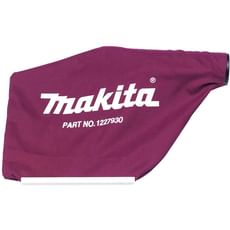
- Replacement Dustbags – Available in various capacities and filtration levels for all major extractor brands
- Extension Hoses – Anti-static and standard hoses in various lengths from 2.5m to 5m
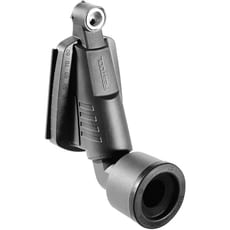
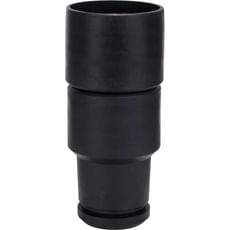
- Hose Adaptors and Reducers – Universal connectors for matching different diameter hoses and tool ports
- Replacement Filters – HEPA, fleece, and cartridge filters for different dust classes
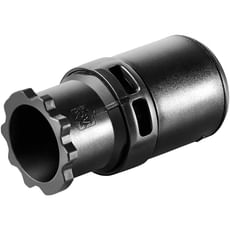
- Hose Connectors and Couplings – Quick-release and bayonet-style connectors for fast tool changes
- Cable Management Clips – Keep power cables and extraction hoses organised together
- Hose Storage Solutions – Wall-mounted hangers and reels to prevent hose damage
- Y-Connectors and Splitters – Connect multiple tools to a single extractor
- Cyclone Pre-Separators – Capture larger debris before it reaches the extractor, extending bag life
Safety Information
Proper dust extraction isn't just about keeping your workspace tidy—it's a serious health and safety requirement under UK law. The Control of Substances Hazardous to Health (COSHH) Regulations 2002 require employers and the self-employed to prevent or adequately control exposure to hazardous substances, including wood dust, silica, and other materials generated during power tool use.
Hardwood dust is classified as a carcinogen, and the HSE has set a Workplace Exposure Limit (WEL) of just 3mg/m³ for softwood and 1mg/m³ for hardwood. Without proper M Class or H Class extraction, these limits are easily exceeded when using sanders, saws, or routers. Always ensure your dust extraction system is appropriate for the material you're working with.
Regular maintenance of your extraction system is crucial—blocked filters or full dustbags dramatically reduce extraction efficiency, potentially leaving you exposed to harmful dust levels even with the extractor running. Replace dustbags before they're completely full, and clean or replace filters according to manufacturer recommendations. Anti-static accessories aren't optional when working with fine combustible dusts—they're essential for preventing potentially catastrophic dust explosions or fires.
When disposing of dustbags containing hazardous materials, follow proper procedures—seal bags securely and dispose of according to local waste regulations. Some materials, particularly those containing asbestos or lead, may require specialist disposal through licensed waste carriers.
Frequently Asked Questions
How often should I replace dustbags in my extractor?
Replace dustbags when they're approximately two-thirds full, or when you notice a significant drop in suction power. Overfilling bags reduces extraction efficiency and can damage the motor. For professional daily use, this might mean weekly changes, whilst occasional DIY users might change bags every few months. Self-sealing bags make disposal cleaner and safer.
What's the difference between L, M, and H Class dust extraction?
These classifications define the filtration efficiency and suitability for different dust types. L Class (Low risk) captures 99% of particles and suits general dust. M Class (Medium risk) captures 99.9% and is legally required for wood dust under HSE regulations. H Class (High risk) captures 99.995% of particles and is mandated for carcinogenic materials like asbestos, lead, and mould spores. Always match your extraction class to your work material.
Can I use any dustbag in my extractor?
Not necessarily. Whilst some extractors accept universal dustbags, many brands like Festool, Makita, and Milwaukee use proprietary bag systems designed specifically for their extractors. Using incorrect bags can result in poor fit, reduced suction, or even damage. Always check your extractor's manual for compatible bag types, or look for reputable compatible alternatives specifically designed for your model.
Why do I need anti-static hoses?
Anti-static (or electrically conductive) hoses prevent dangerous static electricity build-up when extracting fine, dry dusts. Without anti-static properties, friction between dust particles and the hose interior can create static charges that may ignite combustible dusts or cause unpleasant shocks. They're particularly important when extracting wood flour or working in dry environments, and are often required for compliance with ATEX workplace safety regulations.
How do I know what size adaptor I need?
Check both your extractor hose diameter and your power tool's extraction port diameter—common sizes in the UK are 27mm, 32mm, and 36mm. Most Makita and DeWalt tools use 35mm ports, Festool typically uses 27mm or 36mm, and many Bosch tools use 35mm. Universal adaptor sets available at Tooled-Up.com include multiple sizes, or you can purchase stepped adaptors that accommodate a range of diameters. Measure carefully or check your tool manuals to ensure proper fit for effective dust extraction.