

Dustbags

Pay in 3 interest-free payments on purchases from £20-£3000 with  . Learn more.
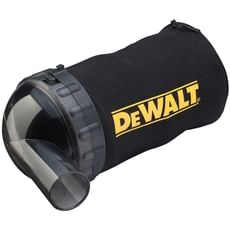
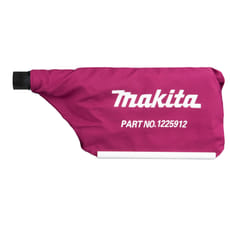
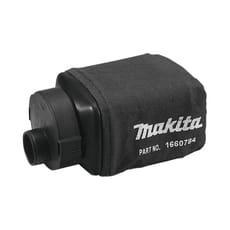
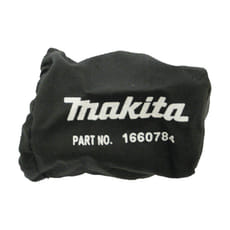

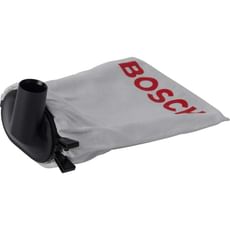
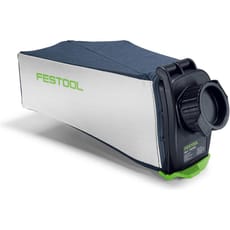
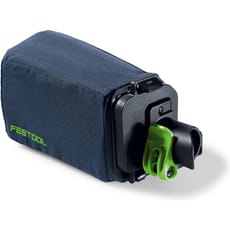
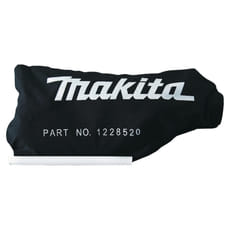
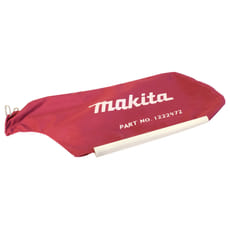
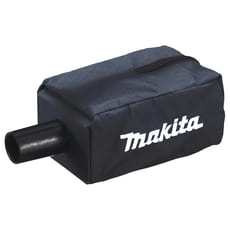
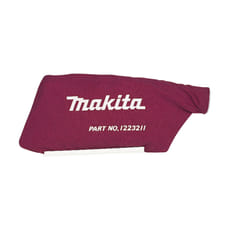
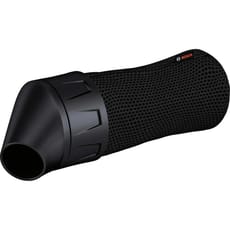
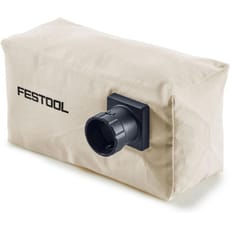
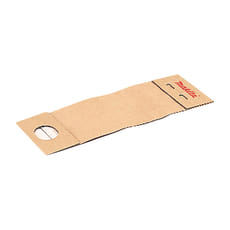
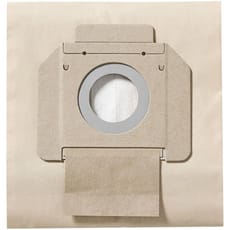
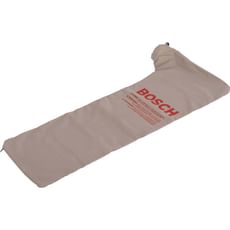
 Loading...
End of content
Error - No more pages to load
About Dustbags
Dustbags are essential accessories for power tools, designed to collect dust, wood shavings, and debris generated during cutting, sanding, planing, and routing operations. By capturing waste material at the source, these purpose-built bags help maintain a cleaner working environment, improve visibility during precision work, and significantly reduce airborne dust particles that can be harmful when inhaled. Whether you're working in a workshop or on site, a quality dustbag is fundamental to professional practice and complying with health and safety regulations.
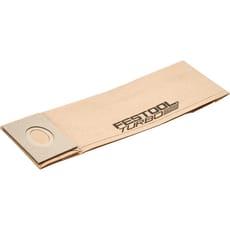
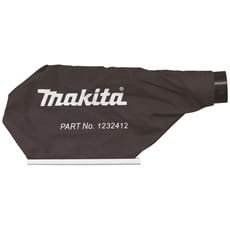
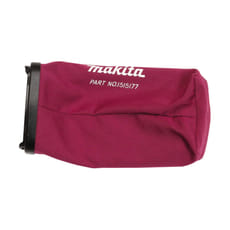
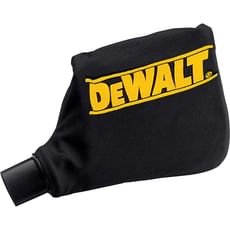
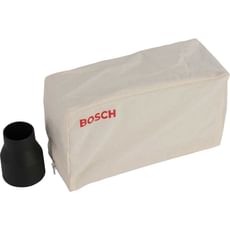
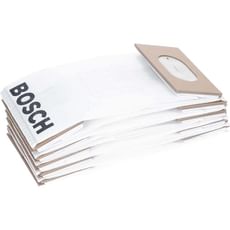
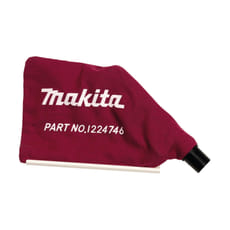
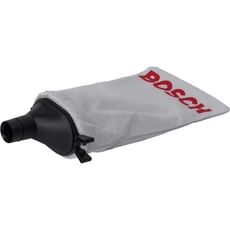
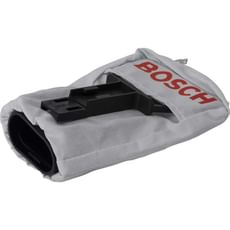
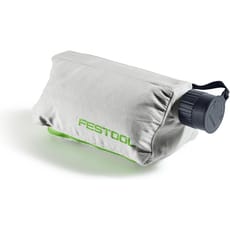
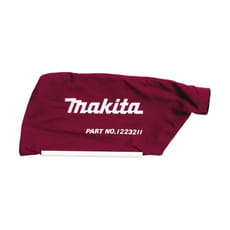
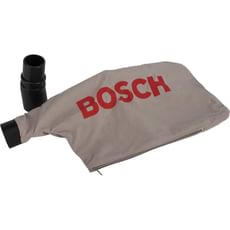
The comprehensive range available at Tooled-Up.com includes models specifically designed for sanders, mitre saws, circular saws, planers, biscuit jointers, routers, and table saws from leading manufacturers including Bosch Professional, Makita, Festool, and DeWalt. These aren't universal one-size-fits-all solutions – each dustbag is precisely engineered to fit particular tool models, ensuring optimal suction and collection efficiency. Available in both cloth and paper constructions, these accessories feature secure attachment mechanisms and generous capacities to minimise emptying frequency during extended work sessions.
Professional tradespeople understand that dust extraction isn't just about tidiness – it's a critical health and safety consideration regulated by COSHH and HSE guidelines. Wood dust, in particular, is classified as a carcinogen, whilst MDF and other composite materials produce fine particles that can cause respiratory problems over time. Investing in proper dustbags for your power tools demonstrates professional standards, protects your health, and creates a safer working environment for everyone on site.
Jargon Buster
- Microfiltration: Advanced filtration technology that captures extremely fine dust particles, typically down to 1 micron or smaller, preventing them from being released back into the air during collection.
- COSHH Compliance: Adherence to the Control of Substances Hazardous to Health regulations, which require appropriate dust control measures when working with wood and other materials that produce hazardous dust.
- Tool-Specific Adaptor: A connector piece that allows a dustbag to fit securely onto a particular power tool model, ensuring an airtight seal for maximum extraction efficiency.
- Cloth vs Paper Bags: Cloth dustbags are reusable, washable, and more durable, ideal for coarse materials and repeated use. Paper bags are disposable, better for very fine dust, and more hygienic when dealing with hazardous materials.
- Collection Capacity: The volume of dust and debris a bag can hold before requiring emptying, typically measured in litres. Larger capacities reduce work interruptions but increase weight when full.
- Quick-Release Mechanism: A fastening system that allows rapid attachment and removal of the dustbag from the power tool without requiring tools or complex procedures.
Who Uses Dustbags?
Dustbags are essential accessories for a wide range of trades and users:
- Carpenters and joiners – using them with circular saws, planers, biscuit jointers, and routers during timber preparation and joinery work
- Kitchen and bedroom fitters – maintaining clean installation environments when cutting and finishing cabinetry on site
- Shopfitters and commercial contractors – keeping retail and office spaces clean during fit-out work
- Flooring specialists – controlling dust when trimming skirting boards and door frames
- Furniture makers – essential for workshop cleanliness and protecting finished surfaces from dust contamination
- Decking and fencing contractors – managing wood dust during outdoor carpentry projects
- General builders – using with various power tools across mixed trade applications
- Serious DIY enthusiasts – maintaining home workshop standards and protecting domestic environments
- Property maintenance professionals – keeping disruption minimal during repair and renovation work
How to Choose the Right Dustbags
Tool Compatibility: The most critical factor is ensuring the dustbag is designed specifically for your power tool model. Check manufacturer part numbers and compatibility lists carefully – Bosch dustbags fit Bosch tools, Makita bags fit Makita equipment, and so on. Universal bags rarely provide the secure fit needed for effective dust collection.
Material Construction: Cloth dustbags offer durability and can be emptied and reused multiple times, making them economical for regular users working with wood shavings and coarser debris. Paper dustbags are ideal when working with very fine dust particles or hazardous materials like MDF, as they can be disposed of hygienically without releasing captured particles during emptying.
Capacity Requirements: Consider the scale of your typical projects. Larger capacity bags reduce the frequency of emptying during extended work sessions but become heavier and more cumbersome when full. Smaller bags are lighter and more manageable but require more frequent attention.
Filtration Level: If you regularly work with materials that produce fine dust particles, look for dustbags with enhanced filtration properties. Some models feature multiple layers or special fabrics that capture smaller particles more effectively, providing better protection against airborne dust.
Attachment Method: Quick-release systems and secure fastenings ensure the dustbag stays firmly attached during operation whilst allowing easy removal for emptying. Check that replacement bags include any necessary adaptors or mounting brackets.
Brand Quality: Genuine manufacturer dustbags from Bosch, Makita, Festool, and DeWalt are engineered to exact specifications for their tools, ensuring optimal performance. Browse the selection at Tooled-Up.com where original equipment from leading brands provides the best fit and collection efficiency.
Popular Accessories
Enhance your dust collection system with these complementary products:
- Vacuum Dust Extractors: For superior dust control, upgrade from bags to dedicated extraction units from Festool, Makita, or DeWalt with HEPA filtration
- Extraction Hoses: Connect power tools to vacuum extractors with flexible hoses in various diameters and lengths
- Universal Adaptors: Allow connection between different diameter ports and extraction equipment
- Dust Masks and Respirators: Essential PPE even when using dustbags, providing additional respiratory protection
- Replacement Filter Cartridges: For tools with integrated filtration systems requiring periodic filter changes
- Tool Storage Cases: Keep dustbags with their corresponding tools in organised storage systems from Makita MakPac, DeWalt TSTAK, or Milwaukee PACKOUT
- Workshop Vacuum Cleaners: Heavy-duty wet and dry vacuums for general workshop cleaning and dust management
Safety Information
Health Hazards: Wood dust is classified as a carcinogen under COSHH regulations, with hardwood dust posing particular risks. Regular exposure to fine dust particles can cause occupational asthma, dermatitis, and nasal cancer. MDF contains formaldehyde and produces extremely fine particles that penetrate deep into the lungs. Always use appropriate dust control measures and PPE.
HSE Requirements: The Health and Safety Executive mandates that employers must control exposure to wood dust to below the Workplace Exposure Limit (WEL) of 5mg/m³ for softwood and 3mg/m³ for hardwood. Adequate dust extraction is essential for compliance, not optional.
Maintenance and Emptying: Empty dustbags outdoors whenever possible to prevent dust re-entering your workspace. Wear a suitable dust mask during emptying, particularly when disposing of fine dust or hazardous materials. Cloth bags should be cleaned regularly to maintain extraction efficiency.
Fire Prevention: Be aware that fine dust particles, particularly from certain hardwoods and MDF, can be combustible. Avoid emptying dustbags near ignition sources and ensure proper disposal of accumulated dust. Never use damaged dustbags that could allow dust to contact the tool's motor.
Combined Protection: Remember that dustbags capture only a portion of generated dust. They should be used alongside other control measures including adequate ventilation, respiratory PPE, and where possible, connection to a dedicated dust extraction system for comprehensive protection.
Frequently Asked Questions
Can I use a generic dustbag instead of the manufacturer's original?
Whilst universal dustbags exist, tool-specific bags from Bosch, Makita, DeWalt, and Festool are engineered for precise fitment and optimal performance on their respective tools. Generic alternatives rarely provide the secure seal needed for effective dust collection and may detach during use, creating hazards and reducing protection.
How often should I empty or replace my dustbag?
Empty dustbags when they reach approximately two-thirds capacity to maintain suction efficiency. Overfilled bags reduce collection performance and strain the tool's motor. Cloth bags can be reused many times with regular cleaning, whilst paper bags should be replaced when full or if they become torn or damaged.
Are dustbags sufficient for COSHH compliance, or do I need a vacuum extractor?
For occasional light-duty work, dustbags provide basic dust control. However, for regular professional use, particularly with hardwoods or MDF, HSE guidance strongly recommends connecting power tools to proper vacuum extractors with H-class filtration. Dustbags should be viewed as a minimum standard rather than comprehensive protection.
Can I wash and reuse cloth dustbags?
Yes, cloth dustbags are designed to be emptied and reused multiple times. Shake them out thoroughly outdoors whilst wearing a dust mask, and periodically wash them according to the manufacturer's instructions to remove embedded fine particles. Ensure they're completely dry before reattaching to prevent moisture-related issues.
Why doesn't my dustbag collect all the dust my tool produces?
No dustbag system captures 100% of generated dust – some will always escape around the cutting area or through the bag's fabric. For maximum collection efficiency, ensure the bag is correctly fitted, not overfilled, and in good condition. For superior dust control, consider upgrading to a dedicated dust extraction system with a sealed connection to your power tool.