

Earth Rammers
Pay in 3 interest-free payments on purchases from £30-2000 with  . Learn more.
 Loading...
End of content
Error - No more pages to load
About Earth Rammers
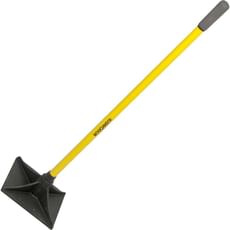
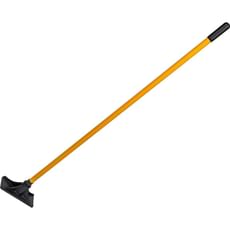
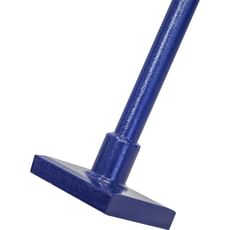
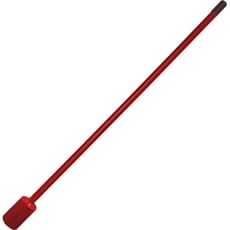
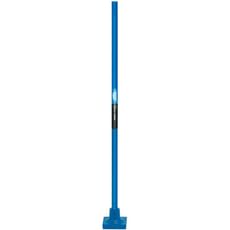
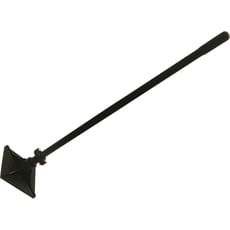
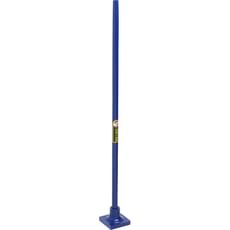
Earth rammers, also known as tampers or punners, are essential manual tools designed for compacting soil, gravel, hardcore, and other loose materials in preparation for construction, landscaping, and groundwork projects. These robust implements feature a flat, weighted head mounted on a sturdy handle, allowing users to apply concentrated downward force to compact materials effectively. Whether you're setting fence posts, laying patios, filling trenches, or preparing sub-bases, a quality earth rammer ensures proper material consolidation for long-lasting, stable results.
Tooled-Up.com stocks a comprehensive range including traditional post rammers with round or square heads ideal for fencing work, trenching tampers designed for narrow excavations, and general-purpose earth rammers suitable for broader ground preparation tasks. Available with various handle materials including fibreglass, metal, and timber, these tools offer different benefits in terms of weight, durability, and shock absorption. The selection features trusted brands including Roughneck, Bulldog, Faithfull, and Draper, each offering professional-grade construction to withstand the demanding nature of site work.
Unlike powered plate compactors or vibrating tampers, manual earth rammers provide precise control in confined spaces, require no fuel or electricity, and offer excellent value for smaller jobs or locations where powered equipment isn't practical. They're particularly valuable for tradespeople who need reliable, low-maintenance tools that deliver consistent results without the complexity of mechanical alternatives.
Jargon Buster
- Tamper
- Another term for an earth rammer, referring to the action of tamping or compacting loose materials by repeated striking. Often used interchangeably with rammer or punner.
- Punner
- A type of earth rammer with a flat or slightly convex head, particularly popular for compacting materials around fence posts and in tight spaces where precision is required.
- Trenching Tamper
- A specialist rammer with a narrower, elongated head designed specifically for compacting material in narrow trenches and excavations where standard rammers won't fit.
- Anti-Shock Handle
- Handle construction incorporating vibration-dampening materials or design features that reduce the impact forces transmitted to the user's hands, wrists, and arms during repeated use.
- Sub-Base Preparation
- The process of compacting the foundation layer beneath paving, concrete, or other permanent surfaces to prevent settlement and ensure long-term stability.
- Hardcore
- Crushed stone, brick, or concrete aggregate commonly used as a base layer in construction that requires proper compaction with tools like earth rammers before subsequent layers are added.
Who Uses Earth Rammers?
Earth rammers are essential tools for a diverse range of trades and users, including:
- Groundworkers and landscapers preparing sites for patios, pathways, and driveways
- Fencing contractors securing posts and compacting backfill around fence installations
- Builders and construction workers performing sub-base preparation and trench filling
- Utilities tradespeople compacting excavations after installing pipes and cables
- Highways maintenance crews repairing road surfaces and compacting tarmac patches
- Groundskeepers and estate managers maintaining paths, bridleways, and outdoor facilities
- DIY enthusiasts undertaking garden projects, shed bases, and home improvement work
- Agricultural workers preparing ground for gates, fencing, and farm infrastructure
How to Choose the Right Earth Rammers
Selecting the appropriate earth rammer depends on several key factors:
Head Type and Size
Round-headed rammers suit general-purpose compaction and post work, whilst square or rectangular heads provide better coverage for larger areas. Trenching tampers feature narrow heads (typically 100-150mm) for confined spaces, whereas standard rammers range from 150-250mm for broader applications.
Handle Material
Fibreglass handles offer excellent shock absorption and durability without the weight of steel, making them popular for extended use. Metal shaft rammers provide maximum durability and are often favoured for heavy-duty commercial work. Timber handles are traditional, economical, and readily replaceable if damaged.
Weight and Head Mass
Heavier rammers (10-15kg) deliver greater compaction force per strike but require more effort to lift repeatedly. Lighter models (6-10kg) reduce user fatigue on longer jobs whilst still providing adequate compaction for most applications. Consider the materials you'll be compacting and the duration of typical jobs.
Anti-Shock Features
For regular professional use, anti-shock or vibration-dampening handles significantly reduce strain and potential repetitive strain injuries. Roughneck's anti-shock tampers available from Tooled-Up incorporate specialised handle construction that absorbs impact forces effectively.
Application Specificity
Post rammers and punners suit fencing and precise post-setting work, tarmac tampers feature designs optimised for asphalt repairs, whilst general earth rammers handle diverse groundwork tasks. Match the tool to your primary application for best results.
Popular Accessories
- Spirit levels and post levels for ensuring vertical alignment when setting posts
- Spades and shovels for excavation and material placement before compaction
- Wheelbarrows for transporting hardcore, gravel, and other materials to work areas
- Work gloves providing grip and protection during prolonged tamping work
- Safety boots with steel toecaps and penetration-resistant soles for site work
- Measuring tapes and marking spray for accurate site preparation and layout
- Rakes and brushes for levelling materials before and after compaction
- Replacement handles for maintaining and extending the life of your rammer
Safety Information
Whilst earth rammers are relatively straightforward tools, proper use is essential for safety and effectiveness:
Personal Protective Equipment
Always wear appropriate safety footwear with steel toecaps and penetration-resistant soles to protect against dropped tools or sharp materials. Safety gloves improve grip and reduce vibration transmission, whilst high-visibility workwear is essential on construction sites and roadside locations.
Proper Technique
Maintain a stable, balanced stance with feet shoulder-width apart. Lift the rammer using your legs rather than your back, and allow the tool's weight to do the work on the downward stroke. Avoid over-extending or working in awkward positions that could cause strain injuries.
Repetitive Strain Prevention
Take regular breaks during extended tamping work to prevent muscle fatigue and repetitive strain injuries. Consider tools with anti-shock handles for frequent use, and rotate tasks where possible to vary physical demands in accordance with HSE guidelines.
Site Awareness
Be mindful of underground services before commencing excavation or compaction work. Check for buried cables, pipes, and utilities, and ensure adequate clearance from excavation edges to prevent collapses.
Frequently Asked Questions
What's the difference between a post rammer and a general earth rammer?
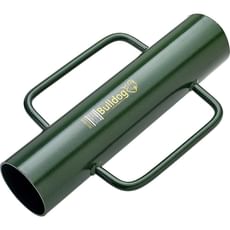
Post rammers typically feature round or square heads sized specifically for compacting material around fence posts in augered or dug holes, usually with smaller head diameters (100-150mm). General earth rammers have larger, flat heads designed for compacting broader areas of soil, hardcore, or sub-base material. Post rammers offer greater precision in confined spaces, whilst earth rammers cover more ground with each strike.
Can I use an earth rammer for tarmac repairs?
Yes, though specialist tarmac tampers are optimised for this purpose with flat, smooth heads that won't damage the asphalt surface. Standard earth rammers can compact cold-lay tarmac for small repairs, but ensure the head is clean and flat. For professional road repair work, dedicated tarmac tampers like the Draper Expert model provide better results and surface finish.
How much compaction should I do before laying paving?
Proper sub-base preparation typically requires compacting in layers no more than 50-75mm thick, tamping each layer thoroughly until no further settlement occurs. The material should feel solid underfoot with no give or movement. For patio and driveway bases, you may need to compact several layers of hardcore or Type 1 MOT aggregate, testing firmness regularly. Over-compaction is rarely an issue with manual rammers, but inadequate compaction leads to settlement and failure.
Are fibreglass handles better than metal for earth rammers?
Fibreglass handles offer superior shock absorption, reducing vibration and strain on your hands and arms during extended use. They're also lighter than steel whilst maintaining excellent durability and weather resistance. Metal handles provide maximum strength and longevity for heavy-duty commercial applications but transmit more impact force to the user. For regular professional use, fibreglass handles with anti-shock features offer the best balance of performance and user comfort.
Do I need a powered compactor or will a manual rammer suffice?
Manual earth rammers are ideal for smaller areas, confined spaces, trench work, and jobs where power sources aren't available. They're cost-effective, require no maintenance beyond handle replacement, and provide excellent control. Powered plate compactors become more efficient for large areas (over 10-15 square metres) or very deep bases requiring extensive compaction. Many professionals keep both, using manual rammers for precision work and powered equipment for larger-scale groundwork.