

Electrical Lockout Equipment
Pay in 3 interest-free payments on purchases from £30-2000 with  . Learn more.






 Loading...
End of content
Error - No more pages to load
About Electrical Lockout Equipment
Electrical lockout equipment is essential safety gear designed to prevent the accidental or unauthorised energisation of electrical circuits during maintenance, repair, or servicing work. These devices form a critical part of lockout/tagout (LOTO) procedures, which are required under HSE regulations to protect workers from electrical hazards such as electrocution, arc flash injuries, and burns. By physically isolating energy sources and clearly indicating that equipment is under maintenance, lockout devices help prevent potentially fatal accidents on site.
The electrical lockout range at Tooled-Up.com includes circuit breaker lockouts, lockout hasps, safety padlocks, lockout tags, and comprehensive lockout stations. Available from trusted manufacturers including Master Lock, Abus, Sealey, and Draper, these products are designed to accommodate various electrical isolation points, from miniature circuit breakers (MCBs) to large industrial switchgear. Whether working on 240v domestic installations or three-phase industrial systems, proper lockout equipment ensures circuits remain safely isolated whilst work is in progress.
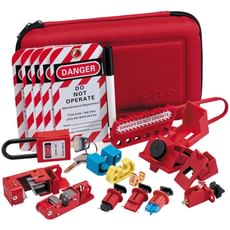
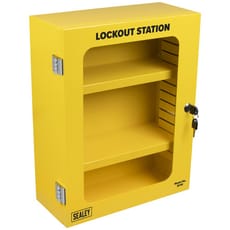
Electrical lockout devices work alongside proper isolation procedures to create a visible, physical barrier that prevents circuits from being re-energised during maintenance activities. Many products feature bright red colouring and clear warning labels to ensure maximum visibility, whilst durable construction materials—including corrosion-protected steel and robust aluminium—ensure reliability in demanding industrial and commercial environments. Complete electricians safety lockout kits in carry cases provide mobile tradespeople with everything needed for safe isolation work, whilst wall-mounted lockout stations offer organised storage for facilities managing multiple isolation points.
Jargon Buster
- LOTO (Lockout/Tagout) - A safety procedure requiring that dangerous energy sources be isolated and rendered inoperative before maintenance or repair work begins. Physical lockout devices prevent operation, whilst tags provide additional warning information about who locked out the equipment and why.
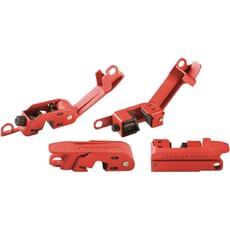
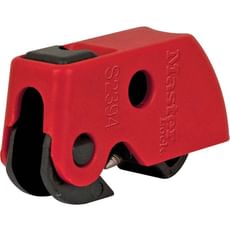
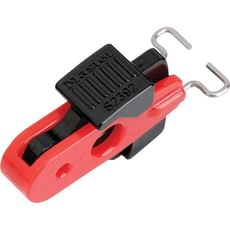
- Circuit Breaker Lockout - A device that fits over a circuit breaker switch to prevent it being turned on. Different designs accommodate various breaker sizes and styles, including universal mini lockouts for standard MCBs, pin-in models that insert into breaker switches, and grip-tight devices for larger industrial breakers.
- Lockout Hasp - A steel or aluminium device with multiple holes allowing several padlocks to be attached simultaneously, enabling group lockout where multiple tradespeople are working on the same electrical system. High-quality hasps accept up to six padlocks for complex multi-person isolation scenarios.
- Keyed-Different Padlocks - Lockout padlocks where each unit has a unique key, ensuring individual accountability. Each worker carries only the key to their own personal padlock, preventing anyone else from removing their lock and re-energising equipment whilst they're still working.
- Group Lockout - A procedure where multiple workers each apply their own personal padlock to a lockout hasp, ensuring the circuit cannot be re-energised until every person has removed their lock and completed their work safely.
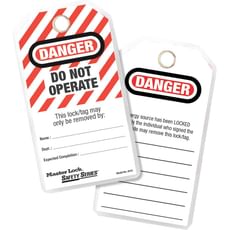
- Danger Tags - Warning labels attached to lockout devices displaying critical information such as "Danger Do Not Operate," the worker's name, date, and reason for lockout, providing clear communication to all site personnel about why equipment is isolated.
Who Uses Electrical Lockout Equipment?
Electrical lockout equipment is essential for various trades and industries where electrical isolation is required:
- Electricians and Electrical Contractors - Sparkies working on commercial and industrial installations use lockout devices daily to ensure safe isolation during maintenance and repair work on 240v systems and industrial switchgear
- Maintenance Engineers - Multi-skilled engineers in manufacturing, facilities management, and industrial settings who perform electrical and mechanical maintenance on production machinery and building services
- Health and Safety Officers - Professionals responsible for implementing and monitoring LOTO procedures across their organisations, ensuring compliance with HSE regulations
- Factory and Plant Operators - Maintenance teams in production facilities where machinery must be safely isolated before servicing to prevent injuries and comply with Electricity at Work Regulations
- Facilities Managers - Those responsible for building services maintenance in commercial premises, hospitals, schools, and public buildings where electrical work must be carried out safely
- Construction Site Managers - Site personnel overseeing electrical installation and maintenance work on construction projects, ensuring contractors follow proper isolation procedures
- Building Services Engineers - Professionals maintaining HVAC systems, lighting circuits, and power distribution systems in commercial and industrial buildings
- Renewable Energy Technicians - Workers servicing solar panel installations, battery storage systems, and other renewable energy systems requiring safe electrical isolation
How to Choose the Right Electrical Lockout Equipment
Circuit Breaker Compatibility: Different circuit breakers require specific lockout devices. Miniature circuit breakers (MCBs) typically use universal mini lockouts or pin-in devices, whilst larger breakers may need grip-tight models. Measure your breaker dimensions and check compatibility specifications before purchasing to ensure a secure fit.
Single or Group Lockout: If working alone, individual padlocks and lockout devices may suffice. For sites where multiple tradespeople work on the same circuit, invest in lockout hasps that accommodate multiple padlocks simultaneously—typically accepting between four and six locks—ensuring everyone's safety through proper group lockout procedures.
Complete Kits vs Individual Items: Electricians safety lockout kits in carry cases, such as the Draper kit available at Tooled-Up.com, provide everything needed in one package—ideal for mobile electricians and contractors. Alternatively, build a custom solution with individual components suited to your specific requirements, or install a wall-mounted lockout station for fixed workshop locations.
Padlock Security and Features: Choose lockout padlocks with keyed-different cylinders so each worker has a unique key, ensuring individual accountability. Non-conductive padlock bodies provide additional protection when working near live parts. Ensure padlocks meet relevant security standards and feature adequate shackle clearance for your application—typically 6mm to 8mm shackle diameters work with most lockout devices.
Durability and Environment: Consider where equipment will be used. Industrial environments may require heavy-duty steel hasps with corrosion protection, whilst lighter aluminium options suit less demanding applications. Check temperature ratings and corrosion resistance for outdoor installations or harsh environments where moisture and chemicals are present.
Compliance and Standards: Ensure equipment meets HSE requirements and relevant BS EN standards for lockout devices. Look for products from established manufacturers like Master Lock, Abus, Sealey, and Draper, whose lockout equipment is designed to meet UK safety regulations and withstand rigorous industrial use.
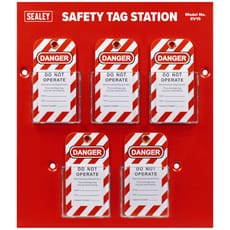
Organisation and Storage: For facilities managing multiple lockout points, invest in wall-mounted lockout stations or cabinets to keep equipment organised, accessible, and accounted for. Dedicated tag stations help maintain proper documentation of isolation procedures, supporting compliance with your organisation's LOTO policy.
Popular Accessories
- Lockout Tags - Essential for documenting who locked out the circuit, when, and why; various types include "Danger Do Not Operate" tags and customisable warning labels
- Lockout Cables - Flexible cables that can secure oddly-shaped switches, valves, or multiple isolation points with a single device; typically accommodate multiple padlocks
- Additional Padlocks - Extra keyed-different lockout padlocks in distinctive colours for new employees, replacement units, or expanding your lockout system
- Wall-Mounted Lockout Stations - Centralised storage cabinets or boards for organising all lockout equipment in an accessible location, ensuring equipment is always available when needed
- Tag Stations - Wall-mounted holders specifically for lockout tags and documentation, keeping paperwork organised and readily accessible
- Voltage Testers and Proving Units - Essential for confirming circuits are dead before commencing work; two-pole voltage testers suitable for 240v testing with proving units to verify tester functionality
- Personal Protective Equipment - Arc-rated gloves, safety glasses, and insulated tools for electrical work, providing additional protection during isolation procedures
- Warning Signs and Barriers - Additional visual warnings such as "Electrician at Work" signs and barrier tape to prevent others approaching isolated equipment
- Lockout Station Accessories - Spare hooks, labels, and organisers for customising lockout stations to your specific requirements
Safety Information
Electrical lockout equipment is critical for preventing electrocution, arc flash injuries, and fatalities. The HSE reports that electrical accidents cause numerous serious injuries annually in the UK, many of which are preventable through proper lockout procedures and appropriate use of isolation devices.
Always Follow Proper Isolation Procedures: Simply switching off is not sufficient. Follow your organisation's LOTO procedures, which should include: identifying all energy sources, notifying affected personnel, shutting down equipment properly, isolating energy sources, applying lockout devices, dissipating stored energy, and testing to verify isolation with appropriate voltage testing equipment. Confirm circuits are dead before commencing work.
Never Remove Another Person's Lock: Each worker must apply their own personal padlock and only they should remove it upon completing their work. This fundamental rule prevents someone from re-energising a circuit whilst another person is still working. Removing another worker's lock violates basic LOTO principles and creates serious danger.
Regular Inspection and Maintenance: Check lockout equipment regularly for damage, wear, or deterioration. Replace damaged items immediately, as compromised lockout devices may fail when needed most. Inspect padlock mechanisms, hasp integrity, and cable condition as part of routine tool inspections.
Training is Essential: Ensure all personnel using lockout equipment receive proper training on your organisation's LOTO procedures, understand the equipment's correct application, and recognise the serious consequences of non-compliance. The HSE's Electricity at Work Regulations 1989 requires competent persons to work on or near electrical systems, and competence includes understanding proper isolation procedures.
Documentation and Communication: Always use lockout tags to document isolation work. Clear communication prevents confusion and ensures everyone on site understands that equipment is locked out for safety reasons. Tags should include the worker's name, date, time, and reason for lockout, providing an audit trail for safety management.
Frequently Asked Questions
What's the difference between lockout and tagout?
Lockout involves physically securing an isolation point with a lock to prevent operation, whilst tagout uses warning tags to indicate equipment should not be operated. UK HSE guidance emphasises that tags alone are not sufficient protection—physical lockout devices must be used as the primary safeguard, with tags providing supplementary information about who locked out the equipment and why. Tags support communication but cannot physically prevent re-energisation like locks can.
Can I use a standard padlock for electrical lockout?
Whilst standard padlocks can physically work, dedicated lockout padlocks are specifically designed for LOTO procedures. They feature non-conductive bodies for additional safety, are available in highly visible colours (typically red) for easy identification, offer keyed-different options for individual accountability, and are built to withstand industrial environments. For proper HSE compliance and maximum safety, always use purpose-designed lockout padlocks rather than general-purpose locks.
How many lockout devices do I need for my business?
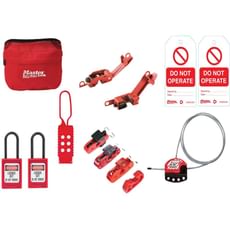
This depends on your number of electrical isolation points, how many people may work on systems simultaneously, and whether work occurs at multiple locations. At minimum, each person who may perform electrical work needs their own personal padlock with a unique key. Stock sufficient circuit breaker lockouts for your switchgear configurations, plus lockout hasps for group lockout scenarios. Many businesses start with a comprehensive lockout kit—such as the Master Lock 13 Piece kit—and expand with additional components as their isolation requirements grow.
Do I legally need lockout equipment in the UK?
The Electricity at Work Regulations 1989 require that electrical systems be made dead before work begins, unless working live is absolutely necessary and appropriate precautions are taken. Whilst the regulations don't specifically mandate lockout devices by name, they require adequate precautions to prevent electrical danger, and lockout equipment represents industry best practice for achieving this. HSE guidance strongly recommends lockout procedures as an effective control measure, and most insurance and compliance audits expect proper lockout systems to be in place.
What size circuit breaker lockout do I need?
Circuit breakers vary considerably in size and design between manufacturers and applications. Measure your specific breakers or check their specifications before purchasing. Universal mini circuit breaker lockouts fit most common MCBs found in UK distribution boards—typically those protecting 240v final circuits. Larger breakers on three-phase systems or main isolators may require grip-tight or pin-in devices designed for specific breaker styles. When in doubt, comprehensive lockout kits often include multiple sizes to cover various applications, ensuring you have the right device for different isolation scenarios.