
Electrical

Pay in 3 interest-free payments on purchases from £20-£3000 with  . Learn more.



Loading...
End of content
Error - No more pages to load
About Electrical
Whether you're a qualified electrician working on a commercial installation, a site manager overseeing multiple trades, or a DIY enthusiast tackling home improvements, having the right electrical equipment and accessories is essential for safe, efficient, and compliant work. The electrical category at Tooled-Up.com brings together everything you need to power, protect, and organise electrical systems across domestic, commercial, and industrial settings.
From heavy-duty cable extension reels and site transformers that deliver reliable power to remote work areas, through to the smaller but equally important components like plugs, fuses, and cable ties that keep installations neat and safe, this comprehensive range covers all aspects of electrical distribution and management. Tooled-Up stocks trusted brands that meet rigorous UK electrical standards, ensuring your work complies with BS 7671 wiring regulations and keeps you on the right side of HSE requirements.
The electrical range is organised into specialist subcategories covering power distribution, cable management, timing controls, and protective devices. Whether you need a 110V site transformer for construction work, RCD adaptors for additional safety protection, or professional cable management solutions to keep installations tidy and traceable, you'll find quality products designed to withstand the demanding conditions of professional trade use whilst remaining accessible for competent DIY work.
Jargon Buster
- RCD (Residual Current Device) – A life-saving safety device that instantly cuts power when it detects an earth leakage fault, preventing electric shock. Essential for outdoor power tools and wet environments. UK regulations require 30mA sensitivity RCDs for socket outlets.
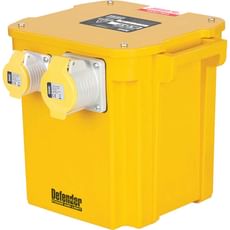
- Site Transformer – A step-down transformer that converts 240V mains supply to safer 110V centre-tapped supply (55V to earth), commonly used on construction sites to reduce the risk of serious electric shock from power tools and temporary lighting.
- IP Rating – Ingress Protection rating indicating how well electrical equipment is protected against dust and water. For example, IP44 is splash-proof (suitable for outdoor use), whilst IP67 offers temporary water immersion protection.
- MCB (Miniature Circuit Breaker) – An automatic switch that protects electrical circuits from overload or short circuit by interrupting the current flow. Unlike fuses, MCBs can be reset rather than replaced.
- Cable CSA (Cross-Sectional Area) – The measurement of a cable's conductor thickness in mm², which determines its current-carrying capacity. Common sizes include 1.5mm² for lighting circuits and 2.5mm² for socket circuits in domestic installations.
- BS 7671 – The UK national standard for electrical installation, also known as the IET Wiring Regulations. Compliance with BS 7671 is essential for safe and legal electrical work in the UK.
Who Uses Electrical?
- Electricians and electrical contractors – for installation work, testing, and maintenance across domestic, commercial, and industrial projects
- Construction workers and site managers – requiring temporary power distribution and 110V transformer systems for safe site operation
- Maintenance engineers and facilities managers – managing electrical infrastructure in commercial buildings, factories, and public facilities
- Plumbers and heating engineers – needing electrical supplies for boiler installations, heating controls, and pump connections
- Carpenters and joiners – using extension leads and power distribution for tools on site
- Event technicians and AV installers – requiring cable management, power distribution, and extension solutions for temporary installations
- Agricultural and rural workers – needing robust outdoor-rated electrical equipment for barns, workshops, and field work
- DIY enthusiasts and homeowners – undertaking permitted electrical work and seeking quality accessories for home improvements
How to Choose the Right Electrical
Voltage requirements: Determine whether you need 240V standard mains equipment for indoor and permanent installations, or 110V site equipment for construction and outdoor work. Site transformers are essential for converting between voltages safely on construction sites where 110V is the HSE-recommended standard.
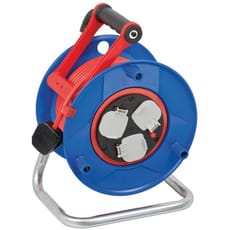
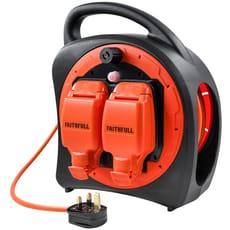
Current rating and capacity: Calculate the total load you'll be powering to select appropriately rated equipment. Check the amp rating of extension reels, RCDs, and transformers matches or exceeds your requirements. Remember that wound-up cable extension reels have reduced current capacity and can overheat – always fully unwind cables under heavy load.
Cable length and gauge: Choose extension leads and cable reels with sufficient length for your work area, but avoid excessive length which increases voltage drop. Ensure cable cross-sectional area (CSA) is adequate for the current draw – undersized cables can overheat and create fire hazards.
Environmental protection: Consider the IP rating required for your working environment. Outdoor work requires minimum IP44 rating for splash protection, whilst wet or dusty environments may need IP65 or higher. Site transformers and outdoor sockets should be weatherproof and suitable for the conditions.
Safety features: Look for built-in RCD protection on extension reels and adaptors, especially for outdoor use or with handheld power tools. Thermal cut-out protection prevents overheating on cable reels. Ensure all products meet current UK electrical safety standards and carry appropriate certification marks.
Build quality and durability: Professional trade use demands robust construction – look for impact-resistant cases, reinforced cable entry points, and quality connectors. Brands like Brennenstuhl and Masterplug offer reliable options for demanding site conditions.
Popular Accessories
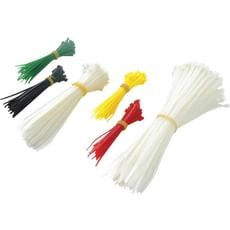
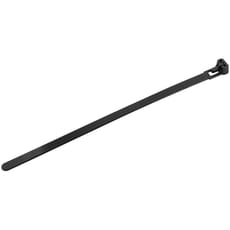
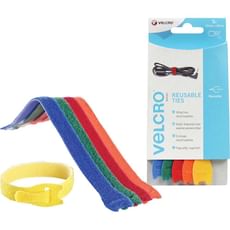
- Cable ties and fixings – for securing and organising cables neatly in installations
- Cable clips and cleats – to route and support cables along walls, joists, and trunking
- Draw tape and cable rods – essential for pulling cables through conduit and cavity walls
- Replacement plugs and fuses – keeping 13A plugs properly fitted with correct-rated fuses (3A, 5A, 13A)
- Plug-in timers – for automating lighting, heating, and other electrical equipment
- Junction boxes and enclosures – for safe cable termination and connection points
- Electrical tape and insulation – for temporary repairs and cable identification
- Extension lead organisers and storage – keeping cables tangle-free and protected when not in use
- Voltage testers and socket checkers – for verifying safe installation and correct wiring
Safety Information
Qualified electrical work: Many electrical tasks legally require completion by a qualified electrician registered with a competent person scheme. Part P of the Building Regulations governs electrical installation work in England and Wales. Always ensure work complies with BS 7671 wiring regulations and local building control requirements.
RCD protection: Use RCD-protected outlets when operating power tools outdoors or in wet conditions. RCDs should be tested regularly using the built-in test button to ensure they trip correctly. Replace any RCD that fails to trip within the required time (typically 40ms at rated current).
Extension lead safety: Never overload extension reels or daisy-chain multiple extensions together. Always fully unwind cable reels when drawing more than 5-6 amps to prevent overheating. Check cables regularly for damage, cuts, or exposed conductors, and replace immediately if compromised.
Site transformer use: Ensure 110V site transformers are properly rated for the total connected load. Position transformers in well-ventilated areas away from water and combustible materials. Never attempt to modify or repair transformers – this must be carried out by qualified electrical engineers.
Regular inspection: Implement a PAT (Portable Appliance Testing) regime for all portable electrical equipment used in commercial or site environments. Visual inspection before each use can prevent many electrical accidents. Look for damaged cables, loose connections, cracked cases, and missing earth pins.
Frequently Asked Questions
Why is 110V used on construction sites instead of 240V?
UK construction sites use 110V centre-tapped transformers (delivering 55V to earth) because this significantly reduces the severity of electric shock compared to 240V mains. The HSE recommends 110V for portable tools and temporary lighting on sites, as it's below the threshold for causing ventricular fibrillation in most shock scenarios. This safety measure has dramatically reduced fatal electrical accidents in the construction industry.
Do I need an RCD adaptor if my socket already has RCD protection?
Additional RCD protection provides an extra layer of safety, particularly when using power tools in higher-risk environments or when you're unsure whether existing protection is functional. Portable RCD adaptors are especially valuable when working away from your normal premises, at clients' properties, or outdoors where earth quality may be compromised. They're relatively inexpensive insurance against electric shock.
What length extension lead or cable reel should I choose?
Select the shortest practical length that reaches your work area comfortably. Excessive cable length increases voltage drop, which can affect tool performance and efficiency. For most workshop and domestic use, 10-15 metre reels are adequate. Construction sites may require 25-50 metre reels. Remember that longer cables have higher resistance and should be fully unwound under load to prevent overheating.
Can I use outdoor extension leads indoors and vice versa?
Outdoor-rated extension leads (typically IP44 or higher) can safely be used indoors, though they're usually more expensive and bulkier than necessary. However, indoor-rated leads should never be used outdoors as they lack the weather sealing required to prevent water ingress, which creates serious shock and fire hazards. Always check the IP rating and manufacturer's guidance before use in wet or outdoor conditions.
How do I know if my electrical equipment meets UK safety standards?
Look for CE or UKCA marking indicating conformity with UK safety regulations, plus certification from bodies like BSI or BEAB. Reputable brands clearly display compliance with relevant BS or EN standards. Purchase from established UK suppliers like Tooled-Up.com who stock only approved products. Be wary of uncertified imports that may not meet UK electrical safety requirements and could invalidate insurance in the event of an incident.