
Expanding Foam

Pay in 3 interest-free payments on purchases from £20-£3000 with  . Learn more.
Loading...
End of content
Error - No more pages to load
About Expanding Foam
Expanding foam, also known as polyurethane foam or PU foam, is an essential product for professional tradespeople and DIY enthusiasts tackling insulation, filling, and sealing projects. This versatile material is dispensed as a liquid from pressurised canisters and rapidly expands to fill gaps, cavities, and voids before curing into rigid, insulating foam. Tooled-Up.com stocks both hand-held aerosol foams for quick, occasional applications and professional gun-grade foams that offer precision control and minimal wastage for frequent users.
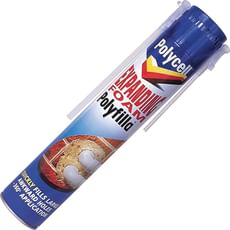
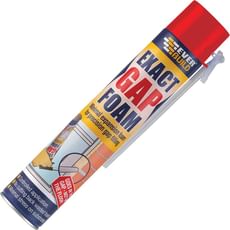
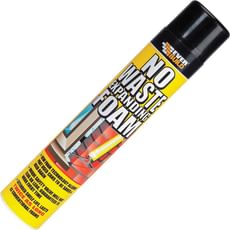
The expanding foam category features trusted brands including Everbuild, Fischer, Polycell, Ronseal, Draper, and Sealey, providing solutions for everything from general gap filling to specialised thermal insulation. Products are available in different expansion rates and formulations – high-expansion foams efficiently fill large voids in masonry or timber, whilst low-expansion precision foams are ideal for fitting door frames and windows where excessive pressure could cause distortion. The range at Tooled-Up also includes essential accessories such as applicator guns, replacement nozzles, and specialist foam cleaners to maintain equipment and ensure professional results.
Modern expanding foams cure to provide excellent thermal and acoustic insulation properties whilst remaining easy to trim, cut, and finish once set. Most products are ready for overpainting, plastering, or rendering, making them suitable for both structural applications and cosmetic repairs around the home or on site. When properly protected from UV light, cured foam delivers long-lasting performance in both internal and external environments.
Jargon Buster
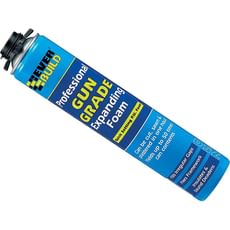
- Gun-Grade Foam: Professional expanding foam designed for use with a foam applicator gun, offering precise control and allowing the flow to be stopped and started throughout the day without wastage. The canister screws directly onto the gun mechanism for repeated use.
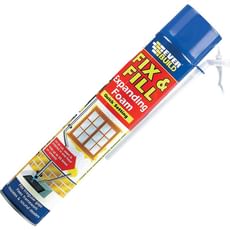
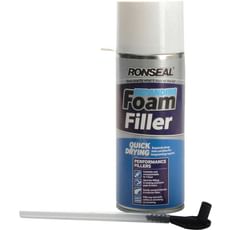
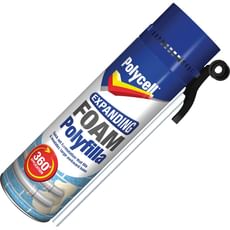
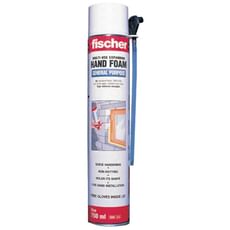
- Hand-Held or Aerosol Foam: Foam supplied with a single-use straw applicator attached to the canister. Once started, the entire can must typically be used in one session, making it ideal for smaller, one-off jobs.
- Expansion Rate: The degree to which foam increases in volume from its liquid state. Low-expansion foams (around 25-50% expansion) suit precision work like window fitting, whilst high-expansion foams can increase several times in volume for filling large cavities and voids.
- Curing Time: The period required for foam to fully harden and reach its final strength. Surface-dry times typically range from 20-60 minutes, with full curing taking 12-24 hours depending on temperature and humidity conditions.
- Fire-Rated Foam: Specialist expanding foam formulated to provide fire resistance, tested to British and European standards (BS and EN) for use around fire doors, service penetrations, and other applications requiring fire protection and compartmentation.
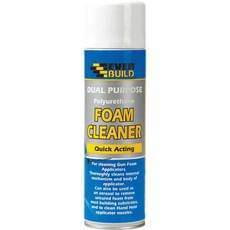
- Dual-Purpose Foam Cleaner: Solvent-based cleaner used both to remove uncured foam from tools and surfaces and to clean foam guns between applications, prolonging equipment life and preventing permanent blockages.
Who Uses Expanding Foam?
Expanding foam is an indispensable product across numerous trades and applications:
- Window and Door Fitters: For sealing frames, providing insulation, and ensuring draught-proof installations
- Builders and General Contractors: Gap filling, cavity insulation, securing pipework or conduits, and general construction work
- Plumbers and Heating Engineers: Sealing pipe penetrations through walls, sound-deadening, and securing boiler flues
- Electricians (Sparkies): Filling holes after cable runs and providing fire-stopping around electrical installations
- Roofers: Sealing roof penetrations, filling gaps in soffits and fascias, and improving loft insulation
- Plasterers and Dry-Liners: Fixing plasterboard to uneven walls and filling voids before finishing
- Shopfitters and Carpenters (Chippies): Securing architraves, fixing skirting boards to solid walls, and general void filling
- DIY Enthusiasts and Homeowners: Home insulation projects, draught-proofing, and general property repairs
- Facilities Managers and Maintenance Teams: Ongoing building maintenance, pest-proofing, and energy efficiency improvements
How to Choose the Right Expanding Foam
Selecting the appropriate expanding foam depends on several key factors:
Application Type: Determine whether you need hand-held aerosol foam for occasional, smaller jobs or gun-grade foam for professional, frequent use. Gun-grade systems offer better value for regular users and allow partial use with minimal wastage between applications.
Expansion Rate: Match the foam to your application – low-expansion foams are essential around window and door frames where excessive pressure could distort frames, whilst high-expansion products efficiently fill large cavities, holes, and gaps in masonry or timber structures.
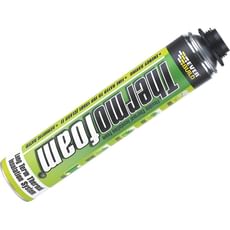
Specialised Formulations: Consider whether you require standard general-purpose foam or a specialist product. Fire-rated foams are essential for fire door installations and maintaining compartmentation in accordance with Building Regulations. Thermal foams like Everbuild Thermofoam offer enhanced insulation properties for energy efficiency projects.
Yield and Coverage: Check the manufacturer's stated yield, typically measured in litres of cured foam per canister. This helps calculate quantities needed for larger projects and ensures cost-effectiveness on site.
Curing and Trimming Time: Fast-curing foams allow quicker project progression but provide less working time for adjustment. Standard foams offer a balance between workability and completion time, typically becoming trimmable within 30-60 minutes.
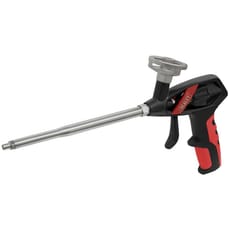
Accessories Required: If choosing gun-grade foam, ensure you have a compatible applicator gun such as the Sealey model available from Tooled-Up. Budget for foam cleaner to maintain your gun between uses, as uncured foam will permanently damage equipment if left to harden in the mechanism.
Popular Accessories
- Foam Applicator Guns: Professional dispensing tools that screw onto gun-grade foam canisters, providing precise control and reusability across multiple projects
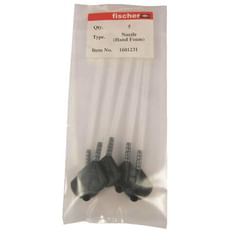
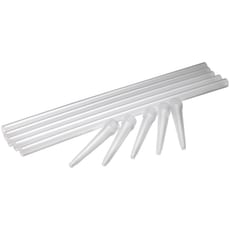
- Replacement Nozzle Sets: Spare nozzles and extensions offering different spray patterns and reach for various applications, including hard-to-reach cavities
- Foam Cleaners: Specialist solvents like Everbuild Dual Purpose Foam Cleaner for removing uncured foam from tools, guns, and surfaces – essential for maintaining professional equipment
- Protective Gloves: Chemical-resistant gloves to protect hands, as uncured foam is extremely difficult to remove from skin once contact occurs
- Safety Glasses: Eye protection when dispensing foam overhead or in confined spaces to prevent irritation from accidental splashes
- Sharp Trimming Knives: For cutting back cured foam flush with surrounding surfaces before finishing with paint, plaster, or render
- Sealants and Gap Fillers: Complementary products for creating complete weatherproof and airtight seals around completed foam applications
Safety Information
Personal Protection: Always wear protective gloves when handling expanding foam products, as uncured foam adheres strongly to skin and is extremely difficult to remove. Safety glasses are recommended, particularly when working overhead or in confined spaces. Ensure adequate ventilation when using foam indoors, as vapours may cause respiratory irritation.
COSHH Compliance: Tradespeople should be aware that expanding foam products contain isocyanates and other chemicals subject to COSHH regulations. Familiarise yourself with product safety data sheets before use, particularly for professional or frequent applications. The HSE provides guidance on safe handling of isocyanate-containing products.
Fire Safety: Use only fire-rated foams where required by Building Regulations, particularly around fire doors, service penetrations in fire-resistant walls, and compartmentation barriers. Standard foam does not provide fire protection and should never be used where fire resistance is specified.
Storage and Disposal: Store canisters upright in cool, dry conditions away from heat sources, naked flames, and direct sunlight. Canisters are pressurised and should never be punctured or incinerated, even when empty. Dispose of empty canisters according to local authority guidelines for pressurised aerosols.
Overfilling Risks: Avoid overfilling cavities, particularly around window and door frames, as excessive expansion pressure can cause frames to bow, distort, or crack. Always use low-expansion foam for precision applications where dimensional stability is critical.
Frequently Asked Questions
How long does expanding foam take to dry and when can I trim it?
Most expanding foams become tack-free and trimmable within 30-60 minutes, though this varies by product and ambient conditions. Full curing typically takes 12-24 hours. For best results, check the manufacturer's specific guidance printed on the canister. Warm, humid conditions accelerate curing, whilst cold, dry environments slow the process significantly. Always ensure foam is fully cured before applying finishing materials.
Can I use expanding foam outside and will it deteriorate in sunlight?
Yes, expanding foam can be used externally for filling gaps and providing insulation, but cured foam will degrade when exposed to direct UV light, causing it to discolour, become brittle, and eventually crumble. For external applications, always overcoat cured foam with paint, render, mastic, or other protective finishes to ensure longevity and maintain weather resistance.
What's the difference between gun-grade and hand-held expanding foam?
Gun-grade foam requires a separate applicator gun that screws onto the canister, offering precise control, the ability to stop and restart application multiple times, and minimal wastage between uses over days or weeks. Hand-held foam comes with a disposable straw applicator and must typically be used entirely once started, as the foam cures in the nozzle. Gun-grade systems are more economical for professional or frequent users, whilst hand-held cans suit occasional DIY projects.
How do I remove uncured expanding foam from my hands or tools?
Remove uncured foam immediately using a specialist foam cleaner or solvent before it sets – once cured, foam cannot be dissolved and must be mechanically removed by scraping or sanding. For skin contact, wipe with foam cleaner or acetone, then wash thoroughly with soap and water. For tools and guns, clean promptly with foam cleaner after each use. Prevention is always better than cure – wear chemical-resistant protective gloves during application.
Is expanding foam waterproof and suitable for sealing leaks?
Whilst expanding foam is water-resistant once fully cured and provides excellent gap-filling properties, it's not designed as a primary waterproofing membrane or leak repair material. It works well for filling gaps that may then be sealed with appropriate waterproof coatings or mastic, but shouldn't replace proper tanking, damp-proofing, or dedicated water-sealing products for critical applications such as basements, roofs, or wet areas.