

F Clamps
Pay in 3 interest-free payments on purchases from £30-2000 with  . Learn more.
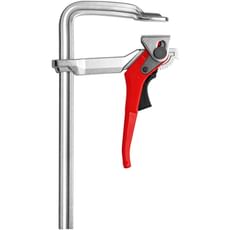
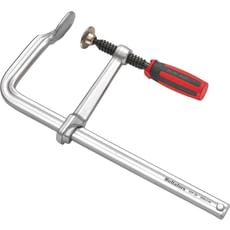
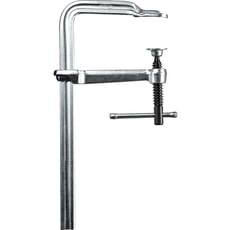
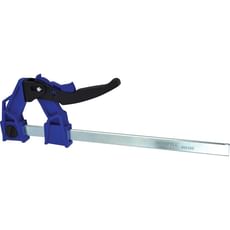
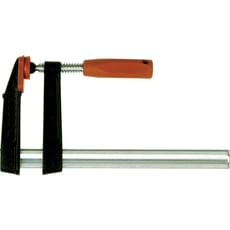
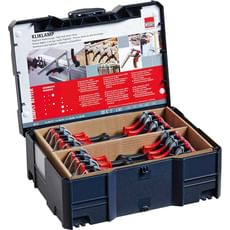
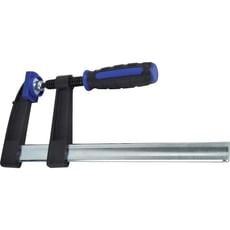
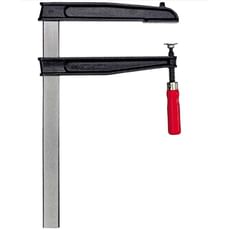
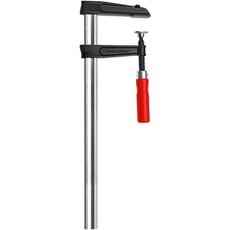
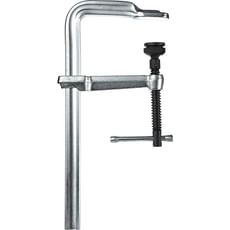
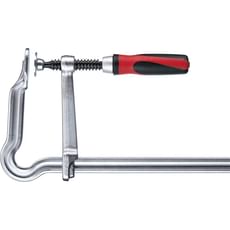
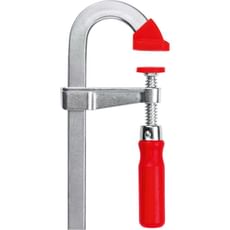

 Loading...
End of content
Error - No more pages to load
About F Clamps
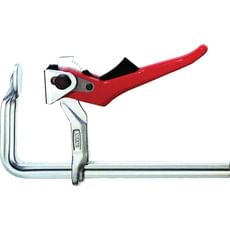
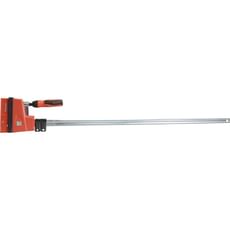
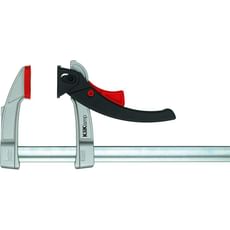
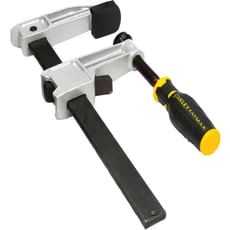
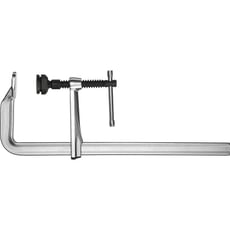
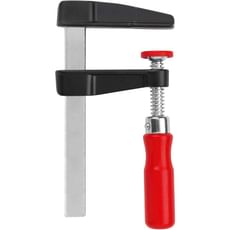
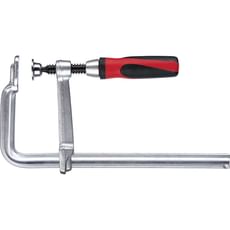
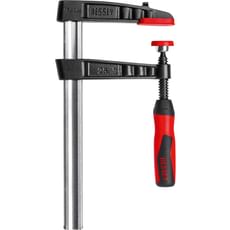
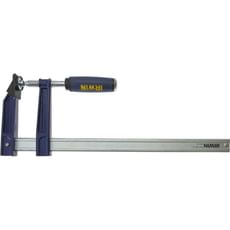
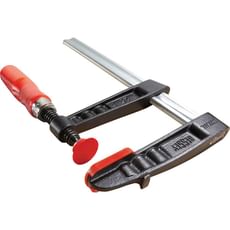
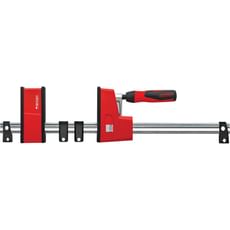
F Clamps are fundamental workholding tools characterised by their distinctive F-shaped profile, combining the clamping power of traditional G clamps with significantly greater reach and faster positioning. The design features a fixed jaw mounted at one end of a flat steel bar and a moveable sliding jaw that can be rapidly positioned along the bar's length before being secured firmly against the workpiece. This configuration makes F Clamps among the most versatile clamping solutions available, suitable for everything from small-scale furniture repairs to large panel gluing operations in professional workshops.
The selection at Tooled-Up.com encompasses premium options from industry-leading manufacturers including Bessey, whose innovative K Body REVO system has become the professional benchmark, alongside respected brands such as Bahco, Irwin, Stanley, Draper, and Faithfull. Available capacities range from compact 150mm models for precision work through to extra-long clamps exceeding 1000mm for large-scale fabrication and assembly. Modern F Clamps are available in two primary operating styles: traditional screw clamps with threaded mechanisms delivering maximum pressure, and lever clamps (sometimes called quick-action or one-handed clamps) that lock and release with a simple lever action for enhanced productivity during repetitive tasks.
Most quality F Clamps are supplied with removable plastic or rubber jaw caps to protect delicate surfaces during woodworking, though these can be removed for metalworking or welding applications. The sliding jaw typically incorporates a quick-release mechanism allowing rough positioning along the bar before fine adjustment with the screw or lever, making F Clamps considerably faster to set up than fixed-size alternatives whilst maintaining the rigidity and strength demanded by professional applications.
Jargon Buster
- Throat Depth
- The distance from the clamping surface to the back of the bar, determining how far into a workpiece you can reach. Standard F Clamps typically offer 80-120mm throat depth, with deeper options available for specialist applications such as clamping wide panels away from edges.
- Clamping Force
- The maximum pressure the clamp can apply, usually measured in Newtons (N) or kilograms. Professional-grade F Clamps can deliver forces exceeding 6000N, whilst lighter-duty models typically range from 1000-3000N. Higher forces suit hardwoods and metalwork; lower forces are adequate for softwoods and delicate assemblies.
- K Body Design
- A patented Bessey innovation featuring a box-section rail that provides exceptional rigidity and prevents twisting under pressure. This design is particularly valuable for edge-gluing and panel work where maintaining perfect alignment is critical, as it eliminates the rail deflection that can occur with standard flat bars.
- Rail or Bar
- The long flat steel section forming the spine of the F Clamp. Heavy-duty models feature thicker, reinforced rails to prevent flexing under high clamping loads, whilst lightweight versions use slimmer profiles for reduced weight and easier handling on site work.
- Quick-Release Mechanism
- A trigger or button system allowing the sliding jaw to move freely along the bar for rapid positioning, before being locked in place for final tightening. This feature dramatically speeds up setup compared to clamps requiring the jaw to be screwed along the entire length of the bar.
- Spindle
- The threaded rod or screw mechanism used to tighten the moveable jaw on traditional screw clamps. Quality spindles feature rolled threads rather than cut threads for superior strength and smoother operation, reducing hand fatigue during extended use.
Who Uses F Clamps?
F Clamps are indispensable across numerous trades and applications:
- Joiners and Carpenters: Essential for gluing panels, assembling cabinets, and holding timber components during fixing and finishing work on site and in the workshop
- Furniture Makers: Used extensively for chair and table assembly, drawer construction, laminating operations, and holding components during dowelling or biscuit jointing
- Welders and Metalworkers: Ideal for positioning metal components before tacking or welding, with jaw caps removed for heat resistance
- Cabinet Makers: Critical for edge-gluing solid timber panels and assembling carcass components with precision alignment
- Shopfitters: Valuable for holding fixtures and fittings in position during installation, particularly when working alone on commercial fit-outs
- DIY Enthusiasts: Perfect for home workshop projects, furniture repairs, picture framing, and general assembly tasks
- Boat Builders: Used for laminating curved components and assembling complex wooden structures where traditional cramping methods prove inadequate
- Theatrical Set Builders: Quick positioning and strong holding power make F Clamps ideal for temporary and permanent set construction under tight deadlines
- Conservators and Restorers: Smaller F Clamps with protective jaw pads provide controlled pressure when repairing antique furniture and delicate wooden artefacts
How to Choose the Right F Clamps
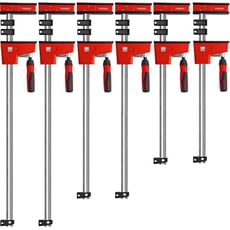
Clamping Capacity: Select clamps with sufficient opening capacity for your typical projects. Common sizes include 300mm, 600mm, 800mm, and 1000mm, though capacities range from compact 150mm up to 2000mm or more. Consider purchasing several sizes to handle different applications, as you'll often need multiple clamps simultaneously for panel gluing or assembly work. The Bessey 6 Piece K Body REVO Clamping Set provides an excellent starter collection with matched clamps in complementary sizes.
Operating Mechanism: Traditional screw clamps like the Bessey GS K Classix offer maximum clamping pressure and are generally more affordable, making them ideal for heavy-duty applications and budget-conscious buyers. Lever clamps such as the Bessey GH and GSH ranges provide faster operation and one-handed use, significantly improving productivity if you're using clamps repeatedly throughout the day, though they typically represent a higher initial investment.
Rail Construction: Standard flat steel rails suit most general applications, but for precision work like edge-gluing or panel assembly, consider investing in K Body or box-section designs. These premium clamps feature reinforced rails that resist flexing and twisting, ensuring workpieces remain perfectly aligned under pressure—essential for professional joinery where gaps and misalignment are unacceptable.
Clamping Force Requirements: Light-duty clamps delivering 1000-2000N suit occasional DIY use and delicate materials, whilst professional tradespeople working with hardwoods or metal should opt for heavy-duty models offering 4000-6000N or more. The Bessey GMZ-2K Omega ranges exemplify professional-grade strength for demanding workshop applications.
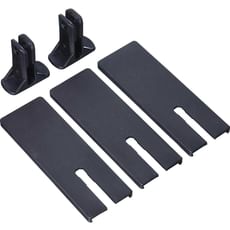
Jaw Protection: Most quality F Clamps include removable plastic or rubber jaw pads to prevent marking softwoods, veneers, and finished surfaces. Ensure replacements are available if you'll be using your clamps intensively, as jaw pads do wear over time. For metalworking or welding applications, choose clamps where pads can be easily removed to prevent heat damage.
Ergonomics and Handle Design: If you'll be tightening clamps frequently, look for models with comfortable, large-diameter handles that reduce hand fatigue. Two-component soft-grip handles (denoted by '2K' in Bessey's nomenclature, such as the GZ-2K Quick Screw Clamps) provide superior comfort during extended use on demanding projects.
Sets vs Individual Clamps: Purchasing clamp sets often provides better value than buying individually, whilst ensuring you have matched clamps for parallel clamping operations. Sets like the Bessey KLI-S Kliklamp Lever Clamp Set frequently include storage solutions such as Systainer carry cases, keeping your workshop organised and protecting your investment during transport to site.
Popular Accessories
- Replacement Jaw Pads: Keep spare protective pads in stock to replace worn items and prevent workpiece damage, particularly important for professional workshops where clamp appearance reflects on workmanship quality
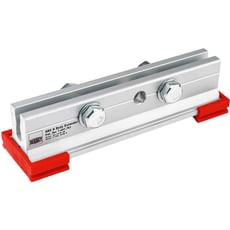
- Clamp Extenders: Systems like the Bessey KBX Joiner allow you to connect multiple clamps together for extra-wide capacity when needed, perfect for occasional large-panel work without investing in dedicated long-reach clamps
- Parallel Clamp Jaws: Accessory jaws that ensure pressure is distributed evenly across wider workpieces, preventing the jaw rotation that can occur with standard designs on thick timber
- Bench Dogs and Holdfasts: Complementary workholding solutions for use alongside F Clamps, particularly useful when working on bench-mounted assemblies requiring multiple clamping angles
- Clamp Storage Racks: Wall-mounted or mobile storage systems keeping clamps organised and instantly accessible, reducing workshop clutter and preventing damage from clamps being left on benches or floors
- Spreaders: Conversion accessories that reverse the clamp action for pushing components apart rather than together, useful for assembling frames or installing components within openings
- Workshop Adhesives: PVA wood glues, polyurethane adhesives, and epoxies for use with your clamping operations, as effective clamping requires appropriate adhesive selection for the materials being joined
- Clamping Squares: Precision angle guides that work alongside F Clamps to ensure perfect 90-degree assemblies, essential for cabinet and box construction
Safety Information
Clamping Pressure: Never exceed the manufacturer's recommended clamping force, as over-tightening can damage workpieces, crush timber fibres, or cause adhesives to squeeze out excessively, resulting in weakened joints. More pressure isn't always better—sufficient pressure for good glue contact and component alignment is adequate.
Secure Positioning: Always ensure both jaws are properly seated on the workpiece before applying full pressure. Clamps slipping under load can cause injury or damage to your work. Position clamps so the sliding jaw won't inadvertently release if the quick-release mechanism is accidentally triggered, particularly when working overhead or at awkward angles.
Hand Protection: When tightening heavy-duty screw clamps, considerable torque can be required. Wear appropriate work gloves to prevent blisters and hand strain, and never use extensions on handles to gain additional leverage unless specified by the manufacturer, as this can damage the mechanism or cause sudden release.
Inspection and Maintenance: Regularly inspect clamps for damaged threads, bent rails, or worn jaw pads in accordance with HSE guidance on hand tool maintenance. Clean the rail periodically to ensure smooth sliding jaw operation, and apply a light lubricant to threaded spindles to maintain smooth operation and prevent corrosion, particularly important in damp workshop environments.
Storage: Store clamps in a dry environment to prevent rust formation on steel components. Hanging storage with jaws slightly open prevents stress on mechanisms and extends clamp life. Never drop heavy clamps, as this can bend rails or damage thread mechanisms, potentially causing sudden failure during subsequent use.
Frequently Asked Questions
What's the difference between F Clamps and G Clamps?
Whilst both provide strong clamping pressure, F Clamps feature a long bar with a sliding jaw that can be quickly positioned, offering much greater capacity (typically 150mm to 2000mm) and faster setup than G Clamps. G Clamps have a fixed C-shaped frame limiting their capacity but can sometimes deliver slightly higher pressure in a more compact form. F Clamps are generally more versatile for workshop use, whilst G Clamps excel in confined spaces or where maximum pressure in a small opening is required, such as when working on machinery or in automotive applications.
How many F Clamps do I need?
This depends entirely on your typical projects, but most woodworkers find they need more clamps than initially expected. For panel gluing, you'll need clamps spaced approximately every 300-400mm along the joint, so a 1200mm wide panel requires at least three clamps, preferably four to six when applying alternating pressure from both sides to prevent bowing. Professional workshops often stock 12-20 clamps in various sizes, whilst serious DIY enthusiasts typically accumulate 6-10 clamps over time. Starting with a matched set of four to six medium-capacity clamps (600-800mm) provides good versatility for most projects.
Can I use F Clamps for metalwork and welding?
Absolutely—F Clamps are excellent for metalworking applications, including positioning components for welding. Simply remove the plastic or rubber jaw caps before welding to prevent them melting or catching fire. All-steel clamps like the Bessey GS K Classix are particularly well-suited to metal fabrication as they have no plastic components that could be damaged by heat or spatter. The strong clamping force and quick positioning make F Clamps ideal for tack-welding setups, whilst the long reach allows clamping away from the weld zone.
What's the advantage of lever clamps over screw clamps?
Lever clamps such as the Bessey GH and GSH ranges allow you to lock and release the clamp with a simple one-handed lever action, dramatically speeding up repetitive clamping operations. If you're assembling multiple identical items or frequently clamping and unclamping during a project, the time savings quickly add up, potentially reducing assembly time by 30-40%. However, screw clamps typically provide slightly higher ultimate clamping pressure and are more affordable, making them preferable for occasional use or maximum-strength applications. Many professional workshops stock both types, using lever clamps for speed and screw clamps for maximum pressure.
How do I prevent F Clamps from marking my work?
Always use the supplied plastic or rubber jaw caps when clamping finished surfaces or softwoods. For extra protection, place scrap wood blocks between the clamp jaws and your workpiece—this also helps distribute pressure more evenly across wider surfaces, preventing localised crushing. Ensure the clamp rails don't contact your work by positioning clamps carefully, and avoid over-tightening, which can crush timber fibres even with protective pads in place. When gluing, slight squeeze-out is sufficient—excessive clamping pressure forces too much adhesive from the joint, weakening the bond rather than strengthening it.