

Fans
Pay in 3 interest-free payments on purchases from £30-2000 with  . Learn more.
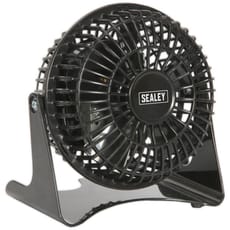
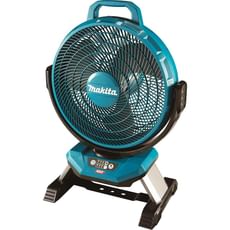
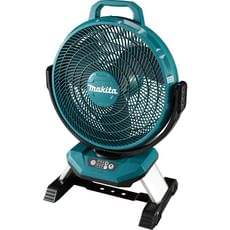
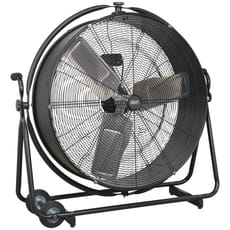


 Loading...
End of content
Error - No more pages to load
About Fans
Maintaining comfortable working conditions is crucial for productivity and safety across professional and domestic environments. The comprehensive selection of fans at Tooled-Up.com addresses diverse cooling and ventilation requirements, from compact desk fans suited to small workshops and offices, through to powerful drum fans capable of moving substantial air volumes across construction sites and industrial spaces. Whether tackling excessive heat in confined areas, improving air circulation in dusty workshops, or simply maintaining comfortable temperatures during summer months, the right fan significantly enhances working conditions and overall efficiency.
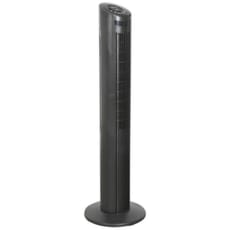
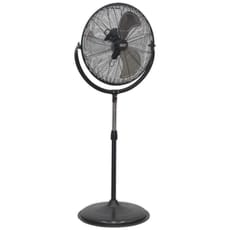
The fans category encompasses multiple specialist types designed for specific applications and environments. Tower fans deliver space-saving vertical designs perfect for corner installations, whilst pedestal fans provide adjustable height options for targeted airflow. Wall-mounted fans excel in permanent installations where floor space is limited, and portable fans offer flexibility to relocate cooling power as requirements change. Beyond basic air circulation, the category extends to air conditioners for precise temperature control and dehumidifiers to combat moisture issues that can affect both comfort levels and the condition of valuable tools and materials stored in workshops.
Professional-grade fans are engineered to withstand demanding trade environments, featuring robust construction, IP-rated protection against dust and moisture ingress, and powerful motors capable of continuous operation throughout extended working days. Whether you're a builder working on site, a mechanic in a garage workshop, or a joiner managing dust in a woodworking environment, proper air circulation extends beyond comfort—it's fundamental to maintaining safe, healthy working conditions that comply with HSE workplace environment guidelines.
Jargon Buster
- CFM (Cubic Feet per Minute): A measurement of airflow volume indicating how much air a fan can move in one minute. Higher CFM ratings signify more powerful air circulation, particularly important for larger workshops or industrial applications where substantial air movement is required.
- Oscillation: The side-to-side sweeping motion employed by many fans to distribute air across wider areas rather than in fixed directions. This feature proves particularly valuable for cooling multiple workers or covering larger spaces efficiently without requiring multiple units.
- IP Rating: Ingress Protection rating that indicates a fan's resistance to dust and water intrusion. For example, an IP44 rating means the fan is protected against solid objects over 1mm and water splashes from any direction—essential for construction site work or dusty workshop environments.
- Decibel Level (dB): The measurement of sound intensity produced during fan operation. Lower decibel ratings indicate quieter performance, which becomes important in office environments or when working in confined spaces for extended periods where noise fatigue can affect concentration.
- Variable Speed Settings: Multiple speed options allowing airflow intensity adjustment based on temperature and specific requirements. Professional fans typically offer three or more speed settings for optimal control across different working conditions.
- Air Changes Per Hour (ACH): The number of times the total air volume in a space is replaced per hour. This metric helps determine the appropriate fan size and power needed for effective ventilation in workshops and work areas, particularly important for COSHH compliance where airborne contaminants are present.
Who Uses Fans?
Fans serve as essential equipment across numerous trades and professional settings:
- Construction Workers and Site Managers: For cooling site offices, accelerating drying in newly plastered areas, and maintaining comfortable conditions in buildings under construction
- Mechanics and Auto Technicians: To ventilate garages, dissipate exhaust fumes, and maintain comfortable working temperatures in repair bays during summer months
- Woodworkers and Joiners: For directing dust towards extraction systems and cooling workshops that generate considerable heat from machinery operation
- Electricians: When working in loft spaces, plant rooms, and other confined areas that become uncomfortably hot, particularly during summer installations
- Painters and Decorators: To accelerate drying times and improve ventilation when working with paints, varnishes, and solvents in enclosed spaces
- Warehouse and Factory Workers: For maintaining comfortable temperatures in large industrial spaces and storage facilities lacking comprehensive air conditioning
- Office and Facilities Managers: To supplement air conditioning systems or provide cost-effective cooling in smaller offices and meeting rooms
- Event Professionals: For temporary cooling at outdoor events, marquees, and temporary structures during warmer months
- Landscapers and Groundskeepers: To cool machinery storage areas, greenhouses, and workspace facilities
- DIY Enthusiasts: For maintaining comfortable conditions in home workshops, garages, and during renovation projects
How to Choose the Right Fans
Room Size and Application: Calculate the square metreage of the space requiring cooling. Desk fans work effectively for personal cooling up to approximately 10 square metres, whilst drum fans and industrial pedestal fans become necessary for workshops and site work exceeding 50 square metres. Check manufacturer coverage specifications to ensure adequate airflow for your specific space.
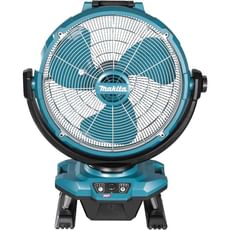
Power Source and Voltage: Most domestic and light commercial fans operate on standard 240v mains power, but consider whether cordless options are required for sites without reliable electricity supply. Professional-grade cordless fans from brands like Makita, Milwaukee, and DeWalt run on battery platforms, offering portability without compromising performance for tradespeople moving between jobs.
Portability Requirements: Fixed installations like wall fans suit permanent workshops, whilst portable and drum fans with carrying handles or wheels accommodate tradespeople moving between jobs. Consider weight—industrial fans can exceed 15kg, which significantly affects ease of transport when loading into vans.
Environmental Conditions: For dusty workshops, construction sites, or outdoor use, select fans with appropriate IP ratings (IP44 minimum for splash resistance). Metal grilles offer superior durability compared to plastic in demanding environments, though they add weight. Tooled-Up stocks fans rated for challenging professional environments where standard household models would fail prematurely.
Noise Levels: When working in occupied buildings or noise-sensitive environments, prioritise fans with lower decibel ratings (below 60dB). Tower fans and modern desk fans typically run quieter than industrial drum fans, which can exceed 70dB at maximum speed—equivalent to a vacuum cleaner.
Adjustability and Control: Variable speed settings, oscillation functions, and adjustable angles provide greater flexibility. Pedestal fans often offer the most adjustment options, whilst drum fans prioritise raw power over versatility. Timer functions and remote controls add convenience for fixed installations in offices and permanent workshops.
Safety Features: Look for thermal cut-out protection to prevent overheating during continuous operation, stable bases to prevent tipping on uneven surfaces, and proper guard spacing compliant with UK safety standards to prevent finger access to rotating blades.
Popular Accessories
- Extension Leads and Cable Reels: Essential for positioning fans at optimal locations, particularly on construction sites and in large workshops where fixed sockets are distant from work areas
- Fan Guards and Replacement Grilles: Protective covers that prevent damage to fan blades and meet health and safety requirements in professional environments
- Wall Mounting Brackets: For permanent installation of fans in fixed positions, maximising floor space in workshops and garages
- Thermometers and Hygrometers: To monitor temperature and humidity levels, helping determine optimal fan settings and identifying when additional cooling measures are required
- Air Quality Monitors: For tracking ventilation effectiveness in workshops where dust or fumes are present, ensuring COSHH compliance
- Portable Power Stations: Battery solutions for running mains-powered fans on construction sites without reliable 240v power access
- Dust Extraction Systems: Complementary equipment that works alongside fans to remove airborne particles in woodworking and metalworking environments
- Cleaning Products: Specialist cleaners and brushes for maintaining fan performance by removing dust build-up from blades and grilles
Safety Information
Electrical Safety: Always ensure fans are connected to properly earthed 240v sockets with appropriate circuit protection. Check cables regularly for damage, particularly on site where they may be subject to wear from foot traffic or being caught on materials. Never operate fans with damaged cables or plugs, and avoid overloading extension leads—check the fan's wattage rating and ensure your power supply can handle the load.
Positioning and Stability: Place fans on level, stable surfaces away from edges where they could be knocked over by passing workers or materials. Keep fans at least 500mm away from curtains, papers, and other lightweight materials that could be drawn into the blades. Wall-mounted fans must be securely fixed to appropriate load-bearing surfaces using suitable fixings rated for the fan's weight.
Blade Guards: Never operate a fan with damaged or missing blade guards. UK regulations require guard spacing that prevents fingers accessing moving parts. Don't attempt to clean blades whilst the fan remains connected to power—always unplug before maintenance and allow blades to stop completely.
Ventilation and Fumes: Whilst fans improve air circulation, they don't remove fumes or hazardous airborne substances. When working with paints, solvents, or materials producing harmful vapours, ensure adequate extraction ventilation compliant with COSHH regulations, not merely air circulation. Fans can help disperse fumes but shouldn't replace proper extraction systems.
Moisture and IP Ratings: Only use fans rated for wet or damp environments (minimum IP44) in such conditions. Standard household fans are unsuitable for bathrooms, outdoor use, or construction sites where exposure to moisture is likely. Check manufacturer specifications before use in potentially wet environments.
Continuous Operation: Professional-grade fans are designed for continuous running, but domestic models may require rest periods to prevent motor overheating. Check the duty cycle in the manual and ensure adequate clearance around the motor housing for heat dissipation during extended use, particularly during hot weather when ambient temperatures are elevated.
Frequently Asked Questions
What size fan do I need for my workshop?
As a general guide, you need approximately 75-100 CFM per square metre for effective cooling in a workshop environment. For a typical single garage workshop (around 15 square metres), a fan delivering 1,500-2,000 CFM would be appropriate. Larger workshops or spaces with high ceilings may require multiple fans or more powerful drum fans. Consider factors like heat-generating equipment, number of people working simultaneously, and ceiling height when calculating requirements. Workshops with welding equipment or other heat sources may require higher airflow rates.
Can I use a standard household fan on a construction site?
Standard household fans are not designed for the demanding conditions of construction sites. Site work requires fans with robust construction, IP-rated protection against dust and moisture (minimum IP44), and durable metal components that withstand being moved frequently. Professional drum fans and industrial pedestal fans are built to handle exposure to building dust, potential minor impacts, and variable weather conditions. Investing in proper site-rated equipment prevents premature failure and safety issues that could arise from using domestic equipment in professional environments.
How much does it cost to run a fan continuously during summer?
Running costs depend on the fan's wattage and your electricity rate. A typical 50W desk fan running 8 hours daily costs approximately £4-5 per month at average UK electricity rates (around 30p per kWh). A more powerful 100W industrial fan would cost roughly £8-10 monthly under the same usage pattern. Compared to air conditioning units that can consume 1,000W or more, fans are extremely cost-effective for cooling, though they provide different types of comfort—air movement rather than actual temperature reduction.
Are battery-powered fans suitable for professional use?
Modern cordless fans from professional tool manufacturers like Makita, Milwaukee, and DeWalt offer genuine alternatives for site work where mains power is unavailable or impractical. They utilise the same battery platforms as cordless power tools, providing 4-8 hours runtime depending on battery capacity and speed settings. Whilst they typically offer lower airflow than equivalent mains-powered models, they excel in portability and convenience for tradespeople already invested in a particular battery system, eliminating the need for extension leads and reducing trip hazards on site.
Do fans actually cool the air or just move it around?
Fans don't reduce air temperature—they create air movement that increases evaporation from skin, making you feel cooler through the wind-chill effect. This is why fans are ineffective in empty rooms but very effective when people are present. For actual temperature reduction, you need air conditioning or evaporative cooling. However, fans significantly improve comfort at much lower running costs and can be combined with open windows or doors to draw in cooler outside air during mornings and evenings, providing effective ventilation without the expense of air conditioning systems.