

Felling Axes

Pay in 3 interest-free payments on purchases from £20-£3000 with  . Learn more.
 Loading...
End of content
Error - No more pages to load
About Felling Axes
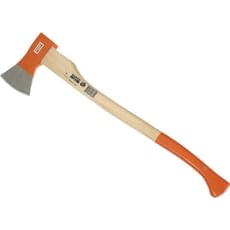
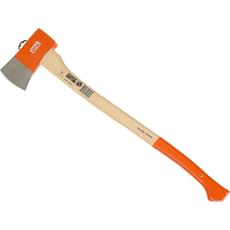
Felling axes, sometimes referred to as chopping axes, are specialist cutting tools engineered specifically for bringing down trees and removing branches. Unlike splitting axes that work along the grain to divide logs, felling axes are designed to cut cleanly across the wood grain, making them indispensable for forestry work, woodland management, and professional tree maintenance. Their distinctive design incorporates a sharp, wedge-shaped blade with a broader cutting edge than splitting axes, enabling deeper penetration into timber with each controlled swing.
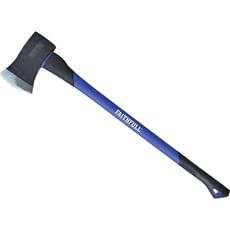
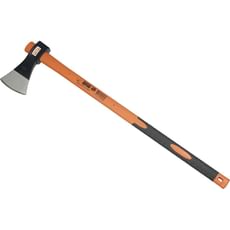
The selection at Tooled-Up.com encompasses options from leading manufacturers including Bahco, Hultafors, Draper, and Faithfull, offering various handle materials and head weights to suit different applications and user requirements. Traditional hickory-handled models deliver the classic feel and natural shock absorption that professionals have relied upon for generations, whilst modern fibreglass and composite handles provide enhanced durability, reduced weight, and improved grip comfort during prolonged use. Whether you're a professional arborist, forestry worker, or countryside management professional, you'll find axes suitable for both light branch removal and heavy-duty tree felling operations.
The quality of your felling axe directly influences both work efficiency and safety on site. Premium models such as the Hultafors Hults Bruk range feature hand-forged Swedish steel heads with precision-ground edges, whilst more economical options from Draper and Faithfull provide dependable performance for occasional use and general woodland tasks. All axes available from Tooled-Up are designed to meet the demanding requirements of professional tradespeople whilst remaining accessible to experienced DIY users tackling larger outdoor projects.
Jargon Buster
- Cutting Edge: The sharpened blade section that makes contact with the wood. Felling axes feature a thinner, sharper edge than splitting axes, typically ground to around 20-25 degrees for optimal cutting performance across the grain.
- Hickory Handle: Traditional axe handle material made from American hickory wood, prized for its natural strength, flexibility, and shock-absorbing properties. FSC-certified hickory ensures sustainable forestry practices.
- Fibreglass Shaft: Modern handle construction using fibreglass composite materials, offering superior durability, weather resistance, and consistent performance compared to traditional wood, with reduced maintenance requirements ideal for UK weather conditions.
- Head Weight: The mass of the axe head, typically ranging from 1kg to 2kg for felling axes. Heavier heads generate more cutting force but require greater user strength and stamina during extended use.
- Overstrike Protection: A reinforced collar or guard where the handle meets the head, designed to protect the shaft from damage when strikes miss their target and the handle impacts the wood.
- Grain Orientation: The direction of wood fibres in timber. Felling axes cut across the grain (perpendicular to fibres), whilst splitting axes work along the grain to separate fibres.
Who Uses Felling Axes?
- Arborists and Tree Surgeons: Professional tree care specialists requiring reliable cutting tools for controlled tree dismantling and branch removal on domestic and commercial properties.
- Forestry Workers: Professionals managing woodlands, plantations, and commercial forestry operations who need robust axes for tree felling, limbing, and general timber work.
- Groundskeepers and Estate Managers: Those responsible for maintaining large grounds, parks, country estates, and public spaces where tree management forms part of regular duties.
- Countryside Rangers: Conservation professionals managing natural habitats, woodland trails, and rural areas requiring tree maintenance and vegetation control.
- Landscape Gardeners: Garden professionals undertaking tree removal, stump preparation, and major landscaping projects involving timber clearance.
- Farmers and Agricultural Workers: Those managing hedgerows, maintaining boundaries, clearing land, and undertaking general farm woodland management tasks.
- Bushcraft Enthusiasts and Outdoor Instructors: Experienced users teaching woodland skills or requiring reliable cutting tools for shelter building and campsite preparation.
- Serious DIY Users: Homeowners with larger properties, woodland areas, or those undertaking significant tree maintenance and land clearance projects.
How to Choose the Right Felling Axes
Handle Material: Consider your working environment and maintenance preferences. Traditional hickory handles offer excellent shock absorption and a natural feel appreciated by many professionals, but require proper care and periodic oiling. Fibreglass and composite handles provide superior weather resistance, require minimal maintenance, and offer consistent performance in wet conditions, making them ideal for year-round professional use in the UK climate.
Head Weight and Size: Match the axe weight to your physical capability and intended use. Lighter axes (1-1.5kg) suit branch removal, limbing work, and users requiring manoeuvrability, whilst heavier models (1.5-2kg) deliver greater cutting force for larger trees but demand more strength and stamina. Consider the weight distribution and balance point, as a well-balanced axe reduces fatigue during extended use.
Handle Length: Longer handles provide greater leverage and swing power but require more clearance space and skill to control safely. Standard felling axes typically feature handles between 600-900mm, with longer options suited to experienced users tackling larger trees and shorter versions offering better control in confined spaces.
Brand and Quality: Professional-grade axes from manufacturers like Hultafors and Bahco feature superior steel quality, precision grinding, and robust construction that maintains edge sharpness longer and withstands heavy daily use. Budget-friendly options from Draper and Faithfull provide reliable performance for occasional use and lighter-duty applications, representing excellent value for less frequent users.
Blade Profile: Examine the blade geometry and edge angle. A thinner, sharper profile cuts more efficiently but requires more frequent sharpening and careful use to avoid edge damage. Premium axes often feature hand-forged heads with optimised blade geometry for specific timber types common in the UK.
Popular Accessories
- Axe Sheaths and Blade Guards: Essential protective covers for safe transportation and storage, preventing blade damage and accidental injuries.
- Sharpening Stones and Files: Whetstones, diamond files, and sharpening pucks for maintaining optimal cutting edge sharpness throughout the working season.
- Replacement Handles: Spare hickory or fibreglass shafts enabling you to restore damaged axes rather than replacing the entire tool.
- Wedges and Splitting Tools: Complementary tools for completing tree felling operations and processing timber once initial cuts are made.
- Safety Goggles and Face Shields: Essential eye protection meeting EN166 standards to guard against flying wood chips and debris.
- Steel Toe Cap Boots: Protective footwear meeting EN ISO 20345 standards, crucial when working with axes and felled timber.
- Work Gloves: Impact-resistant gloves providing grip enhancement whilst protecting hands from blisters, splinters, and vibration.
- Tool Storage Solutions: Secure storage boxes and tool rolls for organising axes alongside other forestry and groundwork equipment.
Safety Information
Felling axes are powerful cutting tools that demand respect and proper handling. Before use, always inspect your axe for loose heads, damaged handles, and blade defects. Ensure the head is securely wedged and the handle shows no cracks or splits. When working, maintain a clear working area with a radius of at least three metres from other people, removing trip hazards and obstacles from your swing path.
Always wear appropriate personal protective equipment including tight-fitting safety goggles or face shields meeting EN166 standards, steel toe cap boots conforming to EN ISO 20345, and suitable work gloves. Consider additional protection such as chainsaw trousers for lower body protection when undertaking extensive tree work. Never use an axe when fatigued, as tiredness significantly increases accident risk through reduced concentration and coordination.
Familiarise yourself with proper axe technique before attempting tree felling. Your stance should be stable with feet shoulder-width apart, and swings should follow a controlled arc away from your body and legs. When felling trees, understand directional felling techniques, assess tree lean and wind conditions, and establish escape routes before making your first cut. The Health and Safety Executive (HSE) provides guidance on safe tree work practices, and formal training is strongly recommended for anyone undertaking regular forestry work or large tree felling operations.
Maintain your axe in safe working condition through regular sharpening and proper storage. A blunt axe is more dangerous than a sharp one, as it requires excessive force and is more likely to glance off timber unpredictably. Store axes with blade guards fitted in a dry location away from ground moisture, and never leave axes embedded in stumps or lying on the ground where they present trip hazards.
Frequently Asked Questions
What's the difference between a felling axe and a splitting axe?
Felling axes feature a sharper, thinner blade designed to cut across wood grain when chopping down trees and removing branches. Splitting axes have a wider, wedge-shaped head with a thicker edge that forces wood fibres apart along the grain when splitting logs for firewood. Using the wrong axe type significantly reduces efficiency and increases user fatigue.
Should I choose a hickory handle or fibreglass shaft?
Hickory handles offer traditional feel, excellent natural shock absorption, and are preferred by many experienced users, but they require proper maintenance including periodic oiling and careful storage to prevent drying and cracking. Fibreglass handles provide superior durability, weather resistance, and consistent performance with minimal maintenance, making them ideal for professional daily use and varying weather conditions typical in the UK. Both materials perform excellently when properly cared for, so choice often comes down to personal preference and working environment.
How often should I sharpen my felling axe?
Sharpening frequency depends on usage intensity and the timber types you're cutting. Professional users working daily may need to touch up the edge every few hours of active use, whilst occasional users might sharpen every few sessions. A properly sharp felling axe should cut cleanly into wood with minimal effort. If you notice the axe bouncing off timber, leaving rough cuts, or requiring excessive force, it needs sharpening. Regular light sharpening is preferable to infrequent heavy grinding, as it maintains optimal blade geometry and extends tool life.
What weight felling axe should I buy?
For most users, a felling axe with a head weight between 1.25-1.75kg offers the best balance of cutting power and controllability. Lighter axes (1-1.25kg) suit smaller users, branch removal work, and situations requiring extended use where fatigue is a concern. Heavier models (1.75-2kg) deliver more cutting force per swing but demand greater strength and become tiring during prolonged use. Consider starting with a mid-weight option around 1.5kg, which provides versatility for various tree sizes and work types whilst remaining manageable for most adults.
Do I need specific training to use a felling axe?
Whilst no legal certification is required for basic axe use on private property, formal training is highly recommended, especially if you're new to axe work or planning to fell larger trees. Many agricultural colleges, bushcraft schools, and forestry organisations offer courses covering safe axe technique, tree assessment, and directional felling methods. For professional use or work on commercial sites, employers may require specific competency certification. The HSE provides guidance on safe tree work, and investing in proper training significantly reduces injury risk whilst improving efficiency and confidence.