

Files
Pay in 3 interest-free payments on purchases from £30-2000 with  . Learn more.
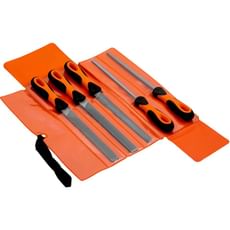
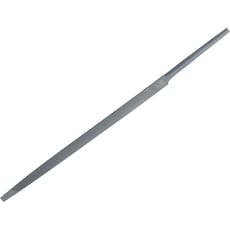
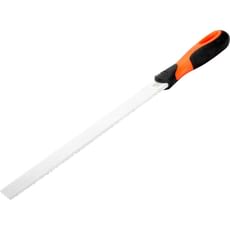
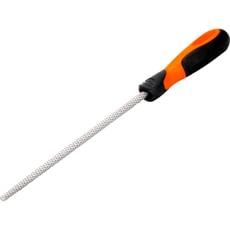
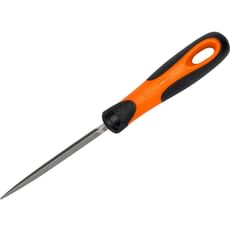
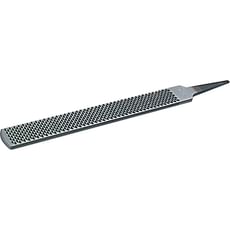
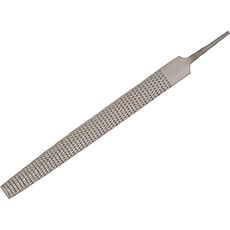
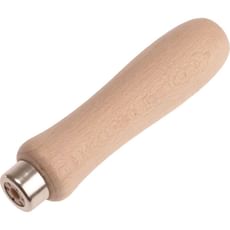
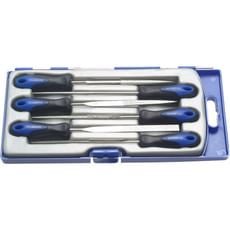
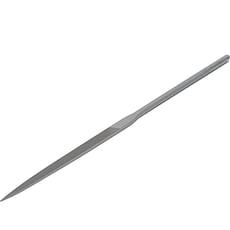
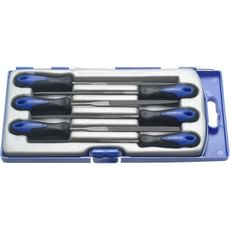
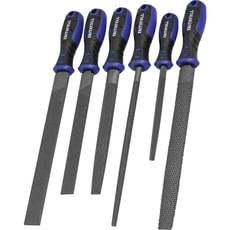
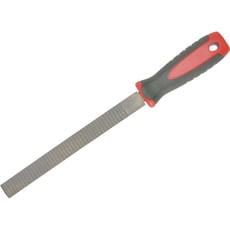
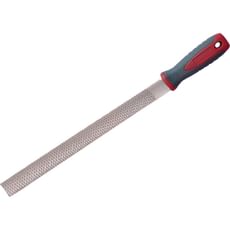
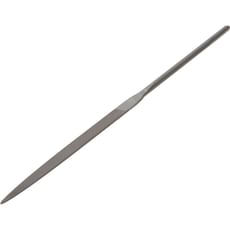
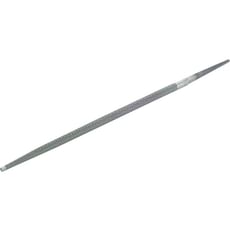
 Loading...
End of content
Error - No more pages to load
About Files
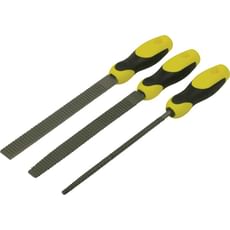
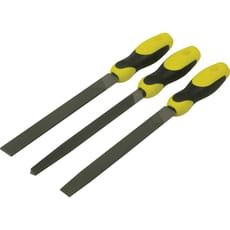
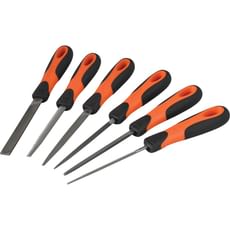
Files are essential hand tools used for shaping, smoothing, and removing material from metal, wood, plastic, and other materials through a cutting action. Unlike abrasive papers or powered sanders, files feature rows of hardened steel teeth that precisely shave away material with each stroke, offering exceptional control and accuracy for both rough stock removal and fine finishing work. Whether you're deburring metal edges, sharpening saw teeth, smoothing welds, or shaping timber, having the right file for the job makes all the difference to the quality of your finished work.
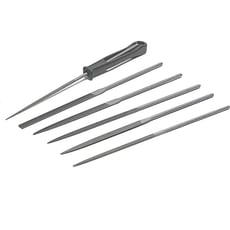
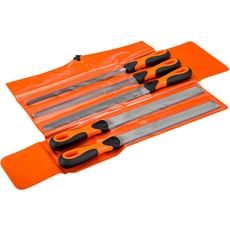
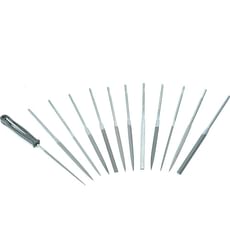
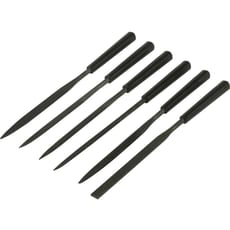
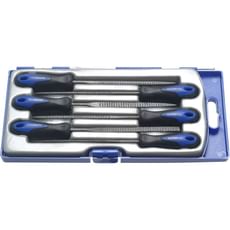
The comprehensive range at Tooled-Up.com includes specialist options for every trade and application, from delicate needle files for precision engineering work to aggressive wood rasps for rapid timber shaping. Each file type is designed with specific tooth patterns, profiles, and cut grades to suit particular materials and tasks. Engineers files excel at metalwork, chainsaw files maintain cutting chains to peak performance, and wood rasps tackle rough carpentry jobs with ease. Understanding the differences between these tools helps you select the most effective option for your specific requirements.
Quality files from respected manufacturers like Bahco, Stanley, and Irwin deliver superior performance and longevity compared to cheaper alternatives. Premium files maintain their sharpness longer, cut more efficiently, and resist clogging, making them worthwhile investments for professional tradespeople and serious DIY enthusiasts alike. With proper care and the right file handle, these hardworking tools will serve you reliably for years.
Jargon Buster
- Cut Grade: Refers to the coarseness of the file teeth. Bastard cut is coarsest for rapid material removal, second cut is medium for general work, and smooth cut is finest for finishing operations and precision work.
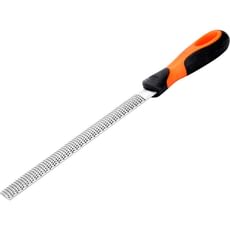
- Single Cut vs Double Cut: Single cut files have parallel rows of teeth running in one direction, ideal for sharpening and draw filing. Double cut files have a second set of teeth crossing the first, creating a diamond pattern that removes material faster and is better suited to general metalwork.
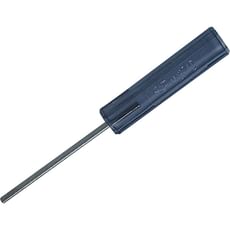
- Tang: The pointed, uncut portion of the file that fits into a handle. Never use a file without a properly fitted handle, as the exposed tang presents a serious hand injury risk if the file catches or slips during use.
- Pinning: When soft metal particles become lodged between file teeth, reducing cutting efficiency. Regular cleaning with a file card (wire brush) prevents pinning and maintains optimal performance.
- Draw Filing: A finishing technique where the file is held perpendicular to the workpiece and drawn sideways across the surface, producing a smoother finish than conventional filing strokes.
- Safe Edge: One edge of the file without teeth, allowing you to file into corners or up against shoulders without damaging adjacent surfaces.
Who Uses Files?
Files are indispensable tools across numerous trades and industries:
- Metalworkers and Fabricators - deburring, fitting, and finishing metal components
- Mechanics and Fitters - adjusting parts, removing rust, and precision fitting work
- Engineers and Machinists - fine finishing, deburring machined parts, and fitting components to tight tolerances
- Carpenters and Joiners - shaping timber, smoothing joints, and general woodwork
- Electricians - deburring conduit ends and filing metalwork on site
- Jewellers and Watchmakers - precision shaping of precious metals and small components
- Arborists and Groundscare Professionals - maintaining chainsaw chains and saw blades
- Model Makers and Hobbyists - detailed shaping work on various materials
- Plumbers - deburring pipes and fitting metal fixtures
- Maintenance Technicians - general workshop repairs and modifications
How to Choose the Right Files
Selecting the appropriate file requires consideration of several key factors:
Material Type: Match your file to the material you're working. Engineers files suit metalwork, wood rasps and cabinet files handle timber, and needle files tackle delicate materials. Using the wrong file type leads to rapid wear and poor results.
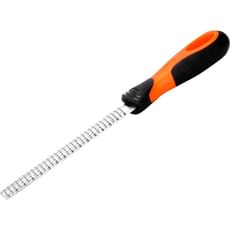
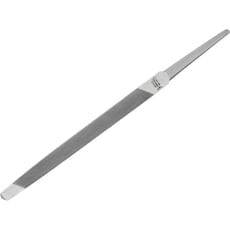
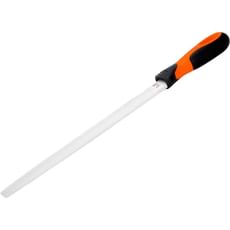
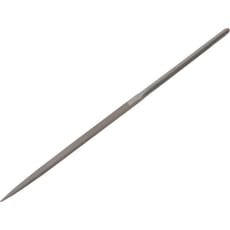
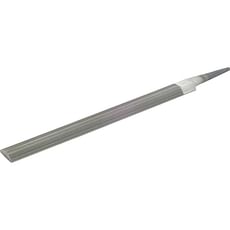
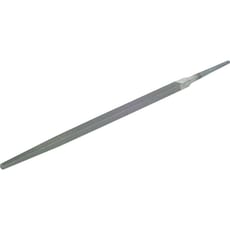
Profile Shape: The file's cross-sectional shape determines what surfaces you can work. Flat files suit flat surfaces and external curves, half-round files handle internal curves and channels, round files enlarge holes and smooth concave surfaces, square files work internal corners and rectangular openings, and warding files access narrow slots.
Cut Grade and Pattern: Coarse (bastard) cuts remove material quickly but leave rougher surfaces, making them ideal for initial shaping. Medium (second cut) grades balance material removal with surface quality for general work. Fine (smooth cut) grades create superior finishes for final work. Choose double cut for fast stock removal and single cut for controlled finishing.
Length: File length typically ranges from 100mm needle files to 350mm workshop files. Longer files cut faster and straighter but require more clearance. Consider your typical workpiece size and available working space when selecting length.
Quality and Brand: Professional-grade files from manufacturers like Bahco maintain their cutting edge significantly longer than economy versions. Browse the selection at Tooled-Up.com to find premium files that prove more economical over time through extended service life and superior performance.
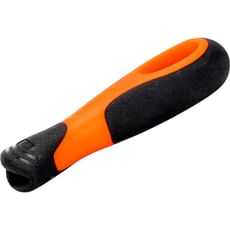
Handle Requirements: Most files are sold without handles, requiring separate purchase. Ensure you have appropriate handles available, as using files without proper handles is both dangerous and inefficient.
Popular Accessories
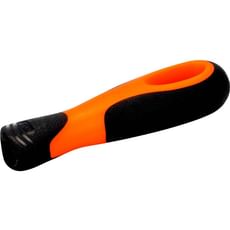
- File Handles - essential for safe, comfortable use; available in wood, plastic, and ergonomic designs
- File Cards (Wire Brushes) - specialised brushes for cleaning metal particles from file teeth
- File Chalk - prevents soft metals from pinning between teeth during use
- File Storage Racks - protect file teeth from damage and keep your workshop organised
- File Guards - plastic sleeves that protect teeth during storage and transport
- Bench Vices - secure workpieces safely for efficient filing
- Marking and Measuring Tools - scribers, squares, and callipers for accurate work
- Work Gloves - protect hands from sharp edges and metal swarf
- Safety Glasses - essential eye protection from flying metal particles
Safety Information
While files are relatively safe hand tools, following proper practices prevents injuries and ensures optimal results:
Always use a properly fitted handle. The exposed tang can cause serious puncture wounds to your palm if the file binds or slips. Replace cracked or loose handles immediately, as they compromise both safety and control.
Secure your workpiece properly in a vice or clamp before filing. Attempting to hold small pieces by hand whilst filing risks slippage and injury. Ensure your vice or bench is stable and at an appropriate working height to maintain good posture.
Wear appropriate PPE including safety glasses to protect against metal particles, and work gloves when handling sharp-edged workpieces. Metal swarf can be razor-sharp, particularly when filing hard materials.
Never use files as pry bars or hammers. Files are hardened and brittle; misuse can cause them to shatter, sending sharp fragments flying. Similarly, never strike a file with a hammer, as this may cause dangerous fracturing.
Clean files regularly during use with a file card to prevent pinning. Clogged teeth can cause the file to slip suddenly, potentially causing hand injuries or workpiece damage. Store files properly so teeth don't contact each other or hard surfaces.
Work in good lighting to clearly see your work and avoid accidental contact with sharp edges. Maintain a clear workspace free from tripping hazards, and ensure adequate ventilation when filing materials that produce dust or fumes.
Frequently Asked Questions
Why do my files stop cutting effectively?
Files lose cutting efficiency when teeth become clogged with material (pinning), worn smooth through use, or damaged by improper storage. Clean regularly with a file card, use file chalk when working soft metals, and store files separately to prevent tooth damage. Quality files from brands like Bahco typically last considerably longer than budget alternatives before wearing out.
Can I sharpen or restore worn files?
Unlike some cutting tools, files cannot be practically sharpened once worn. The hardened teeth are formed during manufacture through precision machining and heat treatment. When a file stops cutting effectively after thorough cleaning, it's reached the end of its service life and requires replacement. Focus on proper maintenance and storage to maximise file longevity.
What's the difference between files and rasps?
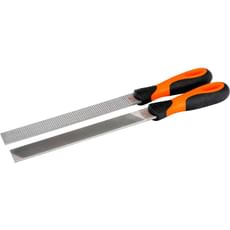
Files have rows of fine, angled teeth designed primarily for metalwork, whilst rasps feature individually raised, pointed teeth specifically designed for wood and soft materials. Rasps remove material much more aggressively than files but leave a rougher surface. Wood rasps excel at rapid stock removal on timber, whilst engineers files produce finer finishes on metal.
Do I need different files for different metals?
A quality double cut engineers file handles most common metals including mild steel, aluminium, brass, and copper. However, very hard materials like hardened steel require specialised files, whilst very soft metals like aluminium benefit from single cut files to reduce pinning. For specialist applications such as sharpening chainsaw chains, dedicated files designed for that specific purpose deliver superior results.
How do I prevent my files from rusting?
Store files in a dry environment and apply a light coating of oil before long-term storage. Avoid leaving files on damp workbenches or in humid conditions. If surface rust develops, clean with a wire brush and fine abrasive, then oil lightly. Rust not only looks unsightly but also compromises cutting performance, as it interferes with the sharp edges of the teeth.