

Fret Saws & Scroll Saws
Pay in 3 interest-free payments on purchases from £30-2000 with  . Learn more.
 Loading...
End of content
Error - No more pages to load
About Fret Saws & Scroll Saws
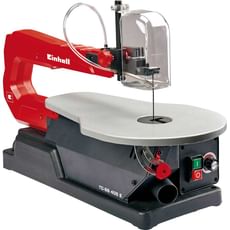
Fret saws and scroll saws are precision benchtop power tools designed for cutting intricate curves, detailed patterns and complex shapes in wood, plastic, metal and other thin materials. These versatile machines use a fine, straight blade that reciprocates up and down at high speed, allowing exceptional control when following complex cutting lines. Unlike band saws which employ a continuous loop blade, scroll saws feature a blade held under tension between upper and lower arms, making them particularly well-suited to delicate fretwork, marquetry, intarsia, jigsaw puzzle making and decorative woodworking projects.
The primary advantage of a scroll saw over other cutting tools is its ability to make internal cuts without working from the edge of your material. By drilling a small pilot hole, you can release the blade, thread it through the hole, and reattach it to cut out interior sections – perfect for creating pierced designs, lettering and intricate patterns. Modern scroll saws available from Tooled-Up.com feature variable speed control for adjusting cutting speed to suit different materials and blade types, whilst tilting tables enable bevel cuts up to 45 degrees for three-dimensional work.
Tooled-Up stocks scroll saws from trusted manufacturers including Draper, Dremel, Einhell and Sealey. Whether you're a professional cabinet maker, model maker, luthier or hobbyist woodworker, these machines provide the precision and control necessary for detailed cutting work. Many models include practical features such as integrated dust blowers to keep your cutting line visible, LED work lights for improved visibility, and quick-release blade tensioning systems for fast blade changes when making internal cuts.
Jargon Buster
- Reciprocating Blade
- A straight saw blade that moves rapidly up and down rather than rotating. This reciprocating motion provides superior control for intricate cutting compared to the continuous-loop blades used on band saws.
- Throat Depth
- The distance from the blade to the rear of the saw's frame, typically ranging from 400mm to 500mm on domestic models. This measurement determines the maximum width of material you can cut from the edge.
- Stroke Length
- The vertical distance the blade travels during each up-and-down cycle, measured in millimetres. Longer strokes generally provide faster cutting speeds but may sacrifice some precision on very delicate work.
- Variable Speed Control
- A feature allowing adjustment of strokes per minute (SPM), typically ranging from 400 to 1,600 SPM. Lower speeds suit harder materials and metals, whilst higher speeds work better for softwoods and plastics.
- Pinned vs Pinless Blades
- Pinned blades feature a small crossbar at each end for quick mounting, whilst pinless (plain-end) blades require blade clamps but offer greater versatility and access to tighter curves.
- Table Tilt
- The ability to angle the worktable, usually up to 45 degrees left or right, enabling bevel cuts and angled joinery work for three-dimensional projects.
Who Uses Fret Saws & Scroll Saws?
- Cabinet Makers and Joiners: Creating decorative inlays, ornamental fretwork and detailed joinery components for bespoke furniture
- Model Makers: Cutting precise parts for architectural models, railway layouts, RC vehicles and display pieces
- Musical Instrument Makers (Luthiers): Producing intricate soundhole rosettes, decorative inlays and delicate bracing patterns for guitars and other stringed instruments
- Toy and Puzzle Makers: Cutting jigsaw puzzles, wooden toys and educational items with complex interlocking parts
- Sign Makers: Producing cut-out lettering and decorative wooden signage for shops, pubs and businesses
- Craft Workers and Artisans: Making decorative items, jewellery boxes, ornaments and bespoke giftware
- Woodworking Enthusiasts and Hobbyists: Pursuing marquetry, intarsia, ornamental scrollwork and fine woodworking projects
- Educators and Workshop Tutors: Teaching precision cutting techniques in schools, colleges and community workshops
How to Choose the Right Fret Saws & Scroll Saws
Motor Power and Speed Range: Select a machine with adequate power for your intended materials. Most domestic scroll saws run on standard UK 240v mains power with motors between 80W and 125W. Variable speed control is essential, with a range of approximately 400-1,600 strokes per minute providing flexibility across different materials – slower speeds for metals and plastics, faster speeds for softwoods.
Throat Depth and Cutting Capacity: The throat depth determines how far from the edge you can cut. Standard models offer 400-405mm throat depth, which suits most hobbyist and small professional work. Also verify the maximum cutting thickness – typically 50-57mm for wood – to ensure it matches your project requirements.
Table Size and Tilt Function: A larger, stable worktable provides better support for your workpieces. Cast aluminium tables offer durability and flatness. Quality scroll saws feature tables that tilt up to 45 degrees in both directions for bevel cutting, with clear angle markings for accurate setup.
Blade Changing System: Quick-release blade clamps or tensioning levers make blade changes faster and less frustrating, particularly important when making internal cuts requiring frequent blade removal. Consider whether the saw accepts pinned blades, pinless blades, or both – pinless systems offer greater blade choice and tighter radius cutting.
Vibration and Noise Control: Better quality scroll saws from brands like Draper and Einhell incorporate improved vibration dampening, making them more comfortable for extended use and providing cleaner cuts. Reduced operational vibration also improves accuracy on intricate work.
Additional Features: Look for practical extras including adjustable dust blowers to keep your cutting line visible, integrated LED work lights, dust extraction ports for workshop vacuum connection, and hold-down guards to keep material flat against the table. Models from Einhell and Sealey often offer comprehensive feature sets at competitive prices.
Popular Accessories
- Scroll Saw Blades: Available in various tooth configurations and sizes for different materials – stock a variety of pinned and pinless blades for wood, metal and plastic
- Blade Assortment Sets: Convenient starter packs containing multiple blade types for different applications and materials
- Workshop Vacuum/Dust Extractor: Connect to your scroll saw's dust port for improved visibility and a cleaner, healthier working environment
- Magnifying Lamp: Provides illumination and magnification for particularly intricate cutting work and detailed patterns
- Pattern Paper and Transfer Methods: For applying designs to your workpieces accurately before cutting
- Masking Tape and Spray Adhesive: For temporarily attaching patterns to workpieces without damaging the material surface
- Scroll Saw Stand or Cabinet: Purpose-built stands that position your saw at a comfortable working height with storage below for blades and accessories
- Blade Storage Cases: Keep your blade collection organised, protected and easily accessible
- Push Sticks and Hold-Downs: Additional safety equipment for controlling small workpieces during cutting
- Sanding Attachments: Some models accommodate auxiliary sanding drums for smoothing curved edges after cutting
Safety Information
Whilst scroll saws are among the safer power tools due to their small, enclosed blade and downward cutting action, proper safety practices remain essential. Always wear appropriate eye protection to guard against fine dust and small material particles. The HSE recommends dust extraction or adequate ventilation when cutting wood and manufactured boards, particularly MDF which produces harmful fine dust that can cause respiratory problems with prolonged exposure.
Keep fingers well clear of the blade path – the reciprocating action can cause painful injuries even with the small blade. Never reach over or behind the blade whilst the machine is running. Ensure your scroll saw is properly secured to a stable workbench or mounted on a dedicated stand before use, as vibration can cause unsecured machines to move during operation.
Always disconnect the machine from the mains supply before changing blades or making adjustments. Check that blade tension is correctly set before starting work – loose blades can break or deflect, whilst over-tensioned blades may snap unexpectedly. Maintain a clean work area, removing offcuts and dust regularly to prevent them interfering with your work or creating slip hazards.
When cutting small pieces, use push sticks or holding devices to keep hands at a safe distance from the blade. Ensure your UK 240v scroll saw is plugged into a properly earthed socket, and consider using an RCD (residual current device) for additional electrical protection, particularly in workshop environments where portable tools are regularly used.
Frequently Asked Questions
What's the difference between a fret saw and a scroll saw?
The terms are often used interchangeably in the UK. Historically, "fret saw" referred to the manual hand tool with a deep U-shaped frame, whilst "scroll saw" describes the powered benchtop version. Today, both names commonly refer to the electric machine, though "scroll saw" is more widely used in power tool contexts. Functionally, they perform the same intricate cutting tasks.
Can scroll saws cut metal and plastic as well as wood?
Yes, with the appropriate blade fitted. Scroll saws can cut thin non-ferrous metals like aluminium, brass and copper, as well as various plastics and acrylics. Use slower speeds for harder materials and metal-cutting blades with finer teeth. Always check your model's specifications and use appropriate blades for non-wood materials to avoid damaging the blade or workpiece.
How thick a material can a scroll saw cut?
Most domestic scroll saws can cut wood up to 50-60mm thick, depending on the model. The Draper FS405V and Einhell scroll saws stocked at Tooled-Up typically handle 50-57mm in softwood. Hardwoods and other dense materials may require thinner stock. Maximum cutting thickness is determined by the saw's throat height and motor power.
Do I need any special electrical setup for a scroll saw?
No special wiring is required. All scroll saws run on standard UK 240v mains power with a standard 13A plug. Simply plug into any standard UK socket outlet. For workshop use, consider an RCD-protected circuit for additional safety against electrical faults.
How often should I change scroll saw blades?
Replace blades when you notice decreased cutting performance, rough cut edges, blade wandering, or excessive burning of the wood. Blade life varies considerably depending on materials cut and usage intensity. Many woodworkers keep several blade types in stock and change them based on the specific material and detail level required rather than waiting for complete blade failure, ensuring optimal cutting performance.