

Garden Forks
Pay in 3 interest-free payments on purchases from £30-2000 with  . Learn more.
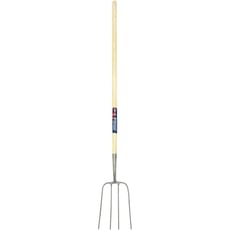
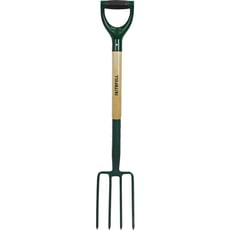
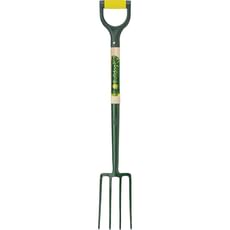
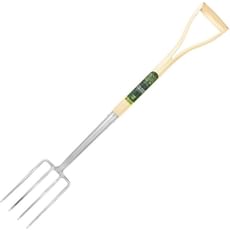
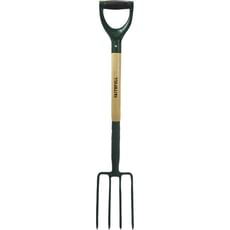
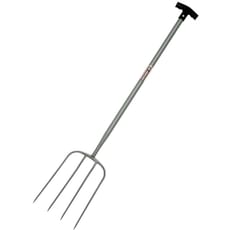
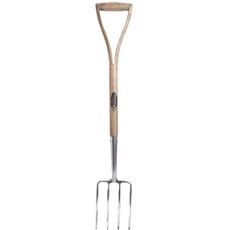
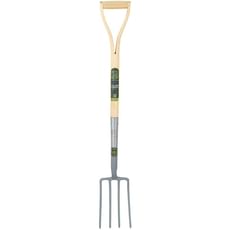
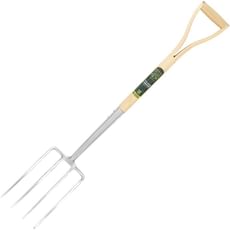
 Loading...
End of content
Error - No more pages to load
About Garden Forks
Garden forks are indispensable tools for anyone who works with soil, from professional landscapers maintaining extensive grounds to weekend gardeners tending their vegetable patches. Featuring robust tines (prongs) that penetrate compacted earth effectively, garden forks excel at tasks that would prove difficult or impossible with other implements—breaking up heavy clay soil, turning compost heaps, lifting root vegetables without damage, aerating established planting beds, and incorporating organic matter into garden borders. Their long handles provide excellent leverage, enabling efficient work whilst minimising strain on your back and shoulders during extended use.
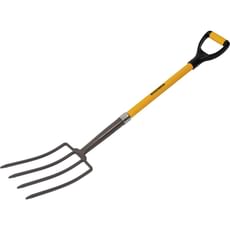
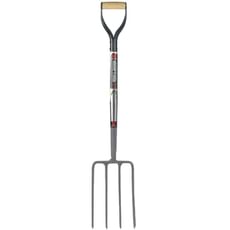
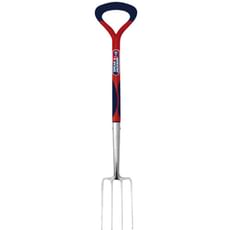
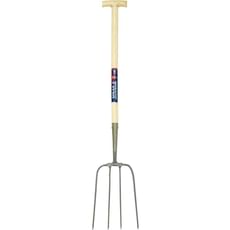
The garden fork category encompasses several specialised varieties, each designed for particular applications. Standard digging forks with four sturdy tines suit general soil preparation and cultivation work. Compact border forks offer manoeuvrability in tight spaces between established plants and raised beds. Manure forks feature longer, curved tines ideal for moving organic materials, whilst trenching forks have narrow heads perfect for working in confined spaces. Tooled-Up.com stocks a comprehensive selection from trusted manufacturers including Bulldog, Spear & Jackson, Draper, Faithfull, and Kew Gardens, available with traditional ash wood handles or modern fibreglass and steel shafts to suit every preference and working environment.
The quality of your garden fork directly impacts both work efficiency and comfort during prolonged use. Premium forged steel heads resist bending even in challenging soil conditions, whilst ergonomically designed handles with D-grips or T-grips reduce hand fatigue. Whether you're cultivating a small urban garden, maintaining an allotment, or working professionally across multiple sites, investing in the appropriate garden fork makes every digging, lifting and turning task considerably easier and more productive.
Jargon Buster
- Tines: The individual prongs or spikes on a garden fork. Most forks feature four tines, though specialised varieties may have three for manure work or narrower trenching applications. Tine spacing, length and shape vary depending on the fork's intended purpose.
- Forged vs Pressed Steel: Forged heads are heated and hammered into shape, creating superior strength and durability that resists bending in heavy clay soils. Pressed steel heads are stamped from sheet metal and prove more economical but less robust for demanding professional use.
- Border Fork: A smaller, more compact version of a standard digging fork, typically with a head width of around 190-210mm compared to 240-260mm for full-size models. Ideal for working between established plants, in raised beds, and confined spaces where standard forks prove unwieldy.
- D-Grip vs T-Grip: The handle design at the top of the fork. D-grips form a D-shaped loop, offering excellent control and leverage for most digging techniques. T-grips provide a straight horizontal handle, preferred by some professionals for specific cultivation methods and when working in restricted positions.
- Socket Length: The cylindrical section where the handle fits into the fork head. Longer sockets, found on quality models from brands like Bulldog and Spear & Jackson, distribute stress more effectively and resist loosening during heavy use.
- Treads: The flat or slightly raised areas at the top of each tine socket where you can place your foot when driving the fork into hard ground, providing extra pushing power whilst protecting your footwear from damage.
Who Uses Garden Forks?
Garden forks are utilised by a diverse range of professionals and enthusiasts:
- Professional Gardeners and Landscapers: Daily use for soil preparation, planting and maintenance across multiple client sites
- Groundskeepers and Estate Managers: Maintaining parks, sports grounds, stately homes and commercial landscapes
- Allotment Holders and Vegetable Growers: Essential for turning soil, harvesting root crops and managing compost heaps
- Horticulturalists and Nursery Workers: Preparing growing beds, transplanting stock and container plant maintenance
- Agricultural Workers and Smallholders: Moving manure, bedding materials and general farm tasks
- Garden Centre Staff: Compost handling, plant potting and display maintenance
- Tree Surgeons and Arborists: Soil decompaction around established trees and incorporating mulch
- DIY Gardeners and Homeowners: General garden maintenance, lawn renovation and seasonal planting
- Volunteer Groups: Community gardens, conservation projects and park restoration work
How to Choose the Right Garden Forks
Fork Type and Application: Identify your primary use before selecting. Standard digging forks from Draper or Bulldog suit general soil preparation and root vegetable lifting. Border forks prove perfect for smaller gardeners or working amongst established plants in tight spaces. Manure forks with longer, curved tines efficiently move organic materials and bedding. Consider purchasing multiple forks if you regularly perform varied tasks—many professionals maintain both a standard digging fork and a border fork for different situations.
Head Construction: Forged steel heads offer exceptional strength and longevity, making them worthwhile investments for frequent use or challenging soil conditions. The range at Tooled-Up includes premium forged options from manufacturers like Bulldog, which resist bending even in heavy clay. Carbon steel provides excellent durability, whilst stainless steel options resist corrosion better in damp environments or coastal areas. Check that tines are securely forged into the socket rather than simply welded, as this construction method withstands greater forces without loosening.
Handle Material and Length: Traditional ash wood handles provide comfortable shock absorption and a classic feel appreciated by many experienced gardeners. Fibreglass and metal shaft options from brands like Draper offer weatherproof durability and require minimal maintenance—ideal for tools left in outdoor storage or used in wet conditions. Standard handle lengths suit most users, but shorter gardeners or those working in confined spaces may prefer border forks with more compact dimensions. Extra-long handles reduce bending for taller users or when working on lower ground levels.
Grip Style and Ergonomics: D-grips offer excellent control and leverage for most digging motions, whilst some users prefer T-grips for specific techniques or when wearing thick winter gloves. Ensure the grip fits comfortably in your hand—oversized grips cause blisters during extended use, whilst too-small grips prove difficult to control. Many quality forks feature cushioned or textured grips that improve comfort during prolonged work.
Weight and Balance: Lighter forks reduce fatigue during prolonged use, but extremely lightweight construction may sacrifice durability. Well-designed forks feel naturally weighted rather than head-heavy or handle-heavy. Consider the fork's intended use—heavier models suit occasional use where durability matters most, whilst professional gardeners working daily often prefer lighter options that reduce cumulative strain.
Popular Accessories
- Garden Spades: Complement your fork for cutting clean edges and digging planting holes
- Garden Rakes: Level and finish soil after initial fork preparation and cultivation
- Hand Forks and Trowels: Essential for detailed work around individual plants and containers
- Wheelbarrows and Garden Trolleys: Transport materials loosened or gathered with your fork
- Tool Sharpening Stones: Maintain sharp tine points for easier soil penetration
- Linseed Oil: Preserve and protect wooden handles from moisture damage and splitting
- Tool Storage Solutions: Wall-mounted racks or garden sheds to protect your investment from weather damage
- Gardening Gloves: Protect hands and improve grip during fork work, reducing blisters
- Steel Wire Brushes: Clean soil and debris from tines after use to prevent corrosion
- Compost Bins: Partner perfectly with manure and compost forks for waste management
- Tool Bags and Belts: Keep hand tools accessible whilst moving around larger gardens
Safety Information
Correct Lifting Technique: Always bend your knees and use leg muscles rather than your back when lifting loaded forks. Keep the fork close to your body and avoid twisting motions whilst carrying weight. When digging, let the tool and leverage do the work rather than forcing movements that strain muscles. The HSE recommends proper manual handling techniques for all groundwork tasks to prevent long-term musculoskeletal injuries.
Appropriate Footwear: Wear sturdy boots with steel toecaps when using garden forks, particularly in professional settings or when working with heavy clay soils. The HSE recommends protective footwear for any work involving manual handling and sharp implements. Avoid using forks whilst wearing open-toed shoes, trainers or wellies without reinforced protection.
Tool Condition and Maintenance: Inspect your fork before each use, checking for loose heads, split handles or bent tines. Damaged tools prove dangerous—repair or replace compromised equipment immediately rather than risk injury. Clean forks after use and store them securely with tines facing downward or covered to prevent puncture injuries. Loose heads can detach unexpectedly during use, causing serious harm.
Working Environment: Be mindful of underground services—water pipes, electrical cables and gas mains—before driving forks into unfamiliar ground. Contact relevant utility providers if you're uncertain about buried infrastructure. When working near others, establish a safe perimeter and never leave forks tines-up on the ground where they pose a serious stepping hazard. Store tools safely during breaks to prevent accidents.
Frequently Asked Questions
What's the difference between a garden fork and a spade?
Garden forks feature multiple tines that penetrate and break up soil, making them ideal for heavy clay, stony ground, and aerating compacted areas without creating large clods. Spades have a single flat blade designed for cutting clean edges, slicing through roots and lifting soil in one piece. Most gardeners need both tools—forks for cultivation and breaking up ground, spades for precise digging, edging work and transplanting. Forks prove superior for harvesting root vegetables as the tines slide between crops without causing damage.
How do I maintain my garden fork?
Clean soil and debris from tines after each use with a stiff wire brush, paying particular attention to the areas where tines meet the socket. Dry the head thoroughly to prevent rust, particularly on carbon steel models from brands like Draper and Spear & Jackson. Apply a light coating of oil to metal parts before storage. For wooden handles, sand down any rough patches and treat annually with linseed oil to prevent splitting and weathering. Store forks in a dry location, preferably hanging with the head off the ground to prevent moisture contact.
Which size fork should I choose?
Standard digging forks suit most users for general garden tasks and cultivation work. If you're under 5'4" tall, have limited upper body strength, or primarily work in borders and raised beds, a border fork offers easier handling without sacrificing functionality. Extra-long models reduce bending for taller gardeners or when working on slopes and lower levels. Consider where you'll use the fork most—compact border forks prove ideal for allotments and intensive vegetable growing, whilst standard forks suit larger open gardens.
Are stainless steel forks worth the extra cost?
Stainless steel forks resist corrosion exceptionally well and soil slides off more easily, reducing cleaning time after use. They're worthwhile investments if you garden in wet conditions, near coastal areas with salt spray, or store tools in damp sheds without climate control. However, quality carbon steel forks from brands like Bulldog and Spear & Jackson offer excellent durability at more economical prices when properly maintained. For professional daily use in varied conditions, stainless steel proves cost-effective over time.
Can I use a garden fork to lift turf?
Whilst possible, a proper turf-cutting spade or half-moon edger produces cleaner results with less risk of tearing. Garden forks work better for breaking up lifted turf sections or preparing the soil beneath before laying new turf. Some gardeners use forks to loosen turf edges before final cutting with a spade, combining both tools for efficient lawn removal. Forks excel at aerating established lawns by creating holes that improve water penetration and root growth.