

General Purpose Gloves

Pay in 3 interest-free payments on purchases from £20-£3000 with  . Learn more.


 Loading...
End of content
Error - No more pages to load
About General Purpose Gloves
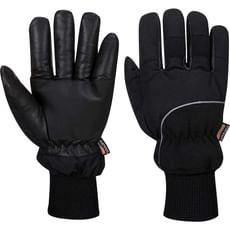
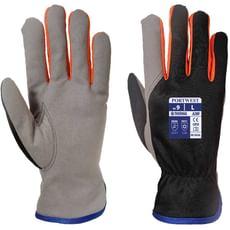
General purpose gloves are an essential form of hand protection for tradespeople, DIY enthusiasts, and anyone undertaking manual work. Unlike specialised safety gloves designed for specific hazards, general purpose work gloves provide versatile, everyday protection against cuts, abrasions, splinters, and general wear and tear. They're the go-to choice for tasks ranging from handling materials and equipment on building sites to gardening, warehouse work, and general maintenance projects.
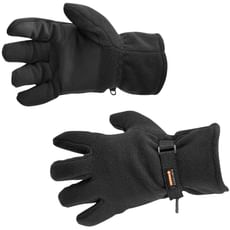
Modern general purpose gloves combine practical protection with comfort and dexterity, ensuring you can work efficiently whilst keeping your hands safe. Available in a wide variety of styles including leather drivers gloves, knitted grip gloves, fleece-lined winter gloves, and waterproof options, there's a general purpose glove suited to virtually every task and working condition. Many contemporary designs incorporate touchscreen compatibility, allowing you to operate mobile devices without removing your gloves – a particularly useful feature for tradespeople who need to check plans or communicate on-site.
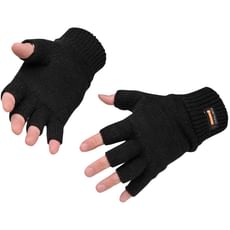
The selection at Tooled-Up.com includes trusted brands such as Portwest, Stanley, Kunys, and Sealey, offering options from lightweight summer work gloves through to heavily insulated winter gloves with Insulatex lining. Whether you need cut-resistant protection, waterproof coverage for wet conditions, or fingerless gloves that provide warmth whilst maintaining tactile sensitivity, you'll find suitable hand protection to match your working environment and requirements.
Jargon Buster
- Insulatex: A thermal insulation material commonly used in work gloves to provide warmth in cold environments whilst maintaining breathability and flexibility. Ideal for outdoor work during winter months.
- Grip Coating: A textured coating applied to the palm and fingers of work gloves, typically made from latex, nitrile, or PVC, which enhances grip on tools and materials in both dry and wet conditions.
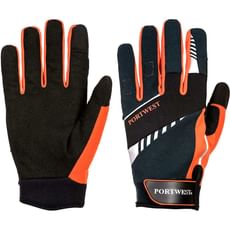
- Touchscreen Compatible: Gloves designed with conductive material in the fingertips that allow you to operate smartphones, tablets, and touchscreen equipment without removing the gloves.
- Knit Wrist: An elasticated, knitted cuff that provides a snug fit around the wrist, preventing debris from entering the glove whilst maintaining comfort and flexibility of movement.
- Cut Resistance Level: A rating system (typically A to F under EN 388 standards) that indicates the glove's ability to protect against cuts from sharp objects. Higher ratings offer greater protection against blade injuries.
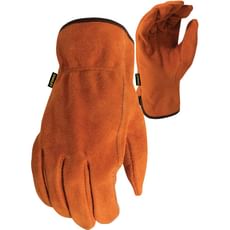
- Cowhide Split Leather: Leather taken from the lower layers of a hide, commonly used in drivers gloves. Offers excellent durability and abrasion resistance whilst being more economical than top-grain leather.
Who Uses General Purpose Gloves?
General purpose gloves are used across a broad spectrum of trades and activities, including:
- General Builders and Labourers: For handling materials, mixing, and general site work
- Landscapers and Groundskeepers: Protection when using tools, handling plants, and working outdoors
- Warehouse and Logistics Workers: For picking, packing, and handling goods throughout the day
- Maintenance Engineers: General maintenance tasks, equipment handling, and facility upkeep
- Delivery Drivers: Protecting hands when loading, unloading, and handling parcels
- Electricians and Plumbers: For general tasks (not electrical work requiring specialist insulated gloves)
- Carpenters and Joiners: Handling timber, sheet materials, and general workshop tasks
- DIY Enthusiasts and Homeowners: Home improvement projects, gardening, and general maintenance
- Agricultural Workers: Farm maintenance, animal handling, and outdoor work in varying conditions
- Painters and Decorators: Surface preparation, material handling, and general site protection
How to Choose the Right General Purpose Gloves
Selecting appropriate general purpose gloves depends on several key factors:
Working Environment: Consider the conditions you'll be working in. For cold environments, choose insulated options with Insulatex lining or fleece interiors. If you're working in wet conditions, opt for waterproof gloves with PVC coating or water-resistant materials. For warm weather work, lightweight, breathable knitted gloves provide protection without causing excessive perspiration.
Level of Dexterity Required: Tasks requiring fine motor skills and tactile sensitivity benefit from thinner, more flexible gloves or fingerless designs. Heavy-duty material handling can accommodate thicker, more robust gloves. Many modern gloves strike a balance, offering protection without sacrificing too much dexterity.
Grip Requirements: If you're handling tools or working with materials in wet or oily conditions, choose gloves with textured grip coatings on the palms and fingers. Latex, nitrile, and PVC coatings each offer different grip characteristics and chemical resistance properties.
Durability Needs: For abrasive work environments, leather gloves such as split cowhide drivers gloves provide excellent longevity. For general tasks with moderate wear, synthetic materials with reinforced palms offer good durability at a lower cost point.
Additional Features: Consider whether you need touchscreen compatibility for operating mobile devices, extended cuffs for wrist protection, or specific cut-resistance levels. If you're working on sites where visibility is important, high-visibility designs improve safety.
Fit and Comfort: Gloves should fit snugly without being restrictive. Check sizing charts carefully, as poorly fitting gloves reduce dexterity and can actually increase injury risk. Elastic or knit wrists help maintain a secure fit throughout the working day.
Popular Accessories
- Barrier Creams: Protect skin before putting on gloves, particularly useful for those with sensitive skin or when working extended shifts
- Hand Cleansers and Wipes: Industrial-strength hand cleaners for removing ingrained dirt, grease, and grime after work
- Tool Belts and Pouches: Convenient storage for spare gloves and other PPE on-site
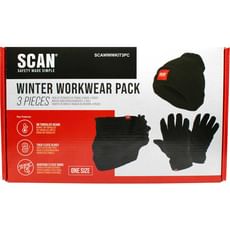
- Workwear Bundles: Combined packs including gloves alongside other essential PPE items
- Glove Clips and Holders: Keep gloves accessible and prevent loss on busy job sites
- First Aid Kits: Essential safety equipment for any workplace or project site
- Hand Moisturisers: Restore moisture and prevent dry, cracked skin from regular glove use
Safety Information
Whilst general purpose gloves provide excellent protection for everyday tasks, it's crucial to understand their limitations. These gloves are not suitable for specialist hazards requiring specific PPE, including electrical work (which requires properly rated insulated gloves), chemical handling (requiring chemical-resistant gloves), or extreme heat applications (requiring heat-resistant specialist gloves).
Always inspect gloves before use, checking for tears, holes, or excessive wear that could compromise protection. Replace damaged gloves immediately. The HSE recommends that employers conduct proper risk assessments to determine appropriate hand protection for each task, ensuring gloves meet relevant EN388 or other applicable British and European safety standards.
Ensure gloves fit properly – loose gloves can catch on machinery and equipment, creating additional hazards. Conversely, gloves that are too tight restrict blood flow and reduce dexterity. Store gloves in a clean, dry location away from direct sunlight and contaminants when not in use, as this extends their serviceable life and maintains protective properties.
Remember that whilst gloves significantly reduce injury risk, they're part of a broader approach to workplace safety. Always follow safe working practices, use appropriate tools correctly, and combine glove use with other relevant PPE as required by your specific working environment.
Frequently Asked Questions
How often should I replace my general purpose work gloves?
This depends on frequency of use and working conditions. For daily professional use in demanding environments, consider replacing gloves monthly or when you notice significant wear such as holes, thinning material, or reduced grip. For occasional DIY use, gloves may last considerably longer. Always replace gloves immediately if they become damaged or contaminated with substances that could compromise the material.
Can I wash my work gloves to extend their life?
Many fabric and knitted work gloves can be hand washed in lukewarm water with mild detergent, then air dried away from direct heat. However, leather gloves generally shouldn't be fully immersed in water as this can cause stiffening and shrinkage. Always check the manufacturer's care instructions, as some gloves with specialised coatings may have specific cleaning requirements that affect their protective properties.
What's the difference between general purpose gloves and specialist safety gloves?
General purpose gloves provide basic protection against common hazards like cuts, abrasions, and splinters during everyday tasks. Specialist safety gloves are designed and tested to protect against specific hazards such as electrical current, hazardous chemicals, extreme temperatures, or high-level cut risks. They meet stringent safety standards for their intended purpose. Always use specialist gloves when working with identified hazards that require specific protection.
Do I need different gloves for summer and winter work?
Whilst not strictly necessary for all applications, having seasonal gloves significantly improves comfort and productivity. Winter gloves with Insulatex or fleece lining maintain hand warmth and dexterity in cold conditions, preventing numbness that can lead to accidents. Lightweight, breathable summer gloves prevent excessive perspiration that can cause discomfort and reduce grip. Many tradespeople maintain both options to suit changing weather conditions throughout the year.
Are touchscreen-compatible work gloves as protective as standard gloves?
Yes, touchscreen compatibility is achieved through conductive fibres woven into specific fingertips and doesn't compromise the protective qualities of the glove. Modern touchscreen work gloves available from Tooled-Up offer the same level of protection, durability, and grip as their non-touchscreen counterparts, whilst adding the convenience of operating mobile devices without removing your gloves – particularly valuable on cold days or when hands are dirty.