

Gloves

Pay in 3 interest-free payments on purchases from £20-£3000 with  . Learn more.
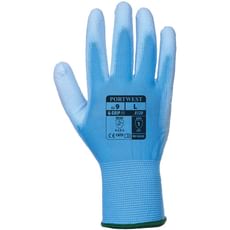
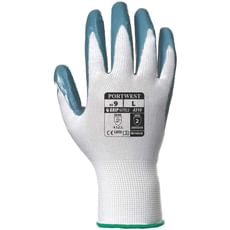
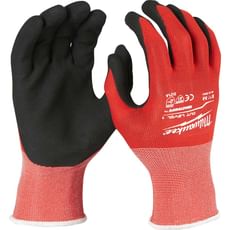
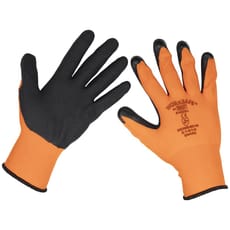





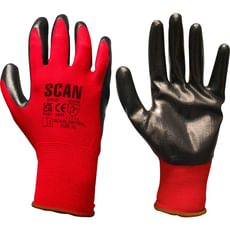
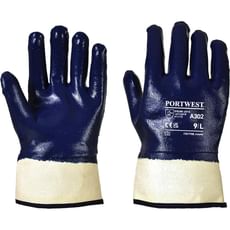





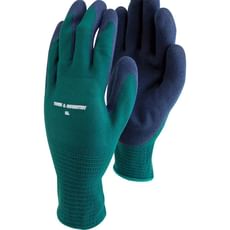
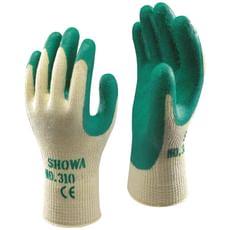

 Loading...
End of content
Error - No more pages to load
About Gloves
Protective gloves represent one of the most fundamental items of personal protective equipment (PPE) for tradespeople, industrial workers, and DIY enthusiasts throughout the UK. Whether you're working on a construction site, in a warehouse, garden, or workshop, the right pair of gloves can prevent injuries, improve grip, and enhance comfort during demanding tasks. The range at Tooled-Up.com encompasses an extensive selection of work gloves designed to meet the diverse needs of different trades and applications, from heavy-duty leather rigger gloves for construction work to precision-fit nitrile gloves for detailed assembly tasks.
The glove selection covers every imaginable work environment and hazard type. Specialised options include cut-resistant gloves for handling sharp materials, electrical safety gloves for live electrical work, thermal gloves for cold store environments, and chemical-resistant gloves for handling hazardous substances. Industry-specific solutions such as chainmail gloves for butchers and food processors, ESD gloves for electronics work, and framers gloves for carpentry tasks requiring both protection and dexterity are also available. Trusted brands including Portwest, DeWalt, and Scruffs ensure consistent quality and reliable protection across all categories.
Choosing the right gloves isn't just about comfort—it's about compliance with UK health and safety legislation. The Health and Safety Executive (HSE) requires employers to provide suitable PPE where workplace risks cannot be eliminated by other means. Whether you need EN 388 rated cut-resistant gloves, EN 407 thermal protection, or EN 374 chemical resistance, the comprehensive range includes gloves certified to British and European safety standards, ensuring you meet your legal obligations whilst keeping your hands protected on site.
Jargon Buster
- EN 388 Rating: The European standard for protective gloves against mechanical risks. The rating includes four performance levels testing abrasion resistance, cut resistance, tear resistance, and puncture resistance. Higher numbers indicate better protection, with modern standards also including an additional letter code for cut resistance (A-F).
- Gauge: Refers to the density of the knit in work gloves. Higher gauge numbers (like 15 or 18 gauge) indicate a finer, tighter knit that offers better dexterity and comfort, whilst lower gauge (7 or 10 gauge) provides more robust protection and durability for heavy-duty tasks.
- Nitrile Coating: A synthetic rubber coating applied to glove liners that provides excellent resistance to oils, greases, and many chemicals. Nitrile-coated gloves offer superior grip in wet and dry conditions and are more puncture-resistant than latex alternatives.
- Palm Dipped vs Fully Coated: Palm dipped gloves have coating only on the palm and fingers, allowing better breathability on the back of the hand. Fully coated gloves provide protection across the entire hand and are better for wet environments or chemical handling.
- PU (Polyurethane) Coating: A thin, flexible coating that provides excellent tactile sensitivity and dexterity. PU-coated gloves are ideal for precision work and dry handling applications, though they offer less chemical and abrasion resistance than nitrile.
- COSHH Compliance: The Control of Substances Hazardous to Health Regulations require specific types of gloves when handling chemicals, solvents, or other hazardous materials in UK workplaces. Chemical-resistant gloves must be selected based on breakthrough time and permeation resistance for specific substances.
Who Uses Gloves?
Professional work gloves are essential PPE across virtually every trade and industry sector:
- Construction Workers and Builders: General purpose and contractors gloves for site work, handling materials, and operating machinery
- Electricians and Sparks: Electrical safety gloves rated for live work up to 240v, plus ESD gloves for sensitive electronics
- Plumbers and Heating Engineers: Grip gloves for handling pipes, chemical-resistant gloves for cleaning agents
- Carpenters and Joiners: Framers gloves offering protection with finger dexterity for detailed woodworking
- Mechanics and Auto Technicians: Nitrile gloves resistant to oils and fuels, disposable gloves for cleanliness
- Warehouse and Logistics Staff: General purpose and grip gloves for handling packages and stock
- Garden and Landscape Professionals: Garden gloves protecting against thorns, cuts, and moisture
- Food Industry Workers: Food-safe disposable gloves, cut-resistant gloves for food preparation, chainmail gloves for butchery
- Manufacturing and Assembly Workers: Precision grip gloves, cut-resistant gloves, and ESD gloves depending on the production environment
- Cold Store and Refrigeration Workers: Thermal insulated gloves for working in freezer environments
- Painters and Decorators: Disposable gloves and chemical-resistant options for working with paints and solvents
- DIY Enthusiasts and Homeowners: General purpose gloves for home maintenance, gardening, and improvement projects
How to Choose the Right Gloves
Selecting appropriate work gloves requires careful consideration of your specific tasks and working environment:
Identify the Hazards: Begin by conducting a risk assessment of your work tasks. Are you at risk from cuts, abrasions, chemicals, extreme temperatures, electrical hazards, or vibration? Different hazards require different glove specifications and safety ratings. For example, handling sheet metal demands high cut resistance (EN 388 level 4 or above), whilst working with batteries requires chemical resistance to sulphuric acid.
Check Safety Standards: Ensure gloves meet relevant British and European standards for your application. EN 388 covers mechanical risks, EN 407 addresses thermal hazards, EN 374 relates to chemical protection, and EN 60903 applies to electrical insulating gloves. Look for CE marking and certification labels that confirm compliance with UK health and safety requirements.
Balance Protection with Dexterity: Heavier, more protective gloves can reduce tactile sensitivity and make detailed work difficult. Consider what level of finger movement and grip precision your tasks require. For fine assembly work, opt for thin PU-coated or 18-gauge gloves. For heavy materials handling, prioritise protection over dexterity with leather or heavily reinforced options.
Consider Coating Types: Nitrile coatings excel in oily, greasy conditions and offer good chemical resistance. Latex provides excellent elasticity and comfort but can cause allergic reactions in some users. PU coatings deliver superior tactile sensitivity for precision work. Foam coatings offer excellent grip in light oil conditions. Leather provides durability and some heat resistance for general construction work.
Size and Fit Matter: Ill-fitting gloves reduce dexterity, cause discomfort, and may compromise protection. Gloves that are too large can catch on machinery, whilst tight gloves restrict movement and cause hand fatigue. Most manufacturers offer sizes from 7 (small) to 11 (extra-large). Tooled-Up also stocks ladies gloves designed specifically for smaller hand sizes with proportionate finger lengths.
Environmental Conditions: Consider temperature extremes—cold store gloves provide thermal insulation for freezer work, whilst heat-resistant gloves protect against burns. For outdoor work, waterproof gloves keep hands dry in wet conditions. Breathable backs on partially coated gloves reduce perspiration during extended wear.
Durability and Cost: Disposable gloves are economical for single-use applications or when contamination is a concern. Reusable gloves represent better value for regular use but require proper care and inspection. Consider gloves from reputable brands like Portwest, DeWalt, and Scruffs which offer good durability and consistent sizing.
Popular Accessories
- Glove Dispensers: Wall-mounted units for organised storage and easy access to disposable gloves in workshops and food preparation areas
- Glove Clips: Keep gloves securely attached to belts or workwear when not in use, preventing loss on busy job sites
- Barrier Creams: Applied before wearing gloves to provide additional skin protection and reduce irritation during extended wear
- Hand Cleansers: Specialised cleaning products for removing oils, greases, and contaminants after glove removal
- Glove Liners: Thin inner gloves that improve comfort, absorb perspiration, and extend the life of outer protective gloves
- Glove Storage Bags: Protective storage for electrical safety gloves and other specialised PPE to prevent contamination and damage
- Moisture-Wicking Gloves: Worn underneath work gloves to keep hands dry during physically demanding tasks
- Hand Protection Kits: Complete sets including various glove types, barrier creams, and cleansers for comprehensive workplace hand safety programmes
Safety Information
Proper selection, use, and maintenance of protective gloves are critical for workplace safety and HSE compliance. Always conduct a risk assessment to identify specific hand hazards in your working environment. Gloves must be appropriate for the identified risks—using the wrong type can provide false confidence whilst offering inadequate protection. Never use damaged gloves, as tears, punctures, or degraded coatings compromise their protective qualities.
Inspect gloves before each use, checking for holes, thinning, discolouration, or other signs of deterioration. Chemical-resistant gloves have limited breakthrough times—the duration they protect against specific substances—which vary by material and chemical type. Consult manufacturer specifications and replace gloves according to recommended schedules. Electrical safety gloves require periodic testing to maintain their dielectric properties and must be used with leather protector gloves to prevent punctures.
Be aware that some glove materials can create hazards in certain environments. Latex gloves may cause allergic reactions in sensitive individuals—nitrile alternatives are widely available. Fabric and leather gloves should never be worn near rotating machinery, lathes, or drills where they could catch and pull hands into moving parts. Remove gloves before operating mobile phones or touchscreens to avoid contamination and maintain hygiene.
Proper disposal is essential, particularly for gloves contaminated with chemicals, biological materials, or hazardous substances. Follow COSHH guidelines and your workplace waste management procedures. Single-use disposable gloves should never be reused, as this defeats their purpose and may spread contamination. Store gloves in clean, dry conditions away from direct sunlight, ozone sources, and extreme temperatures which can degrade materials.
Remember that gloves are just one element of a comprehensive hand safety programme. Combine appropriate gloves with safe working practices, proper training, and regular equipment maintenance. Employers have a legal duty under UK health and safety legislation to provide suitable PPE free of charge and ensure workers are trained in its correct use. If you're unsure which gloves are appropriate for your specific application, consult the product safety data sheets or seek advice from a safety professional.
Frequently Asked Questions
What do the numbers on EN 388 rated gloves mean?
EN 388 is the European standard for protective gloves against mechanical risks. The rating consists of four numbers (e.g., 4543) representing performance levels from 0-5 for abrasion resistance, cut resistance (using the Coup test), tear resistance, and puncture resistance respectively. Higher numbers indicate better protection. Newer standards also include letters (A-F) representing cut resistance measured by the ISO 13997 test, which is more accurate for high-performance materials. For general construction work, look for ratings of at least 3121, whilst handling sharp materials requires level 4 or 5 cut resistance.
Can I wash and reuse work gloves?
This depends entirely on the glove type. Disposable gloves (nitrile, latex, vinyl) are designed for single use and should be discarded after each wearing. However, many fabric, leather, and coated work gloves are reusable. Check manufacturer care instructions—some can be machine washed on gentle cycles, whilst others require hand washing. Leather gloves should be cleaned with appropriate leather cleaners. Always inspect gloves after washing for damage to coatings or material integrity. Never reuse gloves that have been contaminated with hazardous chemicals or biological materials unless they're specifically designed and rated for decontamination.
Why do my hands sweat excessively when wearing protective gloves?
Perspiration is common when wearing non-breathable protective gloves, particularly during physically demanding work or in warm environments. To reduce sweating, consider palm-dipped rather than fully-coated gloves, which allow the back of your hand to breathe. Cotton or moisture-wicking glove liners worn underneath can absorb perspiration and improve comfort. For extended wear, rotate between multiple pairs of gloves to allow each pair to dry thoroughly. Some modern work gloves incorporate breathable membranes or ventilation channels designed to reduce moisture build-up whilst maintaining protection.
Are there specific gloves for people with latex allergies?
Yes, nitrile gloves are the most popular latex-free alternative and are widely available. Nitrile offers similar or superior performance to latex in most applications, with better resistance to punctures, oils, and many chemicals. Vinyl gloves provide another latex-free option for light-duty tasks, though they offer less durability and elasticity. PU-coated gloves with nylon liners are also latex-free and excellent for precision work. If you or your employees have latex sensitivities, always check product specifications to confirm gloves are latex-free before purchasing.
How often should I replace my work gloves?
Replacement frequency depends on usage intensity, working conditions, and glove type. Disposable gloves should be changed after each use or whenever they become contaminated or damaged. Reusable work gloves should be inspected daily and replaced immediately if you notice holes, thinning, loss of grip coating, or reduced flexibility. For moderate use, quality work gloves typically last several weeks to months. In demanding environments with exposure to sharp materials or chemicals, gloves may need weekly or even daily replacement. Establish a regular inspection routine and never continue using gloves that show signs of deterioration, as compromised gloves provide inadequate protection and may create false confidence.