

Grinder Wheel Brushes
Pay in 3 interest-free payments on purchases from £30-2000 with  . Learn more.
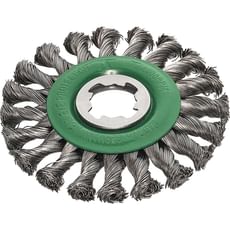
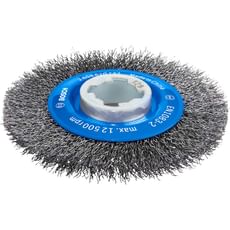
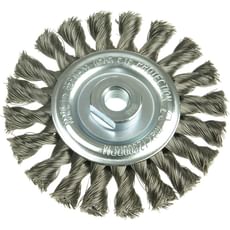
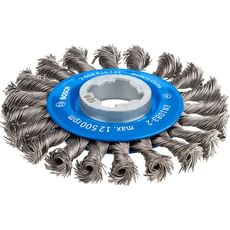
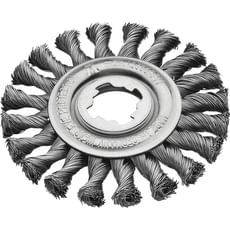
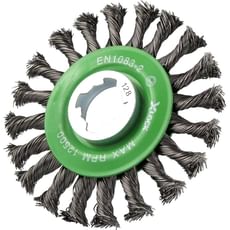
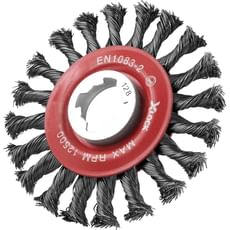
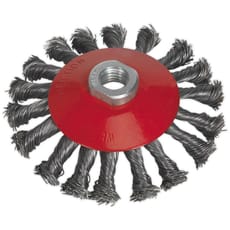
 Loading...
End of content
Error - No more pages to load
About Grinder Wheel Brushes
Grinder wheel brushes are high-performance rotary accessories designed to mount directly onto angle grinders for aggressive surface preparation, cleaning and finishing tasks across metalworking, fabrication and restoration applications. Unlike manual wire brushes that require elbow grease and time, these power tool attachments harness the rotational speed of angle grinders to deliver rapid material removal, making them indispensable for removing rust, paint, scale, weld spatter and corrosion from metal surfaces. Available in various wire configurations, materials and profiles, they represent an essential category of abrasive accessories for both professional tradespeople and serious DIY enthusiasts tackling demanding metal preparation work.
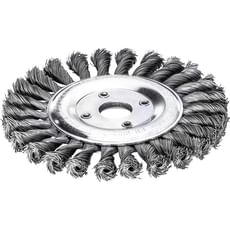
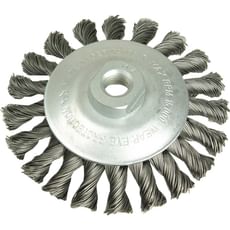
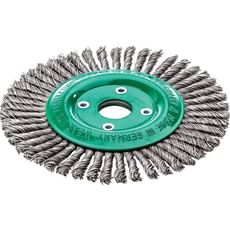
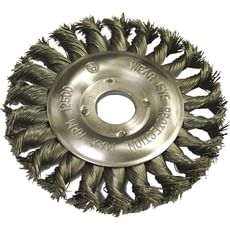
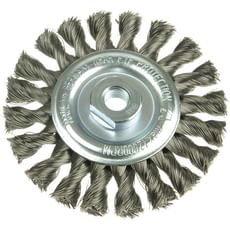
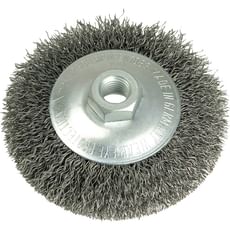
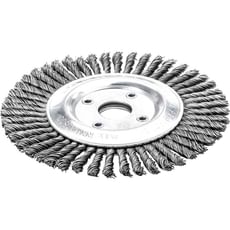
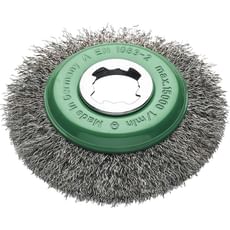
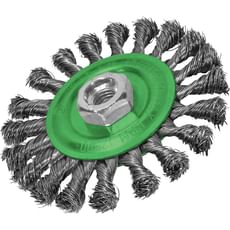
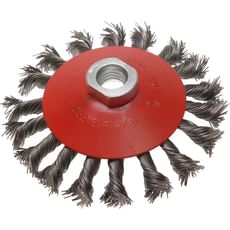
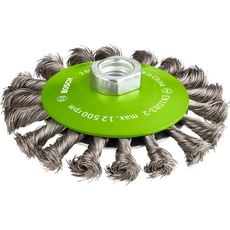
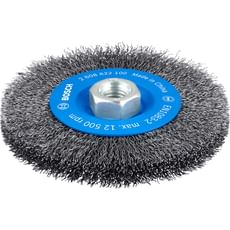
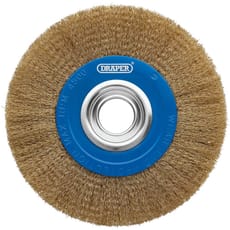
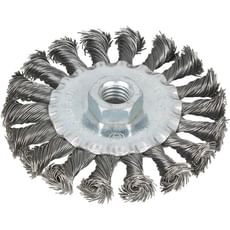
The category encompasses several distinct brush configurations, each engineered for specific applications and surface conditions. Crimped wire wheel brushes feature fine, flexible wires that provide lighter duty cleaning suitable for surface preparation and reaching into recesses without excessive material removal. Twisted knot wire brushes employ thicker, tightly bunched wires for aggressive action on heavily corroded or coated surfaces where rapid stock removal is required. Specialised options include stainless steel (Inox) wire brushes specifically manufactured for working on stainless steel without causing ferrous contamination, and brass wire variants for softer metals and sensitive applications such as decarbonising engine components.
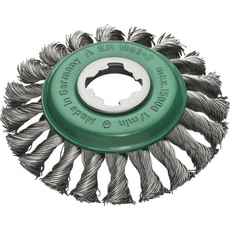
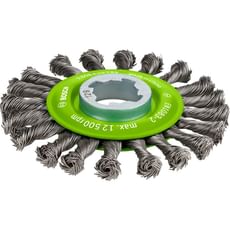
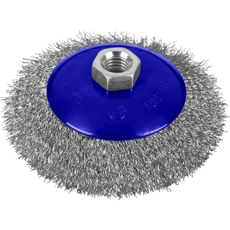
Tooled-Up.com stocks grinder wheel brushes from trusted manufacturers including Lessmann, Bosch Professional, Faithfull, Sealey and Blue Spot, offering various configurations to suit different working requirements. These include flat wheel designs for edge work and accessing corners, bevelled cup brushes for flat surface preparation, and conical profiles for reaching tight spaces. Many modern options feature X-LOCK quick-change systems compatible with the latest Bosch and Faithfull angle grinders, eliminating the need for spanners and significantly reducing changeover time on site—a valuable productivity benefit for busy tradespeople working to tight schedules.
Jargon Buster
- Crimped Wire: Fine gauge steel wires that are crimped or waved to create a flexible, less aggressive brush suitable for light cleaning, surface preparation and working into recesses without excessive material removal or scratching sensitive surfaces.
- Twisted Knot Wire: Thicker gauge wires tightly twisted together in bundles or knots, creating a highly aggressive brush that rapidly removes heavy rust, paint, scale and weld spatter, though may leave visible scratches on softer metals.
- Inox Wire: Stainless steel wire construction specifically designed for use on stainless steel surfaces. Using standard carbon steel brushes on stainless steel causes ferrous contamination that leads to rust spots and corrosion, compromising the material's protective properties.
- Maximum RPM: The maximum rotational speed (revolutions per minute) at which a brush can be safely operated. Exceeding this rating causes wires to break free and become dangerous projectiles, making it essential to match brush ratings to your grinder's no-load speed.
- X-LOCK System: A tool-free quick-change mounting system that allows grinder accessories to be fitted and removed without spanners, featuring a simple twist-and-release mechanism for rapid accessory changes during intensive site work.
- Cup Brush vs Wheel Brush: Cup brushes have wires arranged perpendicular to the mounting arbor for flat surface work, whilst wheel brushes have wires radiating from the centre, allowing edge work and access to corners and tight spaces.
Who Uses Grinder Wheel Brushes?
Grinder wheel brushes are essential tools across numerous trades and industries:
- Welders and Fabricators: Preparing metal surfaces before welding, removing weld spatter and cleaning seams after fabrication work to achieve professional finishes
- Metal Finishers: Surface conditioning, deburring and creating consistent surface textures on architectural metalwork and decorative fabrications
- Automotive Technicians: Rust removal, paint stripping, cleaning engine components and chassis restoration work on classic and modern vehicles
- Construction Workers: Preparing steelwork, removing surface corrosion from structural elements and cleaning metal fixings on site before installation
- Maintenance Engineers: Equipment refurbishment, removing scale from pipes and machinery, and general industrial cleaning applications in manufacturing environments
- Agricultural Engineers: Restoring farm machinery, removing rust from equipment exposed to the elements and maintaining metal implements
- Marine Engineers: Combating saltwater corrosion, preparing metal surfaces in boat building and maintenance applications where rust never sleeps
- DIY Enthusiasts: Home metalwork projects, garden furniture restoration, and general metal cleaning and preparation tasks around the property
How to Choose the Right Grinder Wheel Brushes
Wire Type Selection: Choose crimped wire brushes for lighter cleaning, surface preparation and working on softer metals where you want to minimise scratching. Opt for twisted knot brushes when you need aggressive material removal on heavily rusted or painted surfaces. Always select stainless steel (Inox) brushes when working on stainless steel to prevent ferrous contamination that compromises corrosion resistance.
Brush Profile: Flat wheel brushes excel at edge work, getting into corners and working on curved surfaces. Cup brushes are ideal for flat surface preparation and covering larger areas quickly with consistent pressure. Conical and bevelled designs bridge the gap, offering versatility for both flat surfaces and accessing tight spaces in complex fabrications.
Wire Gauge and Material: Thicker gauge wires (0.5mm) provide more aggressive cutting action but leave more visible scratches on the workpiece. Finer wires (0.35mm) offer gentler cleaning suitable for finishing work and sensitive applications. Brass wire brushes are essential for aluminium, copper and other non-ferrous metals where steel would be too aggressive or cause contamination.
Speed Rating Compatibility: Always check the maximum RPM rating marked on the brush and ensure it exceeds your angle grinder's no-load speed. Standard 115mm (4.5") angle grinders typically operate at 10,000-12,000 RPM, whilst larger 230mm (9") grinders run at lower speeds. Using brushes below their rated speed invites catastrophic failure and serious injury from flying wire fragments.
Mounting System: Traditional M14 threaded mounting fits most angle grinders from Makita, DeWalt, Milwaukee and other manufacturers, offering secure attachment. X-LOCK systems provide tool-free changes if you have a compatible Bosch, Faithfull or other X-LOCK grinder. Consider your existing equipment and how frequently you change accessories when deciding between standard and quick-change options.
Application Intensity: For occasional DIY use, economical options from Blue Spot or Sealey deliver good value and adequate performance. Professional tradespeople working daily should invest in premium brushes from Lessmann or Bosch Professional, which offer superior wire retention, longer service life and more consistent performance under demanding site conditions.
Popular Accessories
- Angle Grinders: Essential 240v power source from leading brands including Makita, DeWalt, Milwaukee and Bosch Professional in 115mm and 230mm sizes
- Grinding Discs: Complementary abrasive discs for material removal before brush finishing work
- Flap Discs: For final surface finishing and blending after wire brush preparation to achieve smooth finishes
- Safety Visors and Goggles: Essential eye protection meeting EN166 standards for wire brush operations where flying debris is inevitable
- Heavy Duty Work Gloves: Protective gloves from DeWalt, Scruffs or Portwest to guard against flying wires and sharp workpiece edges
- Dust Masks and Respirators: Respiratory protection for rust dust and paint particles disturbed during brushing operations
- Wire Brush Lubricants: Specialist products that reduce heat build-up and extend brush life during intensive metalworking sessions
- Bench Grinders: Alternative mounting option for stationary wire brush work on smaller components
Safety Information
Grinder wheel brushes are potentially hazardous accessories that demand strict adherence to safety protocols. The HSE reports numerous injuries annually from wire brush accidents, making proper precautions essential for both professional tradespeople and DIY users.
Speed Rating Compliance: Never exceed the maximum RPM clearly marked on every brush. Wire brushes operated above their rated speed can disintegrate catastrophically, sending wire fragments flying at velocities exceeding 200mph. Always verify your angle grinder's no-load speed matches the brush specification before mounting.
Personal Protective Equipment: Eye protection meeting EN166 standards is absolutely mandatory—wire fragments can cause permanent vision loss. Full-face visors provide superior protection compared to safety glasses alone. Heavy duty gloves protect hands from puncture wounds, whilst long sleeves prevent wire penetration into exposed skin. Respiratory protection is essential when removing rust, paint or other coatings that generate harmful dust particles.
Brush Inspection and Maintenance: Examine brushes before each use for wire damage, broken wires or excessive wear. Discard brushes with cracked arbors, damaged threads or significant wire loss. Never use brushes that have been dropped, as internal damage may not be visible but can cause failure at operating speed.
Secure Mounting: Ensure brushes are fully threaded onto the grinder arbor and tightened securely using the correct flanges. Use only the flange and nut supplied with your grinder. For X-LOCK systems, verify the brush has clicked into position and pull-test before powering on.
Operational Safety: Allow the grinder to reach full speed before contacting the workpiece. Apply moderate pressure only—excessive force causes premature wear and increases breakage risk. Position yourself so flying wires and debris travel away from your body. Never use wire brushes near flammable materials, as friction sparks can ignite vapours or combustible dust. Maintain a clean, well-ventilated workspace and keep bystanders at safe distance during operation.
Frequently Asked Questions
What's the difference between crimped and knotted wire brushes?
Crimped wire brushes use fine, flexible wires that are crimped or waved, making them less aggressive and suitable for lighter cleaning, surface preparation and working into recesses without excessive material removal. Knotted (twisted knot) brushes employ thicker gauge wires tightly twisted into bundles, creating a highly aggressive tool that rapidly removes heavy rust, scale and paint but leaves more visible scratches on the workpiece. Choose crimped for finishing work and sensitive surfaces, knotted for heavy-duty material removal on badly corroded items.
Can I use a standard steel wire brush on stainless steel?
No, you should never use standard carbon steel wire brushes on stainless steel surfaces. Carbon steel particles embed in the stainless steel during brushing, causing ferrous contamination that leads to rust spots and corrosion, defeating the purpose of using stainless steel in the first place. Always use dedicated stainless steel (Inox) wire brushes when working with stainless steel to maintain its corrosion-resistant properties. Brands like Bosch and Faithfull clearly label their Inox brushes for this critical application.
Why does my wire brush wear out so quickly?
Rapid wire brush wear typically results from excessive pressure during use. Wire brushes are designed to work with light to moderate contact pressure—pushing harder doesn't remove material faster but dramatically accelerates wire breakage and reduces brush life. Other common causes include exceeding the rated speed, using the wrong wire type for your application (such as crimped wires for heavy rust removal), or working on extremely abrasive materials. Allow the brush rotation to do the work rather than forcing it, and ensure you're using an appropriate brush grade for your application intensity.
Are X-LOCK grinder wheel brushes worth the extra cost?
For professional tradespeople who change accessories frequently throughout the day, X-LOCK systems offer significant productivity benefits by eliminating the need for spanners and reducing changeover time from minutes to seconds. The tool-free twist-on, twist-off mechanism is particularly valuable when working at height, in confined spaces, or when wearing gloves. However, X-LOCK brushes only fit compatible grinders from manufacturers like Bosch and Faithfull. If you're using traditional angle grinders or change brushes infrequently, standard M14 threaded brushes available at Tooled-Up offer excellent value and identical performance once mounted.
What size grinder wheel brush do I need for my angle grinder?
Grinder wheel brushes must match your angle grinder size. The most common is 115mm (4.5") for standard compact angle grinders, though 125mm (5") and larger 230mm (9") options exist for bigger grinders. More critically, verify the brush's maximum RPM rating exceeds your grinder's no-load speed, which varies by model but typically ranges from 10,000-12,000 RPM for 115mm grinders and 6,000-6,500 RPM for 230mm machines. The brush bore (mounting hole) must also match your grinder's arbor—M14 thread is standard across most brands including Makita, DeWalt, Milwaukee and Bosch. Check your grinder's specifications before purchasing to ensure compatibility.